Introduction
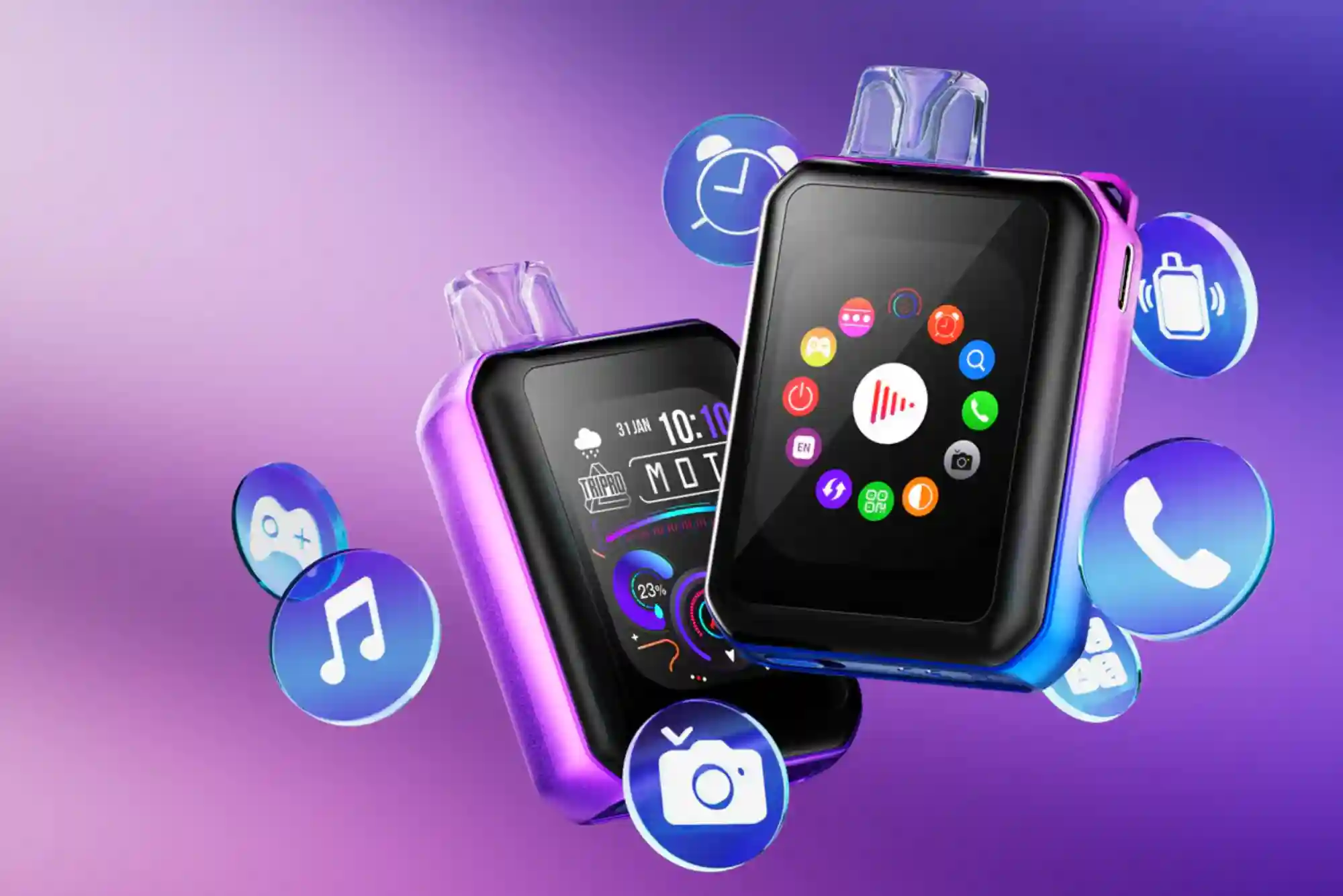
Can Smart Vape Track Mood or Stress? This question is becoming more relevant as vaping devices become more connected. Modern smart devices can collect information about usage, timing, temperature, and user behavior. Some also connect with mobile applications for detailed tracking.
However, tracking mood directly is more complicated. A vape cannot reliably know whether someone feels anxious, calm, frustrated, or happy. Instead, future smart vape systems could potentially identify patterns associated with stress.
Understanding this difference is important. Stress detection depends on measurable body signals and behavioral changes. Therefore, a smart vape would need suitable sensors and software to make meaningful predictions.
Can Smart Vape Track Mood or Stress?
A smart vape could potentially monitor indicators linked to stress. However, it would not literally read a person’s emotions.
Mood is a psychological state. Stress can also involve physical responses. These responses may include changes in heart rate, breathing, skin temperature, and activity.
Wearable technology already explores similar signals. Devices can use sensors to estimate stress from physiological changes. Smart vape technology could potentially connect with these systems.

For example, a future vape could communicate with a smartwatch. The watch could provide heart-rate or activity information. The vape could then combine that information with usage patterns.
This approach would make stress estimation more realistic. The vape itself would not need to measure every biological signal.
How Could Smart Vape Technology Detect Stress?
Stress detection generally depends on measurable signals rather than emotions themselves. A connected device could analyze several types of information.
Usage Patterns
A smart vape can potentially record when and how often it is used. Frequent use during particular periods might reveal behavioral patterns.
For example, someone might vape more frequently during demanding work periods. Another person might use a device more often late at night.
These patterns do not prove stress. Still, repeated changes could provide useful information when combined with other signals.
Physiological Data
Physiological information could provide stronger evidence. Heart rate and breathing patterns can change during stressful situations.
Smart vapes could potentially receive this information from connected wearables. This would create a broader picture of the user’s physical state.
However, physiological signals are not unique to stress. Exercise, caffeine, illness, and excitement can also change them.
Timing and Context
Time-based information could also contribute to stress analysis. A device might identify unusual changes in normal usage habits.
For instance, increased use during working hours could become a recurring pattern. Software could flag the pattern without claiming that stress caused it.
Context is especially important. Data becomes more useful when several signals point toward the same conclusion.
Why Mood Tracking Is More Difficult
Mood is harder to measure than physical activity. Feelings are personal and can change quickly.
A person may have an elevated heart rate because they are excited. Another person may experience the same response because they are nervous.
Therefore, a device cannot accurately determine mood from one measurement.
Smart vape systems would need personalized data. They might learn a user’s normal patterns over time. This could help software recognize unusual changes.
Even then, the result would remain an estimate. It should not be treated as a medical diagnosis or psychological assessment.
The Role of Wearable Technology
Wearables are particularly relevant to this discussion. Smartwatches and fitness trackers can collect physiological information throughout the day.
They may monitor measurements such as heart rate, movement, and sleep. Some platforms use these signals to estimate stress or recovery.
For readers interested in the technology behind this process, understanding how wearables measure stress provides useful context. Wearable systems typically combine sensor readings with algorithms to identify patterns associated with physiological stress.
This approach could eventually influence connected vape technology. Instead of making a vape responsible for every measurement, the wearable could provide the biological data.
The vape could then focus on recording usage information. An application could combine both datasets.
Could a Smart Vape Use an App for Stress Tracking?
A smartphone application would make this technology more practical. The app could receive data from both the vape and compatible wearable devices.
Users could potentially see trends over time. For example, the application might show whether vaping frequency changes during stressful periods.
An intelligent system could also compare usage with sleep or activity data. This could reveal correlations that users may not notice themselves.
Still, correlation does not mean causation. Higher vaping frequency during stressful periods would not prove that vaping caused or reduced stress.
That distinction should remain central to responsible product design.
Can AI Improve Mood and Stress Detection?
Artificial intelligence could make pattern recognition more sophisticated. Machine-learning systems can process large amounts of behavioral and physiological data.
A future platform might learn what normal activity looks like for an individual user. It could then detect unusual changes.
For example, an algorithm might notice increased device use combined with reduced sleep and elevated heart rate.
The system could identify this as a possible stress-related pattern. However, it should communicate uncertainty rather than presenting the conclusion as fact.
AI should support awareness rather than replace professional evaluation.
What Sensors Could Smart Vapes Use?
Sensor technology will influence what smart vape devices can realistically monitor. Several sensor categories could support connected functionality.
A device could potentially include sensors for puff duration, airflow, temperature, and usage frequency.
These measurements would mainly describe vaping behavior. They would not directly measure emotions.
External wearables could provide additional physiological information. Heart-rate sensors, motion sensors, and sleep tracking could contribute valuable context.
Combining these sources could create a more complete behavioral picture.
However, adding sensors also increases device complexity. Manufacturers would need to balance functionality, battery life, reliability, and privacy.
Can Smart Vape Track Mood or Stress Reliably?
At present, mood tracking should not be considered a reliable core function of a vape. A device may collect behavioral information, but that does not mean it understands emotions.
Stress estimation also has limitations. Biological signals can have many causes.
For example, a faster heartbeat can result from exercise rather than anxiety. Frequent vaping may reflect habit rather than emotional distress.
Therefore, any smart vape claiming stress detection would need strong validation. Independent testing would be important before users could trust such claims.
Clear explanations would also help users understand what the technology can and cannot determine.
Privacy Concerns Around Smart Vape Data
Connected devices create another important issue: privacy.
Vaping data can reveal personal routines and habits. When combined with health or wearable information, the resulting dataset could become highly sensitive.
Users should understand what information is collected. They should also know where it is stored and who can access it.
Strong security would be essential for any connected system. Data encryption and transparent privacy controls could help protect users.
Manufacturers should avoid collecting unnecessary information. Users should have meaningful control over their data whenever possible.
Could Stress Tracking Encourage Healthier Decisions?
There is potential for connected technology to encourage greater self-awareness. A user might discover that vaping habits change during stressful periods.
Seeing this pattern could encourage reflection. Someone might decide to explore healthier ways to manage stress.
However, the technology should not encourage vaping as a stress-management method. Nicotine use can become associated with emotional situations and habitual cues.
A responsible system should focus on information rather than promoting consumption.
For example, an app could show usage trends without suggesting that vaping is an appropriate response to stress.
What Would the Ideal Smart Vape Look Like?
The most useful smart vape would probably focus on transparency and responsible tracking.
It could accurately record basic usage information. It could connect with approved wearable platforms where appropriate.
A companion application could then display trends in an understandable format. Users could see how their habits change across different situations.
Privacy settings would also need to be easy to understand. Users should be able to control data sharing without navigating complicated menus.
Most importantly, the device should clearly distinguish measurement from prediction.
That distinction would make the technology more credible.
The Future of Mood and Stress Tracking
Smart vape technology is part of a larger movement toward connected personal devices. As sensors become smaller, more affordable, and more accurate, new possibilities may emerge.
Future devices could communicate with smartwatches, phones, and other health-oriented technologies.
Instead of relying on a single sensor, systems could combine multiple data sources. This could improve pattern recognition while reducing dependence on one measurement.
Even so, emotional tracking will remain challenging. Human feelings cannot be reduced to a single number.
The most realistic future is therefore a system that identifies possible patterns. It would help users understand their behavior without claiming to know exactly how they feel.
Can Smart Vape Track Mood or Stress? Final Verdict
So, can smart vape track mood or stress? Potentially, but only indirectly.
A smart vape could monitor usage patterns and connect with other devices. Wearables could provide physiological information that may be associated with stress.
Together, these signals could help software identify possible changes in a user’s behavior.
However, detecting mood is considerably more difficult. No single measurement can reliably reveal how someone feels.
For this reason, smart vape technology should treat mood and stress detection as an estimation challenge. Accurate sensors, personalized algorithms, privacy protections, and independent validation would all be necessary.
As connected technology develops, the relationship between vaping devices and wearable systems may become increasingly sophisticated. Users should remain critical of claims and understand what the available data actually means.
If you’re exploring the future of connected vaping technology, keep learning about sensors, wearable systems, privacy, and responsible device design. Understanding these technologies can help you separate genuine innovation from exaggerated claims.
As medical cannabis smart vapes technology evolves, smart vapes are being designed with precise temperature controls, dose tracking, and user-friendly features. These innovations aim to provide more consistent vaporisation while helping users monitor their consumption. Learn how smart vape technology is shaping the future of controlled medical cannabis use.
Frequently Asked Questions
Can a vape detect stress?
A vape may potentially track usage patterns linked with stressful periods. However, it cannot reliably determine stress by itself without appropriate physiological data.
Can a smart vape monitor your health?
A connected vape could potentially collect usage information. It may also connect with other devices that collect health-related measurements.
Can technology detect your mood?
Technology can estimate certain emotional states using behavioral and physiological signals. However, mood detection remains an imperfect prediction rather than a direct measurement.
Can a smartwatch tell when you are stressed?
Some smartwatches can estimate stress using physiological measurements. These estimates should not be considered medical diagnoses.
How do wearable devices measure stress?
Wearables generally combine physiological measurements with algorithms. Heart rate, movement, sleep, and related signals can contribute to stress estimates.
Is stress tracking accurate?
Stress tracking can provide useful trends, but accuracy varies by device and individual. Many physiological signals have causes unrelated to stress.
Can AI detect emotions?
AI can analyze patterns associated with emotions. However, it cannot perfectly determine what a person is feeling from biometric or behavioral data alone.
Is mood tracking the same as stress tracking?
No. Mood describes a broader emotional state, while stress refers to a physical and psychological response to demands or pressure.
Conclusion
Smart vape technology could eventually become more connected with wearable devices and mobile applications. Yet direct mood detection remains beyond what a vape can reliably accomplish.
Discover useful insights, practical guides, and engaging content across a wide range of topics. Our blog is designed to provide readers with helpful information, fresh ideas, and easy-to-understand resources. Visit VaporWhirl.com to explore more articles, discover new perspectives, and stay updated with informative content tailored to modern readers.
Related Reading: Why VaporWhirl Leads in Smart Vape Innovation in 2025
Related Reading: Building Your Own Smart Vape with Open Source Firmware — full guide
Related Reading: Smart Vape Auto-Cleaning Tech — full guide