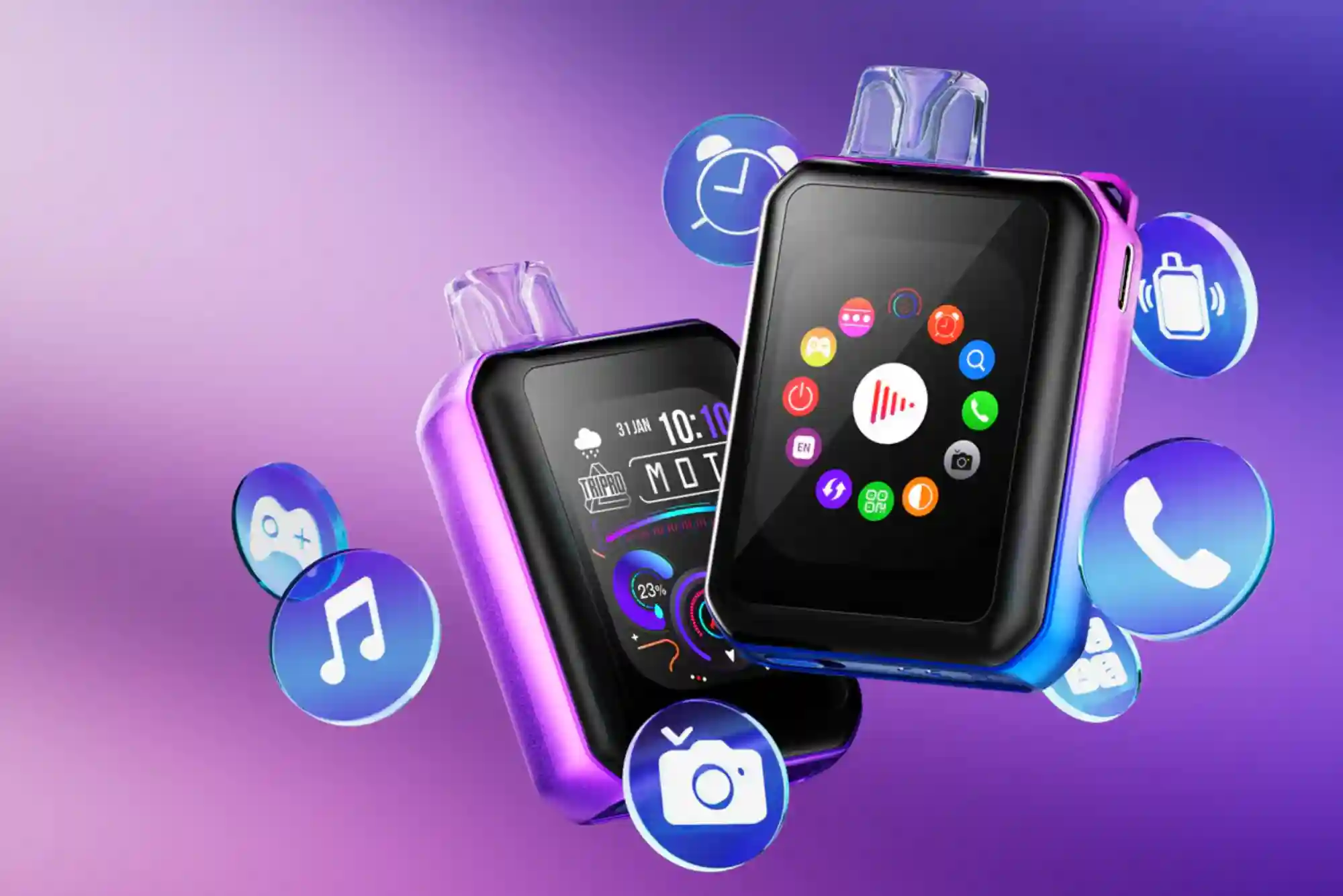
Medical cannabis is becoming increasingly focused on controlled and consistent delivery. As a result, vaporization technology is moving beyond simple heating devices. Modern smart vapes are being designed with sensors, digital controls, dosing systems, and connected features. These developments aim to make cannabis vaporization more predictable and easier to monitor.
How Smart Vapes Are Being Designed for Medical Cannabis is therefore an important topic for patients, healthcare professionals, and technology developers. The goal is not simply to create a more advanced vape. Instead, designers are exploring ways to improve consistency, temperature management, dose awareness, and user control.
Traditional vaporization can produce different results depending on temperature, inhalation technique, device design, and cannabis potency. Research and medical guidance recognize these variables as important factors affecting cannabinoid delivery.
How Smart Vapes Are Being Designed for Medical Cannabis
Smart medical cannabis vaporizers are being developed around one central idea: controlled delivery. Instead of leaving every variable to the user, intelligent hardware can help regulate important parts of the vaporization process.
Temperature is one of the most important variables. Heating conditions can influence which cannabinoids and aromatic compounds enter the vapor. Therefore, accurate temperature control can potentially make each session more consistent.
Some experimental medical devices have already demonstrated this concept. A clinical research device called the CannaHaler used pre-weighed cannabis doses and automated thermal control. The system was designed to deliver measured amounts through individual inhalations.

This approach shows where smart vaporization technology could develop. Future systems may combine precise heating with software that records usage and helps patients follow a clinician-directed regimen.
Why Temperature Control Matters
Temperature is not simply a comfort setting. It can influence the chemical composition and quantity of vapor produced.
Research has found that vaporizer temperature, inhalation duration, cannabis quantity, and device characteristics can all affect cannabinoid delivery.
This explains why smart devices are increasingly focused on accurate thermal management. A device that maintains a stable temperature can potentially reduce some of the variation associated with uncontrolled heating.
Smart systems may use temperature sensors to monitor the heating chamber continuously. The processor can then adjust power according to the selected setting.
This is different from relying only on battery voltage. Research comparing temperature-controlled and voltage-controlled cannabis vaporization systems found substantial differences in actual heating temperatures. Voltage alone was found to be a poor indicator of coil temperature.
For medical applications, that distinction matters. Consistency becomes especially important when vaporization is part of a clinician-guided treatment approach.
Smarter Dose Management
One of the biggest challenges in medical cannabis vaporization is dose consistency. The amount placed into a vaporizer does not necessarily equal the amount absorbed by the body.
Inhalation depth, puff duration, temperature, device design, and cannabis potency can all influence the delivered dose. Recent clinical guidance therefore emphasizes that exact inhaled dosing can be difficult to calculate.
Smart vapes can address part of this challenge through controlled dosing features.
A medical-focused device could use pre-measured cartridges or measured plant material. It could also restrict the amount delivered during one inhalation. These features can make administration more repeatable.
The CannaHaler research device provides an early example. It used pre-weighed doses and thermal controls to support more precise administration. The device was designed around individual inhalation doses rather than unrestricted consumption.
This type of technology could become particularly valuable where treatment plans require careful titration.
However, smart hardware cannot completely eliminate biological variation. Patients can respond differently to the same cannabinoid dose. Therefore, technology should support clinical guidance rather than replace it.
Tracking Cannabis Use With Smart Technology
Another major development involves usage tracking. Connected devices can potentially record information such as session time, inhalation frequency, temperature settings, and estimated consumption.
This data could help users understand their own patterns. It could also provide useful information during consultations with qualified healthcare professionals.
For example, a patient might notice that certain settings are associated with unwanted effects. Recorded information could make those observations easier to discuss during follow-up appointments.
However, tracking features must be designed carefully. Medical information is sensitive, so privacy and data security should be major considerations.
A responsible smart vape should clearly explain what information it collects. Users should also understand whether data remains on the device or is transferred to an application or online service.
Personalized Vaporization Settings
Personalization is another area where smart vapes could develop significantly.
Medical cannabis does not affect every person in exactly the same way. Different cannabis preparations also contain different cannabinoid profiles. Consequently, a single device setting may not be appropriate for every situation.
Smart hardware could allow users to save clinician-approved settings. These might include temperature limits, session duration, inhalation limits, or reminders.
The purpose would be controlled personalization rather than unlimited adjustment.
This distinction is important. Giving users dozens of technical settings does not automatically create a better medical device. A well-designed system should make appropriate settings easier to follow.
Medical cannabis guidance also emphasizes starting with low doses and adjusting gradually when appropriate. Exact recommendations depend on the patient, product, and clinical circumstances.
Smart Sensors and Automatic Heating
Sensors are likely to become a central component of future medical cannabis vaporizers.
A smart vape can potentially monitor the temperature of its heating system while detecting changes during inhalation. It may then adjust power automatically to maintain a target range.
This approach can improve consistency compared with simple devices that provide only a fixed electrical output.
Sensors could also monitor battery performance and detect abnormal heating conditions. Automatic shutoff functions may provide an additional layer of protection when a device reaches an unsafe operating condition.
For medical applications, these features should be combined with robust hardware testing. A device needs more than an attractive interface to be considered suitable for therapeutic use.
Improving the User Experience
Medical devices can sometimes feel complicated. Smart vape designers are therefore exploring simpler interfaces that provide useful information without overwhelming users.
A screen or connected application might show the selected temperature, battery level, remaining dose, or session information. Clear alerts could also remind users about charging, cleaning, or replacing components.
Good design should prioritize clarity. Patients should not need technical knowledge to operate a medical vaporizer correctly.
This is particularly important for users who may have limited experience with vaporization technology. A straightforward interface can reduce confusion and support more consistent use.
For people researching different vaporization methods, a detailed medical cannabis vaporization guide can also provide useful background on how vaporization works and what factors can influence the experience.
Safer Heating Technologies
Safety is another major reason designers are investigating better heating systems.
Excessive temperatures can increase the possibility of thermal degradation. Research on cannabis extract vaporization has shown that voltage-controlled systems can produce higher and more variable coil temperatures than temperature-controlled systems.
Smart temperature regulation may help reduce unnecessary temperature fluctuations.
Instead of simply increasing power when the user inhales, a sophisticated device can respond to changing conditions. It can maintain the selected operating range more accurately.
This approach could potentially make the vaporization process more predictable. Nevertheless, vaporization is not risk-free, and device technology does not eliminate all potential health concerns.
Smart Cartridges and Product Authentication
Future medical cannabis systems may also combine intelligent batteries with smart cartridges.
A cartridge could contain information about its formulation, batch, potency, or expiration date. The device might read this information before allowing operation.
Such systems could help reduce confusion between different formulations. They could also support product traceability.
Authentication features may become particularly useful in regulated medical cannabis markets. A connected device could potentially identify approved cartridges and reject incompatible products.
However, these functions would depend heavily on local regulations and the specific medical device framework.
Apps and Remote Monitoring
Connected applications could eventually become one of the most important parts of smart cannabis vaporization.
An app might record treatment sessions and display usage trends. With appropriate consent and regulatory safeguards, information could potentially be shared with healthcare professionals.
This could make follow-up discussions more data-driven.
For example, a clinician could review how frequently a patient uses a device and compare that information with reported outcomes or side effects.
Still, this technology should not encourage self-diagnosis. Usage data is only one part of clinical assessment.
Privacy should also remain a priority. Health-related data requires strong security controls and transparent consent practices.
Why Smart Vapes Are Different From Traditional Devices
Traditional vaporizers mainly focus on heating cannabis. Smart medical systems take a broader approach.
They can combine controlled heating, dose management, sensors, usage tracking, and software. Together, these technologies aim to reduce unnecessary variation.
The difference is similar to the evolution of ordinary equipment into connected medical technology. The hardware still performs the basic function, but sensors and software provide greater control.
However, smarter does not automatically mean medically approved. Regulatory approval, clinical evidence, manufacturing standards, and product testing remain essential.
Consumers should therefore avoid assuming that every connected cannabis vaporizer is designed or approved for medical treatment.
What the Future Could Look Like
The future of medical cannabis vaporization may involve increasingly integrated devices.
A smart vape could potentially recognize a cartridge, apply an approved temperature range, control individual doses, and record treatment information. It might also provide safety alerts and maintenance reminders.
Artificial intelligence could eventually help identify patterns in usage data. However, such systems should remain supportive tools rather than replacements for medical professionals.
The strongest developments will likely focus on measurable improvements. Better dose consistency, reliable temperature control, improved usability, and transparent data handling are more valuable than unnecessary technological features.
Clinical evidence will also determine which innovations become widely accepted.
Smart Vapes with Rechargeable Ecosystems offer a practical approach to modern vaping by combining reusable batteries with advanced features. These devices can reduce waste, provide consistent performance, and support convenient charging. With durable designs and smarter technology, rechargeable vape ecosystems are becoming an appealing choice for users seeking greater control and long-term convenience.
Frequently Asked Questions
How does a medical cannabis vaporizer work?
A medical cannabis vaporizer heats cannabis or a cannabis formulation without intentionally burning it. The resulting vapor is then inhaled. Temperature and device design can influence cannabinoid delivery.
Is vaping medical cannabis safer than smoking it?
Vaporization avoids combustion, but it is not risk-free. The safety profile depends on the device, product, temperature, and individual circumstances. Medical cannabis should be used according to applicable medical guidance.
What temperature is best for medical cannabis vaporization?
There is no universal temperature that works for every patient or product. Clinical literature commonly discusses lower controlled ranges, while emphasizing that individual treatment should be guided by appropriate medical advice.
Can a smart vape measure cannabis doses?
Some specialized research devices have been designed around pre-measured cannabis doses. Commercial smart devices may offer different levels of tracking or dose estimation. Exact delivered doses can still vary between users and products.
Can medical cannabis vaporizers track usage?
Connected devices can potentially record information such as sessions, temperatures, and inhalation patterns. However, available features vary considerably between products.
Do smart vapes replace medical advice?
No. Smart technology can support consistency and monitoring, but it cannot replace professional medical assessment. Treatment decisions should be based on individual clinical circumstances.
Conclusion
The development of smart vaporization technology is changing how researchers think about medical cannabis delivery. How Smart Vapes Are Being Designed for Medical Cannabis is ultimately about control, consistency, and informed use.
Discover useful insights, practical guides, and engaging content across a wide range of topics. Our blog is designed to provide readers with helpful information, fresh ideas, and easy-to-understand resources. Visit Vaporwhirl.com to explore more articles, discover new perspectives, and stay updated with informative content tailored to modern readers.
Related Reading: Why Custom Firmware in Smart Vapes Is Gaining Popularity
Related Reading: How Smart Vapes Are Being Designed for Medical Cannabis Users
Related Reading: Smart Vapes with AI Feedback Loops: Explained