Introduction
Smart vaping technology is changing how people interact with modern vape devices. Unlike basic disposable products, connected devices can combine rechargeable batteries, digital controls, sensors, and reusable components. Smart Vapes with Rechargeable Ecosystems focus on creating a more connected and potentially less wasteful device experience.
The idea goes beyond simply adding a USB-C charging port. A rechargeable ecosystem can include replaceable components, charging accessories, software features, battery monitoring, and responsible disposal options. As technology develops, these systems are becoming more interesting from both a consumer technology and sustainability perspective.
What Are Smart Vapes with Rechargeable Ecosystems?
Smart Vapes with Rechargeable Ecosystems are electronic vaping devices designed around rechargeable hardware and supporting components. Instead of treating the device as something that is discarded after limited use, the ecosystem approach emphasizes continued use of the main hardware.
Rechargeable batteries provide the foundation of this model. Users can recharge the device when its battery becomes depleted rather than replacing the entire electronic unit. Depending on the product design, other components may also be replaceable.
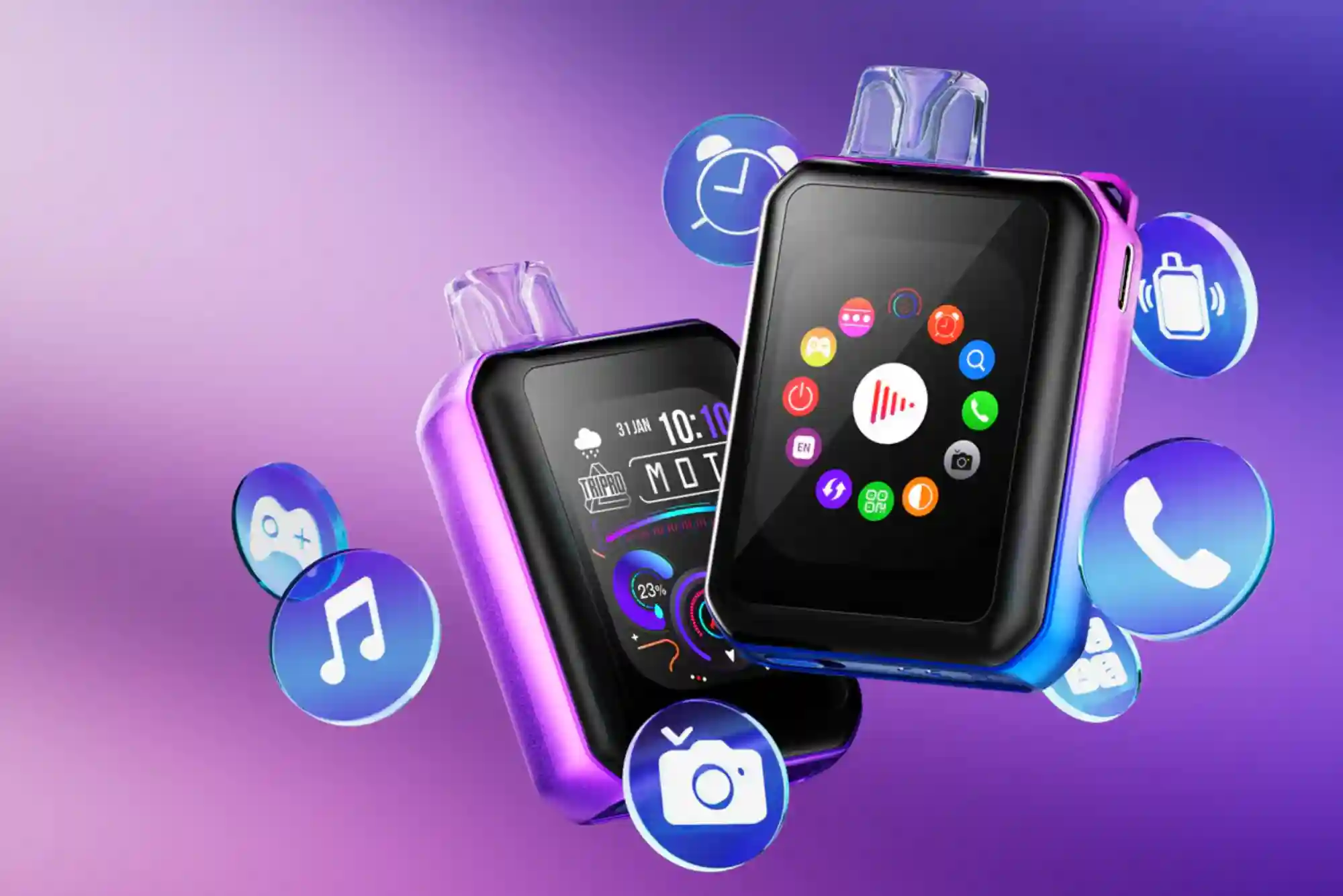
Modern smart devices can also include sensors, displays, charging indicators, and electronic controls. These features can provide information about battery status, device operation, and usage patterns.
However, smart technology does not automatically make a vaping product environmentally friendly. Battery production, electronic components, cartridges, packaging, and eventual disposal still create environmental considerations.

How Rechargeable Ecosystems Work
A rechargeable ecosystem generally combines several parts that work together. The central device contains the battery and electronic controls. Charging hardware supplies power, while compatible replaceable components allow the main unit to remain in use.
This approach can reduce the need to discard the complete electronic device whenever its battery is depleted. It can also make maintenance more practical when manufacturers provide compatible replacement components.
Some advanced products use intelligent battery management systems. These systems can monitor charging conditions and help manage battery performance. Such technology is common across many rechargeable electronics.
The ecosystem concept can therefore be understood as a complete product cycle. It starts with the device and continues through charging, component replacement, maintenance, and eventual recycling or disposal.
Why Rechargeability Matters
Rechargeability is one of the most important characteristics of modern electronic products. Batteries are valuable components because they require materials, manufacturing energy, and specialized processing.
A rechargeable design can keep the primary electronic hardware in use for longer. That can be useful when the device remains functional and compatible with replacement parts.
The same principle applies across consumer electronics. Phones, headphones, laptops, and other products increasingly depend on rechargeable systems. The wider movement toward reusable electronics and charging ecosystems demonstrates how product longevity can become part of modern technology design.
For vaping products, responsible design still depends on more than rechargeability. Manufacturers must also consider battery durability, component availability, packaging, and end-of-life recycling.
Smart Features in Rechargeable Vape Devices
Smart features can make rechargeable devices more sophisticated than conventional electronic products. Depending on the model, digital technology may monitor battery conditions and provide information through an integrated interface.
Battery Monitoring
Battery monitoring helps users understand when charging is needed. Some devices use indicators to communicate remaining battery capacity.
More advanced battery management can help regulate charging and operating conditions. Users should still follow the manufacturer’s charging instructions and safety recommendations.
Usage Information
Certain connected devices can record information about device activity. Depending on the design, this may include puff counts or other usage statistics.
Such information can help users understand their device habits. However, users should not interpret electronic measurements as precise medical or nicotine-dose measurements unless the manufacturer provides validated evidence.
Charging Technology
USB-C charging has become common across many rechargeable electronics. A standardized charging connection can make charging more convenient.
The charger and cable should always be compatible with the manufacturer’s specifications. Using unsuitable charging equipment can create unnecessary battery risks.
Advantages of a Rechargeable Ecosystem
The main advantage is continued use of the central electronic device. Instead of discarding the complete unit when the battery runs out, a rechargeable model can potentially remain functional for a longer period.
Another advantage is convenience. Users can recharge a compatible device instead of repeatedly purchasing a completely new electronic unit.
Rechargeable systems can also encourage better awareness of battery management. Indicators and digital controls provide useful information that basic disposable designs may not offer.
From an environmental perspective, longer product use can potentially reduce the number of complete electronic devices entering waste streams. The actual environmental benefit depends on product lifespan, manufacturing practices, replacement components, and recycling systems.
Sustainability and Electronic Waste
Electronic waste is an important consideration for rechargeable technology. Batteries and electronic components should not simply be placed in ordinary household waste where local regulations prohibit it.
Responsible disposal is particularly important because batteries contain materials that require appropriate handling. Recycling programs can recover useful materials and reduce the environmental impact of discarded electronics.
Manufacturers also have an important role. Designing devices for longer use, offering replacement parts, reducing unnecessary packaging, and providing clear disposal instructions can support a more responsible product lifecycle.
Consumers can contribute by keeping rechargeable devices in good condition and following local electronic-waste guidance.
Rechargeable Versus Disposable Designs
The difference between rechargeable and disposable products is primarily related to product lifespan and construction.
Disposable devices are designed for limited use before the complete product is discarded. Rechargeable devices are designed to receive power repeatedly, although their batteries and other components eventually wear out.
An ecosystem approach goes further by considering what happens after the initial purchase. Replacement parts, charging equipment, maintenance support, and recycling can all influence the overall lifecycle.
This does not mean every rechargeable product is automatically more sustainable. A poorly designed rechargeable device with a short lifespan may still create considerable waste. Longevity and responsible manufacturing remain essential.
Maintaining Rechargeable Smart Devices
Proper maintenance can help preserve electronic hardware. Users should keep charging ports clean and protect devices from excessive moisture, extreme temperatures, and physical damage.
Battery care is especially important. Users should follow the manufacturer’s instructions for charging and storage. Damaged, swollen, leaking, or unusually hot batteries should not be used.
Replacement components should also be compatible with the specific device. Improvised modifications can create electrical or mechanical hazards.
Regular care can extend the useful life of many rechargeable electronics. However, batteries naturally degrade over time, so no rechargeable system can maintain its original performance indefinitely.
Privacy and Connected Features
Smart technology can introduce another consideration: data privacy.
Devices that connect to mobile applications or other digital platforms may collect information about usage or device performance. The exact information depends on the manufacturer and software.
Users should review privacy policies before connecting a smart device to an application. It is also sensible to understand what information is collected and whether it is stored locally or remotely.
Connected features should provide meaningful value without requiring unnecessary data collection. Transparency is increasingly important as consumer electronics become more intelligent.
Safety Considerations
Rechargeable batteries require responsible handling. Users should never ignore manufacturer warnings or use visibly damaged devices.
Charging should take place according to the manufacturer’s instructions. Devices should not be exposed to excessive heat or left in environments where battery damage could occur.
It is also important to distinguish smart technology from safety certification. A device having sensors or an app does not guarantee that it is safer than another product.
Consumers should consider product quality, manufacturer instructions, battery design, and applicable safety standards before purchasing any rechargeable electronic device.
The Future of Smart Vaping Technology
The future of rechargeable vape technology may focus increasingly on product longevity and smarter electronics. Better battery management, improved charging systems, and more durable components could influence future designs.
Manufacturers may also explore modular construction. In a modular system, individual components could potentially be replaced without discarding the complete device.
Another potential development is improved recycling infrastructure. Collection programs and clearer disposal instructions could make it easier to handle used batteries and electronic components responsibly.
However, technological progress should remain balanced with safety, privacy, and environmental responsibility. Smart features are valuable only when they solve real problems.
Smart vapes are becoming more advanced, with sensors and connected features designed to monitor usage patterns. Some devices may explore data linked to stress or mood, but they cannot reliably detect emotions directly. Understanding these features can help users see how smart technology is shaping modern vaping experiences.
Frequently Asked Questions
What is a rechargeable vape ecosystem?
A rechargeable vape ecosystem is a product system centered around a rechargeable electronic device and its compatible charging and replacement components. It can include batteries, chargers, replaceable parts, and digital features.
Are rechargeable vapes better than disposable vapes?
Rechargeable devices can reduce the need to discard the complete electronic product after limited use. Their environmental advantage depends on durability, battery lifespan, manufacturing, component replacement, and proper recycling.
How long does a rechargeable vape battery last?
Battery lifespan varies by device, battery chemistry, charging habits, and usage. Rechargeable batteries gradually lose capacity over repeated charging cycles.
Can rechargeable vape batteries be recycled?
Many batteries can be recycled through appropriate battery or electronic-waste collection programs. Users should follow local disposal requirements and the manufacturer’s guidance.
Are smart vape devices safe to charge overnight?
Users should follow the specific manufacturer’s charging instructions. Avoid assuming that every rechargeable device is designed for unattended overnight charging.
Conclusion
Smart Vapes with Rechargeable Ecosystems represent a broader shift toward rechargeable, connected, and potentially longer-lasting electronic products. Their value comes from combining reusable hardware with charging technology, replacement components, digital monitoring, and responsible lifecycle management.
Discover useful insights, practical guides, and engaging content across a wide range of topics. Our blog is designed to provide readers with helpful information, fresh ideas, and easy-to-understand resources. Visit Vaporwhirl.com to explore more articles, discover new perspectives, and stay updated with informative content tailored to modern readers.
Related Reading: Smart Vapes with Rechargeable Ecosystems: Pros and Cons