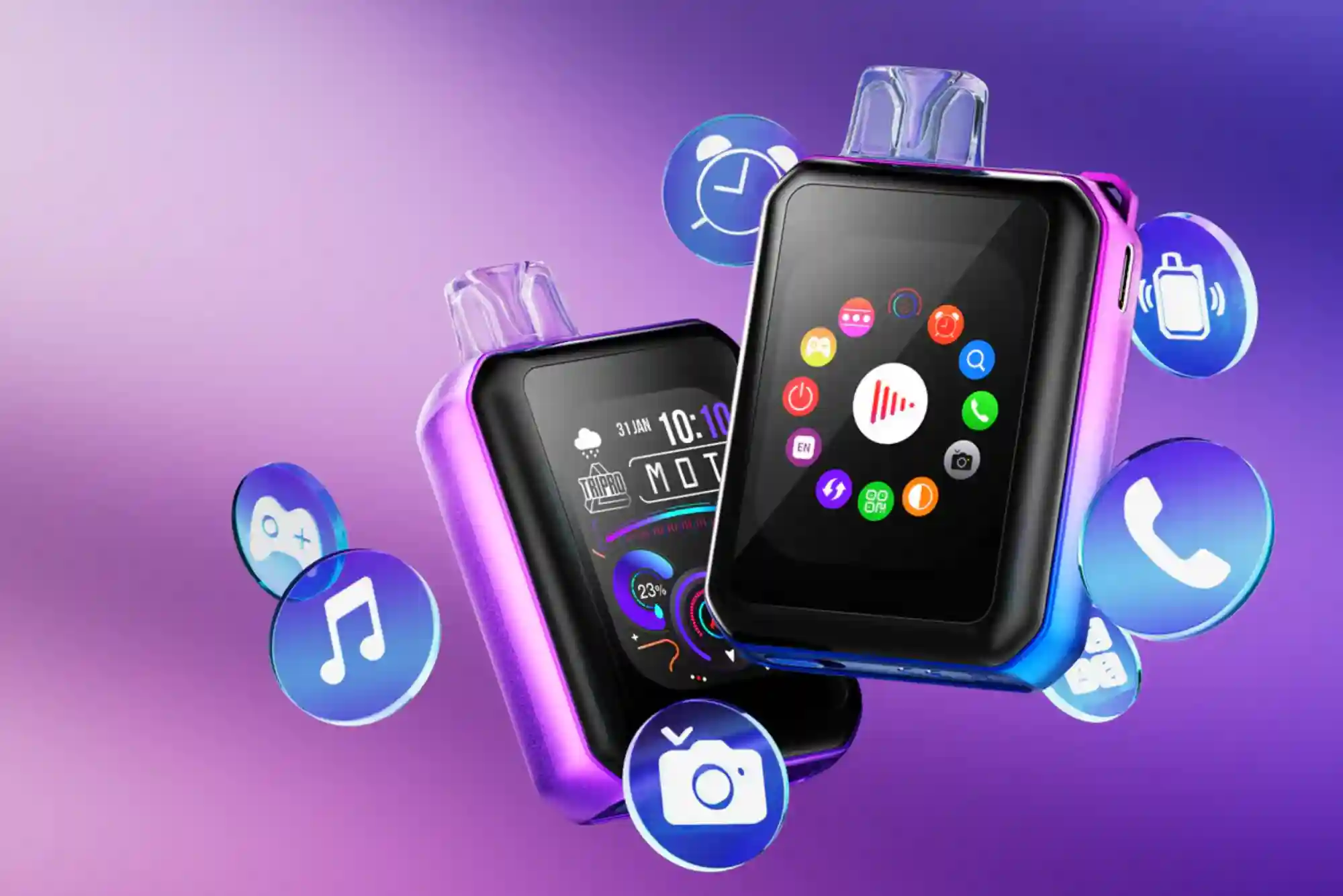
Building Your Own Smart Vape with Open Source Firmware
Building Your Own Smart Vape with Open Source Firmware is an interesting software engineering concept for developers exploring embedded systems, connected devices, and open-source technology. However, vaping devices involve batteries, heating elements, and inhaled substances. Therefore, responsible development should focus on software principles rather than instructions for assembling or modifying a functional vape.
Open-source firmware can make embedded technology easier to understand. Developers can inspect source code, study system behavior, improve security, and create controlled prototypes. The same principles apply to many small connected devices, including sensors, wearable electronics, and laboratory hardware.
The most important part is separating software experimentation from unsafe hardware modification. A developer can study firmware architecture without creating a device intended for inhalation. This approach provides valuable technical experience while reducing unnecessary risks.
What Does Open-Source Firmware Mean?
Open-source firmware is software whose source code is available for inspection, modification, and redistribution under its applicable license. It controls how embedded hardware behaves after receiving instructions.
For someone researching open-source firmware explained concepts, the key idea is transparency. Instead of treating device software as a black box, developers can examine how different functions communicate.
Firmware commonly handles sensors, user inputs, displays, connectivity, power states, and data processing. In a smart-device concept, firmware can also manage logging and communication with companion applications.

However, open firmware does not automatically make hardware safe. Safety depends on the complete system, including electronics, battery management, thermal behavior, hardware protections, and operating conditions.
Why Developers Explore Smart Device Firmware
The appeal of Building Your Own Smart Vape with Open Source Firmware often comes from the software challenge rather than the vaping function itself.
Embedded systems provide practical lessons in resource management. They also require developers to think about timing, reliability, security, and fault handling.
An experimental smart-device firmware project can demonstrate how a microcontroller communicates with sensors. It can also show how software responds to events and changes between operating states.
These skills transfer to many legitimate applications. Developers can apply the same knowledge to environmental monitors, wearable devices, robotics projects, or other non-inhalation prototypes.
Understanding the Firmware Architecture
A useful smart-device firmware architecture separates responsibilities into clear software layers. This makes the project easier to understand and maintain.
The hardware abstraction layer communicates with approved development hardware. Above it, sensor and input services process information. The application layer then decides how the device should respond.
A communication layer can handle Bluetooth or another supported protocol in an appropriate test environment. A logging component can record events for debugging.
A simplified conceptual architecture can look like this:
| Firmware Layer | Primary Purpose | Development Focus |
|---|---|---|
| Hardware abstraction | Communicate with electronics | Portability |
| Sensor services | Process measurements | Accuracy |
| Input services | Handle user interaction | Reliability |
| Application logic | Coordinate device behavior | State management |
| Connectivity | Exchange approved data | Security |
| Logging | Record system events | Debugging |
| Safety monitoring | Detect abnormal states | Fail-safe behavior |
This structure helps developers understand complex embedded software without requiring instructions for constructing a functional vaping device.
Designing a State Machine
State machines are especially useful in embedded firmware. They define how software behaves under different conditions.
A conceptual smart-device project might have states such as startup, idle, monitoring, communication, fault, and shutdown. Each state has defined conditions for entering and leaving it.
For example, a fault state should take priority over normal application behavior. If software detects an unexpected condition, it should move toward a safe state rather than continuing normal operation.
This principle is important across embedded engineering. Software should assume that unexpected events can happen.
A well-designed state machine also prevents contradictory commands. It creates predictable behavior and makes testing easier.
Safety Should Be Designed Into the Software
Safety cannot be added as an afterthought. It should influence the architecture from the beginning.
Developers working with embedded devices should consider watchdog behavior, fault detection, unexpected sensor readings, communication failures, and corrupted data.
Software should also avoid assuming that a sensor reading is always correct. A faulty reading can cause incorrect decisions if it is accepted without validation.
For a research prototype, the safest approach is to use simulated inputs or development hardware that does not produce aerosol or involve inhalation. This allows developers to test application logic without exposing users to additional hazards.
Battery and Thermal Concerns
Battery-powered devices require careful engineering. Lithium-ion batteries can present serious hazards when improperly selected, charged, protected, or operated.
For this reason, a software article should not provide wiring instructions, battery modifications, heating-control parameters, or methods for bypassing manufacturer protections.
Instead, developers can study battery-management concepts using purpose-built educational platforms. These platforms provide a safer environment for learning about voltage monitoring, fault states, and power management.
Thermal monitoring is another valuable embedded-systems topic. A development project can simulate temperature readings and test how firmware responds when values move outside predefined safe conditions.
This approach provides useful engineering experience without creating a functional inhalation device.
Adding Connectivity Responsibly
Smart devices often include wireless communication. Bluetooth-based applications, for example, can display telemetry or configuration information.
Connectivity also introduces security risks. Firmware should authenticate sensitive operations and avoid exposing unnecessary device information.
Developers should consider encrypted communication, secure pairing, input validation, and protection against unauthorized commands.
An open-source project should document its security assumptions clearly. Publishing source code can improve transparency, but developers still need responsible security practices.
Privacy and Data Collection
Smart-device projects may collect information about usage patterns. Even seemingly harmless telemetry can reveal behavioral information.
Therefore, data collection should be limited to what the application genuinely needs. Developers should explain what information is stored and why it is collected.
Local storage can sometimes reduce privacy concerns. If cloud services are unnecessary, keeping experimental data on the local development system may be preferable.
Open-source projects should also avoid embedding passwords, private keys, or other secrets directly inside publicly accessible repositories.
Testing Open-Source Firmware
Testing is one of the most important stages of embedded development. Firmware should be evaluated under normal conditions and unexpected conditions.
Unit tests can verify individual functions. Integration tests can examine communication between software components. Simulation can then reproduce unusual sensor readings or communication failures.
Developers can also use static analysis tools to identify potential programming problems. Code reviews are valuable because another developer may notice assumptions that the original author missed.
For safety-related software, testing should never rely exclusively on a single scenario. Fault handling deserves as much attention as normal operation.
Documentation Matters
Good documentation is essential for open-source firmware. A repository should explain its purpose, supported development environment, software architecture, licensing, and limitations.
Developers should clearly identify experimental features. They should also explain which functions have not been validated for real-world use.
Documentation can include architecture diagrams, API descriptions, test results, and development notes. This makes the project easier for others to understand.
Clear documentation also discourages users from treating experimental software as production-ready equipment.
Common Challenges in Open Firmware Projects
One challenge is hardware dependency. Firmware written for one microcontroller may not work on another platform without significant changes.
Another challenge is timing. Embedded applications often need predictable responses. Poorly designed code can introduce delays or unexpected behavior.
Memory management can also become difficult on resource-constrained hardware. Developers must consider processor capacity, storage, and communication requirements.
Finally, open-source projects need maintenance. Dependencies can become outdated, security vulnerabilities can emerge, and hardware platforms can change.
How to Approach a Safe Experimental Project
A responsible approach begins with a simulation or non-functional prototype. Developers can create software that imitates sensors and device states.
The next stage can involve a development board designed for general embedded experimentation. Inputs can be simulated rather than connected to a heating or inhalation system.
From there, developers can test state machines, logging, connectivity, and error handling. This produces many of the same software-learning benefits without requiring a functional vape.
The project can then be published with clear warnings about its experimental nature. This keeps the focus on software engineering rather than encouraging unsafe hardware modifications.
Benefits of Open-Source Development
Open-source firmware encourages collaboration. Developers can inspect existing implementations and learn from different architectural approaches.
It can also improve transparency. Bugs may be identified faster when multiple developers review the same code.
Another advantage is education. Students can learn embedded programming by examining real projects and experimenting with simulations.
However, openness does not remove responsibility. Developers should understand the risks associated with the hardware their software may control.
vaporwhirl.com is a platform focused on vaping information, products, trends, and helpful resources. It can help readers explore different vape-related topics, understand product features, and stay informed about developments in the vaping industry. The site aims to provide accessible content for readers seeking practical and relevant information.
Frequently Asked Questions
What is open-source firmware?
Open-source firmware is embedded software whose source code is available under an applicable open-source license. Users can inspect and potentially modify the code within that license.
Can you build a smart vape with open-source firmware?
A developer can study the software architecture behind smart-device concepts. However, building or modifying a functional vaping device introduces battery, heating, electrical, and inhalation risks.
A safer alternative is creating a simulated or non-functional prototype. This allows developers to explore firmware without operating an inhalation system.
What programming language is commonly used for firmware?
C and C++ are widely used in embedded development because they provide low-level hardware control and efficient resource usage. Rust is also gaining interest for safety-focused embedded programming.
The best language depends on the microcontroller, development framework, available libraries, and project requirements.
Is open-source firmware safer than proprietary firmware?
Not necessarily. Open-source code provides transparency and allows independent review. However, safety depends on the complete hardware and software system.
A poorly written open-source project can still contain serious defects. Likewise, proprietary firmware may include extensive engineering and testing.
What should beginners learn before working with embedded firmware?
Beginners should understand basic programming, microcontrollers, digital electronics, debugging, and version control. They should also learn about secure coding and fault handling.
Starting with a simple sensor project is generally more appropriate than experimenting with devices involving batteries and heating elements.
Why is firmware testing important?
Firmware controls physical hardware. A software error can therefore cause unexpected hardware behavior.
Testing helps developers identify logic errors, communication problems, invalid inputs, and fault-handling weaknesses before software is used in real applications.
Conclusion
Building Your Own Smart Vape with Open Source Firmware can be viewed as an embedded-software learning exercise, but responsible development requires clear boundaries. A functional vaping device combines software with batteries, heating systems, electronics, and inhaled substances.
For that reason, the safest development path is simulation or non-functional hardware. Developers can still explore state machines, sensor processing, connectivity, security, logging, privacy, and testing.
Open-source firmware offers an excellent way to learn how embedded systems work. With careful documentation and responsible testing, the same skills can support safer projects across robotics, wearables, automation, and IoT development.
If you are exploring this technology, start with a non-functional prototype and concentrate on firmware architecture, simulation, and security. That approach provides meaningful technical experience without unnecessarily introducing the hazards associated with operating a vaping device.
Related Reading: Smart Vape Auto-Cleaning Tech — full guide
Related Reading: Why VaporWhirl Leads in Smart Vape Innovation in 2025