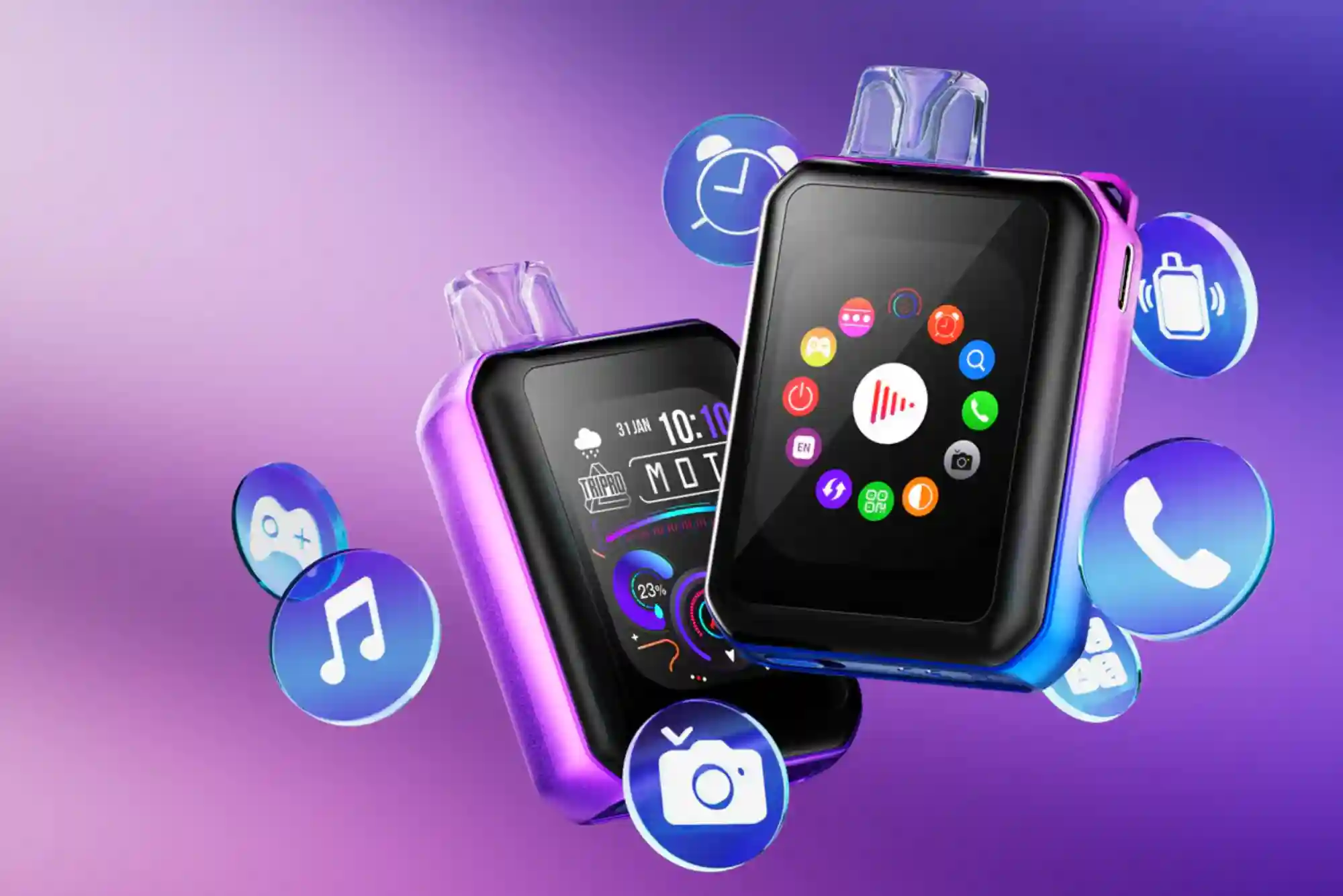
Introduction
Smart technology has changed the way many consumer devices are developed. Vape devices are no exception. Modern products often include digital controls, sensors, adjustable settings, and compact components. However, technology alone does not create a comfortable product. Designers must also consider how a device feels in the user’s hand.
Understanding How Smart Vape Devices Are Designed with Ergonomics in Mind helps explain why modern devices often look and feel different from earlier models. Ergonomics focuses on comfort, usability, physical interaction, and reducing unnecessary effort.
A well-designed device should feel natural during normal handling. Its controls should be easy to reach. Its weight should feel balanced. Additionally, its shape should support comfortable holding and carrying.
The goal is not simply to make a device smaller. Instead, designers must balance technology, battery capacity, durability, safety features, and physical comfort. This balance is a major part of modern product development.
How Smart Vape Devices Are Designed with Ergonomics in Mind for Everyday Comfort
Ergonomic design begins with understanding how people physically interact with a product. Designers study grip patterns, hand movement, button placement, and device orientation.
A device may contain advanced technology. Yet, poor physical design can still make it frustrating to use.

When exploring How Smart Vape Devices Are Designed with Ergonomics in Mind, comfort becomes one of the most important considerations. The product should fit naturally into common hand positions.
Shape Supports Natural Hand Positions
Rounded edges often feel more comfortable than sharp corners. Similarly, curved surfaces can support a more natural grip.
Designers may create compact shapes that fit comfortably into a palm or between the fingers. The goal is to reduce awkward pressure points.
However, shape must also support internal components. Batteries, sensors, chips, and other parts require space. Therefore, product designers must work within strict physical limitations.
A successful design balances internal engineering with external comfort.
Thickness Matters as Much as Height
Many people focus on overall length. However, thickness can strongly affect comfort.
A device that is too wide may feel difficult to grip. Conversely, an extremely thin design may feel less secure.
The ideal dimensions depend on the intended product style. Pocket-sized devices require different proportions from larger models.
Therefore, How Smart Vape Devices Are Designed with Ergonomics in Mind involves careful testing of dimensions rather than simply making products smaller.
Grip Design and Surface Materials
The surface of a device plays an important role in usability. Smooth materials may look attractive. However, they can sometimes reduce grip security.
Textured finishes can provide better control. Designers may also use different materials to improve how a product feels in the hand.
Texture Improves Handling
Small surface details can improve the user’s grip. These may include textured panels, raised patterns, or carefully selected finishes.
Texture should not feel uncomfortable. Instead, it should provide subtle resistance that improves handling.
This is especially important for compact devices. Smaller products can be easier to carry but harder to hold securely.
Good ergonomics addresses both concerns.
Material Selection Influences Perceived Comfort
Materials influence more than appearance. They affect weight, temperature, texture, and durability.
Metal can create a premium appearance. However, excessive weight may reduce comfort. Lightweight materials can improve portability but must remain durable.
Consequently, designers often experiment with material combinations.
The principles behind ergonomic design in consumer hardware can help designers understand how physical interaction influences usability and overall product experience.
This broader approach helps explain why usability should be considered alongside visual design.
Button Placement and Control Accessibility
Smart devices often include more functions than traditional products. Adjustable settings may require buttons, touch controls, or digital interfaces.
However, additional controls can create usability challenges.
A user should not need to change their grip dramatically to access an important control.
Controls Should Be Easy to Reach
Button placement often depends on how a device is naturally held. Designers consider where the thumb and fingers usually rest.
Frequently used controls should remain accessible. Less common functions can be placed elsewhere or accessed through menus.
This approach reduces unnecessary hand movement.
It also supports faster interaction.
Avoiding Accidental Activation
Accessibility must be balanced with protection against accidental presses.
Buttons that are too exposed may activate inside a pocket or bag. Buttons that are too recessed may become difficult to use.
Therefore, designers must find a practical middle ground.
This is another example of How Smart Vape Devices Are Designed with Ergonomics in Mind through small but important physical details.
Weight Distribution Creates a Better Feel
Total weight matters. However, weight distribution can matter just as much.
A lightweight device may still feel awkward if most of its weight sits at one end.
Balanced weight creates a more stable feeling during handling.
Internal Components Affect Balance
Smart devices contain batteries, circuit boards, sensors, and other components. Their placement affects the center of gravity.
Engineers and industrial designers must work together to create a balanced structure.
For example, placing heavy components in unsuitable positions may make a device feel unstable.
Therefore, ergonomic development requires cooperation between several design disciplines.
Compact Does Not Always Mean Comfortable
Consumers often associate smaller products with better portability. However, extreme miniaturisation can reduce usability.
Tiny controls may become difficult to operate. A very small body may also provide limited grip space.
The best design is not always the smallest design.
Instead, How Smart Vape Devices Are Designed with Ergonomics in Mind focuses on finding dimensions that support both portability and comfortable interaction.
Smart Features Must Remain Simple to Use
Technology should improve usability rather than complicate it.
Modern smart devices may offer adjustable settings, battery information, safety notifications, and automated functions. These features can be useful when presented clearly.
Poor interface design can make even advanced technology frustrating.
Clear Feedback Improves User Confidence
Users need to understand what the device is doing.
Visual indicators can communicate battery status or selected settings. Vibration and other feedback methods may also confirm interactions.
Feedback should be easy to understand.
Too many signals can confuse users. Too little information can create uncertainty.
Therefore, simplicity remains central to ergonomic design.
Reducing Cognitive Effort
Ergonomics involves more than physical comfort. It also considers mental effort.
A complicated control system can create unnecessary frustration.
Designers often aim to reduce the number of steps required for common actions. Frequently used functions should be easy to locate.
This creates a smoother experience.
In this way, How Smart Vape Devices Are Designed with Ergonomics in Mind also includes interface simplicity.
Portability and Pocket-Friendly Design
A device may feel comfortable in the hand but inconvenient to carry. Ergonomic design must consider the complete user journey.
People may carry devices in pockets, bags, or small compartments.
Therefore, protruding parts and sharp edges can create practical problems.
Smooth Profiles Improve Portability
A smooth profile can make a device easier to carry. Rounded edges may also reduce discomfort during transportation.
Designers must protect important components without creating an awkward shape.
Portability requires careful attention to both dimensions and durability.
Protecting Sensitive Components
Smart devices contain electronic parts that need protection.
A comfortable design should not compromise structural strength. Designers may reinforce vulnerable areas while keeping the overall product manageable.
This creates another important balance between comfort and engineering.
The Role of Human-Centred Testing
Product designers should not rely only on assumptions.
Human-centred testing provides valuable information about how real people interact with a product.
Different users may hold the same device differently. Hand sizes and usage habits can also vary.
Prototype Testing Identifies Problems
Early prototypes help designers identify physical issues.
Test users may reveal that a button is difficult to reach. They may find a surface too slippery or a device uncomfortable after extended handling.
These insights can guide improvements before final production.
Testing often reveals problems that are not obvious in digital design software.
Feedback Shapes Final Products
User feedback can influence dimensions, materials, controls, and interface layouts.
This iterative process is important when considering How Smart Vape Devices Are Designed with Ergonomics in Mind.
The final product often results from repeated adjustments rather than a single design decision.
Good ergonomics develops through observation, testing, and refinement.
Accessibility and Inclusive Design Considerations
Ergonomic design should consider a wide range of users.
People have different hand sizes, strength levels, and physical preferences. A design that works perfectly for one person may feel uncomfortable for another.
Inclusive design attempts to reduce unnecessary barriers.
Simple Interactions Help More Users
Clear controls can benefit many different users.
Buttons with distinct physical feedback may be easier to identify. Readable indicators can also improve usability.
Designers should avoid making interaction unnecessarily complicated.
One Design Cannot Fit Everyone Perfectly
There is no universal hand size or usage pattern.
Instead, designers often aim to create products that work reasonably well for a broad range of people.
This requires research and testing.
The study of How Smart Vape Devices Are Designed with Ergonomics in Mind shows that flexibility and usability often matter more than following a single design trend.
Balancing Style with Practicality
Appearance remains important in consumer products.
Modern devices are often designed to look sleek, minimal, and technologically advanced. However, visual design should not reduce usability.
A beautiful product that feels uncomfortable may disappoint users.
Minimalism Requires Careful Planning
Minimal designs often remove visible buttons and details.
While this can create a clean appearance, it may also make controls harder to identify.
Designers must ensure that simplicity does not become confusion.
The best minimal design still communicates how the product works.
Aesthetic Choices Should Support Use
Curves, materials, textures, and proportions should serve a practical purpose whenever possible.
A design element that improves grip can also improve appearance.
Similarly, a balanced shape can look elegant while supporting comfortable handling.
This combination is central to successful consumer hardware design.
Future Trends in Ergonomic Smart Device Design
Technology continues to influence product design.
Future smart devices may become more personalised and responsive to individual preferences.
Sensors could help systems adapt automatically. Improved materials may reduce weight while maintaining durability.
Digital interfaces may also become simpler.
However, the fundamental principles of ergonomics will remain important.
Greater Personalisation
Future products may provide more adjustable experiences.
Users may prefer different settings or interaction styles. Smart systems could simplify these adjustments.
Personalisation can improve usability when implemented carefully.
Too many choices, however, can create complexity.
Smarter Automation
Automation may reduce the need for repeated manual adjustments.
When technology handles routine tasks effectively, physical interaction can become simpler.
This could further shape How Smart Vape Devices Are Designed with Ergonomics in Mind in future product development.
The most successful innovations will likely combine advanced technology with straightforward usability.
Can Smart Vape Track Mood or Stress? explores how smart technology may help users understand patterns linked to vaping habits and daily wellbeing. Advanced sensors and connected apps could potentially monitor usage data, offering insights into routines that may relate to stress or mood. However, these devices cannot replace professional mental health assessment or medical advice.
Frequently Asked Questions
What makes a vape device ergonomic?
An ergonomic device is designed for comfortable handling and simple interaction. Shape, weight, grip, and control placement all matter.
Why is device shape important for comfort?
The shape affects how naturally a product fits into the hand. Rounded and balanced designs can reduce awkward pressure points.
How does weight affect usability?
A heavy device may cause discomfort during handling. Poor weight distribution can also make a lightweight device feel unstable.
What is human-centred design in consumer electronics?
Human-centred design focuses on real user needs and behaviours. Designers use testing and feedback to improve comfort and usability.
Do smart features improve ergonomic design?
They can. Smart features improve ergonomics when they reduce unnecessary steps and make common interactions simpler.
Why is button placement important?
Good button placement allows users to access controls without changing their grip unnecessarily. It also helps reduce accidental activation.
Conclusion
Understanding How Smart Vape Devices Are Designed with Ergonomics in Mind reveals that good design involves much more than advanced technology.
VaporWhirl is a useful online destination for readers interested in modern vaping trends, devices, accessories, and related information. The platform explores topics that help users understand product features, technology, maintenance, and responsible usage.
Related Reading: Smart Vape Auto-Cleaning Tech
Related Reading: Building Your Own Smart Vape with Open Source Firmware — full guide
Related Reading: How to Pair Smart Vape Devices with Wearables