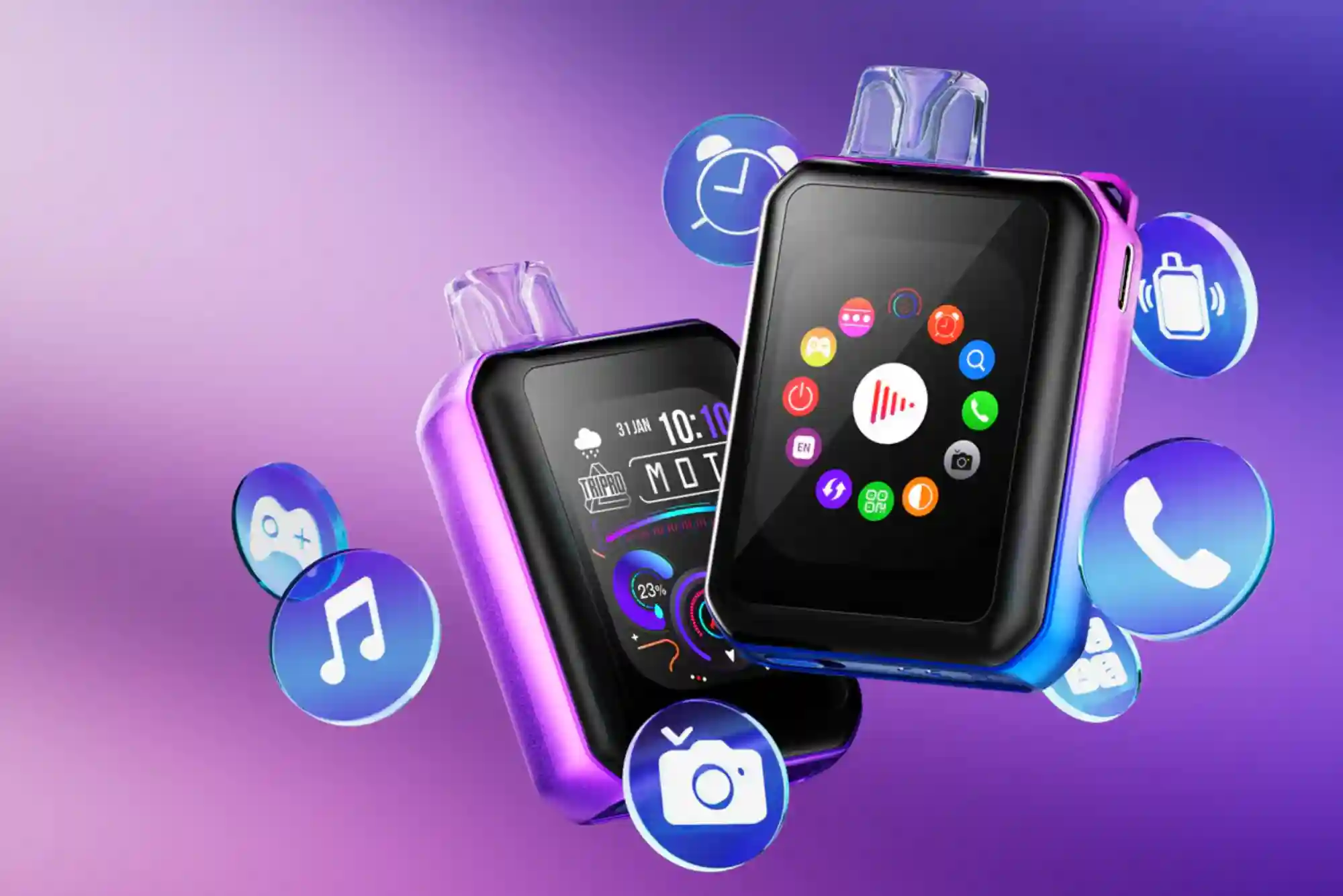
Smart Vape Auto-Cleaning Tech: How It Works
Smart Vape Auto-Cleaning Tech is an emerging concept in electronic vaping devices. It aims to reduce residue buildup inside a device. The technology may use controlled heating, airflow, sensors, or software-based cleaning cycles.
However, auto-cleaning does not mean a vape becomes maintenance-free. Components can still collect residue over time. Batteries, coils, seals, and airflow paths also require appropriate care.
Understanding this technology helps users distinguish useful engineering from marketing claims. It also explains why device maintenance remains important.
What Is Smart Vape Auto-Cleaning Tech?
Smart Vape Auto-Cleaning Tech refers to automated features designed to manage internal residue. These features can operate through programmed heating or airflow sequences.
The goal is usually to reduce buildup around heating components. Residue can affect airflow and device performance. Therefore, manufacturers may use automated processes to support cleaner operation.
The concept is similar to broader self-cleaning tech in electronics. Modern electronics increasingly use automation to reduce routine maintenance. Yet, vaping devices present unique engineering challenges.

An automated cycle cannot remove every type of contamination. It also cannot repair damaged components. Users should therefore view auto-cleaning as a maintenance aid rather than a complete solution.
How Does Smart Vape Auto-Cleaning Tech Work?
The exact mechanism depends on the device design. Different manufacturers can use different combinations of hardware and software.
A device may monitor operating conditions through sensors. Software can then determine when a cleaning cycle should occur.
Controlled heating is another possible approach. The system can temporarily alter heating behavior to address residue around the heating chamber.
Airflow management may also play a role. Automated airflow can help move loose particles or vapor residue through designated pathways.
These processes require careful engineering. Excessive heat can damage components or create additional safety concerns. Consequently, effective systems need appropriate temperature and power controls.
Why Residue Management Matters
Residue can develop when materials are repeatedly exposed to heat and aerosol. The amount depends on several factors, including device construction and usage conditions.
Over time, residue may influence airflow. It can also affect the consistency of a heating element.
For manufacturers, this creates an engineering challenge. They must balance performance, durability, temperature control, and maintenance requirements.
Smart Vape Auto-Cleaning Tech attempts to address part of this challenge. It may reduce the frequency of certain routine cleaning tasks.
Nevertheless, residue management should not be confused with hygiene. An automated cycle cannot guarantee that every internal surface is clean.
Key Components Behind Auto-Cleaning Systems
Smart cleaning features typically depend on several electronic and mechanical components working together.
Sensors and Monitoring
Sensors can monitor temperature and other operating conditions. More advanced systems may use this information to control automated processes.
Accurate monitoring is important because heating must remain within intended operating parameters.
Heating Components
The heating element is central to most automated cleaning concepts. A controlled process may use different heating behavior than normal operation.
The design must prevent excessive temperatures. It should also avoid unnecessary stress on the heating component.
Firmware and Control Systems
Software determines how automated cycles operate. Firmware can control timing, temperature, power, and other device functions.
This creates opportunities for smarter maintenance features. It also introduces another dependency: software must be correctly designed and maintained.
Airflow Architecture
Airflow pathways influence how effectively residue can be managed. Poorly designed pathways can make automated cleaning less effective.
Therefore, auto-cleaning performance depends on the complete device architecture.
Potential Benefits of Smart Vape Auto-Cleaning Tech
The biggest potential benefit is convenience. Users may not need to perform certain cleaning tasks as frequently.
Automated cleaning can also support more consistent device operation. Reducing residue may help maintain airflow and heating behavior.
Another potential advantage is easier maintenance for new users. Complex maintenance routines can discourage people from caring for electronic devices properly.
Automation may simplify that process.
However, these benefits depend heavily on implementation. A poorly designed system may provide little practical improvement.
Auto-Cleaning Does Not Mean Maintenance-Free
This distinction is essential when evaluating Smart Vape Auto-Cleaning Tech.
An automated cycle may address some residue. It cannot necessarily remove buildup from every component.
External surfaces still need appropriate cleaning. Mouthpieces and removable parts may also require separate attention.
Likewise, damaged components cannot be restored through software. A worn battery or defective heating element requires proper replacement or professional attention.
Users should therefore follow the manufacturer’s instructions. They should avoid modifying the device to create unofficial cleaning cycles.
Smart Vape Devices for Travelers: Best Picks of the Year focuses on compact, convenient devices designed for people who value portability while traveling. Features such as USB-C charging, leak-resistant designs, adjustable settings, and long-lasting batteries can make travel easier. Always check airline and destination rules before carrying or using vaping devices.
Smart Cleaning Compared With Traditional Maintenance
Traditional maintenance relies primarily on manual cleaning. Users inspect the device and clean accessible components according to manufacturer instructions.
Automated maintenance shifts some responsibility toward electronics and software.
| Feature | Traditional Maintenance | Smart Auto-Cleaning |
|---|---|---|
| Main approach | Manual cleaning | Automated process |
| User involvement | Higher | Lower for supported tasks |
| Residue management | Direct cleaning | Controlled automated cycle |
| Sensors | Usually limited | May be integrated |
| Software dependency | Low | Higher |
| Complete maintenance replacement | No | No |
| Manufacturer guidance | Important | Essential |
The table shows why automation should be viewed as an additional feature. It does not eliminate every maintenance requirement.
Safety Considerations
Safety should remain more important than convenience.
Heating systems involve electrical power and elevated temperatures. Incorrect modifications can create serious risks.
Users should never bypass built-in safety controls. They should also avoid using damaged devices or batteries.
A device showing unusual heating, swelling, leakage, burning smells, or electrical problems should not be treated with an automated cleaning cycle.
Instead, discontinue use and follow the manufacturer’s safety guidance.
Cleaning materials also matter. Users should not introduce liquids or chemicals into sealed electronic components unless the manufacturer explicitly permits them.
How Manufacturers Can Improve Auto-Cleaning Technology
Future development will likely focus on smarter sensing and better automation.
More precise sensors could help devices identify changing operating conditions. Software could potentially adjust maintenance cycles according to measured conditions.
Manufacturers may also improve heating control. Better thermal management could reduce unnecessary stress on internal components.
Another opportunity involves clearer maintenance notifications. Devices could alert users when manual maintenance remains necessary.
These improvements would make Smart Vape Auto-Cleaning Tech more useful without presenting it as a complete cleaning solution.
Common Limitations of Smart Vape Auto-Cleaning Tech
No technology is perfect. Auto-cleaning systems have practical limitations.
First, internal designs vary significantly. A cleaning process suitable for one device may not work for another.
Second, automated heating can place additional demands on components. Engineers must balance cleaning effectiveness with component longevity.
Third, users may misunderstand the feature. Marketing language can sometimes make automated maintenance sound more comprehensive than it actually is.
Finally, automation cannot replace inspection. Physical damage, leaks, and worn components require attention beyond automated software routines.
What Should Users Look For?
When evaluating a device with Smart Vape Auto-Cleaning Tech, users should focus on documented functionality.
Manufacturers should clearly explain what the cleaning feature does. They should also specify which components remain subject to manual maintenance.
Clear safety instructions are equally important. Users should understand when the cleaning function should not be used.
Independent technical information can also help. Look for specific explanations rather than vague claims about “advanced” or “intelligent” cleaning.
A transparent product description is generally more useful than broad marketing language.
The Future of Smart Vape Auto-Cleaning Tech
Automation is becoming increasingly common across consumer electronics. Devices now use sensors and software to manage many routine functions.
Vaping hardware could follow a similar engineering direction. Future systems may combine temperature monitoring, sensor feedback, and maintenance alerts.
However, innovation should not focus only on convenience. Reliability and safety must remain central design priorities.
Smart features are valuable when they solve genuine problems. They become less useful when they simply add complexity without meaningful benefits.
For that reason, the future of Smart Vape Auto-Cleaning Tech will depend on practical engineering rather than promotional terminology.
Frequently Asked Questions
What is Smart Vape Auto-Cleaning Tech?
Smart Vape Auto-Cleaning Tech describes automated device features designed to manage residue and support maintenance.
The technology may involve controlled heating, sensors, airflow management, or software-controlled cleaning cycles.
Does auto-cleaning completely clean a vape?
No. Auto-cleaning should not be considered a complete cleaning solution.
Some components may still require manual cleaning or replacement. Users should always follow the manufacturer’s maintenance instructions.
How often should a vape device be cleaned?
There is no universal schedule for every device. Cleaning requirements depend on the device design and manufacturer’s instructions.
Visible residue, restricted airflow, unusual performance, or leakage can indicate that maintenance is needed.
Can auto-cleaning damage a vape?
A properly engineered feature should operate within the device’s intended parameters. However, unofficial modifications or incorrect cleaning methods can damage electronic components.
Users should only use built-in functions according to manufacturer guidance.
Is Smart Vape Auto-Cleaning Tech safer?
Not necessarily. Auto-cleaning is primarily a maintenance feature. It should not automatically be interpreted as a safety improvement.
Overall device safety depends on battery protection, temperature controls, electrical design, materials, and responsible use.
Can smart cleaning replace regular maintenance?
No. It can potentially reduce some maintenance tasks, but it does not eliminate the need for inspection and appropriate cleaning.
Users should treat automated cleaning as an additional maintenance feature.
Conclusion
Smart Vape Auto-Cleaning Tech represents an interesting direction in automated electronics. Its purpose is to reduce certain maintenance challenges through controlled electronic processes.
Sensors, heating controls, airflow systems, and firmware can work together to manage residue. Still, auto-cleaning has clear limitations.
It cannot replace proper inspection, component care, or manufacturer instructions. Users should therefore evaluate these features based on documented functionality rather than marketing claims.
As smart electronics continue to evolve, automated maintenance may become more sophisticated. The strongest designs will combine convenience with reliability, transparency, and appropriate safety controls.
For anyone researching Smart Vape Auto-Cleaning Tech, the best next step is to compare the manufacturer’s technical specifications and maintenance guidance carefully before choosing a device.
Related Reading: Building Your Own Smart Vape with Open Source Firmware