Introduction
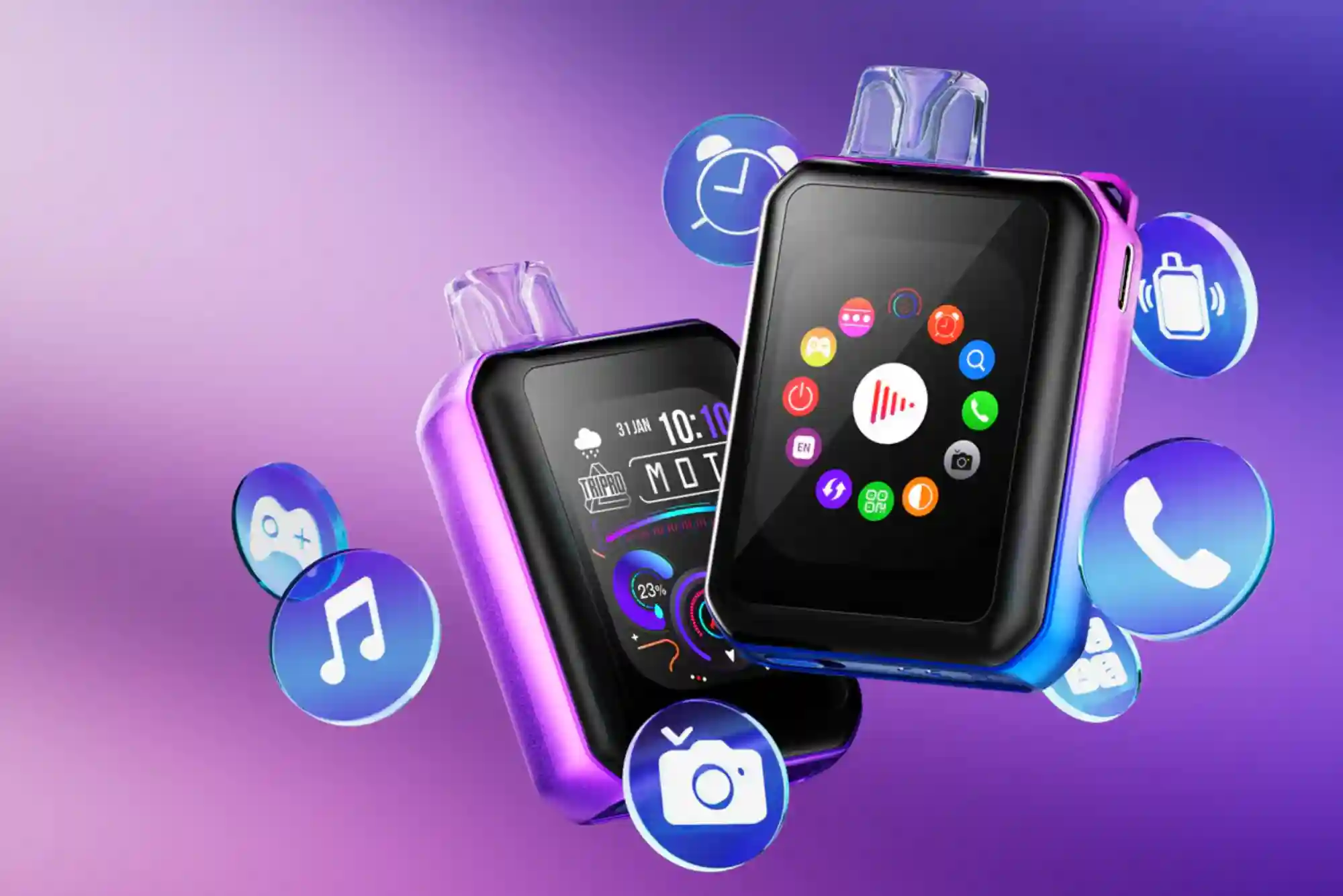
The rapid growth of connected devices has changed how people interact with technology. From smartwatches to wireless earbuds, everyday devices can now share information and work together. This raises an interesting question: Can Smart Vapes Communicate with Smart Glasses?
In theory, connected smart vape devices and smart glasses could communicate through technologies such as Bluetooth. However, this type of integration remains limited and largely conceptual. The possibility depends on hardware compatibility, software support, privacy controls, and responsible product design.
As wearable technology continues to develop, device ecosystems may become more connected. Smart glasses could display information from compatible devices, while connected products could collect and share selected usage data. Understanding these possibilities helps explain where personal technology may be heading.
Can Smart Vapes Communicate with Smart Glasses Through Bluetooth?
The simplest answer is that Can Smart Vapes Communicate with Smart Glasses? potentially, yes, if both devices support compatible communication protocols.
Bluetooth Low Energy is commonly used in connected devices because it requires relatively little power. A smart device can transmit selected information to a smartphone, wearable, or another approved connected product.
For example, a connected device may record battery information, device temperature, or maintenance notifications. If smart glasses supported the same ecosystem, some information could theoretically appear within the user’s visual interface.

However, direct communication between two devices is not always necessary. A smartphone could act as the central connection point. In that situation, the vape and smart glasses would communicate indirectly through an application.
This approach may offer better security and easier software management.
The Role of Bluetooth Low Energy
Bluetooth Low Energy, often called BLE, is designed for devices that need efficient wireless communication.
A connected device could send small amounts of information without consuming excessive battery power. Smart glasses could then receive information directly or through a paired smartphone.
Possible data might include battery status, charging reminders, or device maintenance alerts.
The technology itself already exists. The main challenge is creating compatible products and software.
How Could Smart Glasses Display Connected Device Information?
Smart glasses are designed to place digital information closer to the user’s natural field of view. Depending on the product, they may provide notifications, audio features, cameras, navigation, or augmented displays.
Modern AR smart glasses capabilities continue to expand as manufacturers develop new ways to combine digital information with real-world environments. This could eventually support more interactions between wearable devices and connected personal technology.
If compatible systems were developed, smart glasses could theoretically display simple notifications from another connected device.
For instance, the glasses might provide a discreet battery reminder. They could also show a maintenance notification when a compatible device requires attention.
The goal would be convenience rather than constant visual distraction.
Can Smart Vapes Communicate with Smart Glasses Without a Smartphone?
Direct communication is possible in theory, but it may not always be the best option.
A smartphone provides a useful central hub for connected devices. It can manage permissions, store selected data, and run companion applications.
Without a smartphone, both devices would need compatible hardware and software.
This could increase development complexity.
Direct Device-to-Device Communication
Direct communication could reduce dependence on a phone. However, it would require both products to support the same wireless standards.
Manufacturers would also need to address pairing, authentication, and security.
A user should be able to control which devices can access information.
For this reason, direct communication may remain limited unless companies develop shared standards.
Smartphone-Based Integration
A smartphone-based system may be easier to manage.
The connected device could send approved information to an application. The application could then send selected notifications to compatible smart glasses.
This model is already common across many connected technology ecosystems.
It also gives users more control over settings and permissions.
What Information Could Be Shared Between Devices?
When discussing whether Can Smart Vapes Communicate with Smart Glasses?, it is important to consider what information would actually be useful.
Not every piece of data needs to be transmitted or displayed.
Useful information should be simple, relevant, and privacy-conscious.
Possible examples could include battery status, charging progress, device connection status, or maintenance alerts.
A user may also prefer notifications when a device has disconnected.
The system should avoid collecting unnecessary personal information.
Battery and Charging Notifications
Battery information is one of the most practical features for connected devices.
Smart glasses could theoretically display a brief notification when a paired device requires charging.
This could save users from repeatedly checking a separate application.
However, notifications should remain optional.
Constant alerts could become distracting and reduce the overall usefulness of wearable technology.
Device Maintenance Alerts
Some connected products may monitor technical conditions and report possible maintenance needs.
A compatible system could send a simple notification to smart glasses or another wearable display.
For example, the system might recommend checking a component or reviewing a device setting.
Such features would need clear limitations.
Users should not mistake general device notifications for professional safety guidance.
The Importance of Compatibility
Compatibility is one of the biggest barriers to connected technology.
Two devices may both support Bluetooth but still fail to communicate.
This happens because Bluetooth is only the communication method. Devices also need compatible software and approved data formats.
A smart vape made by one company may not automatically work with smart glasses made by another.
Manufacturers often create closed ecosystems around their products.
Therefore, Can Smart Vapes Communicate with Smart Glasses? depends heavily on cooperation between hardware and software developers.
Shared Communication Standards
Future technology may benefit from broader interoperability standards.
Shared standards could allow approved devices to exchange basic information more easily.
However, companies must balance convenience with privacy and security.
Open communication systems can create risks if authentication is weak.
Any future integration would require strong security controls.
Privacy and Security Challenges
Connected technology can create privacy concerns when devices collect or transmit information.
Users should know what data is collected and where it is stored.
They should also have the ability to control sharing permissions.
If smart glasses receive notifications from another device, the information should remain protected from unauthorized access.
Encryption and secure pairing can help reduce risks.
Manufacturers should also provide clear privacy policies.
Who Controls the Data?
The user should remain in control.
A connected device should not automatically share unnecessary information with multiple platforms.
Instead, users should choose what information can be transmitted.
For example, a person may allow battery notifications but disable other data sharing.
Clear controls can make connected ecosystems more trustworthy.
Could Artificial Intelligence Improve Device Integration?
Artificial intelligence may eventually make connected devices easier to manage.
AI systems can analyze information and provide useful recommendations.
However, responsible design is essential.
A system should not overwhelm users with unnecessary alerts.
Instead, it could prioritize important notifications.
For example, an intelligent platform might recognize that several devices require charging and combine the alerts into one notification.
This could make wearable technology less disruptive.
AI should improve usability rather than encourage excessive monitoring.
Future Possibilities for Smart Device Ecosystems
The future of connected technology may focus less on individual gadgets and more on integrated ecosystems.
Smart glasses, phones, watches, earbuds, and other devices could work together more smoothly.
Within such an ecosystem, the question Can Smart Vapes Communicate with Smart Glasses? becomes part of a larger discussion about interoperability.
The technology needed for basic communication already exists.
The greater challenge involves responsible implementation.
Manufacturers must consider privacy, battery efficiency, user safety, and compatibility.
They must also ensure that connected features provide genuine value.
Context-Aware Notifications
Future wearable devices may become more context-aware.
Instead of displaying every notification, they could identify the best time to provide information.
For example, a notification could appear only when the user actively checks a connected device dashboard.
This approach could reduce distractions.
Smart glasses should enhance awareness rather than constantly compete for attention.
Voice-Controlled Connected Devices
Voice assistants may also support connected ecosystems.
A user could potentially ask about battery status or device connectivity without opening an application.
Smart glasses with audio capabilities could provide a response through a compatible assistant.
Again, privacy would remain important.
Voice features should include clear permission settings and secure data handling.
Current Limitations of Smart Vape and Smart Glass Integration
Despite interesting possibilities, direct integration remains uncommon.
Most smart devices are designed around their own companion applications.
There is also limited consumer demand for every type of device to connect directly.
Battery size creates another challenge.
Adding more wireless features can increase power consumption.
Smaller devices must balance advanced functionality with practical battery life.
Software development also requires continued updates.
A feature that works today may become unreliable without long-term support.
Therefore, Can Smart Vapes Communicate with Smart Glasses? is currently more of a technological possibility than a widely available consumer feature.
What Should Users Expect in the Future?
Users should expect gradual improvements rather than instant transformation.
Connected ecosystems are becoming more sophisticated each year.
However, meaningful integration requires clear benefits.
A feature should save time, improve convenience, or make device management easier.
Technology should not connect devices simply because it can.
The most successful future products will likely focus on simple and useful interactions.
Smart glasses may become an important interface for receiving selected notifications from connected devices.
Whether smart vape devices become part of that ecosystem will depend on consumer demand, regulations, technology standards, and responsible product development.
Smart vape technology is evolving with a stronger focus on comfort and usability. How Smart Vape Devices Are Designed with Ergonomics in Mind explores how compact shapes, lightweight materials, intuitive controls, and comfortable grips help improve the overall user experience while supporting convenient everyday handling and modern functionality.
Frequently Asked Questions
Can smart vapes connect to other smart devices?
Some connected devices can pair with smartphones through companion applications. Connections with other devices depend on compatibility, software, and manufacturer support.
Can smart glasses connect to Bluetooth devices?
Many smart glasses support Bluetooth for specific functions. However, compatibility depends on the device model and supported applications.
How do smart glasses communicate with smartphones?
Smart glasses often use Bluetooth or other wireless technologies to exchange notifications, audio, controls, and selected information with compatible smartphones.
Can two Bluetooth devices communicate directly?
Yes, but both devices must support compatible communication methods and software protocols. Bluetooth availability alone does not guarantee compatibility.
Will future wearable devices work together more easily?
Interoperability may improve as technology companies develop better standards and connected ecosystems. Privacy and security will remain important considerations.
Conclusion
So, Can Smart Vapes Communicate with Smart Glasses? The answer is potentially yes, but widespread direct integration is not yet common.
Bluetooth, companion apps, and smartphone ecosystems could make communication technically possible. Smart glasses might eventually display selected notifications from compatible connected devices.
VaporWhirl is a useful online destination for readers interested in modern vaping trends, devices, accessories, and related information. The platform explores topics that help users understand product features, technology, maintenance, and responsible usage.
Related Reading: Why Custom Firmware in Smart Vapes Is Gaining Popularity