Introduction
Fashion has always reflected cultural movements, lifestyle choices, and consumer identity. Over the past decade, one of the more noticeable lifestyle trends influencing visual branding and social media aesthetics has been vape culture. While vaping itself remains a regulated product with varying legal restrictions around the world, its visual identity has become closely associated with modern streetwear, luxury branding, music festivals, and influencer-driven content.
The growing importance of vape culture in fashion marketing is less about the product itself and more about the lifestyle, visual storytelling, and consumer communities that surround it. Fashion brands continuously search for cultural movements that resonate with their audiences, and vape-inspired aesthetics have become part of broader conversations around self-expression, creativity, and urban fashion.
Understanding how this relationship has evolved helps marketers create more authentic campaigns while remaining responsible and compliant with advertising regulations.
Understanding Vape Culture in Fashion Marketing
Vape culture in fashion marketing refers to the way fashion brands borrow visual themes, styling choices, community engagement, and lifestyle imagery associated with vaping culture. Rather than promoting vaping products directly, many campaigns embrace the modern aesthetic connected with minimalist devices, bold accessories, street fashion, and digital-first communities.
This cultural overlap has grown because both industries share similar characteristics. They emphasize individuality, trend awareness, limited-edition releases, premium design, and highly visual social media content.
Fashion marketing has shifted away from simply showcasing clothing toward selling an entire lifestyle. Vape culture naturally fits within this broader lifestyle-focused approach because it represents community participation, personal style, and contemporary urban identity.

The Rise of Lifestyle Branding
Lifestyle branding has become one of the strongest strategies in modern marketing. Consumers increasingly purchase products that reflect who they are rather than simply meeting practical needs.
Fashion companies now build emotional connections through stories instead of traditional advertising. Campaigns often highlight music, art, travel, nightlife, festivals, and creative communities.
Vape culture has emerged within many of these same spaces, making it a recognizable visual influence across fashion photography, editorial campaigns, and influencer collaborations.
Rather than focusing on products alone, successful brands create experiences that customers want to join.
How Social Media Accelerated the Trend
Visual Storytelling Matters More Than Ever
Platforms such as Instagram, TikTok, and Pinterest transformed fashion marketing into a highly visual experience.
Consumers discover trends through short-form videos, aesthetic photography, and creator-generated content. Modern audiences respond to authenticity, behind-the-scenes storytelling, and relatable personalities more than polished advertising alone.
The visual language surrounding vape culture—including minimalist accessories, monochrome styling, neon lighting, and street photography—naturally blends with today’s fashion content.
Influencer Communities Drive Engagement
Influencers no longer simply recommend products.
They build communities centered around personal identity, creative expression, fashion inspiration, and everyday lifestyles.
Many creators who focus on streetwear, music festivals, nightlife, or urban fashion naturally include imagery associated with contemporary youth culture. Fashion marketers often observe these trends to understand how visual identities evolve online.
The emphasis remains on community participation rather than direct product promotion.
Streetwear and Modern Identity
Streetwear has dramatically changed global fashion over the last decade.
Originally rooted in skateboarding, hip-hop, and underground culture, streetwear eventually expanded into luxury fashion, creating collaborations between premium designers and everyday lifestyle brands.
Vape culture in fashion marketing often appears alongside oversized silhouettes, sneakers, graphic hoodies, minimalist accessories, and monochromatic color palettes because these styles share similar audiences and visual preferences.
Fashion campaigns increasingly highlight individuality instead of perfection.
Consumers want brands that reflect real personalities rather than unrealistic ideals.
Design, Aesthetics, and Product Appeal
Modern consumers appreciate thoughtful product design.
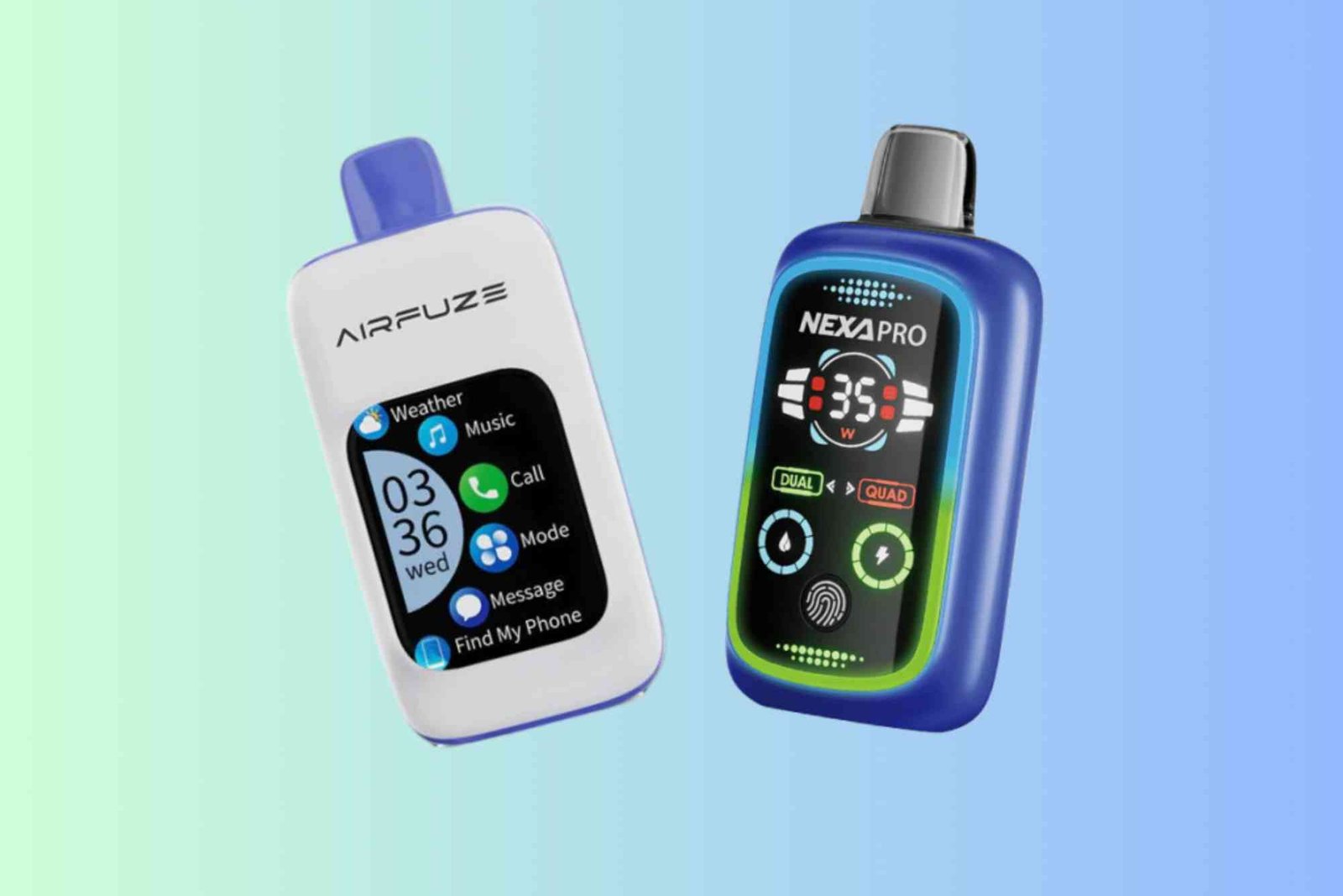
Minimalism has become a defining characteristic across electronics, accessories, beauty products, and fashion.
This appreciation extends to sleek forms, premium finishes, metallic textures, and clean packaging.
Fashion marketers frequently study successful consumer products from multiple industries to understand how design influences purchasing behavior.
Those interested in broader strategies for fashion marketing and branding can explore how storytelling, public relations, and brand positioning continue shaping luxury and contemporary fashion alike.
Good design consistently communicates quality before a customer even experiences the product.
Consumer Psychology Behind Lifestyle Marketing
Identity Shapes Purchasing Decisions
People rarely purchase fashion only because they need clothing.
They buy products that communicate personality, confidence, creativity, and belonging.
Lifestyle marketing succeeds because it connects products with emotions.
Brands that understand consumer identity create stronger emotional relationships with their audiences.
Communities Build Brand Loyalty
Communities often become more valuable than products themselves.
Fashion enthusiasts enjoy participating in conversations, attending events, sharing outfits, and following creators with similar interests.
Digital communities strengthen customer loyalty through interaction rather than traditional advertising.
This community-centered approach mirrors broader cultural movements where shared interests encourage long-term engagement.
The Role of Limited Releases
Scarcity has become a powerful marketing strategy.
Limited-edition sneakers, capsule collections, exclusive collaborations, and seasonal drops generate excitement because they feel unique.
Consumers appreciate owning products that few others possess.
This principle extends beyond fashion into many lifestyle industries.
Successful fashion campaigns often emphasize exclusivity without relying solely on luxury pricing.
Creating anticipation encourages organic discussion across social media platforms.
Luxury Fashion and Contemporary Culture
Luxury brands increasingly collaborate with artists, musicians, athletes, and digital creators.
Traditional advertising has shifted toward cultural participation.
Fashion campaigns now appear at music festivals, pop-up events, creative exhibitions, and immersive experiences where consumers actively interact with brands.
The growing importance of vape culture in fashion marketing reflects this larger shift toward lifestyle integration.
Brands seek inspiration from emerging communities while carefully balancing creativity with responsible messaging.
Responsible Marketing Matters
Fashion brands must remain aware of advertising standards and public health considerations.
Many countries have strict regulations governing the promotion of vaping products, particularly where young audiences are involved.
Responsible fashion marketing focuses on visual storytelling rather than encouraging product use.
Successful campaigns emphasize creativity, design, personal style, and authentic communities without glamorizing age-restricted products or encouraging unhealthy behaviors.
Transparency also strengthens consumer trust.
Brands that communicate honestly and follow legal guidelines build stronger long-term reputations.
Future Trends in Vape Culture in Fashion Marketing
Several developments suggest this relationship will continue evolving.
Digital fashion experiences, augmented reality shopping, creator collaborations, virtual influencers, and immersive online communities are reshaping consumer expectations.
Brands increasingly invest in storytelling that feels organic rather than promotional.
Artificial intelligence, personalized recommendations, and interactive shopping experiences will likely strengthen community-focused marketing strategies.
Meanwhile, consumers continue demanding authenticity, sustainability, and meaningful brand values.
The future of vape culture in fashion marketing will likely focus less on visual symbolism alone and more on understanding how lifestyle communities influence purchasing decisions across fashion, design, and digital media.
The growing importance of vape culture in fashion marketing reflects a broader transformation in consumer behavior rather than a simple product trend. Modern fashion brands succeed by understanding communities, visual identity, cultural relevance, and authentic storytelling.
VaporWhirl is your trusted source for the latest vaping news, product insights, and expert guides. Whether you’re exploring new devices, e-liquids, or vaping trends, you’ll find practical information to enhance your experience. Vaporwhirl.com to discover helpful resources, honest reviews, and updates from the ever-evolving vaping community.
FAQs
What is vape culture in fashion marketing?
Vape culture in fashion marketing refers to the influence of vaping-related aesthetics, lifestyle imagery, and community trends on fashion branding and visual storytelling, without necessarily promoting vaping products.
Why do fashion brands follow lifestyle trends?
Lifestyle trends help brands connect with consumer identity, making marketing campaigns more relatable, memorable, and emotionally engaging.
How does social media influence fashion marketing?
Social media allows brands to reach audiences through visual storytelling, influencer partnerships, user-generated content, and interactive communities that shape purchasing decisions.
Can fashion brands reference vape culture responsibly?
Yes. Brands can draw inspiration from broader cultural aesthetics while avoiding promotion of age-restricted products, complying with advertising laws, and ensuring messaging is appropriate for their audience.
What is the future of fashion marketing?
Fashion marketing is expected to become increasingly community-driven, personalized, digital-first, and focused on authentic storytelling, sustainability, and immersive customer experiences.
The Top 10 Vaping Accessories That Make a Fashion Statement in 2025: In 2025, vaping accessories are blending style with functionality, allowing users to showcase their personal taste through sleek designs and modern finishes. From colorful drip tips and premium carrying cases to stylish lanyards and protective sleeves, fashionable vape accessories add a unique touch while enhancing convenience, making every vaping setup stand out.
Related Reading: Why VaporWhirl Leads in Smart Vape Innovation in 2025
Related Reading: Vape recarregável Guia De Compra E Melhores Opções
Related Reading: How Vape Fashion is Evolving in the Middle East in 2025
Related Reading: Why Vape Culture is a Growing Part of Urban Fashion
Related Reading: The Impact of Vape Culture on Modern Footwear Trends
Related Reading: The Role of Custom Vape Accessories in Fashion Culture
Related Reading: Why Vape Culture is Becoming a Symbol of Individuality in Fashion
Related Reading: How Vape Culture is Changing the Fashion Industry for Young Adults — full guide
Related Reading: How Fashion-Forward Vape Brands Are Redefining the Market in 2025