Introduction
Urban style has always evolved alongside music, art, technology, and youth culture. Today, another influence has become increasingly visible in cities around the world—Why Vape Culture is a Growing Part of Urban Fashion. From creative photography and social media content to lifestyle branding and modern streetwear, vape culture has become associated with individuality and self-expression. While vaping itself remains a personal choice and carries health considerations, its visual identity has undeniably found a place within contemporary fashion discussions.
Fashion has never existed in isolation. It reflects the lifestyles, interests, and communities of the people wearing it. Just as skateboarding, hip-hop, and sneaker culture transformed the way people dress, vape culture has contributed to a distinctive aesthetic embraced by many urban creatives. This connection is less about the act of vaping itself and more about how it intersects with design, branding, and cultural identity.
The growing relationship between vape products, fashion campaigns, and lifestyle content demonstrates why Why Vape Culture is a Growing Part of Urban Fashion has become an increasingly discussed topic among designers, influencers, and trend analysts.
The Evolution of Urban Fashion
Urban fashion has always represented more than clothing. It tells stories about identity, creativity, and cultural belonging. What started as localized street style has become a global industry influencing luxury fashion houses, independent designers, and everyday consumers.
Cities provide environments where trends spread rapidly. Young people experiment with new looks, photographers capture authentic street style, and social platforms amplify those images worldwide. As a result, urban fashion constantly absorbs influences from music, gaming, sports, art, and lifestyle communities.
Vape culture entered this environment naturally because it shared many of the same characteristics: bold visual branding, personalization, and social engagement.

How Lifestyle Communities Shape Fashion
Fashion trends often emerge from communities before reaching mainstream audiences. Skate culture introduced oversized silhouettes, hip-hop popularized luxury sportswear, and sneaker enthusiasts transformed footwear into collectibles.
Similarly, vape communities created spaces where personal style became part of the overall experience. Devices featuring unique colors, premium finishes, and custom accessories appealed to individuals who valued aesthetics alongside functionality.
This helps explain Why Vape Culture is a Growing Part of Urban Fashion despite remaining separate from traditional fashion industries.
Social Media Accelerated the Trend
Social media has dramatically changed how fashion develops. Instead of relying solely on magazines or runway shows, trends now emerge through short-form videos, photography, and influencer content.
Images featuring oversized hoodies, designer sneakers, layered accessories, and modern vape devices became increasingly common across urban lifestyle platforms. These visual combinations reinforced an aesthetic centered around individuality rather than strict fashion rules.
Content creators often focus on mood, composition, lighting, and styling, making vape devices appear as lifestyle accessories within broader creative storytelling.
The Rise of Personal Expression
Urban fashion encourages originality rather than conformity. Many individuals mix vintage pieces with luxury brands, customize sneakers, or create unique outfit combinations.
Vape devices entered this environment because many feature customizable designs, interchangeable components, and distinctive finishes. Although their primary purpose remains functional, their appearance aligns with a broader movement toward personalization.
People increasingly seek products reflecting their identity, and this desire extends beyond clothing into technology, accessories, and everyday objects.
Minimalist Design Appeals to Fashion Enthusiasts
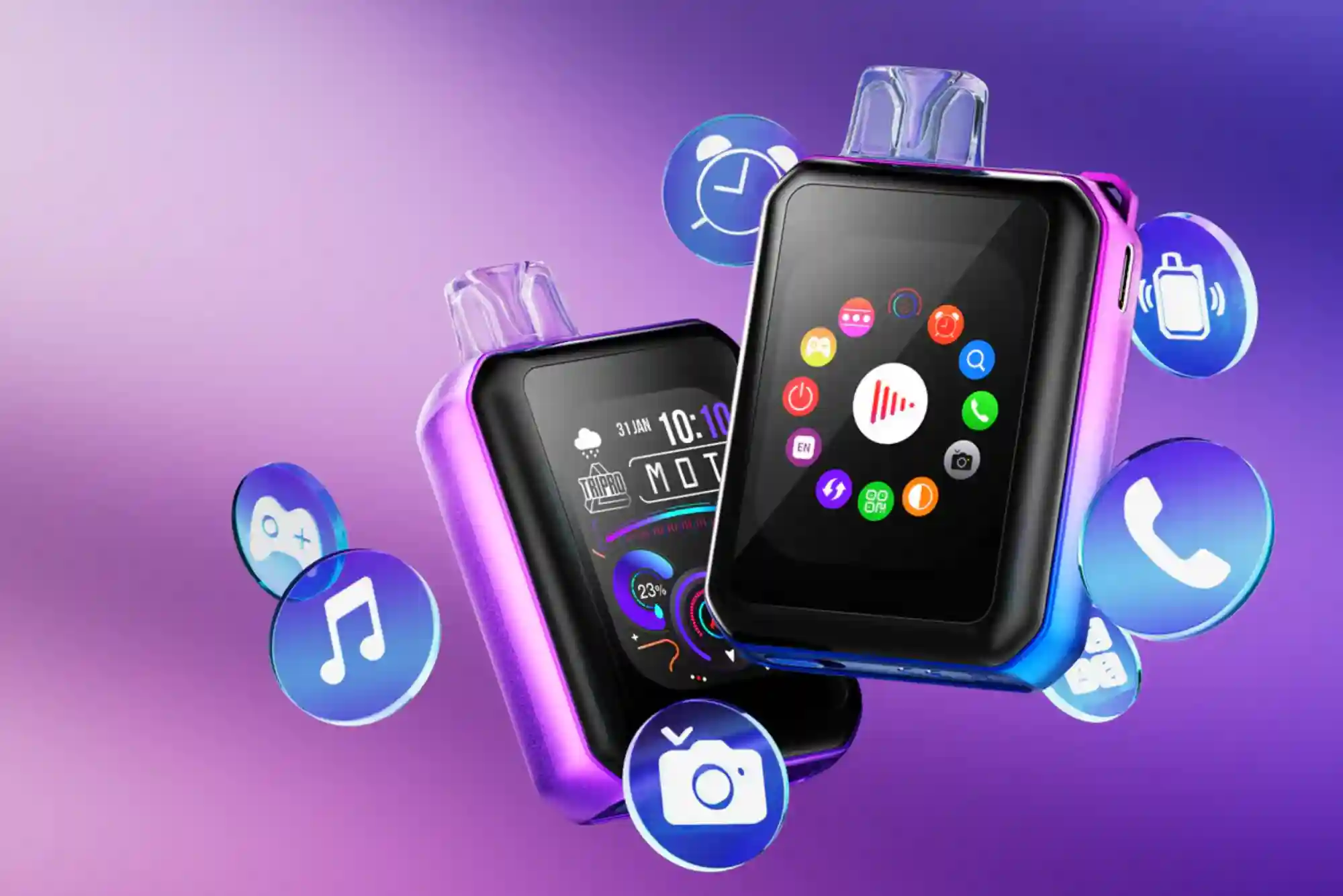
Modern product design significantly influences fashion preferences. Many contemporary vape devices feature clean lines, matte finishes, metallic accents, and compact forms that complement minimalist wardrobes.
Design-conscious consumers often appreciate products sharing similar visual principles regardless of category. This explains why creative professionals sometimes include modern devices within carefully styled photography.
The growing popularity of minimal aesthetics contributes to Why Vape Culture is a Growing Part of Urban Fashion from a visual perspective.
Streetwear and Vape Culture Share Similar Values
Streetwear emphasizes authenticity, exclusivity, creativity, and community. Limited releases, collaborations, and independent creators remain central to its appeal.
Many lifestyle communities surrounding vaping have adopted comparable values by celebrating product design, customization, and personal taste.
Readers interested in understanding the broader connection between urban fashion and streetwear culture can see how self-expression continues evolving within contemporary fashion movements.
Both communities celebrate individuality rather than strict fashion standards.
Photography and Visual Storytelling
Urban photography has become one of the strongest influences on modern fashion. Photographers capture authentic moments across city streets, industrial neighborhoods, cafés, and creative studios.
These settings often feature lifestyle accessories alongside clothing, including cameras, headphones, skateboards, coffee cups, and occasionally vape devices.
The emphasis remains on storytelling rather than promoting any single product. Images communicate atmosphere, personality, and creativity.
This visual approach contributes to discussions around Why Vape Culture is a Growing Part of Urban Fashion because style today extends beyond garments alone.
Influencers Changed Lifestyle Branding
Influencer marketing transformed how brands communicate with audiences. Rather than focusing exclusively on products, creators present complete lifestyles.
Fashion influencers carefully curate every detail within their content, including clothing, footwear, technology, travel, and everyday accessories.
Some creators include vape devices within these lifestyle images because they fit particular visual themes. Others avoid them entirely. The important observation is that fashion increasingly revolves around complete personal branding rather than isolated products.
Music Continues to Influence Urban Style
Music and fashion have always evolved together. Hip-hop, electronic music, indie culture, and underground creative scenes all contribute to contemporary urban aesthetics.
Artists influence clothing trends through performances, music videos, concerts, and social media appearances.
Some performers have incorporated vape devices into their public image, further connecting lifestyle branding with fashion culture. However, fashion trends rarely emerge from one influence alone; instead, they develop through countless creative interactions across different industries.
Brand Identity Matters More Than Ever
Consumers increasingly purchase products reflecting their personality. Successful lifestyle brands invest heavily in visual identity through packaging, typography, colors, and photography.
Modern branding emphasizes consistency across every customer interaction.
This design-first philosophy has helped explain Why Vape Culture is a Growing Part of Urban Fashion, particularly among younger adults interested in creative aesthetics and lifestyle branding.
People are often drawn toward products presenting a cohesive visual experience.
Fashion Is Becoming More Lifestyle-Oriented
Traditional fashion focused primarily on clothing collections. Modern fashion encompasses entire lifestyles including travel, technology, interior design, fitness, music, and creative hobbies.
Consumers no longer separate these interests into isolated categories.
Instead, they create personal identities combining multiple passions simultaneously.
This broader understanding of style allows lifestyle accessories to become visual extensions of personal expression.
Urban Communities Value Creativity
Cities encourage experimentation. Independent artists, musicians, designers, photographers, and entrepreneurs regularly influence one another through collaboration.
Creative neighborhoods often become trend incubators where new aesthetics emerge before reaching global audiences.
The relationship between fashion and vape culture developed within these collaborative environments because both emphasize originality, customization, and visual identity.
Understanding these cultural dynamics provides valuable insight into Why Vape Culture is a Growing Part of Urban Fashion today.
The Importance of Responsible Perspective
Although vape culture has influenced fashion conversations, it is important to distinguish cultural observation from endorsement. Vaping carries health risks, and individuals should make informed decisions based on credible medical guidance rather than lifestyle trends or visual appeal.
Fashion frequently incorporates products and symbols from broader culture without recommending their use. Understanding these influences helps explain evolving design trends while recognizing that personal health decisions should be guided by evidence-based information.
The Future of Urban Fashion
Urban fashion will continue evolving as technology, sustainability, digital communities, and creative industries influence consumer preferences.
Future trends will likely emphasize personalization even further through customizable clothing, wearable technology, limited collaborations, and digital fashion experiences.
Rather than focusing on single products, fashion will increasingly celebrate complete lifestyle identities shaped by creativity, authenticity, and self-expression.
This ongoing evolution ensures that discussions around Why Vape Culture is a Growing Part of Urban Fashion will remain relevant as designers, photographers, influencers, and consumers continue redefining what modern style represents.
The relationship between fashion and lifestyle has never been stronger. Understanding Why Vape Culture is a Growing Part of Urban Fashion requires looking beyond individual products and examining broader cultural movements involving creativity, branding, photography, music, and community.
Vaporwhirl is your trusted destination for quality vaping information, product insights, and the latest industry trends. Whether you’re new to vaping or an experienced enthusiast, the site offers helpful guides and reliable resources to support your journey.
FAQs
Why is vape culture associated with urban fashion?
Vape culture is often linked with urban fashion because both emphasize individuality, creative expression, modern design, and lifestyle branding. Social media has further strengthened this visual association.
Does vaping influence streetwear trends?
Vaping itself does not define streetwear, but certain lifestyle communities, photographers, and influencers have included vape devices within broader urban fashion aesthetics.
How has social media affected vape culture and fashion?
Social media has allowed creators to showcase complete lifestyle identities, where clothing, accessories, photography, and personal branding combine to influence fashion trends.
Is vape culture becoming part of mainstream fashion?
Elements of vape culture have appeared within some lifestyle and fashion content, although mainstream fashion continues drawing inspiration from many different cultural influences.
Can fashion trends encourage vaping?
Fashion trends may influence aesthetics and lifestyle imagery, but health decisions should always be based on reliable medical information rather than visual trends or social media content.
The Rise of Vape-Themed Jewelry in Fashion highlights how vaping culture is influencing modern accessories. Stylish pendants, bracelets, rings, and charms inspired by vape designs allow enthusiasts to express their personality with subtle flair. This growing trend blends fashion, creativity, and self-expression, making vape-themed jewelry a unique statement in contemporary style.
Related Reading: The Growing Importance of Vape Culture in Fashion Marketing
Related Reading: The Growing Importance of Vape Culture in Fashion Marketing — full guide
Related Reading: Vaping in the High Fashion World: Is There Room for Vape Culture? — full guide
Related Reading: Why Vape Culture is Becoming a Symbol of Individuality in Fashion — full guide