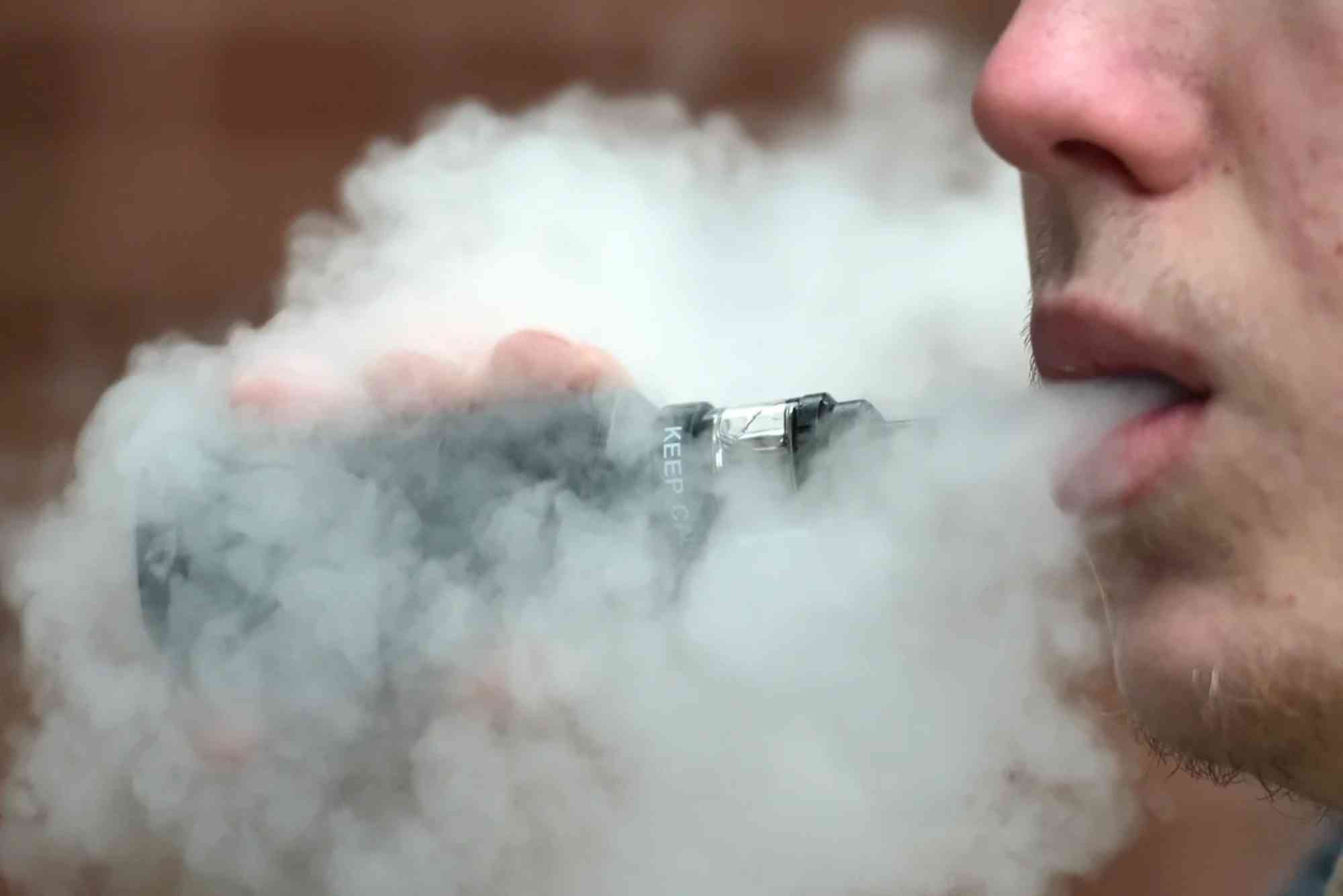
Understanding What is the e Cigarette and Its Impact on Vaping Health
Electronic cigarettes, often referred to as e cigarettes, have transformed the way people consume nicotine. They are battery-powered devices designed to simulate smoking without burning tobacco. Instead of producing smoke, they create an aerosol, often called vapor, by heating a liquid containing nicotine, flavorings, and other chemicals. As vaping gains popularity worldwide, understanding what is the e cigarette and its potential effects on health is crucial for both smokers seeking alternatives and new users curious about the technology.
What is the e Cigarette?
An e cigarette is a modern nicotine delivery system that eliminates combustion, a key cause of the harmful toxins found in traditional cigarette smoke. While they come in various shapes and designs, most e cigarettes share similar components. These include a rechargeable battery, a heating element known as a coil, and a refillable or prefilled tank containing e-liquid.
Unlike conventional cigarettes, e cigarettes do not produce tar or carbon monoxide, which are among the most dangerous substances in tobacco smoke. Instead, they heat e-liquid to create vapor that is inhaled by the user. The absence of burning tobacco has led many to view e cigarettes as a less harmful alternative. However, less harmful does not mean harmless.
How Does an e Cigarette Work?
E cigarettes operate through a simple yet effective mechanism. The battery powers the coil, which heats the e-liquid in the tank or cartridge. When the liquid reaches the right temperature, it turns into vapor. Users then inhale this vapor, delivering nicotine and flavor into their lungs.
Most modern devices allow customization. Adjustable wattage and temperature control features let users modify vapor production and flavor intensity. Pod-based systems are popular among beginners, while advanced mods attract experienced vapers seeking more control.
The Growing Popularity of E Cigarettes
Since their introduction in the early 2000s, e cigarettes have gained a significant following. Many smokers switch to vaping to reduce exposure to harmful smoke-related chemicals. Others are drawn by the variety of flavors, ranging from tobacco and menthol to fruit and dessert blends. Social media and celebrity endorsements have also contributed to the surge in popularity.
However, increased availability and appealing flavors have raised concerns about underage use. Many countries now regulate e cigarette sales to protect minors, often aligning them with tobacco laws.
The Impact of E Cigarettes on Vaping Health
Potential Benefits for Smokers
Switching from smoking to vaping can reduce exposure to many toxic substances. Public Health England has stated that e cigarettes are significantly less harmful than smoking traditional cigarettes. For smokers unable to quit nicotine entirely, e cigarettes may be a harm reduction tool.
Some users report improvements in lung capacity, reduced coughing, and better overall breathing after switching from cigarettes to vaping. Additionally, the absence of smoke reduces second-hand smoke exposure to people nearby.
Potential Health Risks
Despite being less harmful than smoking, vaping still carries health risks. Nicotine is addictive, regardless of its delivery method. Regular use may lead to dependence, and high doses can increase heart rate and blood pressure.
The vapor from e cigarettes contains substances such as propylene glycol, glycerin, and flavoring chemicals. While generally recognized as safe for ingestion, inhalation over long periods may have unknown consequences. Studies have linked some vaping liquids to respiratory irritation and inflammation.
Another concern is EVALI (E-cigarette or Vaping-Associated Lung Injury), a condition reported in some users, often linked to illegal or contaminated vape products. Using regulated, reputable products is essential to reduce this risk.
Impact on Youth and Non-Smokers
E cigarettes pose unique risks for teenagers and young adults. Nicotine exposure during adolescence can harm brain development, affecting memory and learning abilities. Non-smokers who take up vaping may develop nicotine addiction and transition to smoking, reversing decades of anti-smoking progress.
Comparing E Cigarettes to Traditional Smoking
Traditional cigarettes release thousands of harmful chemicals when burned, including tar, carbon monoxide, and formaldehyde. E cigarettes do not produce these toxins in significant amounts, making them a potentially safer choice for existing smokers.
However, long-term studies are still ongoing. While evidence suggests vaping is less harmful than smoking, it is not completely risk-free. For non-smokers, the best choice remains avoiding nicotine products entirely.
Regulations and Safety Guidelines
Governments worldwide are implementing strict regulations on e cigarettes. These include age restrictions, advertising limitations, and quality standards for manufacturing. The goal is to ensure product safety while preventing youth access.
Consumers should also follow safety practices. This includes avoiding black-market products, using the correct chargers to prevent battery issues, and properly storing devices and e-liquids away from children and pets.
The Future of E Cigarettes and Vaping Health
Advances in vaping technology continue to focus on safety, flavor quality, and nicotine delivery control. Researchers are studying long-term effects, and policymakers are balancing harm reduction with public health protection. As the industry evolves, public education about responsible use will remain essential.
FAQs
What is the e cigarette and how is it different from smoking?
An e cigarette delivers nicotine through vapor rather than smoke. It avoids tobacco combustion, which produces harmful toxins found in traditional cigarettes.
Are e cigarettes safe for everyone?
No. While less harmful than smoking, they are not safe for non-smokers, pregnant women, or young people due to nicotine’s addictive effects.
Can e cigarettes help me quit smoking?
Some people successfully transition from smoking to vaping and then quit entirely. However, success varies, and professional quit-smoking support can improve results.
Do e cigarettes contain tar?
No. E cigarettes do not produce tar because they do not burn tobacco.
What is the healthiest vape option?
No vape is entirely healthy, but regulated devices and e-liquids from reputable brands reduce risks compared to unregulated products.
Understanding what is the e cigarette and its impact on vaping health is essential for making informed choices. E cigarettes may offer a less harmful alternative for adult smokers, but they are not risk-free. Their growing popularity calls for responsible use, especially to protect youth and non-smokers from nicotine addiction.