Introduction
Vaping has become one of the most popular alternatives to traditional smoking over the past decade. Despite its widespread presence, many people still ask, “What does vape really mean and how does it work?” Understanding vaping involves more than just knowing that it produces vapor. It requires insight into the science behind the devices, the liquids used, and the user experience that differentiates vaping from smoking. This guide explains vaping in detail, exploring its mechanics, purpose, and health considerations.
Understanding Vaping: The Basics
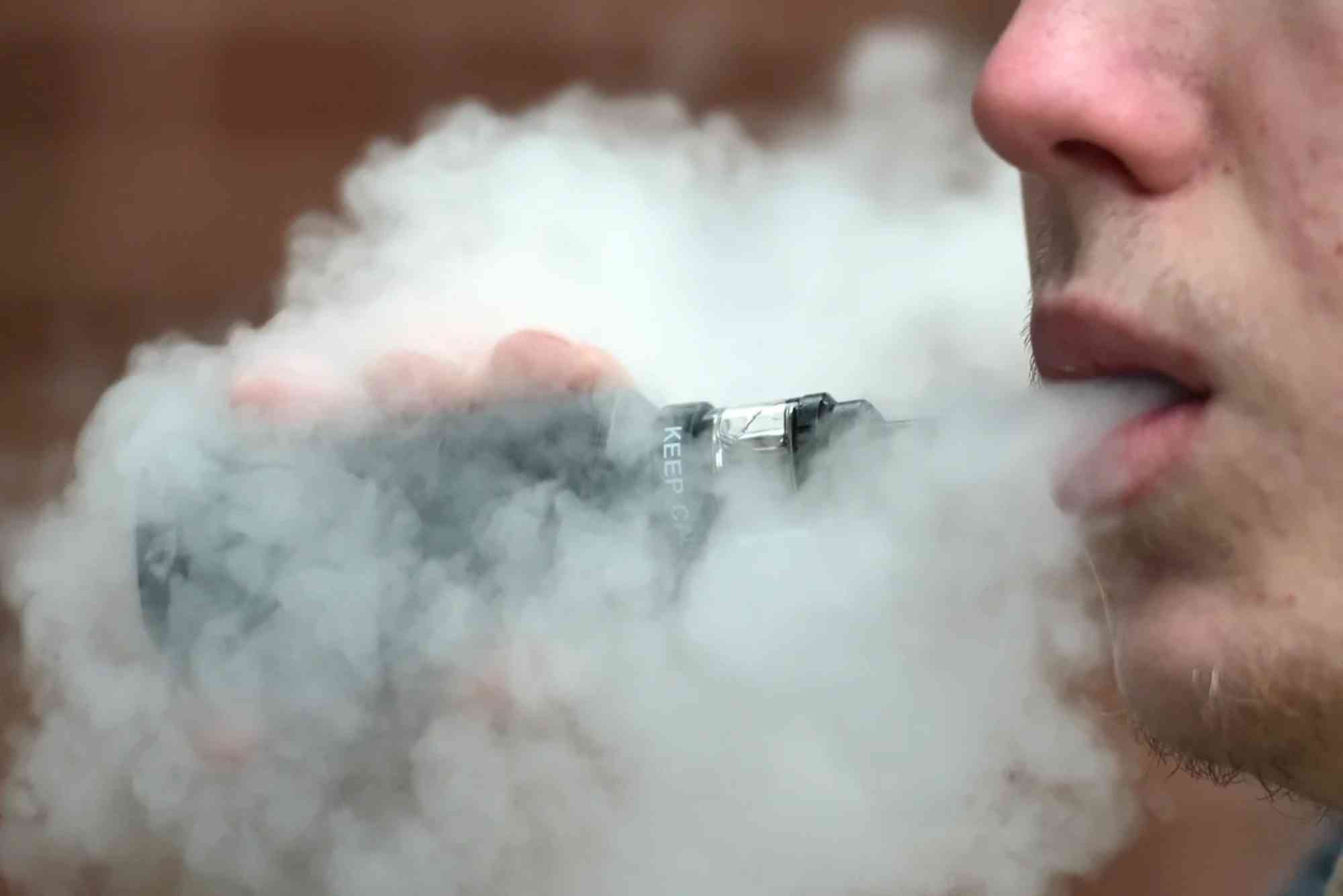
Vaping is the act of inhaling vapor produced by an electronic device called a vape or e-cigarette. Unlike traditional cigarettes, which burn tobacco, vapes heat a liquid, known as e-liquid or vape juice, to create vapor. This process allows users to inhale flavors, nicotine, or even nicotine-free mist without combustion.
The term “vape” comes from the word vapor, highlighting the fact that users are inhaling a vaporized solution rather than smoke. This distinction is important because it sets vaping apart from traditional smoking methods, which involve burning substances that release harmful chemicals.
Components of a Vape Device
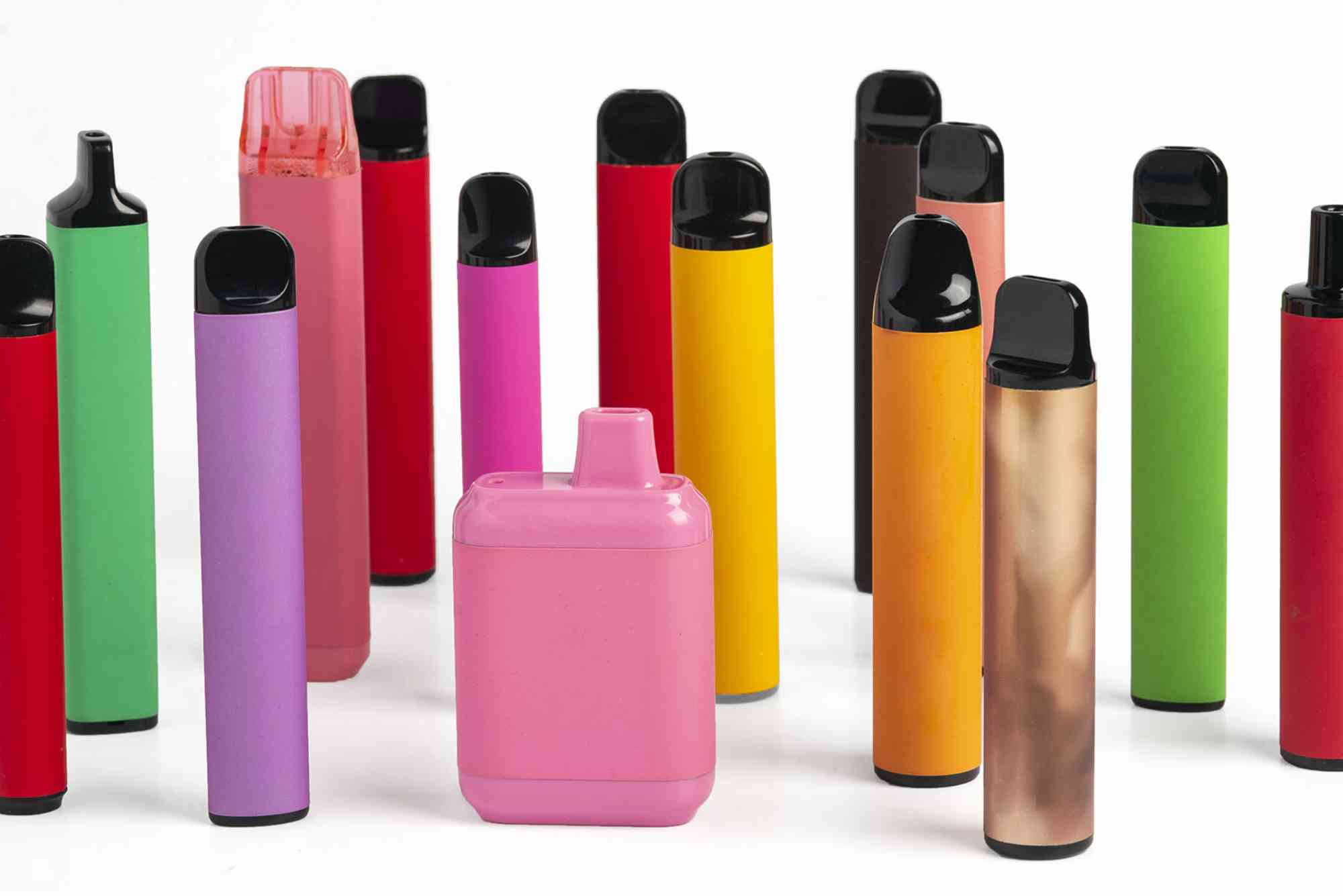
Modern vape devices vary widely in design and functionality, but all share several core components that make vaping possible.
Battery
The battery provides power to the heating element. It is usually rechargeable and comes in various sizes and capacities. A stronger battery can produce more vapor and support advanced features, such as adjustable power levels or temperature control.
Atomizer or Coil
The atomizer contains a coil that heats the e-liquid. When the battery supplies power, the coil becomes hot, vaporizing the liquid. Coils can be made of materials such as stainless steel, kanthal, or nickel, and their resistance determines how quickly they heat up and how much vapor they produce.
Tank or Pod
The tank or pod holds the e-liquid. Some devices use refillable tanks, allowing users to choose from a wide variety of flavors. Others employ pre-filled pods, which offer convenience but limited customization. The design of the tank also affects airflow, vapor production, and flavor intensity.
Mouthpiece
The mouthpiece, also known as the drip tip, is the part that delivers vapor into the user’s mouth. Its shape and size can influence the airflow and overall vaping experience.
E-Liquid
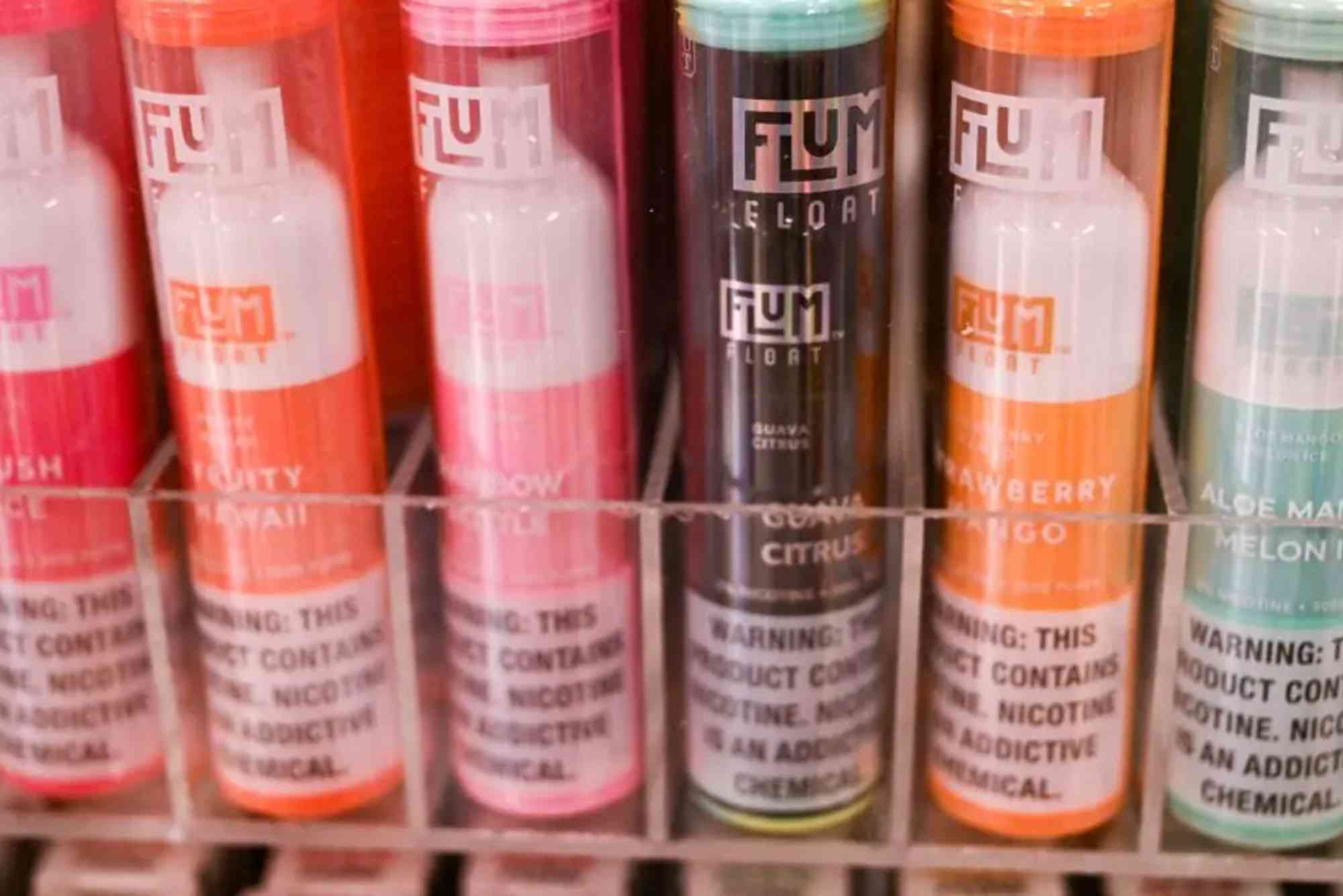
E-liquid, sometimes called vape juice, is a mixture of propylene glycol (PG), vegetable glycerin (VG), flavorings, and optionally nicotine. PG provides a stronger throat hit, while VG produces thicker, denser vapor. The combination of these ingredients determines the vapor’s texture, flavor, and intensity.
How Vaping Works
At its core, vaping relies on a simple principle: heat transforms liquid into vapor. When the user activates the vape device, the battery energizes the coil. This coil heats the e-liquid in contact with it, turning it into vapor almost instantly. The user inhales this vapor through the mouthpiece, delivering flavor, and in some cases, nicotine, to the lungs.
The process differs from smoking because combustion never occurs. Smoking burns tobacco at high temperatures, producing smoke that contains tar, carbon monoxide, and thousands of chemicals. Vaping, on the other hand, produces vapor at lower temperatures, generally containing fewer toxic substances. This is why many smokers turn to vaping as a less harmful alternative.
The Purpose of Vaping
Vaping serves several purposes, depending on the individual user.
Some people use it as a smoking cessation tool. By gradually reducing nicotine levels in e-liquids, they can curb addiction without enduring the intense withdrawal symptoms often associated with quitting smoking. Others vape recreationally, enjoying the flavors and the sensory experience. Cloud chasing, or producing large vapor clouds, is a popular hobby among enthusiasts. Additionally, vaping is sometimes preferred in social situations where smoking is banned.
Understanding the Mechanics in Detail
Heat and Vaporization
The key to vaping is controlled heat. Too little, and the liquid will not vaporize efficiently. Too much, and the e-liquid can burn, producing a harsh taste. Modern devices often feature temperature control or wattage settings to allow precise adjustments. These options help users tailor their experience, whether they prefer subtle flavor or thick clouds.
Airflow Control
Airflow significantly impacts the vaping experience. Devices with adjustable airflow let users control how much air mixes with the vapor. More airflow usually produces cooler, smoother vapor with less intensity, while restricted airflow generates warmer, denser vapor with stronger flavor. Mastering airflow is essential for a satisfying vaping session.
Nicotine Delivery
Nicotine absorption in vaping is different from smoking. When vapor reaches the lungs, nicotine is absorbed into the bloodstream quickly, producing a throat hit and a sensation similar to smoking a cigarette. Nicotine strengths vary, giving users the flexibility to start with higher levels and gradually reduce intake.
Health Considerations
Although vaping is generally considered less harmful than smoking, it is not entirely risk-free. E-liquids can contain harmful chemicals, particularly if purchased from unreliable sources. Nicotine itself is addictive and can affect cardiovascular health. Long-term studies on vaping are still ongoing, so caution is advised, especially for young people and non-smokers.
Vaping does offer harm reduction compared to traditional smoking. By avoiding combustion, users are exposed to fewer carcinogens. Public health agencies in some countries recognize vaping as a potentially safer alternative for smokers who cannot quit through other methods.
Common Myths About Vaping
There are many misconceptions surrounding vaping. One common myth is that vaping is entirely safe. While it is less harmful than smoking, it is not completely harmless. Another misconception is that vaping leads to smoking. Research shows that many adult smokers successfully transition to vaping without returning to cigarettes. Understanding these myths helps users make informed decisions.
Tips for Safe Vaping
To ensure a safer vaping experience, follow these guide lines. Always buy products from reputable manufacturers. Avoid modifying devices in ways that exceed recommended limits, as this can cause overheating or battery failure. Store e-liquids properly to prevent contamination, and regularly clean the device to maintain performance. Being informed and cautious reduces the potential risks associated with vaping.
So, what does vape really mean and how does it work? In essence, vaping is the process of inhaling vapor produced by heating a liquid without combustion. The combination of a battery, coil, tank, and e-liquid creates a system that delivers flavor, nicotine, and sensory satisfaction. Vaping offers a less harmful alternative to smoking while also providing recreational enjoyment for many users. Understanding the mechanics, ingredients, and potential risks empowers individuals to make responsible choices.
If you are curious about exploring vaping as an alternative to smoking, start with reliable devices and e-liquids, educate yourself about nicotine levels, and practice safe usage. Your experience will be more enjoyable and safer when approached with knowledge and caution.
Frequently Asked Questions
What is the difference between vaping and smoking?
Vaping heats a liquid to produce vapor without burning tobacco, whereas smoking burns tobacco, producing harmful smoke.
Can vaping help me quit smoking?
Yes, many smokers use vaping to reduce nicotine gradually, helping them transition away from cigarettes.
Is vaping safe for everyone?
No, vaping carries risks, especially for young people, non-smokers, and pregnant women. Harm is lower than smoking but not eliminated.
What are the main components of a vape device?
A vape device includes a battery, coil or atomizer, tank or pod, mouthpiece, and e-liquid. Each component affects performance and experience.
Does vaping produce secondhand smoke?
Vaping produces vapor, not smoke, which contains fewer harmful chemicals. While secondhand vapor is less dangerous, it is not entirely risk-free.
Can I choose nicotine levels in vaping?
Yes, e-liquids come in various nicotine strengths, allowing users to adjust intake according to their needs.
How do I maintain my vape device?
Regular cleaning, proper storage of e-liquids, and using recommended parts ensure optimal performance and safety.