Introduction
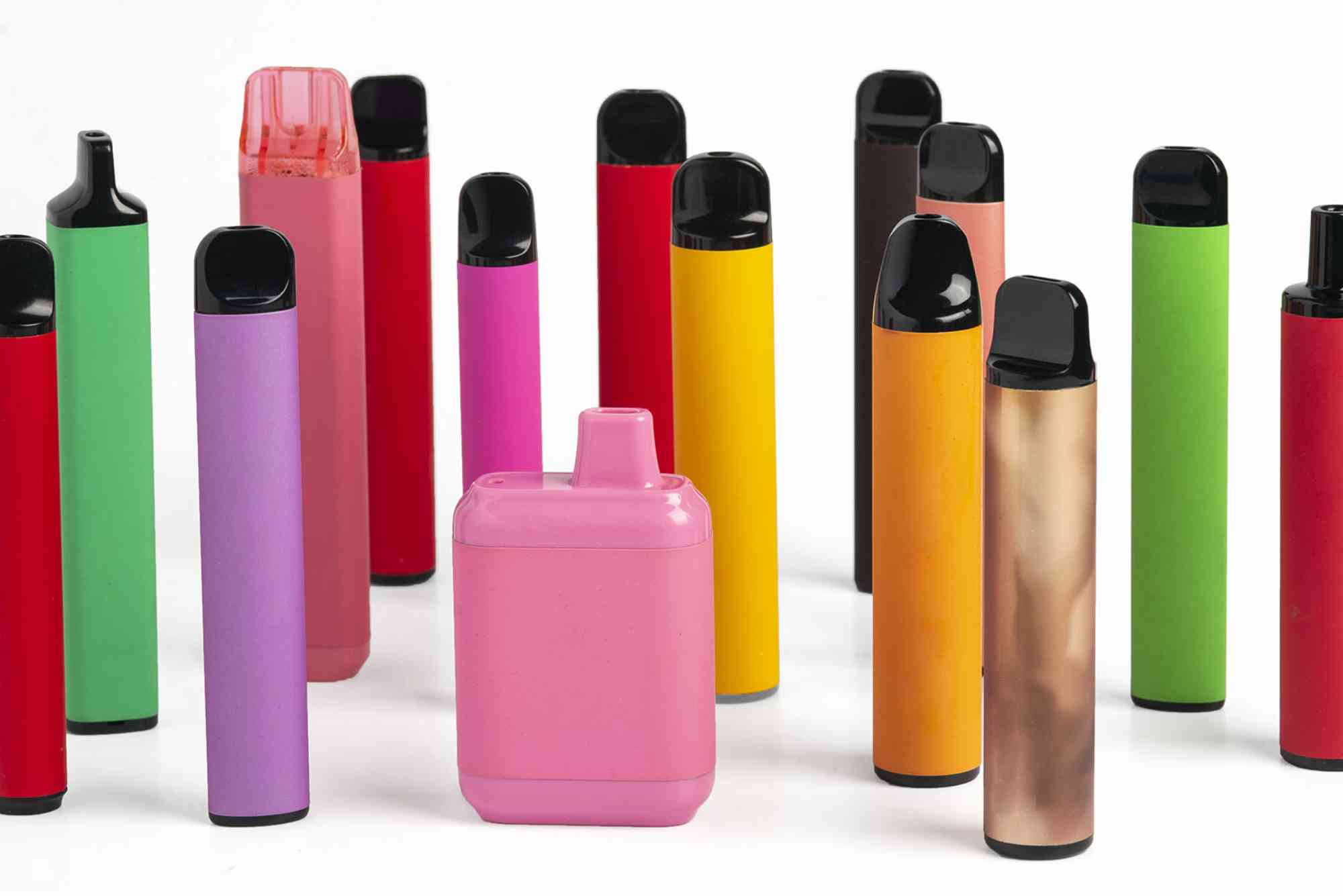
Voice‑enabled smart vapes combine voice interfaces with vaping hardware. They promise hands‑free control, personalization, and convenience. But this topic raises many questions — especially around health and safety. In this article, we explore what these devices are, how they work, and whether they are likely to stay in the market.
We’ll look at the technology behind voice interaction, the concerns from health experts, regulatory responses, and what the future might hold. Our goal is to give you a clear and responsible overview.
What Are Voice-Enabled Smart Vapes?
Definition and Concept
Voice‑enabled smart vapes are vaping devices that respond to spoken commands. Users might be able to adjust settings or track usage using voice input. The idea parallels broader trends in consumer electronics — where devices like phones and home assistants respond to speech.
This concept pulls from developments in voice‑controlled technology overview, where voice has increasingly become a natural interface for devices.
How the Voice Interaction Works
At a technical level, voice‑enabled smart vapes would integrate:
- A microphone to capture speech
- A local or cloud‑based speech recognition engine
- Commands tied to device functions
Speech recognition interprets user commands. These are translated into actions such as changing settings. The technology itself is mature in other consumer gadgets. But in vaping applications, its role raises safety questions.
The Technology Behind Voice Interaction
Voice interfaces are now common in many devices. Understanding how they function helps contextualize their use in other products.
Speech Recognition Engines
Speech recognition converts audio into text or commands. These systems use machine learning models trained on large datasets of spoken language. Well‑known examples include digital assistants like Siri and Alexa.
In smaller or proprietary devices, lightweight versions of these engines may be used.
Natural Language Processing
Natural language processing (NLP) allows the system to interpret meaning from speech. It goes beyond direct commands to understand context. This tech is evolving quickly and showing up in many voice‑enabled devices.
Privacy and Data Considerations
Any voice‑enabled product must address user privacy. Voice data can be sensitive. Companies must handle it with strict privacy protections.
Why Voice-Enabled Smart Vapes Attract Attention
Novelty and Innovation
Voice‑enabled smart vapes attract curiosity because they merge health‑related hardware with cutting‑edge interfaces. People are increasingly comfortable speaking to machines, so developers push voice features into new categories.
Consumer Convenience
The promise of hands‑free control can seem appealing. But in the case of products with health implications, convenience must be weighed against potential risks.
Health and Safety Concerns
This is where the conversation must shift from tech fascination to public health scrutiny.
Risks Associated With Vaping
Vaping — whether nicotine, cannabis, or flavored liquids — has known health risks. While marketed as alternatives to traditional smoking, they still pose significant respiratory and cardiovascular concerns. Researchers have linked vaping with lung injury and other harmful effects.
Voice integration does not mitigate these health risks. The public health community remains concerned about nicotine addiction, youth usage, and long‑term effects.
Impact on Youth and Vulnerable Populations
Youth are particularly at risk for nicotine addiction. Novel tech features can make products more attractive to younger users. That is a substantial concern for educators, parents, and health officials.
Regulatory Scrutiny
Regulators in many countries have taken action to restrict vaping products. This includes limits on marketing, flavors, and device features. Voice‑enabled functions could draw additional scrutiny if they are seen as appealing to minors.
Regulators often require rigorous testing and clear health warnings for devices that involve inhalation of substances.
Legal and Regulatory Landscape
U.S. and FDA Oversight
In the United States, the Food and Drug Administration (FDA) regulates tobacco products and related devices. The agency has taken steps to limit unauthorized vaping products and has cracked down on marketing targeting youth.
Voice‑enabled smart vapes would fall under these regulatory frameworks. Manufacturers must submit evidence of safety and public health impact before products can legally be sold.
International Approaches
Other countries vary in their approach. Some have stricter bans, while others regulate under general consumer electronics or health product standards. In all cases, public health agencies are closely watching innovations related to inhalation devices.
Market Trends and Research
Innovation vs. Public Health
Innovation drives many technologies forward. But in health‑related categories, advancement must be evidence‑based and cautiously applied. Researchers continue to study the long‑term effects of vaping.
At the same time, speech technology continues to improve. Voice interfaces are becoming more accurate and integrated into everyday devices.
Consumer Interest Levels
Interest in voice‑enabled smart vapes is often driven by tech media and concept demonstrations. Real market demand may shift as awareness of health risks grows.
Ethical Considerations
Responsible Design
Integrating advanced tech like voice control into products carries ethical responsibilities. Manufacturers should consider:
- User safety
- Privacy
- Potential for misuse
- Impact on young people
Ethical design means resisting the urge to add “bells and whistles” without a clear benefit to health or well‑being.
Marketing and Messaging
Clear, truthful messaging is essential. Marketing that obscures risks or highlights novelty can mislead consumers, especially youth.
What Experts Are Saying
Health professionals emphasize that any device that leads to inhalation of harmful substances should be evaluated carefully. Most medical bodies do not endorse vaping as a safe alternative. They stress caution and informed decision‑making.
Experts in voice technology see the integration of speech interfaces as an evolutionary step for many devices. But in categories tied to health risks, they urge restraint.
Are Voice‑Enabled Smart Vapes Here to Stay?
Technological Viability
From a purely technical perspective, voice integration is feasible. Speech recognition is well‑understood and widely implemented.
Market Acceptance
Market acceptance depends on consumer demand balanced against health concerns. If public sentiment shifts strongly against vaping, innovations in this category may decline.
Regulatory Pressure
Regulators are likely to be cautious about approving or supporting products that combine persuasive features with health risks. This could limit how widely voice‑enabled vapes are adopted.
Alternatives: Safer Paths for Voice Tech
While voice‑enabled smart vapes raise concerns, voice technology itself has many positive applications:
- Accessibility tools for people with disabilities
- Hands‑free control in vehicles and smart homes
- Voice interfaces in healthcare for monitoring and reminders
These represent areas where voice tech can enhance life without introducing health risks.
Voice‑enabled smart vapes represent a crossroads of innovation and controversy. On one hand, voice control is a natural next step in human‑machine interaction. On the other, any device tied to nicotine or inhalation products carries significant health and regulatory concerns.
At present, it is unclear whether these devices will become mainstream. Their future depends on public health research, regulatory decisions, and societal values. As voice technology evolves, we should channel innovation toward applications that improve well‑being, not compromise it.
FAQs
What are voice‑enabled smart vapes?
Voice‑enabled smart vapes are theoretical or emerging devices that combine voice commands with vaping hardware. They are not widely adopted due to health and regulatory concerns.
Do voice‑enabled vapes reduce health risks?
No. Voice features do not change the health risks associated with inhaling vaporized substances.
Are voice‑enabled vapes approved by regulators?
In most regions, innovative vaping devices must meet strict regulatory standards. voice-controlled technology overview Voice integration adds complexity and may face increased scrutiny.
How does speech recognition work in devices?
Speech recognition captures audio, processes sound into text, and interprets commands using language models. Many consumer devices use this tech for hands‑free control.
Will voice‑enabled vapes appeal to youth?
There is concern that novel features could attract younger users, which is one reason for regulatory caution.