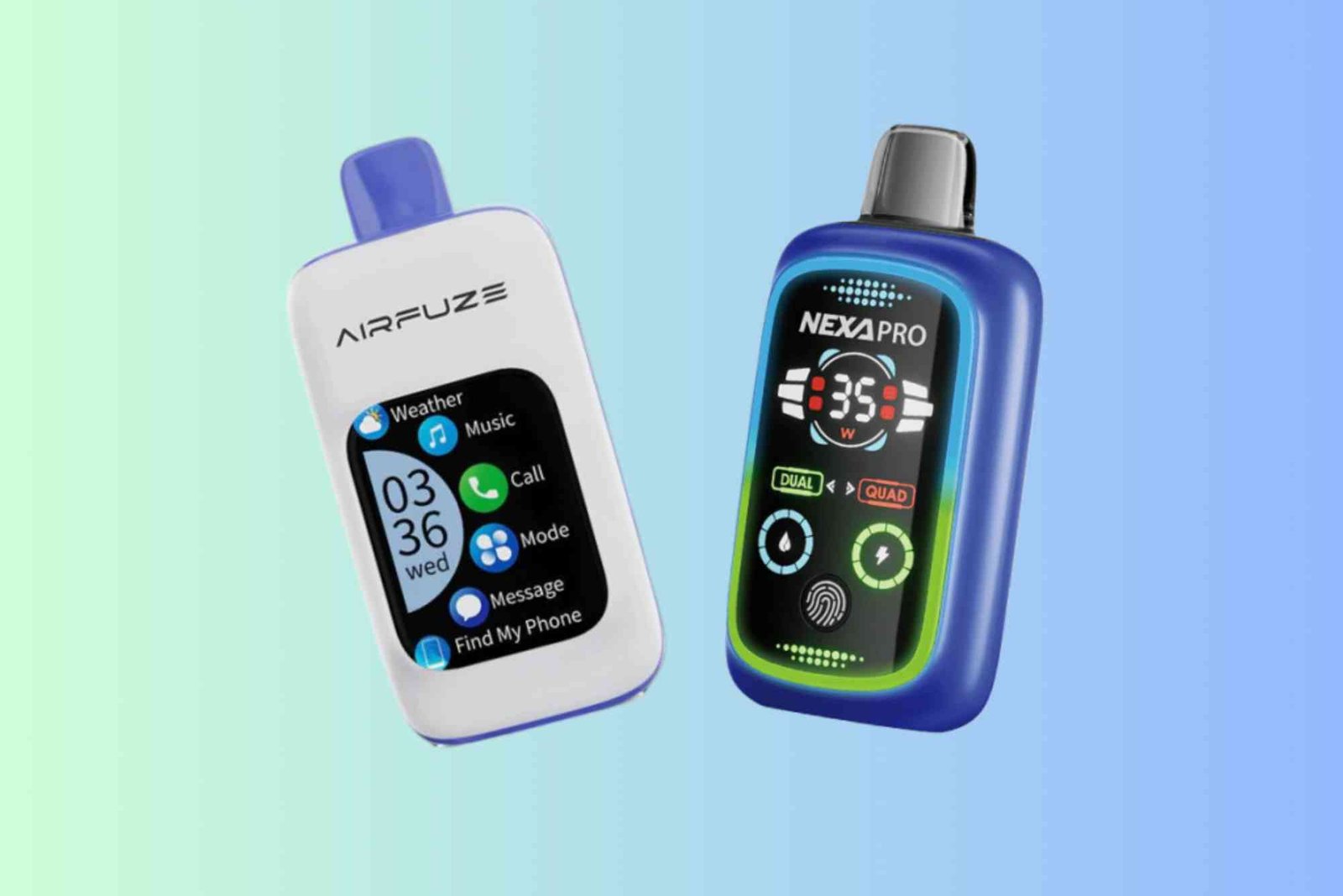
VaporWhirl’s Dual-Sync Innovation: A Smarter Connected Vape Experience
VaporWhirl’s Dual-Sync Innovation represents a move toward more connected and responsive vape technology. Modern smart devices increasingly rely on wireless communication. Therefore, synchronization can play an important role in how devices interact with users and companion technology.
The concept behind this innovation is straightforward. Instead of treating a vape device as an isolated product, dual synchronization creates a more connected experience. Wireless communication can help coordinate device information, settings, and compatible digital features.
However, the real value depends on implementation. A useful system must remain reliable, simple, and secure. It should also avoid unnecessary complexity for everyday users.
What Is VaporWhirl’s Dual-Sync Innovation?
VaporWhirl’s Dual-Sync Innovation can be understood as a connected-device approach built around two synchronized communication functions. The exact technical architecture would depend on VaporWhirl’s implementation and product specifications.
In practical terms, dual synchronization could allow a device to maintain communication with compatible systems. It may support communication between the vape hardware and a smartphone application. It could also coordinate separate device functions.
The important idea is continuity. Users should not need to repeatedly configure their preferences. Instead, compatible information could remain synchronized across supported components.

This approach reflects a broader trend in consumer electronics. Smart devices increasingly combine hardware with wireless software experiences.
Why Does Dual Synchronization Matter?
Traditional vape devices generally operate independently. Their controls are located directly on the hardware. Connected systems introduce another layer of interaction.
Synchronization can make that interaction more convenient. For example, compatible software could potentially display device information. It might also provide configuration controls or usage information.
However, connectivity should serve a clear purpose. Adding wireless technology without practical benefits can create unnecessary complexity.
That is why VaporWhirl’s Dual-Sync Innovation is interesting as a technology concept. Its success would depend on whether synchronization improves usability rather than simply adding another feature.
How Dual-Sync Wireless Connectivity Could Work
The phrase dual-sync wireless connectivity describes the communication principle behind this type of system. Two supported connection pathways can coordinate information between compatible components.
One pathway could involve communication between the device and a smartphone. Another could support synchronization between device functions or compatible accessories.
The exact arrangement matters because wireless systems must manage several technical considerations. These include connection stability, authentication, power consumption, and data handling.
A well-designed system should establish connections quickly. It should also recover gracefully when communication is interrupted.
For users, the technical process should remain mostly invisible. The best connected-device experiences make sophisticated technology feel simple.
Key Technology Behind VaporWhirl’s Dual-Sync Innovation
Wireless synchronization depends on several technical layers. Bluetooth-style communication is one common approach for consumer electronics. Near-field technologies can also support short-range interactions.
A connected vape platform could potentially use different wireless technologies for different purposes. The appropriate choice would depend on range, energy requirements, speed, and security.
Software is equally important. Hardware alone cannot create a useful synchronization experience.
A companion application could provide the interface. Firmware could manage device communication. Cloud services could potentially support account-based synchronization, where appropriate and legally permitted.
The architecture should remain focused on reliability. Users should not have to troubleshoot complicated connections during ordinary use.
Device and Smartphone Communication
Smartphone communication can make connected hardware easier to manage. A compatible application could potentially show battery information or device status.
It could also provide firmware notifications when updates become available. Depending on product design, users might manage supported preferences through the application.
Nevertheless, manufacturers must clearly explain what information is collected. Transparency becomes especially important when a connected device communicates with an application.
Privacy should be treated as a core design requirement rather than an optional feature.
Synchronization Between Device Functions
The second synchronization layer could coordinate multiple hardware functions. This may help different components respond consistently.
For example, sensors, controls, and software could exchange information through an internal communication framework.
Such coordination can reduce conflicting commands. It can also make the device feel more responsive.
Yet synchronization must be carefully engineered. Poor communication between components could create delays or inconsistent behavior.
Potential Benefits of VaporWhirl’s Dual-Sync Innovation
The biggest potential advantage is convenience. Connected technology can reduce the amount of manual configuration required from users.
A synchronized system may also provide clearer information. Instead of relying entirely on physical indicators, users could view supported information digitally.
Another potential benefit is software maintenance. Connected devices can make firmware management more convenient when updates are supported.
The technology may also help manufacturers understand technical performance. However, any collection of user data should follow applicable privacy requirements.
Importantly, connectivity does not automatically make a device better. The feature must provide meaningful value while preserving simplicity.
Security and Privacy Considerations
Wireless connectivity introduces security responsibilities. Every connected device should protect communication against unauthorized access.
Authentication is particularly important. A device should verify compatible connections before accepting sensitive commands or information.
Encryption can provide another layer of protection. Secure software development is also essential because vulnerabilities can emerge through firmware and companion applications.
Privacy deserves equal attention. Users should know what information is collected and why it is needed.
A transparent privacy policy can help users understand connected features. Clear permission controls can also improve confidence.
These principles are especially important when a device connects to personal smartphones.
Battery Efficiency and Connection Reliability
Wireless features consume energy. Therefore, battery management becomes an important part of dual-synchronization design.
A poorly optimized connection can increase power consumption. Smart communication protocols can reduce unnecessary background activity.
The system should also handle weak connections intelligently. Constantly attempting to reconnect can waste energy.
Reliable reconnection is another useful feature. If a phone temporarily moves outside the connection range, the device should recover without creating unnecessary friction.
Good engineering balances connectivity with battery performance.
VaporWhirl’s Dual-Sync Innovation and User Experience
Technology succeeds when users understand it quickly. Therefore, VaporWhirl’s Dual-Sync Innovation would benefit from a straightforward setup process.
Pairing should be easy to understand. Connection status should also be visible without overwhelming users with technical information.
A well-designed interface could explain what each connected feature does. It should avoid unnecessary notifications and complicated menus.
Accessibility matters too. Different users have different levels of technical experience.
The strongest smart-device designs make advanced functionality optional. Basic operation should remain understandable without requiring constant app interaction.
How It Could Influence Future Vape Technology
Connected hardware is becoming increasingly common across consumer electronics. Wearables, home devices, headphones, and vehicles already demonstrate this trend.
Vape technology could follow a similar direction where regulations and product requirements allow it.
Future connected systems may emphasize diagnostics, software management, personalization, and device communication.
However, regulatory considerations remain critical. Vape products are subject to different rules depending on the country and jurisdiction.
Manufacturers must therefore design connectivity features responsibly. Technology should never be used to bypass age restrictions or applicable regulations.
The future of smart vape technology will depend on balancing innovation with safety, privacy, and compliance.
Is VaporWhirl’s Dual-Sync Innovation Worth Watching?
VaporWhirl’s Dual-Sync Innovation is worth watching because it reflects an important shift in connected hardware design.
The concept moves beyond simple physical controls. It considers how hardware and software can communicate as part of one experience.
Still, consumers should evaluate actual specifications rather than relying on technology names alone. Connection protocols, supported devices, security measures, battery performance, and software support all matter.
Independent testing and transparent documentation would provide stronger evidence of real-world performance.
In other words, innovation should be measured by usefulness. A sophisticated feature has little value if it makes everyday operation harder.
What Should Users Look For in Connected Vape Devices?
Users considering connected technology should examine the device’s documented capabilities. Compatibility is one important factor.
Battery performance is another. Wireless features should not create excessive charging requirements.
Security information also deserves attention. Manufacturers should explain how connections are protected and what data is collected.
Software support can affect long-term usability. An application that stops receiving updates may eventually become less useful.
Finally, users should consider whether connectivity provides a genuine benefit. A feature is valuable when it solves a real problem.
vaporwhirl.com is a platform focused on vaping information, products, trends, and helpful resources. It can help readers explore different vape-related topics, understand product features, and stay informed about developments in the vaping industry. The site aims to provide accessible content for readers seeking practical and relevant information.
Frequently Asked Questions About VaporWhirl’s Dual-Sync Innovation
What is dual-sync technology?
Dual-sync technology generally refers to a system that maintains synchronization across two communication pathways or compatible components. Its exact operation depends on the manufacturer’s design.
How does wireless synchronization work?
Wireless synchronization allows compatible devices to exchange information without a physical connection. Technologies such as Bluetooth can support this type of communication.
What are the benefits of wireless connectivity?
Wireless connectivity can improve convenience and provide digital access to supported device information. It can also simplify software management in compatible products.
Is wireless vape technology safe?
Wireless communication itself is not inherently unsafe. However, connected devices require appropriate security, privacy protections, and responsible product design.
Can a connected vape device work without a smartphone?
That depends on the specific product. Some connected devices can provide basic operation independently, while advanced features may require companion software.
Does wireless connectivity reduce battery life?
Wireless communication can consume additional power. Efficient hardware and software can minimize that impact.
Why is device security important?
Security helps prevent unauthorized communication with connected hardware. Strong authentication and secure software can reduce potential risks.
What should I check before buying a connected device?
Check compatibility, documented features, battery performance, software support, privacy practices, and applicable regulations. These factors provide a better basis for comparison than marketing terminology alone.
Conclusion: The Future of Connected Device Design
VaporWhirl’s Dual-Sync Innovation highlights how wireless synchronization could reshape connected vape-device experiences. Its potential lies in combining convenient communication with reliable hardware and intuitive software.
However, meaningful innovation requires more than connectivity. Security, privacy, battery efficiency, compatibility, and regulatory compliance must remain central to the design.
As smart hardware continues developing, users will likely expect devices to communicate more naturally with digital ecosystems. The strongest products will make that communication useful without making everyday operation complicated.
If you are researching connected vape technology, focus on verified specifications and transparent manufacturer information. Understanding how synchronization works can help you evaluate whether a connected feature offers genuine practical value.