Vaping vs Smoking: What New Users Should Know
Deciding between vaping and smoking can be overwhelming for beginners. With conflicting opinions online, it’s easy to feel lost. This guide explains the real differences between vaping and smoking, specifically tailored for those new to both. Whether you’re considering quitting cigarettes or simply curious about vape devices, this article will help you make an informed choice.
Understanding the pros, cons, health implications, and user experiences of vaping vs smoking for beginners is essential. We’ll break down everything clearly, without bias, so you can decide what’s best for you or someone you care about.
What Is Smoking?
Smoking refers to the act of inhaling and exhaling the smoke of burning tobacco wrapped in paper, usually in the form of cigarettes. Cigarettes contain thousands of chemicals, many of which are harmful and addictive.
How It Works
When you light a cigarette, tobacco burns and produces smoke. That smoke carries nicotine and other substances into your lungs. From there, nicotine enters your bloodstream and reaches your brain in seconds. It creates a temporary feeling of relaxation or alertness, which is why people often become dependent on it.
Health Risks of Smoking
Smoking is one of the leading causes of preventable deaths worldwide. It can lead to:
- Lung cancer
- Heart disease
- Stroke
- Chronic bronchitis
- Emphysema
Even light or occasional smoking increases these risks significantly. And secondhand smoke can harm others around you, including pets and children.
What Is Vaping?
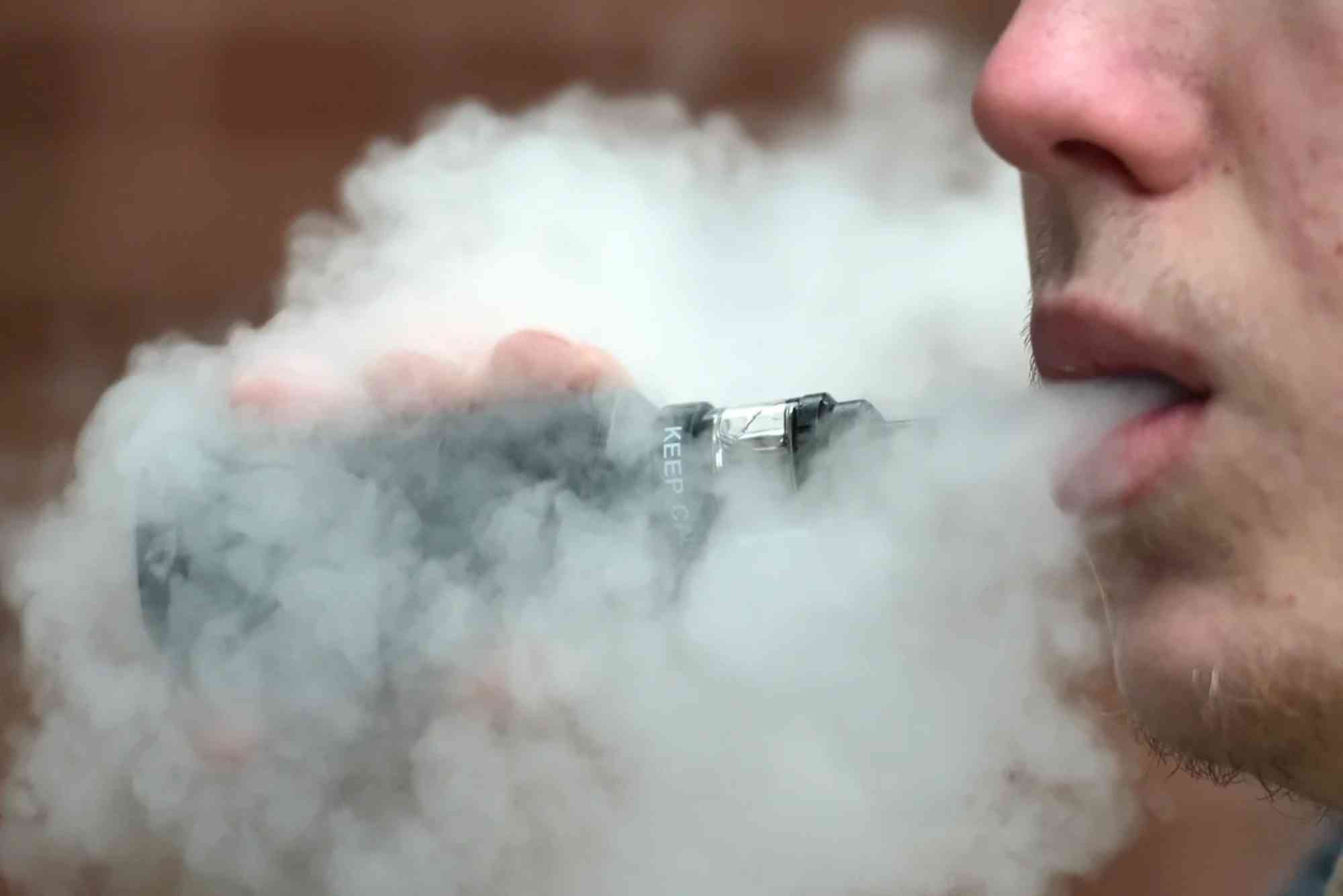
Vaping involves inhaling vapor produced by an electronic device called a vape or e-cigarette. The vapor is generated by heating a liquid (called e-liquid or vape juice) that typically contains nicotine, flavorings, and other ingredients.
How It Works
A vape device includes a battery, coil, and tank or pod filled with e-liquid. When you inhale or press a button (depending on the model), the coil heats the liquid and turns it into vapor. You then inhale that vapor into your lungs.
Unlike smoking, vaping doesn’t involve combustion. No tobacco is burned, and therefore no smoke is produced—only aerosolized vapor.
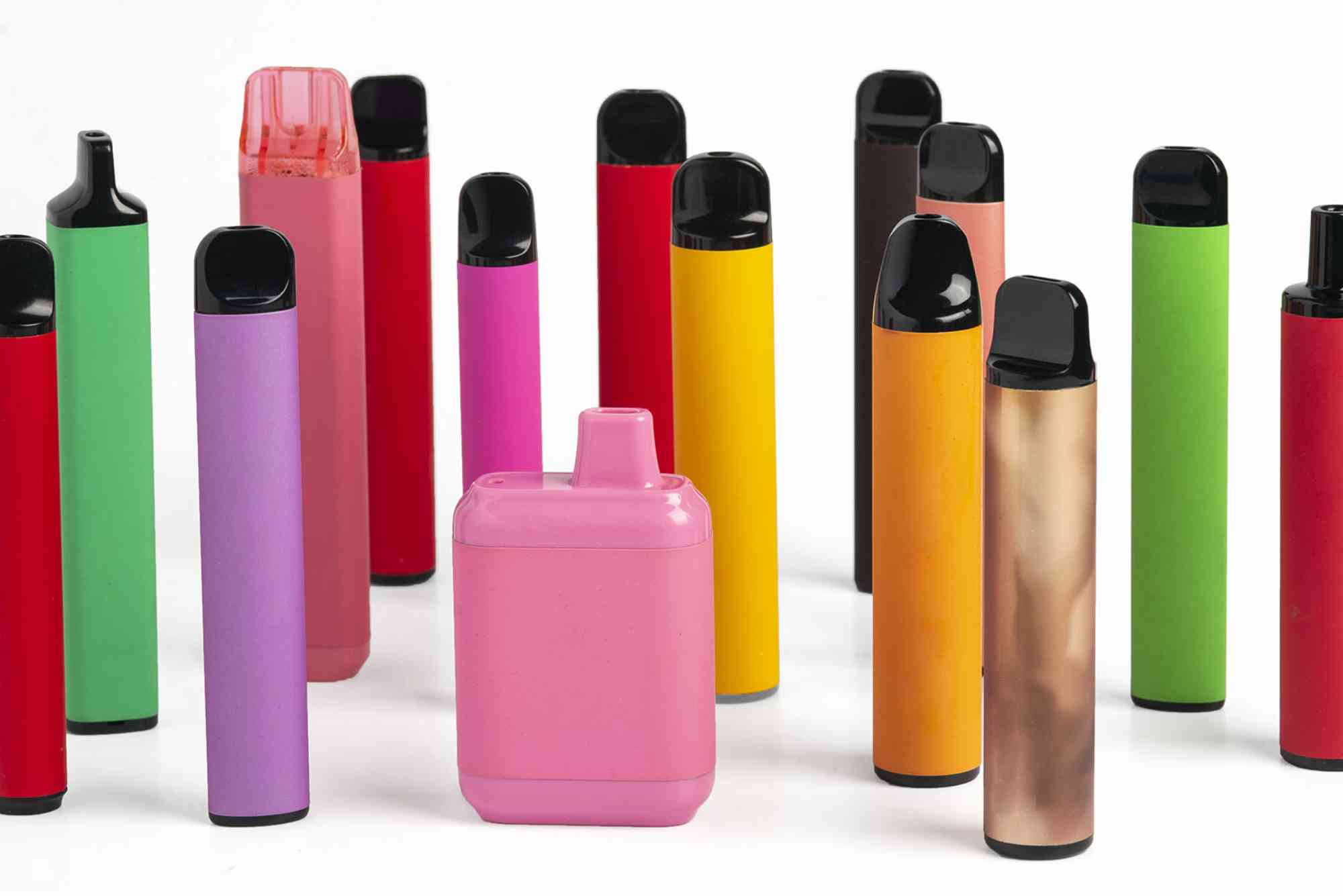
Types of Vape Devices
New users often start with:
- Pod systems: Compact and easy to use
- Disposable vapes: Pre-filled, no maintenance
- Vape pens: Slightly larger but more customizable
Understanding how each device works can help beginners avoid frustration and make the transition easier.
Vaping vs Smoking for Beginners: Key Differences
Let’s look at how vaping and smoking compare from a beginner’s perspective. Each has unique characteristics that may influence your choice.
Health Impact
While no form of nicotine consumption is completely safe, vaping is considered less harmful than smoking. According to Public Health England (now part of the UK Office for Health Improvement and Disparities), vaping is estimated to be 95% less harmful than smoking.
Smoking exposes you to tar, carbon monoxide, and thousands of harmful chemicals. Vaping, while not without risk, eliminates many of these toxic byproducts because there is no burning.
That said, the long-term health effects of vaping are still being studied. Beginners should be cautious and informed when choosing any nicotine product.
Smell and Staining
Cigarette smoke leaves a strong odor that clings to clothes, hair, furniture, and breath. It also stains teeth and walls over time.
Vaping, on the other hand, produces a mild aroma that dissipates quickly. It generally doesn’t stain or linger in the environment, making it a more discreet option.
Cost for Beginners
Smoking is expensive. In most countries, cigarette prices continue to rise due to taxes and regulations.
Vaping has an upfront cost (buying a device), but ongoing costs like e-liquid and coils are usually lower in the long term—especially if you refill your own pods or use reusable devices.
For beginners trying to save money while transitioning from cigarettes, vaping may offer a more affordable path over time.
Ease of Use
Smoking is straightforward: light, inhale, exhale. Vaping devices can be a bit more complex at first.
However, modern vape products—especially pod systems and disposables—are beginner-friendly. No buttons, no refilling, just inhale. Once you understand how they work, many users find vaping more customizable and satisfying than smoking.
Nicotine Control
One major benefit of vaping for beginners is the ability to choose your nicotine level. E-liquids come in various strengths, allowing you to gradually reduce nicotine intake over time.
Cigarettes don’t offer that flexibility. Each stick has a fixed nicotine dose, and quitting often requires external aids like patches or gum.
Social Acceptance
Vaping is generally more socially accepted in many public places where smoking is banned. However, rules vary depending on your region. It’s important to check local laws regarding where you can vape.
Still, most people find vaping to be less intrusive in social settings due to the lack of offensive smell and smoke.
Why Many Beginners Choose Vaping Over Smoking
For someone new to nicotine or trying to quit smoking, vaping presents several advantages:
- Less harmful chemicals
- Greater control over nicotine
- More flavors and device options
- Less stigma in public settings
- No lingering odor
Still, it’s important to approach vaping with a clear understanding of its risks. Vaping VS Smoking Beginners Nicotine is addictive, whether it comes from cigarettes or vape juice. For non-smokers, it’s always best not to start either habit.
Real Experiences: What Beginners Say
Many users switching from smoking to vaping report improvements in how they feel—better breathing, more energy, and fewer coughing fits.
For example, someone who smoked a pack a day for years might notice after a week of vaping that they can walk longer without wheezing or that their sense of taste and smell improves.
It’s not a miracle fix, but vaping often becomes a useful tool for those trying to quit cigarettes or avoid starting them in the first place.
What Are the Risks of Vaping for Beginners?
While vaping avoids the dangers of combustion, it’s not entirely risk-free. Some concerns include:
- Possible lung irritation from certain vape ingredients
- Risk of nicotine dependence
- Poorly made or unregulated products
- Potential impact on teens and young adults
Beginners should stick to reputable brands, avoid black-market products, and educate themselves on device safety and proper use. Misuse (like overcharging a device or using incompatible parts) can lead to injury.
How to Transition from Smoking to Vaping
If you’re a smoker looking to switch, the following tips can help:
- Start with a pod system that mimics the feel of smoking.
- Choose a nicotine strength that matches your cigarette habit.
- Stick with tobacco or menthol flavors if that helps the transition.
- Don’t expect vaping to feel exactly like smoking—it takes a few days to adjust.
- Visit a vape shop for a personalized recommendation if possible.
Quitting smoking is hard, but vaping can ease the process when used mindfully.
Frequently Asked Questions
Is vaping better than smoking for beginners?
Yes, for those already smoking, vaping is generally considered a safer alternative due to fewer toxic chemicals. However, non-smokers should avoid both.
Can you get addicted to vaping like smoking?
Absolutely. Vaping liquids often contain nicotine, which is highly addictive. Beginners should monitor their intake to avoid dependency.
Is vaping easier to quit than smoking?
Many users find it easier to taper off vaping than cigarettes because they can control nicotine levels. That said, it still requires effort and support.
Does vaping help quit smoking?
For many, yes. Several studies show vaping can be more effective than traditional nicotine replacement therapies. But results vary per person.
Is secondhand vapor harmful like cigarette smoke?
Secondhand vapor is considered less harmful than cigarette smoke, but it’s not completely risk-free. It’s best to vape in well-ventilated areas and avoid vaping around children or pets.