Introduction
Fashion constantly evolves as people explore new ways to express their personalities. Sustainability has also become an important conversation within modern fashion. Consumers increasingly consider materials, product quality, durability, and environmental responsibility before purchasing accessories. Meanwhile, vaping culture has developed its own visual identity through device designs and personal accessories. Vaping Meets Sustainability: How Vape Accessories are Changing the Fashion Game explores this intersection between personal style, product design, and environmental awareness. However, an important distinction matters: vaping is not environmentally harmless. Disposable devices, batteries, plastic components, and electronic waste create genuine environmental concerns. Therefore, understanding responsible product design is essential when discussing sustainability and fashion.
Understanding Vaping Meets Sustainability: How Vape Accessories are Changing the Fashion Game
Vaping accessories have become part of a wider lifestyle conversation. Their appearance, materials, and practical features influence how consumers perceive personal devices. However, sustainability introduces another dimension to these purchasing decisions.
Modern fashion increasingly values thoughtful design rather than unnecessary decoration. This approach encourages consumers to consider whether products are durable, repairable, and responsibly manufactured. Similar questions can apply to electronic accessories.
Vaping Meets Sustainability: How Vape Accessories are Changing the Fashion Game highlights how design choices influence consumer expectations. Stylish products may attract attention, but responsible manufacturing deserves equal consideration.
For example, manufacturers can investigate recyclable packaging, replaceable components, and reduced plastic use. These improvements may help limit unnecessary waste when supported by effective collection and recycling systems.
Why Sustainability Is Becoming Important in Modern Fashion
Sustainability has become a significant consideration across the fashion industry. Consumers increasingly recognize the environmental consequences of producing, purchasing, and disposing of everyday products.

Traditional fashion production can involve excessive water consumption, chemical processing, transportation emissions, and textile waste. Consequently, designers are exploring better materials and manufacturing methods.
The growing interest in sustainable fashion demonstrates how environmental responsibility can influence purchasing decisions. This movement also encourages people to evaluate accessories beyond their appearance.
Although vaping products belong to the electronics category, their accessories can reflect similar design principles. Reusable materials, longer product lifespans, and responsible disposal deserve greater attention.
Vaping Meets Sustainability: How Vape Accessories are Changing the Fashion Game connects these ideas through an evolving discussion about consumer choices.
The Role of Eco-Conscious Materials in Vape Accessories
Material selection plays an important role in product design. Accessories made with durable materials can potentially remain useful longer than cheaply manufactured alternatives.
However, calling a product environmentally friendly requires more than attractive packaging or natural-looking materials. Manufacturers must consider sourcing, processing, transportation, durability, and disposal.
Reusable and Durable Materials
Durability is an important consideration when evaluating electronic accessories. A protective case that survives regular handling may need replacement less frequently.
Manufacturers can explore responsibly sourced metals, recycled plastics, and other suitable materials. Nevertheless, recycled content should be supported by transparent manufacturing information.
Some materials also require specialized recycling processes. Therefore, consumers should check whether suitable collection facilities exist.
Reducing Unnecessary Packaging
Packaging creates another opportunity for environmental improvement. Excessive plastic wrapping and decorative materials can increase unnecessary waste.
Manufacturers can investigate minimal packaging and responsibly sourced cardboard. Clear recycling instructions can also help consumers make better disposal decisions.
However, packaging improvements cannot compensate for disposable electronics or poorly managed batteries.
How Vape Accessories Influence Personal Style
Accessories often communicate personal preferences through colors, textures, shapes, and overall presentation. Fashion-conscious consumers frequently select products that complement their everyday belongings.
Vape accessories have developed a recognizable visual language. Protective cases, storage pouches, and carrying accessories can feature different materials and design approaches.
Nevertheless, fashionable presentation should not encourage nicotine consumption or make vaping appealing to young audiences. Responsible design should prioritize practical use rather than promoting addictive products.
Vaping Meets Sustainability: How Vape Accessories are Changing the Fashion Game also raises questions about whether modern accessories can combine attractive designs with longer-lasting construction.
Minimalist Designs and Modern Aesthetics
Minimalism remains influential across contemporary product design. Clean shapes, neutral colors, and simple finishes create a timeless appearance.
This approach can also reduce unnecessary decorative elements. Manufacturers may focus on functional details instead of producing accessories designed around short-lived trends.
A well-designed accessory should serve its intended purpose without requiring frequent replacement.
Personalization and Individual Expression
Personalization allows consumers to choose accessories that reflect their preferences. Different finishes, protective covers, and storage solutions can create distinctive appearances.
However, customization should not result in unnecessary material consumption. Replaceable decorative elements and durable base products may offer a more practical approach.
Responsible design balances personal expression with product longevity.
The Environmental Challenges of Vape Accessories
Sustainability discussions must recognize the environmental problems associated with vaping products. Disposable devices create particular concerns because they contain multiple materials.
Many devices include lithium-ion batteries, electronic components, plastic housings, and metal connections. These materials require appropriate handling after disposal.
Electronic Waste and Battery Disposal
Discarded vaping devices can contribute to electronic waste. Their batteries may create fire risks when damaged or placed in ordinary household rubbish.
Lithium-ion batteries should never be punctured, crushed, or burned. Consumers should follow local hazardous-waste and battery collection guidance.
Where available, designated electronic-waste facilities provide more appropriate disposal routes.
The Problem With Disposable Products
Disposable vaping devices are designed for limited use. Consequently, they can generate repeated waste from batteries, packaging, and electronic components.
Reusable designs may reduce replacement frequency when products are properly maintained. However, reusable devices still require responsible battery management and eventual recycling.
A genuinely sustainable approach must consider the complete product lifecycle rather than focusing only on appearance.
How Responsible Design Can Improve the Future
Product designers have opportunities to rethink how electronic accessories are manufactured. Better planning can address environmental concerns while maintaining practical functionality.
Manufacturers can investigate repairable components, standardized connections, durable protective materials, and accessible recycling information.
These improvements require cooperation between designers, manufacturers, retailers, and recycling organizations.
Vaping Meets Sustainability: How Vape Accessories are Changing the Fashion Game is therefore about more than visual trends. It also concerns how businesses respond to environmental expectations.
Repairability and Longer Product Lifespans
Repairability can reduce unnecessary replacement when products are designed appropriately. Easily replaceable non-electronic components may extend an accessory’s useful life.
Manufacturers should also provide clear information about compatible replacement parts. However, electrical repairs and battery replacements should only be performed by qualified professionals.
Transparent Manufacturing Practices
Transparency helps consumers understand what they purchase. Companies can explain material sourcing, packaging choices, manufacturing standards, and disposal instructions.
Environmental claims should also include supporting evidence. Terms such as green, eco-friendly, and sustainable should not replace measurable information.
Clear communication helps distinguish genuine improvements from greenwashing.
The Connection Between Sustainable Fashion and Consumer Awareness
Consumer awareness influences the direction of modern product development. People increasingly ask questions about manufacturing practices and environmental consequences.
Fashion brands have responded through recycled fabrics, responsible sourcing, and longer-lasting designs. Electronic accessory manufacturers can learn from these developments.
However, sustainability should never become an advertising excuse for harmful consumption.
Consumers should evaluate the actual environmental impact of products instead of relying on attractive branding. They should also consider whether an accessory is genuinely necessary.
Vaping Meets Sustainability: How Vape Accessories are Changing the Fashion Game reflects this broader shift toward informed purchasing decisions.
Social Media, Fashion Trends, and Environmental Responsibility
Social media influences how people discover fashion and lifestyle products. Product photography, influencer content, and online communities can quickly introduce new visual trends.
However, social media can also encourage unnecessary purchasing. Constant exposure to new accessories may create pressure to replace products before they become unusable.
Responsible content should emphasize durability, informed consumption, and environmental awareness.
Fashion conversations can also discuss the environmental costs of electronic waste. This approach provides a more balanced perspective than focusing exclusively on appearance.
Importantly, promotional content involving vaping should follow applicable advertising restrictions and avoid targeting minors.
What Should Consumers Consider Before Purchasing Accessories?
Consumers can make more informed decisions by examining product quality and environmental information. Material transparency, durability, and disposal options deserve attention.
A well-made accessory should offer practical protection and remain useful for an appropriate period. Excessive packaging and unnecessary decorative features may indicate avoidable consumption.
Buyers should also investigate local recycling arrangements before disposing of electronic products. Regular rubbish bins are not suitable for loose lithium-ion batteries.
Ultimately, responsible purchasing involves understanding both product benefits and environmental limitations.
The Future of Vaping Meets Sustainability: How Vape Accessories are Changing the Fashion Game
The relationship between electronic accessories, fashion, and sustainability will continue evolving. Manufacturers face increasing expectations to address waste and improve product transparency.
Future product development may explore recycled materials, modular designs, repairable components, and improved recycling systems.
Nevertheless, innovation alone cannot eliminate the environmental consequences of vaping. Disposable products, battery waste, and manufacturing emissions remain important concerns.
Vaping Meets Sustainability: How Vape Accessories are Changing the Fashion Game represents an opportunity to discuss these challenges honestly.
The strongest future designs will prioritize practical functionality, durability, and responsible material management. Fashion can influence appearance, but environmental responsibility must influence the entire manufacturing process.
Conclusion
Vaping Meets Sustainability: How Vape Accessories are Changing the Fashion Game highlights an important conversation about product design, environmental responsibility, and modern consumer culture. Fashion can influence how accessories look, but sustainability requires much deeper consideration. Durable materials, responsible manufacturing, reduced packaging, and proper electronic-waste disposal all matter.
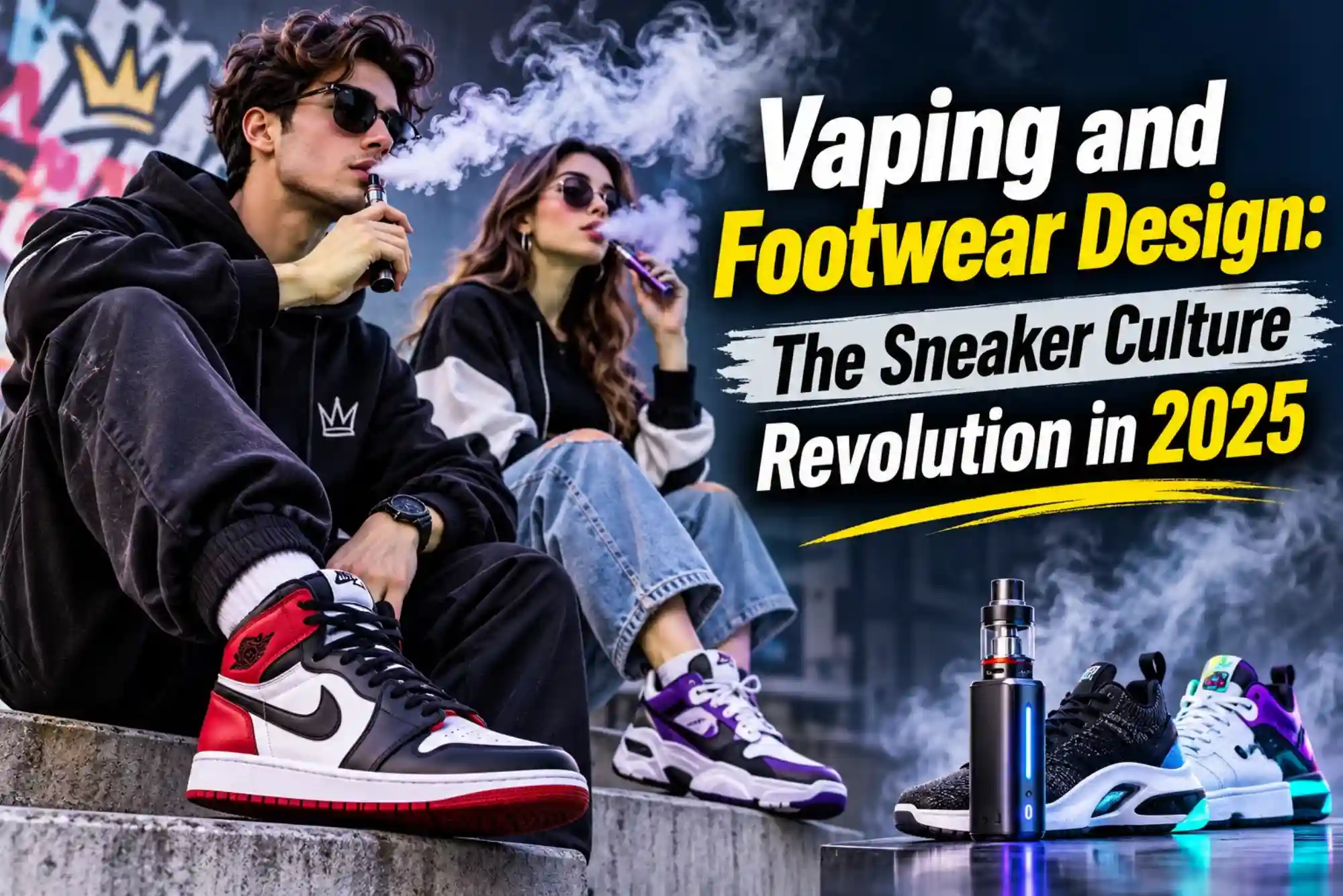
Vaping and footwear reflect how modern lifestyle trends influence personal style and streetwear fashion. From creative sneaker designs to bold accessories, fashion continues to evolve through cultural influences. Exploring the connection between vaping culture and footwear highlights how individuality, creativity, and contemporary fashion trends shape unique looks.
Frequently Asked Questions
How can fashion become more sustainable?
Fashion can become more sustainable through responsible material sourcing, durable designs, reduced waste, and improved manufacturing practices. Consumers can also support longer product lifespans.
What are sustainable fashion accessories?
Sustainable fashion accessories are products designed with environmental considerations. They may use recycled materials, responsible sourcing, durable construction, and reduced packaging.
Why is sustainable fashion important?
Sustainable fashion helps address environmental challenges associated with manufacturing and consumption. It encourages responsible resource use, reduced waste, and greater supply-chain transparency.
Are reusable products better for the environment?
Reusable products can reduce waste when they replace frequently discarded alternatives. However, their overall environmental impact depends on manufacturing, maintenance, lifespan, and disposal.
How should vape accessories be disposed of?
Electronic vaping devices should follow local electronic-waste and battery disposal requirements. They should never be placed in ordinary rubbish when battery recycling facilities are available.
What materials are used in modern vape accessories?
Vape accessories may contain plastics, metals, silicone, fabrics, and electronic components. Their environmental impact depends on material sourcing, manufacturing, durability, and disposal.
Discover a fresh perspective on modern vaping trends, innovative devices, and evolving vape culture with VaporWhirl. Whether you are interested in vaping technology, product insights, or the latest industry developments, VaporWhirl offers engaging information to help readers stay informed.