Introduction
Vaping has grown rapidly across Australia, with many people turning to e-cigarettes as an alternative to smoking. However, the laws around vaping vary from state to state, making it essential for vapers to understand local regulations. In Queensland, vaping laws underwent significant updates in 2022. These changes aimed to address public health concerns, protect young people from nicotine addiction, and regulate the sale and use of e-cigarettes more effectively. Understanding vaping laws Queensland 2022 is vital for both vapers and retailers because failing to comply could result in fines or legal consequences. Beyond the legal framework, these laws also have a direct connection to public health, influencing how vaping is perceived and practiced across the state.
This article explores Queensland’s vaping laws introduced in 2022, their implications on vaping health, and what they mean for consumers, businesses, and policymakers. By the end, you will have a clearer understanding of where vaping stands in Queensland and how these laws impact health outcomes.
Vaping Laws Queensland 2022: An Overview
In 2022, Queensland strengthened its tobacco and vaping legislation to align more closely with national policies while addressing local health concerns. The laws focus on restricting sales, limiting advertising, and controlling the use of nicotine-containing e-liquids. The government emphasized youth protection, as rising vaping rates among teenagers became a major concern.
Under vaping laws Queensland 2022, it is illegal to sell nicotine e-cigarettes or nicotine liquids without a prescription. This aligns with the national Therapeutic Goods Administration (TGA) ruling, which classified nicotine vaping products as prescription-only medicines. Retailers can only sell non-nicotine vaping products, and even these face strict restrictions on display and marketing.
The laws also extend smoke-free area bans to include vaping. This means places where smoking is prohibited—such as restaurants, public transport stops, hospitals, and schools—also ban vaping. This approach places vaping and smoking under similar restrictions in public spaces.
Key Regulations Under Vaping Laws Queensland 2022
Prescription Requirements for Nicotine Vapes
One of the most notable aspects of Queensland’s vaping laws is the prescription requirement. Anyone who wishes to use nicotine vapes legally must obtain a prescription from a medical professional. Pharmacies, not vape shops, are authorized to supply nicotine e-liquids. This measure aims to prevent easy access to nicotine among young people while still supporting smokers who want to quit cigarettes through medical guidance.
Retail Restrictions
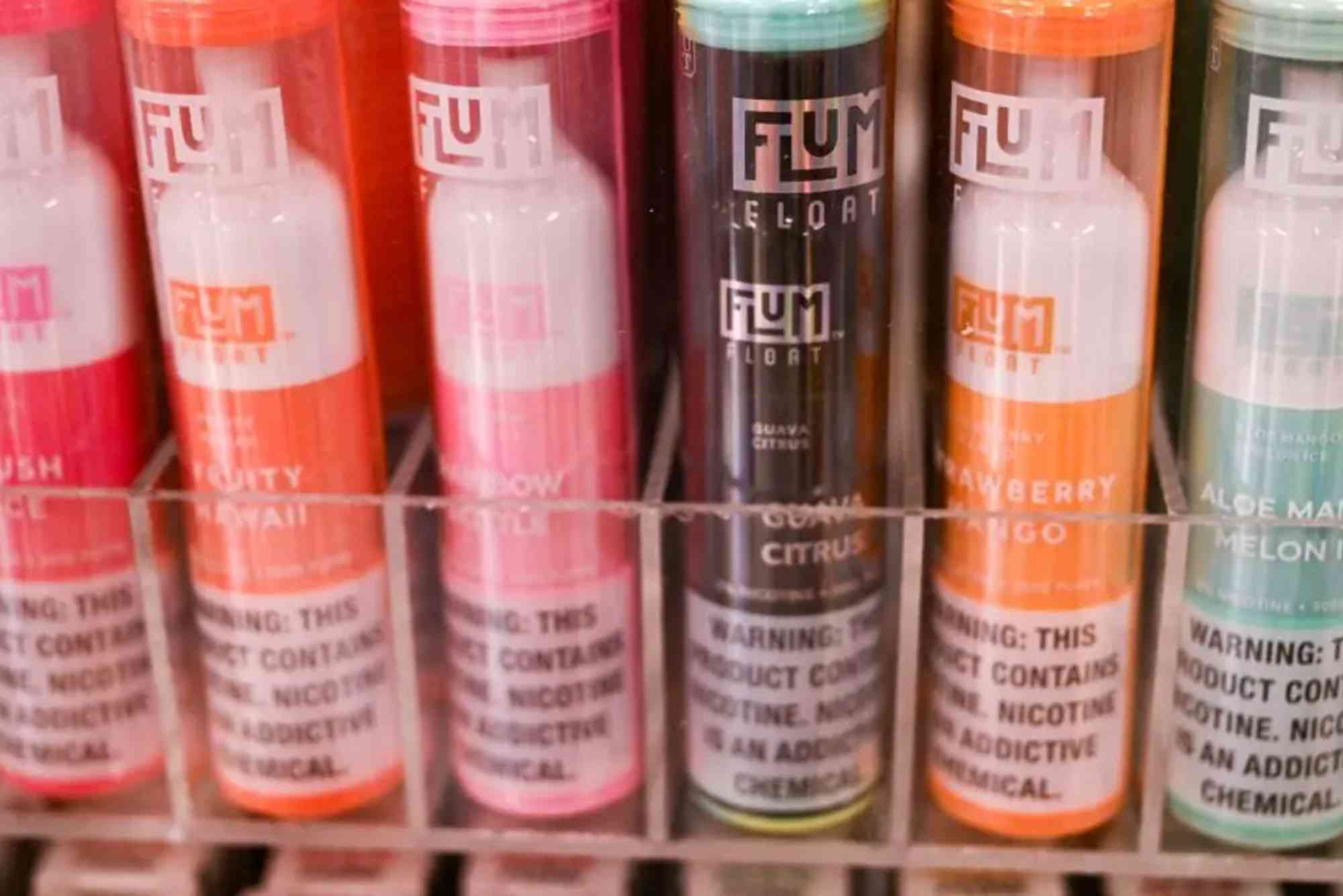
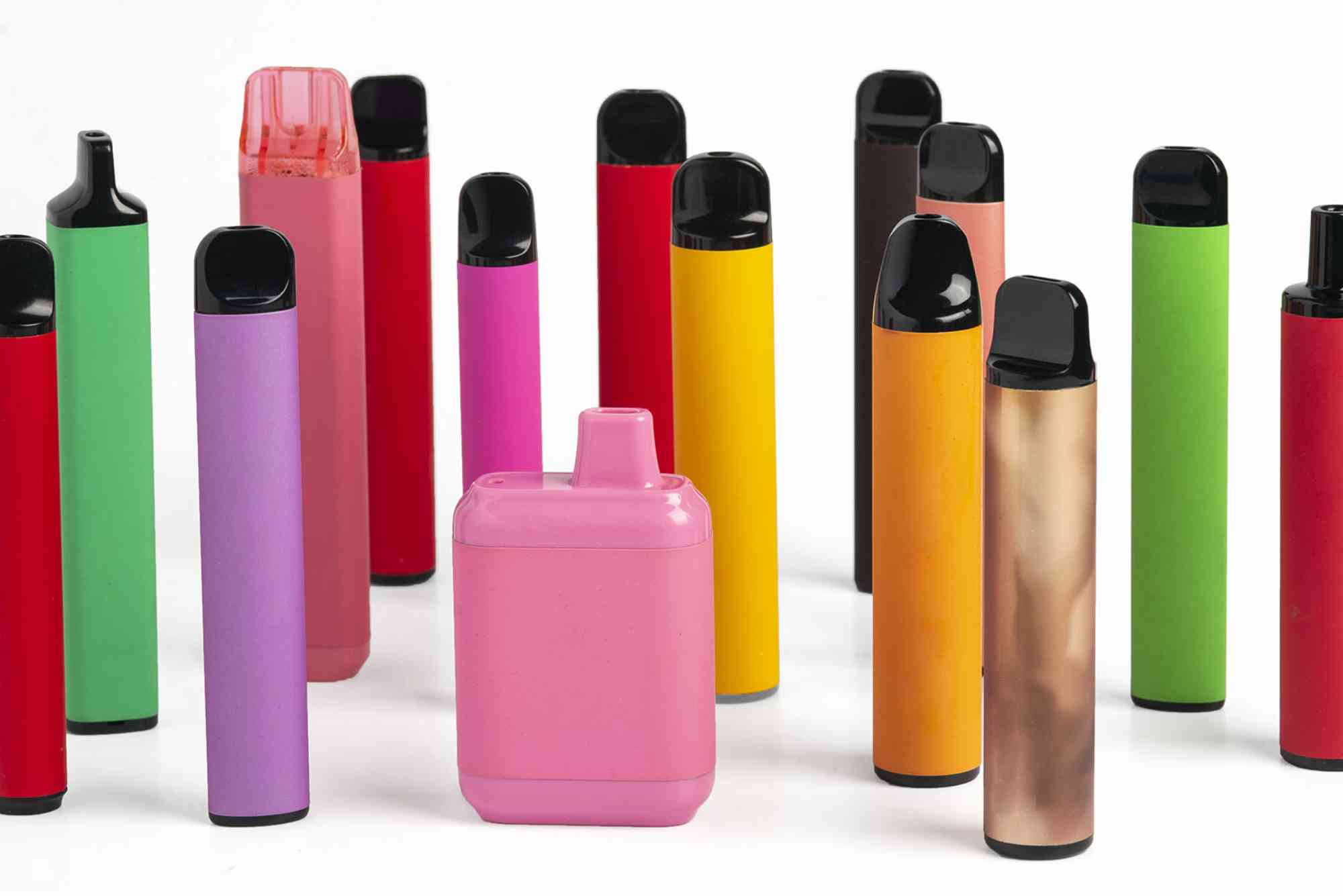
Retailers in Queensland are prohibited from selling nicotine vaping products without TGA approval. Even non-nicotine vaping devices must comply with strict packaging and advertising laws. Retail displays that attract young customers, such as bright packaging or influencer marketing, are not allowed. This restriction aligns with tobacco control strategies, ensuring vaping is not glamorized.
Smoke-Free Zone Extensions
The laws extend bans on smoking to vaping, covering areas like playgrounds, educational facilities, shopping centers, bus stops, and health precincts. Vapers must treat their devices as they would cigarettes in these spaces. Authorities have the power to issue fines for breaches, ensuring compliance.
Age Restrictions
Just like cigarettes, e-cigarettes and vaping devices cannot be sold to individuals under 18. Supplying these products to minors is illegal, with penalties for both retailers and adults who provide them. This rule reflects growing concerns about vaping among teenagers and its potential to act as a gateway to nicotine addiction.
The Health Impact of Vaping Laws Queensland 2022
The 2022 vaping laws in Queensland were not just about legal control—they were also intended to protect public health. With vaping becoming more popular, especially among young people, regulators were under pressure to respond quickly.
Protecting Young People from Nicotine Addiction
The prescription model aims to prevent youth from easily accessing nicotine products. Studies show that young people who start vaping are more likely to move on to smoking traditional cigarettes. By tightening access, Queensland hopes to reduce youth vaping rates and long-term addiction risks.
Balancing Harm Reduction and Safety
Health experts remain divided on vaping’s role in smoking cessation. On one hand, e-cigarettes are less harmful than tobacco, making them a potential tool for smokers who want to quit. On the other hand, uncertainty about long-term health effects and growing youth usage complicates the debate. Queensland’s laws strike a middle ground by allowing adult smokers access through medical prescriptions while limiting general availability.
Public Health Messaging
By including vaping in smoke-free area bans, the government reinforces the message that vaping is not risk-free. This discourages normalization of vaping in public spaces, which could otherwise influence non-smokers, particularly adolescents.
Common Concerns About Vaping Laws Queensland 2022
While the laws aim to protect health, they also raise questions and concerns among vapers and retailers. Some believe the prescription requirement makes it unnecessarily difficult for smokers to switch to vaping. Others argue that the restrictions may push people toward illegal or black-market sources, where product safety cannot be guaranteed.
Healthcare professionals generally support the prescription model, as it ensures medical oversight. However, vapers who successfully quit smoking using e-cigarettes often feel frustrated by the bureaucracy. Retailers, too, face challenges in adapting to regulations, with some businesses closing down due to reduced demand.
(FAQs)
Can you vape in public in Queensland?
No, vaping is banned in all places where smoking is prohibited. This includes public transport, playgrounds, schools, shopping centers, and restaurants.
Do you need a prescription for nicotine vapes in Queensland?
Yes, since 2022, nicotine vaping products are prescription-only. You must obtain a prescription from a doctor and purchase them from a pharmacy.
Can vape shops sell nicotine e-liquids in Queensland?
No, vape shops cannot legally sell nicotine products. Only pharmacies can supply them, and only with a prescription.
What happens if you are caught selling vapes to minors?
Selling or supplying vaping products to anyone under 18 is illegal and may result in fines or prosecution for both retailers and individuals.
Are non-nicotine vapes legal in Queensland?
Yes, non-nicotine vapes are legal, but they are subject to strict retail and advertising restrictions.
The Broader Impact on Society
The introduction of vaping laws Queensland 2022 marked a turning point in how the state views vaping. By categorizing it closer to tobacco products, the government set a precedent for regulation. Public opinion is divided—some see the laws as necessary for youth protection, while others view them as barriers for adults seeking safer alternatives to smoking.
International comparisons show a wide spectrum of policies. For example, the United Kingdom promotes vaping as a smoking cessation tool, while Australia and Queensland take a more restrictive approach. This contrast fuels ongoing debate about the best path forward for public health.
Understanding vaping laws Queensland 2022 is essential for anyone who vapes, sells vaping products, or is considering using them as a smoking alternative. The laws introduced in 2022 made nicotine vapes prescription-only, banned sales to minors, extended smoke-free zones, and restricted advertising. While these measures aim to protect health—especially among young people—they also raise challenges for adults who use vaping as a harm reduction strategy.
For vapers in Queensland, the best approach is to stay informed, follow the law, and if needed, consult a healthcare professional for guidance on accessing nicotine products safely.
If you are a smoker looking to switch to vaping, speak with your doctor about legal access and health considerations. Staying informed helps you make better decisions about your health and ensures you remain compliant with the law.