Vaping Laws in Singapore: Risks in Vape Batteries and How to Stay Safe
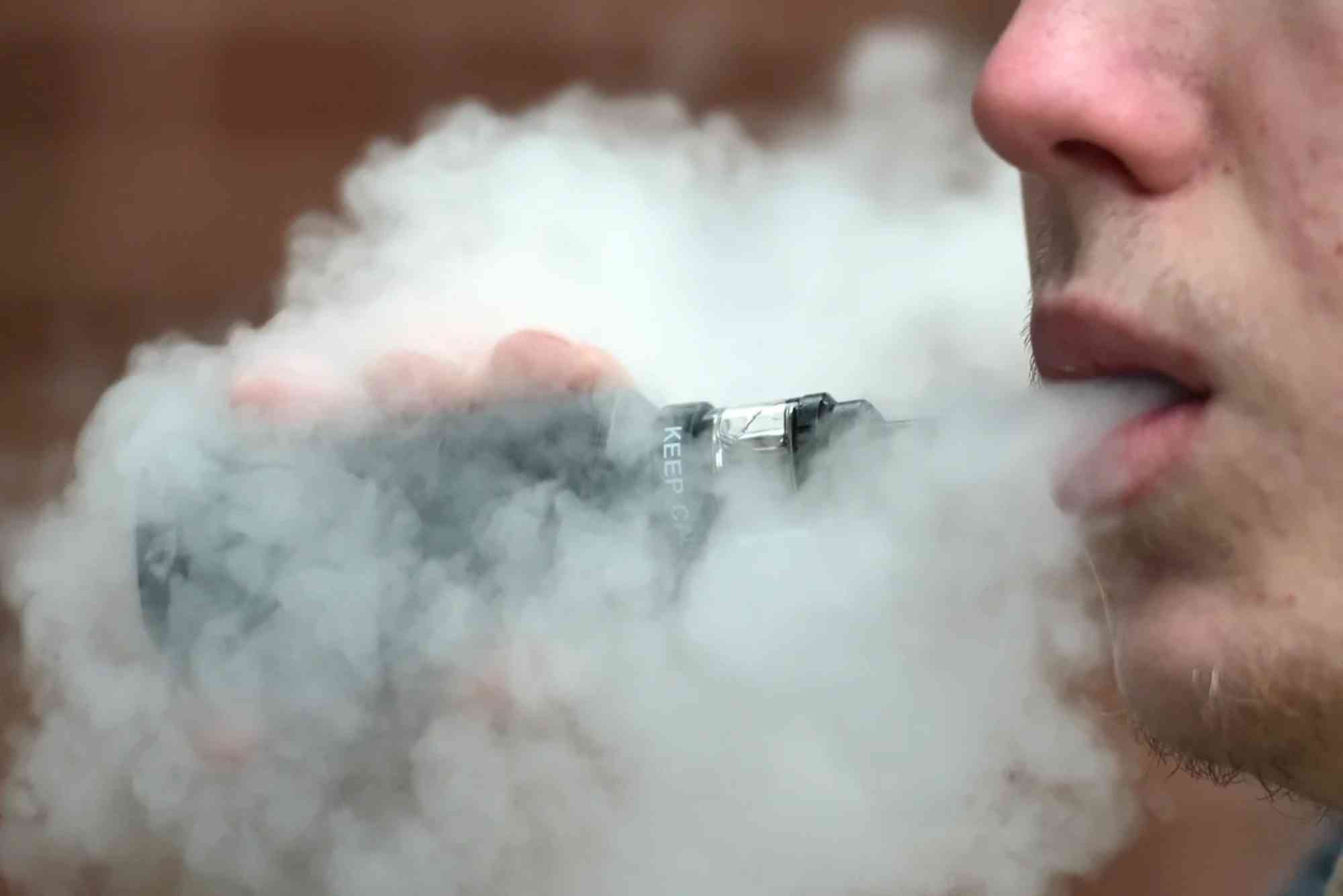
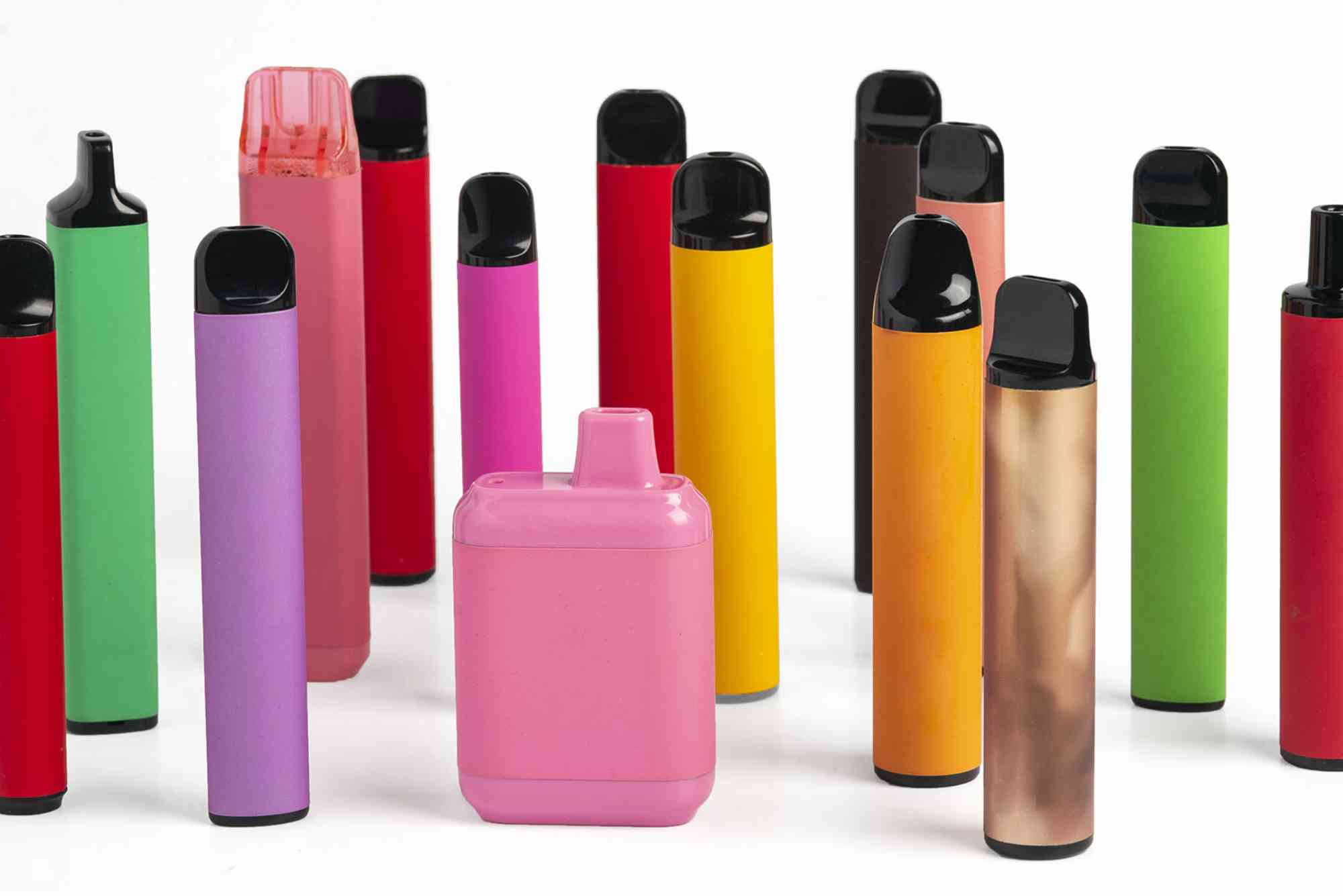
Vaping has gained global attention as an alternative to smoking, but in Singapore, it is strictly regulated. The vaping laws in Singapore are among the toughest in the world, making it essential for residents and visitors to understand what is legal and what is not. Beyond legality, there is another concern every vaper must be aware of—battery safety. Vape devices run on lithium-ion batteries, which can pose risks if mishandled. This guide explores both the legal landscape of vaping in Singapore and practical steps to ensure your vaping device remains safe to use.
Understanding Vaping Laws in Singapore
Singapore has a zero-tolerance approach toward e-cigarettes and vaporisers. Unlike other countries where vaping is regulated, Singapore enforces a complete ban on the import, sale, and use of such products.
The Tobacco (Control of Advertisements and Sale) Act makes it illegal to:
- Import e-cigarettes and vaporisers.
- Distribute or sell vaping devices or related products.
- Use e-cigarettes in public or private spaces.
Offenders face heavy fines, jail terms, or both. For example, those caught possessing or using e-cigarettes can be fined up to SGD 2,000. Importing or selling can lead to penalties as high as SGD 10,000 or six months of imprisonment. These strict regulations are designed to protect public health and discourage nicotine addiction among young people.
Why Singapore Enforces Strict Vaping Laws
The Singapore government believes vaping can act as a gateway to smoking, especially among youth. Authorities highlight studies showing that flavored e-liquids appeal to teenagers, increasing the risk of early nicotine addiction. By keeping vaping illegal, the country aims to reduce tobacco use overall and promote healthier lifestyles.
Risks in Vape Batteries: Why Safety Matters
While vaping devices remain prohibited in Singapore, understanding vape battery safety is still crucial for individuals who may encounter them abroad. Vape batteries, typically lithium-ion, are powerful but sensitive. Incorrect handling can lead to overheating, explosions, or fires.
Unlike ordinary household batteries, vape batteries store significant energy in a compact size. This makes them efficient but also more prone to failure when misused. Reports of vape devices exploding in pockets, bags, or even while charging highlight the importance of awareness.
Common Causes of Battery Accidents
Several factors contribute to battery risks in vape devices:
Poor Quality Batteries
Many accidents happen because users buy cheap, unregulated batteries. These lack safety protections and are more likely to overheat.
Incorrect Charging
Using the wrong charger or leaving a device plugged in overnight can cause overcharging. Lithium-ion batteries are particularly sensitive to this.
Physical Damage
Dropping a vape or carrying batteries loosely in pockets with keys or coins can damage the cells and cause short circuits.
Overheating from Overuse
Excessive use without breaks generates heat. If the device lacks proper ventilation, this can trigger thermal runaway, where the battery fails catastrophically.
Staying Safe While Using Vape Batteries Abroad
If you travel outside Singapore where vaping is permitted, it is essential to know how to protect yourself. Battery safety does not require complex steps but consistent good habits.
Choose the Right Batteries
Always buy batteries from reputable brands. Look for cells with safety certifications such as CE or UL marks. Avoid counterfeit or unbranded batteries that cut corners in manufacturing.
Use the Correct Charger
Every vape device comes with a recommended charger. Using phone chargers or random USB cables may not regulate current properly. Stick to the manufacturer’s charger to avoid overcharging or overheating.
Store Batteries Safely
Never carry loose batteries in your pocket. Always use protective battery cases. Contact with metal objects can create short circuits, leading to dangerous sparks or fire.
Monitor Charging
Do not leave vape devices charging unattended, especially overnight. Place the charger on a flat, non-flammable surface. If the battery gets hot while charging, unplug immediately.
Replace Old Batteries
Batteries degrade over time. Signs such as swelling, leaking, or reduced performance mean it is time for a replacement. Do not attempt to repair damaged batteries.
Vaping and Travel: What You Should Know
For Singapore residents traveling abroad, the rules can change drastically depending on the destination. While some countries allow vaping freely, others impose partial restrictions similar to Singapore. Always check local laws before carrying or using vape devices.
Airlines also have strict regulations. Vape devices must be carried in hand luggage, and spare batteries must be stored in battery cases. Charging vape devices on planes is prohibited due to fire risks.
Health Risks Beyond Batteries
Even if batteries are handled safely, vaping itself comes with potential health risks. While marketed as safer than smoking, research shows that vaping can still harm the lungs and cardiovascular system. Many e-liquids contain nicotine, which is highly addictive. Others include flavoring chemicals that can cause irritation or long-term damage.
For this reason, Singapore’s stance on banning vaping is not only about safety but also long-term public health. Authorities encourage smokers to quit altogether rather than switch to vaping.
Staying Informed and Staying Safe
The vaping laws in Singapore are clear and uncompromising. Whether you live in the country or plan to visit, avoiding vape products is the only legal option. Beyond legality, it is also important to remember the risks tied to vape batteries. Mishandling these power sources can cause fires, injuries, or worse. For those traveling abroad where vaping is permitted, practicing battery safety is essential. Choose quality batteries, store them properly, and never take shortcuts with charging. At the same time, consider the broader health risks linked to vaping and whether it is worth the potential consequences.
If you are looking for healthier alternatives, seek support programs to quit smoking or vaping altogether. By staying informed about the laws and prioritizing safety, you can protect yourself and those around you. Always respect local laws, prioritize safety, and make informed health choices. If you or someone you know is trying to quit, explore smoke-free alternatives and professional support for a healthier future.
FAQs
Is vaping legal in Singapore?
No. Vaping is illegal in Singapore. Importing, selling, or using e-cigarettes can result in fines or imprisonment.
Can I bring a vape into Singapore for personal use?
No. Bringing a vape into Singapore is considered illegal importation and carries severe penalties.
What is the punishment for vaping in Singapore?
Possessing or using a vape can result in a fine of up to SGD 2,000. Selling or importing can lead to fines up to SGD 10,000 or six months in jail.
Are nicotine-free vapes allowed in Singapore?
No. All vaporisers, regardless of nicotine content, are banned under the Tobacco Act.
Why is vaping banned in Singapore while it is legal in other countries?
Singapore enforces stricter laws to protect public health, particularly to prevent youth addiction and reduce overall tobacco use.
What should I do if I am caught vaping in Singapore?
You may face fines and legal consequences. The best step is to comply with the law and avoid using or importing such products.