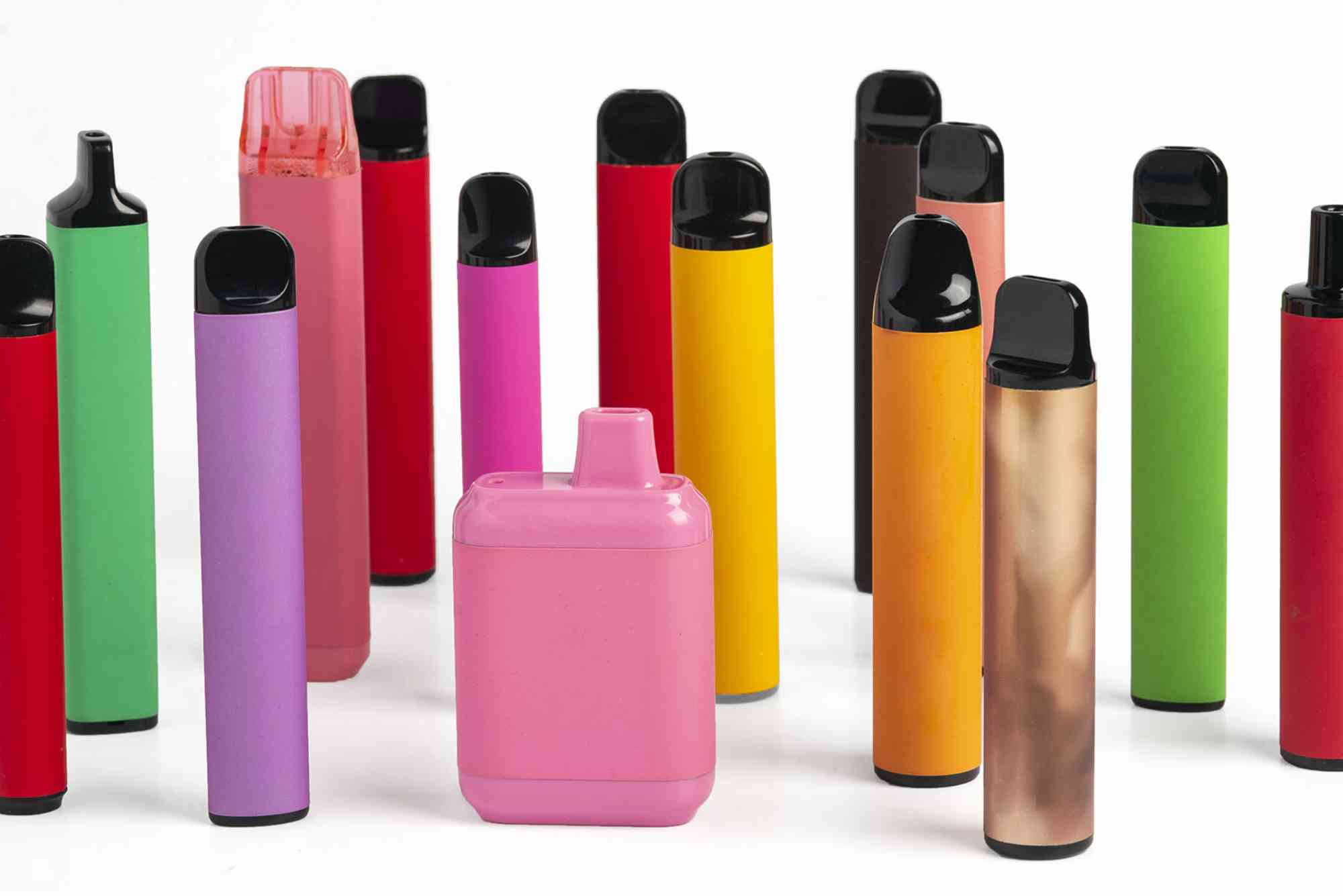
Vaping has become one of the most discussed topics in public health policy across Europe. As countries grapple with smoking-related diseases, many policymakers have shifted their focus toward harm reduction. How vaping laws in Europe supports harm reduction in vaping is a critical question for smokers, vapers, health advocates, and regulators alike. Understanding this helps us see how thoughtful regulation can protect public health, empower consumers, and balance risk with benefit.
In this article, we explore the evolving landscape of vaping laws throughout Europe. We consider how these laws uphold the principle of harm reduction and foster safer alternatives for millions of smokers looking to quit. Throughout, we explain complex regulatory frameworks in accessible language, bridging the gap between legislation and real-world impact.
Understanding Harm Reduction in Vaping
Harm reduction refers to strategies designed to minimize negative health outcomes without necessarily eliminating the behavior entirely. Traditionally applied to substance use, harm reduction acknowledges that some risks are inevitable but manageable. In the context of tobacco use, vaping offers a way to reduce the harms caused by inhaling combustible tobacco smoke.
Unlike cigarettes, e‑cigarettes deliver nicotine through vapor rather than smoke. This eliminates thousands of toxic chemicals created by burning tobacco. As such, many health bodies recognize vaping as a less harmful option for adult smokers. However, the degree to which vaping achieves harm reduction depends heavily on regulation.
The Role of European Vaping Laws
Europe has taken a leadership role in shaping comprehensive vaping policies. These laws aim to balance consumer access, safety standards, and public health goals. One of the foundational frameworks guiding vaping regulation is the Tobacco Products Directive (TPD), which governs how vaping products can be sold, advertised, and manufactured within the European Union. In addition, individual member states have implemented laws tailored to their public health priorities, often going beyond the baseline established by the TPD.
Regulations address product safety, labeling, nicotine concentration, and marketing practices. Most importantly, they seek to ensure adult smokers have access to safer alternatives while preventing youth uptake. In essence, how vaping laws in Europe supports harm reduction in vaping hinges upon this delicate balance between access and control, consumer choice and public health.
How Regulation Promotes Product Safety
Product safety is at the heart of European vaping laws. Standards governing e‑liquids, devices, and manufacturing processes help protect consumers from poorly made and potentially dangerous products. Without these regulations, the market could be flooded with low‑quality devices, posing risks such as battery malfunctions, contaminated liquids, and inconsistent nicotine delivery.
European law sets maximum nicotine concentrations and limits on container sizes to enhance safety. These rules help ensure that products are predictable, reliable, and less likely to harm users. For example, by capping nicotine delivery, regulators aim to minimize the risk of nicotine poisoning among new or inexperienced users.
These safety measures also cultivate trust and legitimacy in the vaping industry. When consumers know products are regulated, they are more likely to try vaping as a smoking alternative. This confidence plays a meaningful role in harm reduction because it encourages smokers to make the switch.
Supporting Adult Smoker Cessation
Vaping is widely recognized by experts as a tool for smoking cessation. Public Health England, for instance, has repeatedly stated that vaping is significantly less harmful than smoking and can help adults quit tobacco. This harm reduction message is reinforced when policies make safer alternatives available to adult smokers.
Countries with pragmatic vaping laws tend to see higher rates of smokers transitioning to e‑cigarettes. Policies that enable access, while maintaining safeguards, support individual efforts to quit. In contrast, overly restrictive laws can push vapers back to smoking or into unregulated markets where risk increases.
When we ask how vaping laws in Europe supports harm reduction in vaping, it’s essential to note that regulation doesn’t just restrict; it also enables. Thoughtful regulatory design can increase the appeal of vaping for smokers who want to stop smoking, ultimately reducing smoking‑related diseases.
Balancing Youth Protection with Harm Reduction
A recurring concern among policymakers is youth vaping. Protecting children and adolescents from nicotine addiction is a legitimate priority. European vaping laws incorporate stringent age‑of‑sale requirements and marketing restrictions to prevent youth access.
This dual focus—protecting youth while supporting adult harm reduction—is delicate. Critics argue that strict limits can unintentionally restrict adult access, undermining harm reduction. Still, most European frameworks strive to strike the right balance. By enforcing age verification, banning certain advertising practices, and restricting flavors that disproportionately appeal to youth, lawmakers aim to shield young people without eliminating adult access to viable alternatives.
This nuanced approach reflects a sophisticated understanding of harm reduction. It acknowledges that harm reduction is not about eliminating all risk but minimizing it in a way that serves public health.
Transparent Labeling and Consumer Awareness
Transparency is another key pillar of vaping laws in Europe. Mandatory labeling requirements ensure that consumers receive clear information about what they are inhaling. Ingredient lists, nicotine strength, and health warnings help users make informed decisions.
Clear labeling helps adult smokers understand how vaping differs from smoking. This knowledge can empower them to make choices aligned with harm reduction goals. At the same time, European Commission — EU-level vaping regulation overview transparent information discourages unintended use among non‑smokers.
European regulations also require warnings that acknowledge the addictive nature of nicotine. However, these warnings are calibrated to avoid overstating risks associated with vaping compared to smoking. This measured approach encourages informed choice rather than fear.
Innovation Within a Regulatory Framework
Critics of vaping laws often argue that regulation stifles innovation. Yet, European vaping laws demonstrate that innovation and regulation can coexist. Standards for safety and quality do not inherently limit technological progress. Instead, they guide innovation toward safer outcomes.
Manufacturers are incentivized to improve device reliability, extend battery life safely, and refine nicotine delivery in ways that reduce risk. This environment fosters competition based on quality rather than novelty alone. Consequently, consumers benefit from more reliable, effective products.
Moreover, regulation prevents the proliferation of unsafe products that could damage the industry’s reputation. A strong regulatory framework assures consumers that products meet rigorous standards, ultimately bolstering confidence in vaping as a harm reduction tool.
Discover the latest in innovative vaping solutions and lifestyle tips at vaporwhirl.com. Whether you’re looking for high-quality devices, flavor guides, or expert reviews, vaporwhirl.com has everything you need to stay informed and enjoy the ultimate vaping experience.
Comparing Harm Reduction in Europe and Other Regions
When examining how vaping laws in Europe supports harm reduction in vaping, it’s valuable to compare Europe’s approach with that of other regions. Some countries, like the United States, have experienced fragmented policies. While the U.S. Food and Drug Administration (FDA) regulates vaping products, state laws widely vary. This patchwork can create confusion and inconsistent consumer protection.
In contrast, the European Union’s coordinated framework provides clarity and cohesion. Although member states have room to adapt policies, the shared baseline ensures that consumers and manufacturers operate under consistent expectations. This cohesiveness enhances harm reduction by fostering stable market conditions and reducing regulatory uncertainty.
Addressing Misconceptions and Misinformation
Public perceptions of vaping are influenced by media narratives, some of which overstate risks. This misinformation can deter smokers from switching to safer alternatives. European vaping laws help counteract this by establishing credible scientific and regulatory baselines that guide public discourse.
By promoting transparency and evidence‑based policy, European regulators contribute to more accurate public understanding. This informed conversation is crucial for harm reduction. When smokers understand the relative risks of vaping versus smoking, they are better equipped to make healthier choices.
External scientific resources like reports from the UK’s Action on Smoking and Health and public health reviews provide valuable, evidence‑based insights into relative risks. These sources help contextualize vaping within broader tobacco control efforts.
Future Directions in European Vaping Policy
The regulatory landscape in Europe continues to evolve. Policymakers are reassessing existing laws to address new technologies, consumption patterns, and research findings. These updates are likely to refine harm reduction strategies even further.
Emerging discussions focus on product innovations, long‑term health outcomes, and the interplay between vaping and smoking cessation. Continuous evaluation helps regulators adapt policies in ways that support public health without stifling beneficial change.
For example, regulators are exploring how best to incorporate novel nicotine products into existing frameworks. This evolution highlights the dynamic nature of harm reduction policy and underscores the importance of evidence‑driven decision‑making.
European vaping laws demonstrate how thoughtful regulation can support harm reduction in vaping. By prioritizing product safety, transparent information, balanced youth protection, and adult access, these laws create an environment where smokers can access safer alternatives. They also promote innovation and discourage unsafe products.
As research continues and policies evolve, Europe’s model offers valuable insights for global harm reduction strategies. It showcases how regulation, when grounded in evidence and public health priorities, can reduce the burden of smoking‑related diseases.
FAQs About Vaping Laws and Harm Reduction
What is harm reduction in vaping?
Harm reduction in vaping involves using e‑cigarettes as a safer alternative to smoking combustible tobacco, thereby reducing exposure to toxic smoke.
Are vaping products regulated in Europe?
Yes. The Tobacco Products Directive and additional national laws govern the sale, manufacture, and marketing of vaping products across European countries.
Do European vaping laws protect youth?
European regulations include age‑of‑sale requirements and marketing restrictions designed to prevent youth access while supporting adult harm reduction.
Can vaping help smokers quit?
Many public health organizations recognize that vaping can help smokers transition away from cigarettes, although success varies by individual.
Why is product safety important in vaping regulation?
Product safety standards ensure that vaping devices and liquids are reliable, consistent, and less likely to cause harm, fostering consumer trust and harm reduction.
How Current minneaplois law vape nicotene Supports Harm Reduction in Vaping Minneapolis regulations on vape nicotine focus on limiting youth access, enforcing labeling, and restricting high-strength products. By ensuring safer usage and informed choices, these laws aim to reduce potential harm from vaping, promoting a public health approach that balances adult access with risk prevention, aligning with harm reduction principles.