Understanding Vaping Laws 2022 and Its Impact on Vaping Health
Vaping has evolved from a niche hobby into a mainstream alternative to smoking. However, with its rising popularity, regulations have become more complex and stricter. Vaping laws 2022 brought a wave of changes worldwide, impacting where people can vape, what products they can use, and how they are marketed. Beyond the legal implications, these laws also connect to ongoing debates about vaping’s health effects. Understanding the link between legislation and public health is essential for vapers, retailers, and policymakers alike.
The Evolution of Vaping Laws Before 2022
Vaping laws have not always been clear-cut. Initially, many countries treated e-cigarettes as unregulated products. This lack of oversight led to inconsistent quality standards and questionable marketing practices. By the late 2010s, health authorities and governments began introducing rules to address youth vaping, product safety, and public health concerns.
By 2022, legislation had reached a turning point. More countries created specific frameworks for vaping, covering everything from product ingredients to age restrictions. This marked a shift from treating vaping as a consumer product to regulating it as a controlled substance in some regions.
Key Highlights of Vaping Laws 2022
The vaping laws 2022 vary from country to country, but several common themes emerged globally.
Stricter Age Restrictions
In most regions, the legal age to purchase vaping products is now set at 18 or 21. These changes aim to reduce youth access and address concerns about teenage nicotine addiction.
Flavor Bans and Marketing Controls
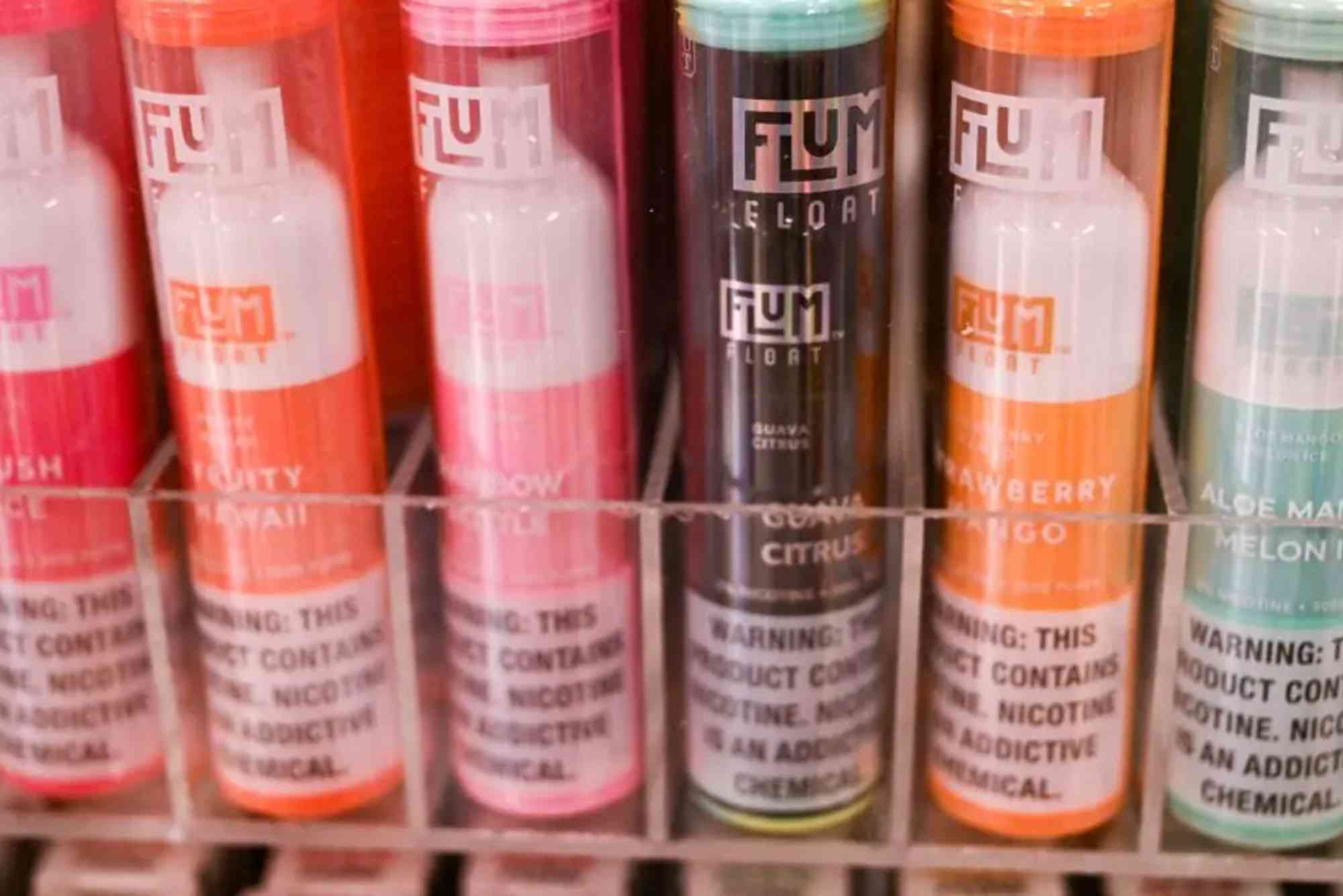
Flavored e-liquids, particularly those appealing to young people, were banned or restricted in several jurisdictions. Advertising rules tightened, limiting how vaping companies could promote their products, especially online and near schools.
Product Safety Standards
Many governments introduced regulations requiring manufacturers to disclose ingredients, limit nicotine strength, and improve packaging safety. This includes child-resistant packaging and clear warning labels.
Public Use Limitations
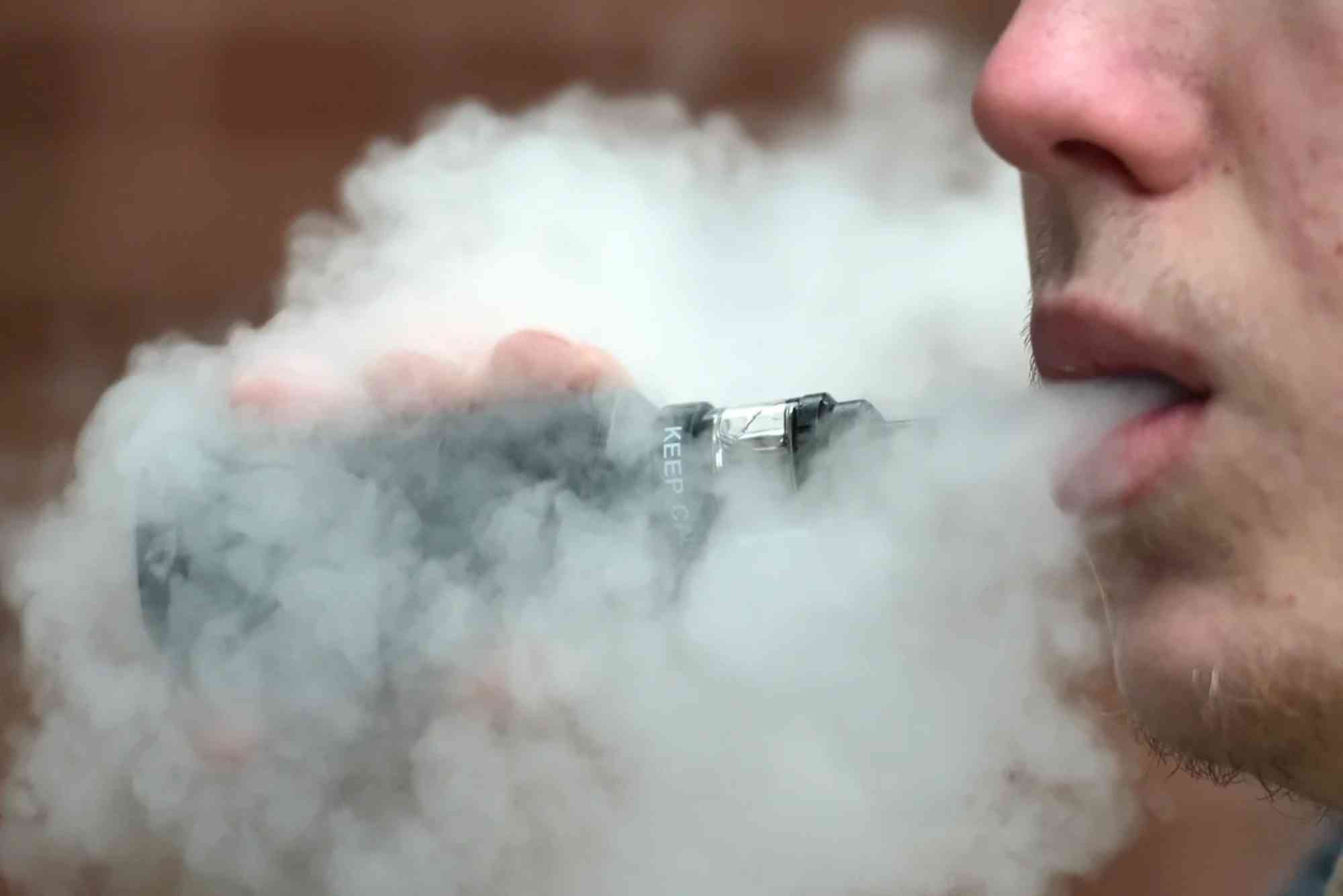
Similar to smoking bans, some regions prohibited vaping in enclosed public spaces such as restaurants, public transport, and workplaces. These restrictions aim to reduce secondhand aerosol exposure.
Why Vaping Laws 2022 Were Necessary
Public health experts argued that without stronger regulations, vaping could undo decades of progress in reducing smoking rates among young people. The 2022 laws were designed to balance adult access with measures that protect vulnerable groups.
Governments also wanted to ensure the products sold met safety standards. Unregulated markets risked exposing users to harmful chemicals, mislabeled nicotine strengths, and defective devices.
Impact on Vaping Health
The relationship between vaping laws 2022 and vaping health is complex. While vaping is often promoted as a less harmful alternative to smoking, it is not without health risks.
Potential Health Benefits for Smokers
For long-term smokers switching completely to vaping, there is evidence that e-cigarettes may reduce exposure to harmful toxins found in tobacco smoke. This has led some public health bodies to cautiously endorse vaping as a harm-reduction tool.
Ongoing Health Concerns
Vaping still delivers nicotine, which is addictive and can have cardiovascular effects. Inhalation of certain flavoring chemicals has been linked to lung irritation. The long-term effects are still under study, leading health experts to urge caution, especially for non-smokers.
Mental Health and Addiction Risks
Nicotine dependence can contribute to anxiety, mood swings, and withdrawal symptoms. Stricter laws aim to prevent young people from developing lifelong nicotine addiction.
How Vaping Laws 2022 Affect Users
For vapers, these laws brought both challenges and protections. While some users felt restricted by flavor bans or public vaping limitations, others appreciated the improved product safety standards.
Retailers faced new compliance requirements, from verifying customer age to adjusting marketing strategies. In some countries, the black market for flavored products grew in response to flavor bans, raising concerns about unsafe, unregulated products.
Global Differences in Vaping Laws 2022
United States
The FDA continued its crackdown on flavored e-cigarettes and required premarket authorization for vaping products. Many states raised the minimum purchase age to 21.
European Union
The EU’s Tobacco Products Directive imposed strict labeling requirements and limited nicotine concentrations to 20 mg/mL. Member states had freedom to impose additional restrictions.
Australia
Australia maintained its prescription-only model for nicotine vaping products. Possessing or purchasing without a doctor’s prescription could lead to fines.
Asia and Middle East
Countries like India and Thailand upheld complete bans, citing youth health concerns. In contrast, the UAE legalized regulated vaping sales but imposed strict quality standards.
Vaping Laws 2022 and the Future of Public Health
The long-term success of vaping laws 2022 will depend on their ability to protect public health without driving users toward illegal, unsafe products. Striking the right balance requires continuous research, enforcement, and public education.
Health organizations emphasize that regulation alone is not enough. Awareness campaigns about nicotine addiction, safe vaping practices, and quitting support are critical.
FAQs
Are flavored vapes banned everywhere?
No. Flavor bans exist in some countries and states, but not universally. Always check local regulations.
Can I travel internationally with my vape?
Rules vary. Some countries ban vaping products entirely, while others allow them under strict conditions.
Are vaping laws the same as smoking laws?
In many places, vaping is regulated similarly to smoking, especially in public spaces, but specific rules may differ.
Why did so many vaping laws change in 2022?
Governments responded to rising youth vaping rates, health concerns, and the need for consistent safety standards.
Is vaping safe if it’s regulated?
Regulation improves product safety but does not eliminate all health risks. Nicotine addiction and potential lung effects remain concerns.
Vaping laws 2022 marked a defining moment in the regulation of e-cigarettes. These laws aimed to protect young people, ensure product safety, and address public health concerns, while still offering adult smokers access to a less harmful alternative.