Vaping Indoors Law UK: Risks in Vape Batteries and How to Stay Safe While Vaping
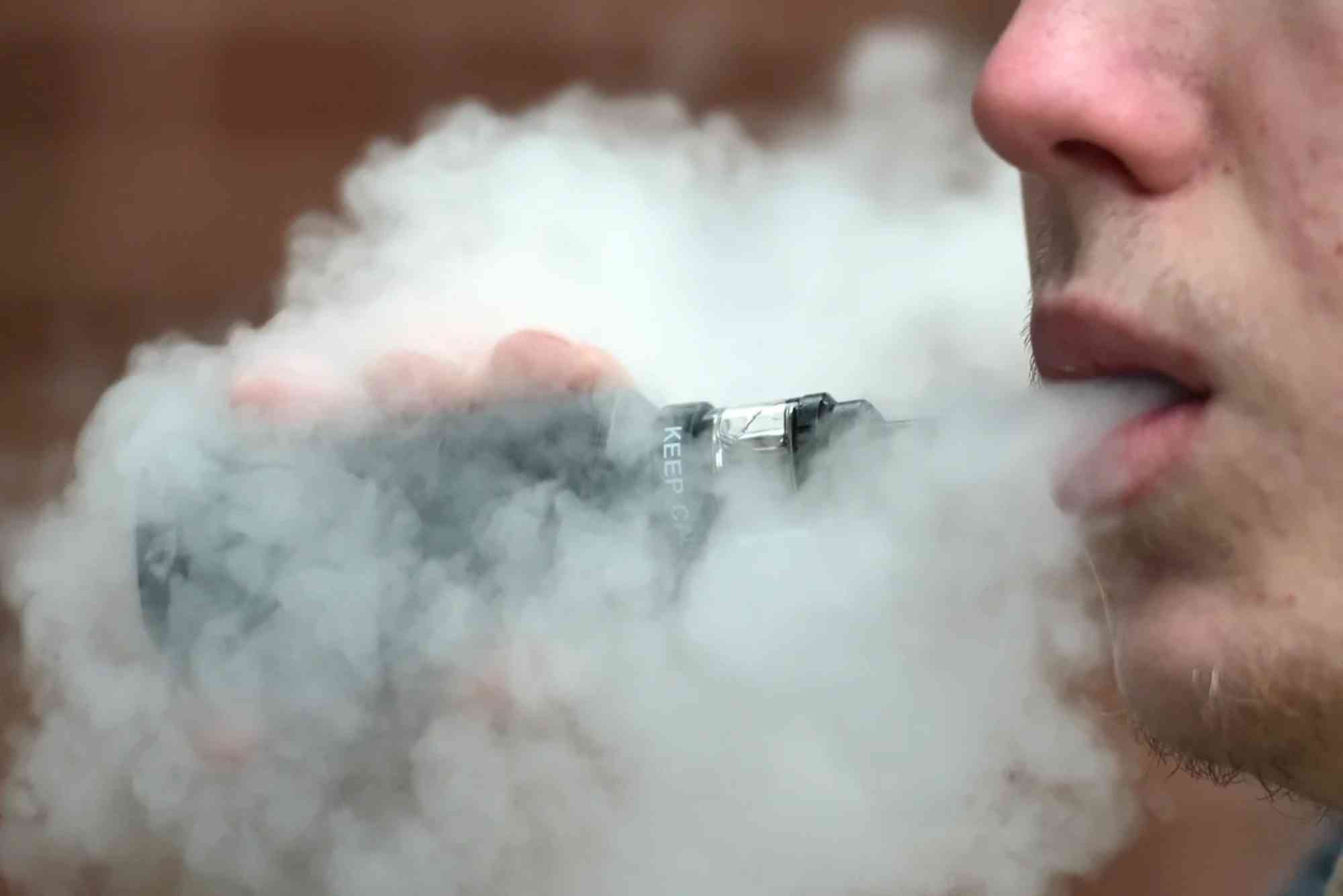
Vaping has become increasingly common in the UK as an alternative to smoking, with millions of people now using e-cigarettes daily. However, as vaping grows in popularity, so does the need to understand both the legal framework surrounding its use and the risks associated with vape batteries. One of the most common questions new and experienced vapers ask is: what exactly are the vaping indoors law UK guidelines, and how can you stay safe when using vape devices indoors or outdoors?
Understanding Vaping Indoors Law UK
Unlike traditional smoking, which is heavily restricted under the UK’s public health laws, vaping is treated differently. The vaping indoors law UK does not impose a nationwide ban on using e-cigarettes in enclosed public spaces. Instead, the decision is often left to individual businesses, employers, or local authorities.
For example, while you may not face legal penalties for vaping in a pub, restaurant, or workplace, the establishment may have its own policies prohibiting it. Train companies, airlines, and bus services in the UK also generally ban vaping indoors or onboard. Hospitals, government offices, and universities often adopt stricter rules to protect staff and visitors from exposure.
Why the Law Differs from Smoking Regulations
The difference between smoking and vaping laws comes from the fact that e-cigarettes do not involve combustion. Traditional cigarettes release harmful smoke, which is why they are banned in all enclosed public places under the Health Act 2006. Vaping, however, produces vapour that carries far fewer harmful chemicals, so the government has not imposed the same blanket restrictions.
That said, organisations often restrict vaping indoors for three main reasons: to avoid disturbing non-vapers, to maintain professional environments, and to prevent potential health concerns related to second-hand vapour exposure.
Workplace and Housing Policies
If you are a vaper in the UK, it is crucial to check your company’s employee handbook or tenancy agreement. Many workplaces restrict vaping indoors and designate outdoor vaping areas. Similarly, landlords or housing associations may set their own rules regarding e-cigarette use inside properties.
In short, the vaping indoors law UK gives flexibility to institutions and businesses to set rules, but it also means vapers must stay informed and respectful of local policies.
Risks Associated with Vape Batteries
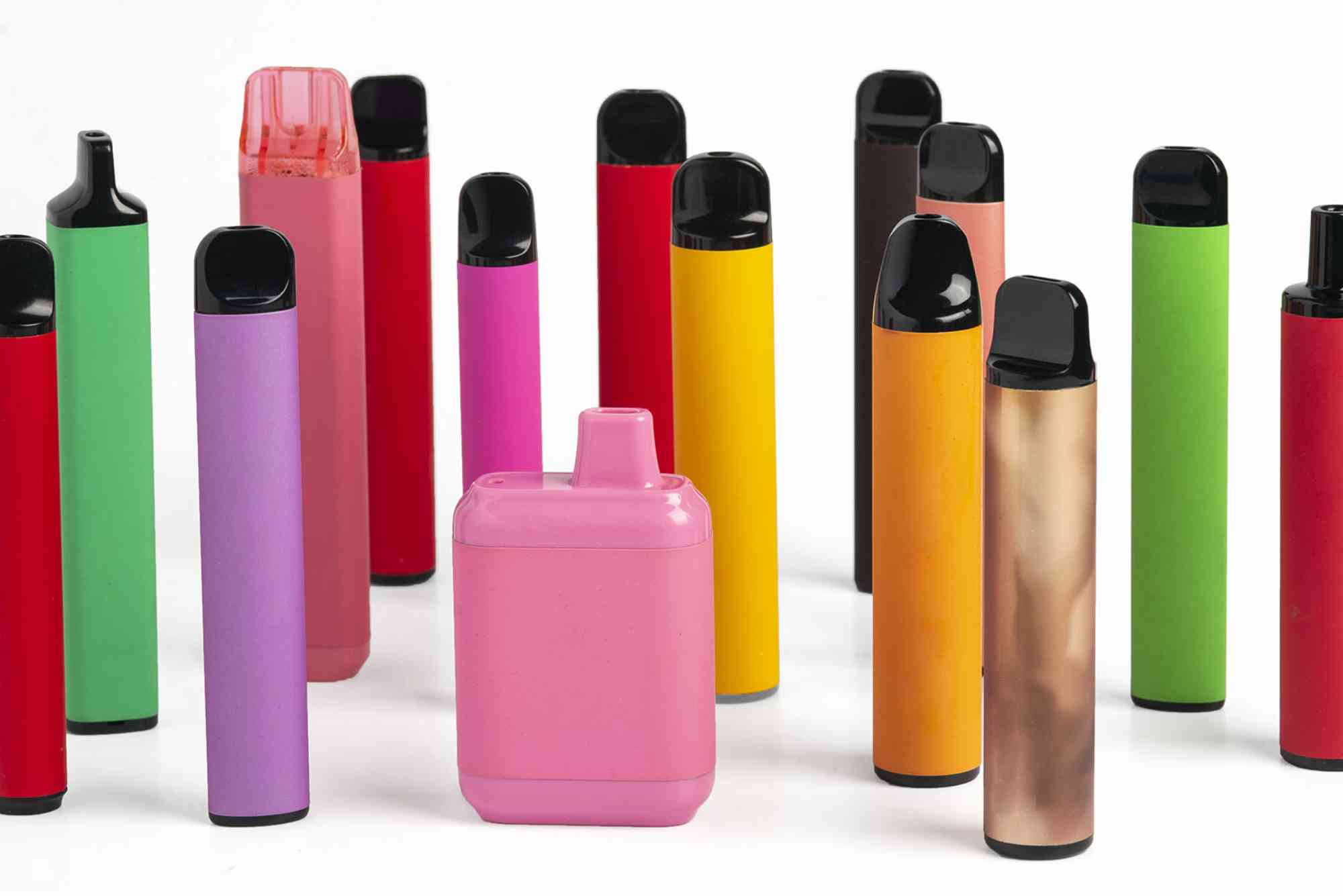
Alongside understanding the law, every vaper should be aware of battery safety. Most e-cigarettes and vape devices use lithium-ion batteries, which are powerful but can be hazardous if not handled properly. News headlines occasionally report incidents of vape batteries exploding or catching fire, which raises concerns among both users and policymakers.
Why Vape Batteries Can Be Dangerous
Lithium-ion batteries store high amounts of energy in a small space. When damaged, improperly charged, or exposed to heat, they can overheat and cause fires or explosions. Unlike standard household batteries, vape batteries are often removable and reused, increasing the risks of mishandling.
The most common causes of battery failures include:
- Using the wrong type of charger
- Overcharging or leaving devices plugged in overnight
- Carrying loose batteries in pockets with coins or keys
- Buying counterfeit or poor-quality batteries
- Exposing devices to extreme heat or cold
Preventing Battery Accidents
Fortunately, most risks can be avoided by following proper safety practices. Always use chargers specifically designed for your vape device. Avoid cheap, unbranded chargers that lack safety protections. When transporting spare batteries, store them in plastic cases rather than leaving them loose in bags or pockets.
It is also important to buy batteries and vape devices from reputable retailers. Cheap, counterfeit batteries are more prone to failure and do not undergo the same safety testing as authentic products.
Vaping Indoors and Battery Risks Combined
While the vaping indoors law UK does not prohibit indoor use nationally, vapers must also think about battery safety in enclosed spaces. A battery failure at home, in a workplace, or on public transport could cause not only personal injury but also property damage and fire hazards.
If you vape indoors at home, ensure you charge your device on a non-flammable surface away from flammable items such as curtains, bedding, or papers. Never leave a charging vape unattended, especially overnight. Some users invest in fireproof charging bags, which are designed for lithium-ion batteries and add an extra layer of safety.
Health Considerations When Vaping Indoors
Even though vaping is considered less harmful than smoking, there are health-related issues to keep in mind when using e-cigarettes indoors. Vapour may not linger like cigarette smoke, but it can still irritate people with asthma, allergies, or respiratory conditions. Children and pets may also be more sensitive to the chemicals in vapour.
Research on the long-term effects of second-hand vapour is still ongoing, which is why many organisations prefer to restrict indoor vaping as a precaution. If you share a home or office with others, it is courteous to ask before vaping indoors.
Practical Tips for Safe Vaping
To combine legal compliance with safety, here are some practical tips:
- Always check the vaping indoors law UK policies in your workplace, transport system, or housing before vaping indoors.
- Use branded chargers and avoid overcharging batteries.
- Carry spare batteries in protective cases.
- Keep vaping devices away from extreme heat and direct sunlight.
- Do not vape around children, pets, or people with health conditions.
- Clean and maintain your device regularly to avoid leaks or malfunctions.
The Role of Public Awareness
Much of the confusion about vaping indoors law UK comes from the lack of a single nationwide rule. Because businesses and local authorities can create their own policies, vapers must stay informed. Similarly, many vape battery accidents are the result of poor awareness rather than defective products. Public education campaigns by health authorities and retailers could help reduce risks and promote safe practices.
Future of Vaping Laws in the UK
The UK government has generally been supportive of vaping as a harm-reduction tool for smokers. However, with growing debates over youth vaping, advertising restrictions, and product standards, it is possible that new regulations could be introduced in the coming years. While a blanket ban on indoor vaping remains unlikely, more businesses may tighten restrictions. At the same time, safety standards for vape batteries and devices may become stricter to reduce fire risks.
Stay Informed, Stay Safe
The vaping indoors law UK provides flexibility, but this freedom comes with responsibility. Vapers must respect local rules, workplace policies, and the comfort of others when choosing where to vape. At the same time, battery safety is crucial for avoiding accidents. By using the right equipment, following proper charging practices, and handling devices with care, you can reduce risks while enjoying the benefits of vaping.
If you are new to vaping or considering switching from smoking, take the time to learn about both the legal landscape and safety guidelines. Responsible vaping ensures not only your health and safety but also helps protect those around you. Stay aware, stay respectful, and most importantly, stay safe while vaping.
Frequently Asked Questions
Is it illegal to vape indoors in the UK?
No, there is no nationwide ban. The vaping indoors law UK allows businesses, employers, and local authorities to set their own rules.
Can I vape in pubs or restaurants?
It depends on the establishment. Some pubs allow vaping indoors, while others prohibit it to avoid disturbing non-vapers.
Are vape batteries safe to use?
Yes, if used correctly. The main risks come from poor handling, using the wrong chargers, or carrying batteries unsafely.
Can I be fined for vaping indoors?
Not under UK law, but you may be asked to leave premises or face disciplinary action if your workplace prohibits it.
How can I safely charge my vape battery?
Use only the charger supplied with your device, charge on a flat surface, and avoid leaving it unattended.