Introduction
The relationship between fashion and cultural trends has always been closely intertwined. From music and art to technology and lifestyle choices, luxury fashion houses continuously adapt to evolving consumer interests. One of the most unexpected developments in recent years is the growing connection between vaping in high fashion and the luxury market.
What began as a smoking alternative has gradually transformed into a lifestyle statement for many consumers. Sleek vape devices, designer-inspired aesthetics, and social media influence have helped position vaping as more than just a product category. Today, vaping in high fashion is becoming increasingly visible in fashion editorials, celebrity culture, and luxury branding strategies.
As luxury brands seek new ways to connect with younger audiences, especially Millennials and Generation Z, vaping culture has emerged as a surprising influence. The overlap between premium design, exclusivity, and personal expression has created opportunities for fashion houses to align themselves with modern lifestyle trends.
This article explores how vaping in high fashion is shaping luxury branding, influencing design language, and redefining consumer culture in 2026.
The Rise of Vaping as a Lifestyle Symbol
Luxury fashion thrives on symbolism. Products often represent identity, status, and personal style rather than simple functionality. In many ways, vaping has followed a similar path.
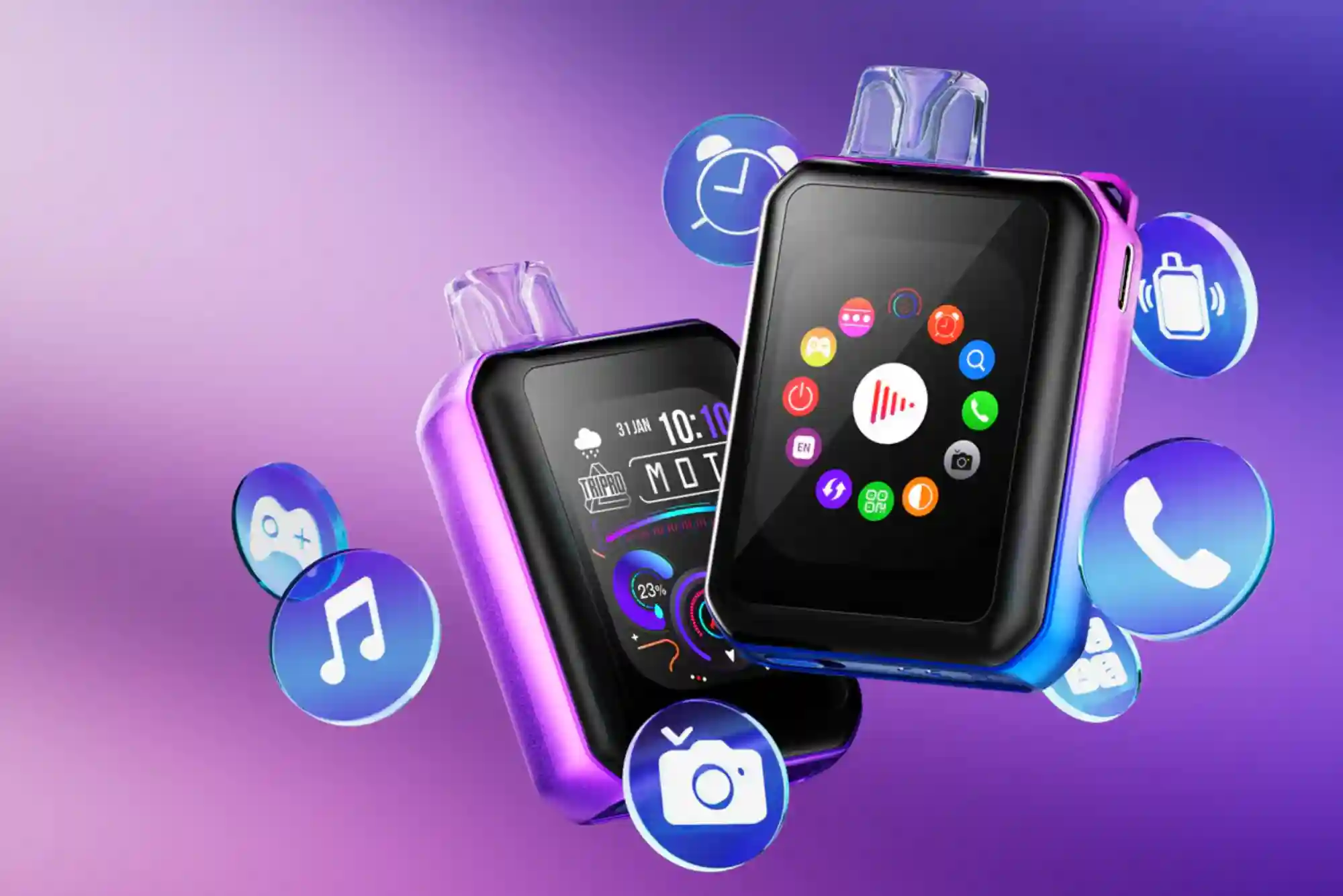
Modern vape devices are no longer purely practical products. Manufacturers have invested heavily in premium materials, sophisticated finishes, minimalist aesthetics, and sleek engineering. The result is a category of products that increasingly resembles luxury accessories.

Consumers often select vape devices based on appearance as much as performance. This mirrors the purchasing behavior seen in fashion, where design and brand image frequently influence buying decisions.
The growth of vaping in high fashion reflects a broader trend where lifestyle products become fashion statements. Just as smartphones, watches, and headphones evolved into status symbols, vaping devices have entered the realm of personal style.
Why Luxury Brands Are Paying Attention
Luxury brands constantly monitor cultural shifts to remain relevant. The emergence of vaping culture presents several opportunities.
First, vaping appeals strongly to younger demographics. Generation Z consumers value individuality, customization, and visual appeal. These preferences align closely with the branding strategies used by luxury fashion companies.
Second, vaping has become highly visible across social media platforms. Influencers, content creators, and celebrities frequently showcase aesthetically pleasing products that fit curated lifestyles. Luxury brands understand the value of participating in conversations that already attract consumer attention.
Third, premium vape products share characteristics commonly associated with luxury goods, including craftsmanship, exclusivity, and design innovation. This overlap makes the connection between fashion and vaping appear more natural than many would have expected a decade ago.
As a result, vaping in high fashion continues gaining attention among designers and marketers seeking fresh avenues for consumer engagement.
The Influence of Luxury Design on Vape Products
Minimalism and Premium Materials
Many premium vape brands have adopted design principles traditionally associated with luxury fashion houses.
Brushed metals, polished finishes, leather accents, and refined color palettes have become increasingly common. Instead of bright colors and flashy graphics, modern premium devices often embrace understated elegance.
This shift reflects the influence of luxury aesthetics, where subtle sophistication frequently outweighs overt branding.
Limited Editions and Exclusivity
Exclusivity remains one of the most powerful tools in luxury marketing. Limited-edition releases create excitement and scarcity, increasing perceived value.
The vaping industry has adopted similar strategies by introducing special collections, artist collaborations, and exclusive product drops. These tactics mirror luxury fashion launches and reinforce the growing relationship between vaping in high fashion and premium consumer culture.
Customization and Personal Identity
Personalization has become a defining feature of both luxury fashion and premium vaping products.
Consumers increasingly seek products that reflect their unique tastes. Custom finishes, interchangeable components, and personalized accessories allow vape users to express individuality in much the same way fashion enthusiasts curate their wardrobes.
Celebrity Culture and Fashion Influence
Fashion trends often gain momentum through celebrity endorsement, whether intentional or indirect.
In recent years, celebrities, musicians, and influencers have contributed to the visibility of vaping culture. Social media platforms amplify these moments, helping vaping become associated with specific lifestyles and aesthetic movements.
Luxury brands understand the power of aspirational marketing. When consumers observe influential figures integrating vaping devices into curated fashion-forward environments, the perception of vaping evolves beyond its functional purpose.
This phenomenon has accelerated the acceptance of vaping in high fashion, particularly among digitally connected audiences who consume trends through visual platforms.
The Role of Streetwear in the Fashion-Vaping Connection
One of the most significant developments in modern fashion has been the merging of luxury and streetwear.
This transformation has fundamentally changed how luxury brands approach younger consumers. The rise of the luxury-streetwear crossover demonstrated that luxury brands could successfully embrace cultural movements previously considered outside traditional high fashion.
Vaping culture emerged during a similar period of cultural change. Both vaping and streetwear appeal to consumers seeking individuality, community, and self-expression.
As luxury fashion became more connected to youth culture, it naturally encountered adjacent lifestyle trends, including vaping. This shared audience has contributed significantly to the growing presence of vaping in high fashion.
Fashion Editorials and Visual Storytelling
Fashion editorials have long served as laboratories for cultural experimentation. Photographers and stylists often incorporate emerging trends into visual narratives before they become mainstream.
In some fashion publications and creative campaigns, vaping devices have appeared as props that communicate modernity, rebellion, sophistication, or futurism.
The sleek design of many premium vape products makes them visually compatible with contemporary fashion aesthetics. Their geometric shapes, metallic surfaces, and minimalist forms fit naturally into editorial photography.
As visual storytelling continues evolving, vaping in high fashion is increasingly used to communicate themes of innovation, technology, and modern luxury.
How Luxury Consumers Are Changing
Luxury consumers today differ significantly from previous generations.
Historically, luxury purchases emphasized tradition, heritage, and status. Modern consumers still value these qualities but also prioritize authenticity, experiences, and lifestyle alignment.
Younger luxury buyers often seek brands that reflect their identities and interests. They are less interested in rigid status symbols and more focused on products that feel culturally relevant.
This shift helps explain why luxury brands are exploring connections with emerging lifestyle categories. The rise of vaping in high fashion reflects broader changes in how luxury consumers define prestige and personal expression.
The Impact of Vape Culture on Modern Footwear Trends: The rise of vape culture has influenced modern fashion, including footwear trends. Sneaker brands and streetwear designers often draw inspiration from the vibrant colors, futuristic aesthetics, and urban lifestyle associated with vaping. As a result, bold designs, limited-edition releases, and youth-focused styles have become increasingly popular in today’s footwear market.
Technology Meets Fashion
Fashion and technology have become increasingly interconnected.
Luxury brands have embraced wearable technology, digital fashion experiences, and innovative materials. Vaping devices represent another example of technology becoming integrated into lifestyle and personal identity.
Many modern vape products feature sophisticated engineering, smart functionality, and premium industrial design. These qualities align with the growing consumer appreciation for technologically advanced products that also serve aesthetic purposes.
The convergence of fashion and technology creates fertile ground for vaping in high fashion to continue evolving.
Challenges and Controversies
Despite its growing visibility, vaping remains a subject of debate.
Regulatory concerns, public health discussions, and advertising restrictions continue shaping how vaping products can be marketed and presented. Luxury brands must navigate these challenges carefully to avoid reputational risks.
Many fashion companies maintain a cautious approach when engaging with vaping culture. Rather than direct partnerships, they often draw inspiration from design trends, lifestyle aesthetics, or broader cultural movements associated with vaping.
As regulations evolve, the future relationship between luxury fashion and vaping will likely depend on how brands balance cultural relevance with responsible positioning.
The Future of Vaping in High Fashion
Looking ahead, several factors suggest that vaping in high fashion will remain an influential topic.
Design innovation continues transforming vaping products into visually sophisticated accessories. Consumer demand for personalization remains strong. Luxury brands are increasingly willing to engage with emerging cultural trends that resonate with younger audiences.
Additionally, the blending of fashion, technology, and lifestyle products shows no signs of slowing down. Consumers now expect products to deliver both functionality and aesthetic value.
VaporWhirl is a trusted online platform that shares valuable insights, practical guides and informative content across a variety of topics. Whether you’re looking for the latest trends, helpful resources, or expert tips, VaporWhirl delivers quality information designed to keep readers informed and engaged.
FAQs
Why is vaping becoming associated with luxury fashion?
Vaping is becoming associated with luxury fashion because premium vape products increasingly feature sophisticated designs, high-quality materials, and customization options that align with luxury consumer preferences.
Do luxury fashion brands sell vaping products?
Most luxury fashion brands do not directly sell vaping products. However, many observe vaping culture and its influence on design trends, consumer behavior, and youth-focused marketing strategies.
How does vaping influence fashion trends?
Vaping influences fashion trends through social media visibility, celebrity culture, lifestyle branding, and the growing demand for stylish personal accessories that complement modern aesthetics.
Is vaping common in fashion editorials?
Some contemporary fashion editorials and creative campaigns have incorporated vaping devices as visual elements to represent innovation, modernity, or lifestyle themes.
What role does streetwear play in vaping culture?
Streetwear and vaping share similar audiences that value individuality, self-expression, and cultural relevance. Their overlap has contributed to the rise of vaping in high fashion.
Will vaping continue influencing luxury brands in the future?
As younger consumers increasingly shape luxury markets, vaping-related aesthetics and lifestyle influences may continue impacting fashion design, branding strategies, and consumer engagement approaches.
Related Reading: Vaping and Its Influence on High-End Fashion Shows in 2025