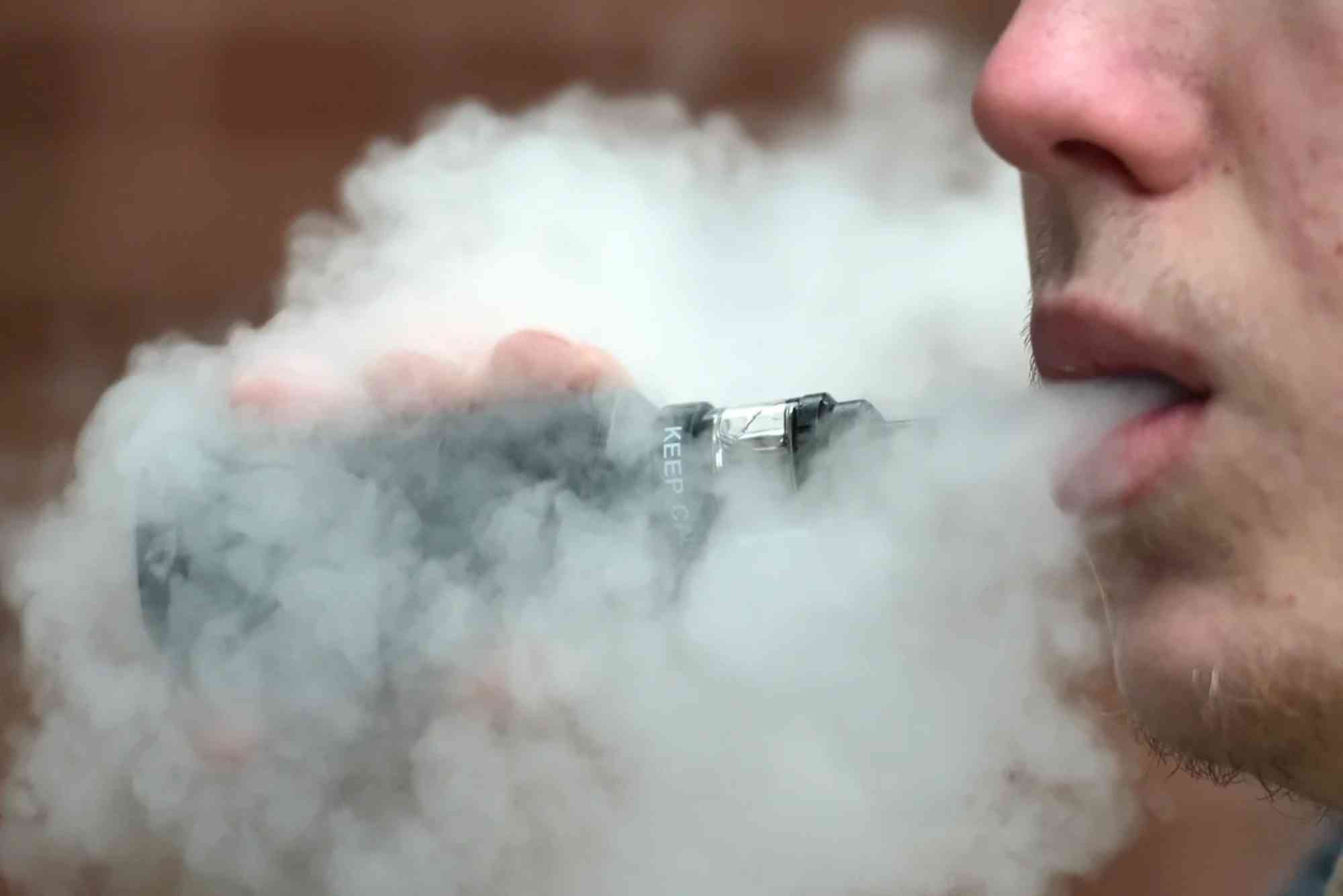
Understanding Vaping Illegal in Wisconsin and Its Impact on Vaping Health
Vaping has become a widespread trend, offering an alternative to traditional smoking. However, the legal landscape is changing rapidly across the United States. One state that has taken a firm stance is Wisconsin. The phrase “vaping illegal in Wisconsin” is gaining attention as policymakers, health experts, and the public debate its implications. This article will explore why vaping is illegal in Wisconsin, how these laws impact health, and what this means for consumers and businesses.
The Legal Status of Vaping in Wisconsin
Wisconsin has implemented strict regulations regarding the sale and use of vape products. While vaping is not entirely banned, the state enforces laws that limit accessibility, especially for minors. The term “vaping illegal in Wisconsin” often refers to restrictions on flavored e-liquids, online sales, and public vaping. Wisconsin follows the federal guidelines set by the FDA but adds its state-specific laws to control vaping’s reach.
One of the primary reasons behind these regulations is to curb underage vaping. According to surveys, a significant percentage of high school students in Wisconsin have tried vaping. In response, the state has introduced penalties for retailers who sell vape products to individuals under 21. Public vaping is also prohibited in most indoor areas, aligning it with traditional smoking bans.
Why is Vaping Illegal in Certain Aspects in Wisconsin?
The decision to regulate vaping strictly stems from mounting health concerns. Health officials argue that vaping, often marketed as a safer alternative to smoking, carries risks that are not yet fully understood. The rise in vaping-related lung illnesses, commonly known as EVALI (E-cigarette or Vaping product use-Associated Lung Injury), has prompted lawmakers to act decisively.
Wisconsin has witnessed cases of EVALI, which intensified scrutiny over vape products, especially those containing THC and harmful additives like Vitamin E acetate. While not all vaping is illegal in Wisconsin, products associated with health risks face significant restrictions. Moreover, the state’s efforts aim to address the misinformation surrounding vaping’s safety, particularly among teenagers and young adults.
Health Implications of Vaping: What Science Says
The debate over vaping’s health impact is ongoing, but several studies highlight potential risks. Vaping exposes users to nicotine, a highly addictive substance that affects brain development in young people. Additionally, the inhalation of aerosols from e-cigarettes can lead to respiratory issues, chronic bronchitis, and in severe cases, lung damage.
One of the misconceptions is that vaping is harmless water vapor. In reality, the aerosol contains ultrafine particles, heavy metals like lead, volatile organic compounds, and cancer-causing agents. Wisconsin’s public health agencies emphasize these risks to justify their stringent regulations. They argue that preventing youth access to vaping products can significantly reduce long-term health consequences.
Economic and Social Impact of Vaping Laws in Wisconsin
Beyond health concerns, the legality of vaping in Wisconsin also affects businesses and consumers. Vape shops face challenges due to restrictions on flavored e-liquids, which are popular among customers. These regulations have led some small businesses to close or limit their inventory, affecting the local economy.
Consumers, on the other hand, experience reduced access to their preferred products. Online sales restrictions mean that many users cannot easily purchase vape products from other states. This has sparked debates about personal freedom versus public health responsibility.
Socially, the stigma around vaping has intensified. Public vaping bans mean that users often face criticism or social isolation. These societal pressures, combined with legal constraints, have led to a decline in vaping’s popularity among Wisconsin residents.
Public Awareness Campaigns and Educational Initiatives
To support the enforcement of vaping laws, Wisconsin has launched several public awareness campaigns. These initiatives aim to educate young people about the dangers of vaping and debunk myths about its safety. Schools, community centers, and health organizations collaborate to spread factual information.
One of the key strategies is involving parents and educators in the conversation. By providing resources and training, these campaigns empower adults to guide teenagers away from vaping. The state also uses digital platforms to reach a broader audience, ensuring that the message about vaping’s risks is widespread and impactful.
The Role of Federal Regulations and Their Influence on Wisconsin
Federal regulations, particularly from the FDA, play a crucial role in shaping Wisconsin’s vaping laws. The FDA’s decision to ban flavored cartridge-based e-cigarettes has set a precedent that Wisconsin follows. However, the state often goes further by enforcing stricter penalties and expanding public vaping bans to more locations.
Wisconsin’s alignment with federal guidelines ensures consistency but also reflects local concerns. Vaping Illegal In Wisconsin For instance, the state’s proactive approach to monitoring vape-related illnesses has influenced its legislative actions. These collaborations between state and federal bodies highlight a unified effort to address the vaping epidemic.
Future Outlook: Will Vaping Remain Restricted in Wisconsin?
The future of vaping in Wisconsin depends on ongoing research and public health outcomes. If studies continue to reveal health hazards, it is likely that the state will maintain or even tighten existing laws. On the other hand, advancements in vape technology and the development of safer products could prompt a reassessment of current restrictions.
Public opinion also plays a role. As more residents become aware of vaping’s health implications, support for strict regulations may grow. However, advocacy groups representing consumers and businesses may push for more balanced policies that consider personal choice while safeguarding public health.
(FAQs)
Is vaping completely illegal in Wisconsin?
No, vaping is not entirely illegal in Wisconsin. However, there are strict laws regulating the sale, marketing, and public use of vape products. Selling to minors, flavored e-liquid sales, and public vaping in certain areas are prohibited.
Why are flavored vape products banned in Wisconsin?
Flavored vape products are banned because they appeal to minors and young adults. Health officials believe these flavors increase the likelihood of nicotine addiction among teenagers, leading to long-term health issues.
Can I buy vape products online in Wisconsin?
Wisconsin has restrictions on online sales of vape products to ensure that minors do not bypass age verification processes. Some online purchases may be allowed if strict verification procedures are followed, but many retailers avoid shipping to Wisconsin due to legal complexities.
What are the penalties for illegal vaping sales in Wisconsin?
Retailers caught selling vape products to individuals under 21 face fines, license suspension, or revocation. Repeated violations may lead to criminal charges. Consumers caught vaping in prohibited public areas may also face fines.
How does vaping affect lung health?
Vaping can cause lung irritation, chronic bronchitis, and in severe cases, lung injuries like EVALI. The inhalation of harmful substances found in e-cigarette aerosols contributes to respiratory issues and long-term lung damage.
Are there any exceptions for medical vaping in Wisconsin?
While Wisconsin allows medical marijuana use in specific cases, vaping THC products remains illegal unless approved under medical supervision. Users must adhere to state regulations to avoid legal penalties.
Navigating Vaping Laws in Wisconsin Responsibly
Understanding why vaping is illegal in Wisconsin in certain aspects is crucial for consumers, businesses, and health advocates. The state’s strict regulations aim to protect public health, especially among vulnerable youth populations. While vaping remains a contentious topic, the growing evidence of its health risks justifies Wisconsin’s cautious approach.
For individuals who vape, staying informed about current laws is essential. Always purchase products from licensed retailers, avoid vaping in prohibited areas, and consider the health implications associated with vaping. Businesses must also ensure compliance to avoid legal repercussions.