How to Know If You’re Vaping Too Much
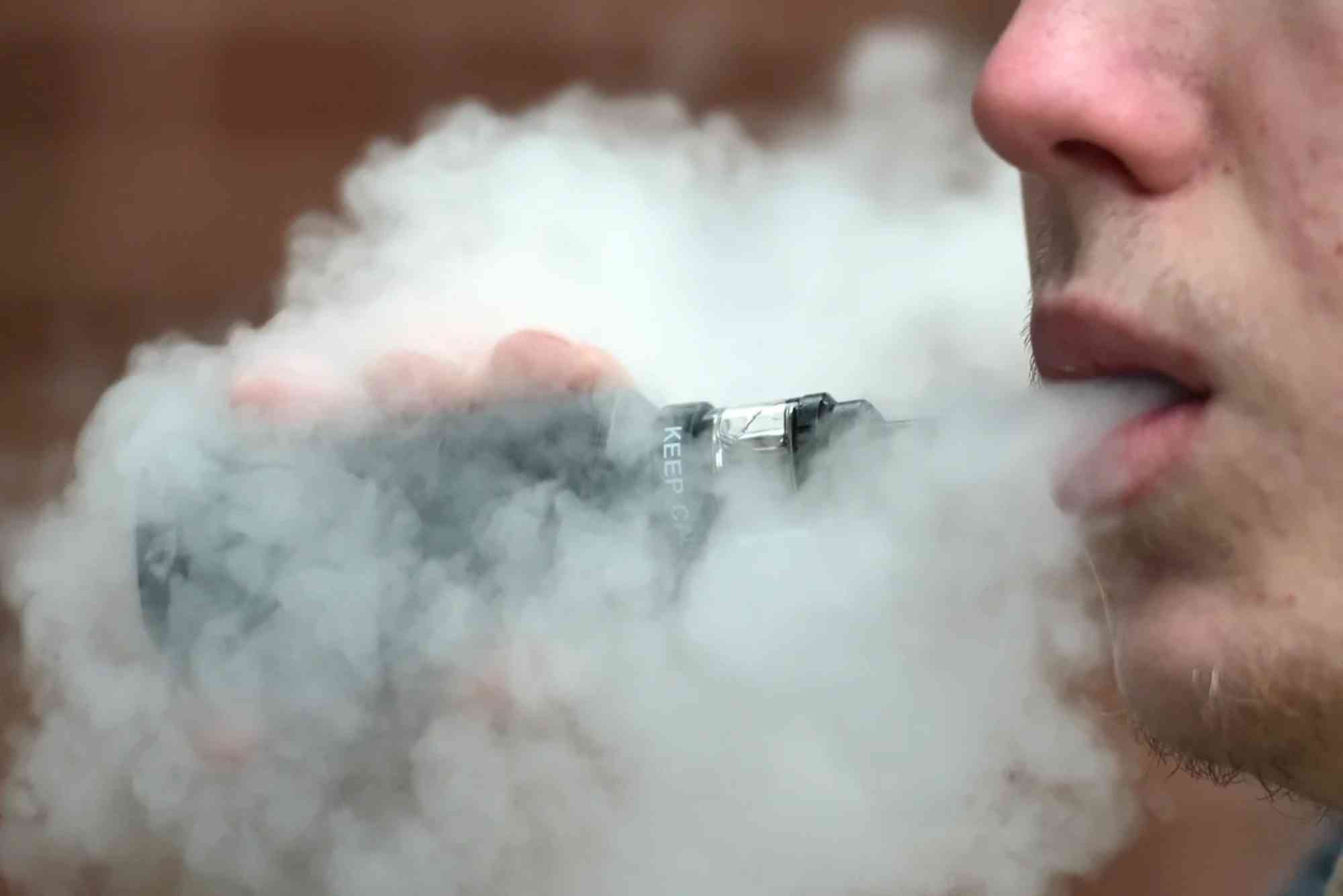
Vaping has become a popular alternative to smoking, especially among beginners looking for a less harmful habit. But many new users often ask themselves, “How much is too much?” Understanding your vaping frequency as a beginner is essential for your health, enjoyment, and long-term experience.
In this guide, we’ll break down the physical and behavioral signs you might be vaping too much, how to assess your current usage, and tips for keeping your vaping habits under control. Whether you’re just starting or have been vaping for a few months, this information will help you make informed decisions.
What Does “Too Much Vaping” Mean for Beginners?
For beginners, “too much” is subjective but typically refers to frequent vaping sessions that lead to side effects or dependency. It might also mean vaping out of boredom rather than for satisfaction. While vaping is less harmful than smoking cigarettes, overuse can still lead to nicotine addiction, lung irritation, and other health issues.
Vaping Frequency: What’s Considered Normal for Beginners?
There’s no strict rule, but vaping frequency for beginners generally ranges from a few puffs a day to a few sessions a week. If you’re using a nicotine vape, moderation becomes even more important to prevent dependency. A beginner might start with 1-3 short sessions a day, then reduce over time as cravings stabilize.
Physical Signs You’re Vaping Too Much
Your body often gives the first signs that something’s off. If you’re new to vaping, it’s important to pay attention to these indicators.
Persistent Dry Mouth or Throat
Dryness is one of the most common effects of excessive vaping. Propylene glycol (a common e-liquid base) absorbs moisture, leaving your throat parched. If you’re constantly reaching for water, consider reducing your vaping frequency.
Headaches or Dizziness
Nicotine in high doses can cause headaches, nausea, and light-headedness. For beginners, this may signal you’re vaping too often or using too strong a nicotine level.
Increased Heart Rate or Anxiety
Vaping too much, especially high-nicotine vapes, can stimulate your nervous system. If you notice jitteriness or anxiety after frequent use, you may be overdoing it.
Persistent Cough or Shortness of Breath
While less harmful than smoking, vaping still exposes your lungs to chemicals. If you feel breathless or develop a chronic cough, it’s time to evaluate your usage.
Behavioral Signs of Over-Vaping
Beyond physical symptoms, your behaviors can reveal whether your habit is becoming excessive.
Vaping Out of Boredom
If you reach for your vape every time you’re idle, that’s a sign of psychological dependence. Beginners should use vaping mindfully, not as a filler for boredom.
Difficulty Focusing Without Vaping
Can’t concentrate without a quick puff? It may be that your brain has started associating focus with nicotine. This is a clear cue to reassess your vaping frequency.
Hiding Vaping From Others
Are you sneaking sessions in secret? When use becomes compulsive or you feel guilty about it, it’s likely beyond moderate use.
How to Track Your Vaping Frequency
Understanding how often you vape is the first step to controlling it. Here are ways to track your use:
Use a Vaping Journal
Record each vaping session—note time, mood, and reason. Over a few days, patterns will emerge. You’ll be able to pinpoint if you’re using your vape to cope with stress or just out of habit.
Switch to Lower-Nicotine E-Liquids
If you find yourself vaping frequently, lower nicotine levels may help you control intake while still satisfying cravings.
Set Daily Limits
Set a max number of puffs or sessions per day. Apps like QuitNow! or MyQuit Coach help you stick to your goals.
Tips to Reduce Vaping Frequency Safely
Cutting back doesn’t mean quitting cold turkey. The key is a gradual, sustainable approach.
Choose Nicotine-Free Days
Dedicate one or two days a week where you vape only nicotine-free e-liquid. This reduces dependence and resets your tolerance.
Replace Vaping With Healthier Habits
When you feel the urge, distract yourself with water, a short walk, or deep breathing. Replacing the behavior can break the habit loop.
Social Support Matters
Tell close friends you’re trying to reduce your vaping frequency. Having support makes you more accountable and motivated.
When to Seek Help
If you’ve tried cutting back but can’t, or you feel withdrawal symptoms without vaping, it may be time to speak to a professional. Therapists and addiction counselors can guide you toward healthier habits.
What Experts Say About Vaping Frequency for Beginners
According to Johns Hopkins Medicine, although vaping is marketed as safer than cigarettes, it still poses health risks—especially when overused. New vapers should aim to minimize exposure and avoid becoming reliant.
The CDC also emphasizes that no form of nicotine is safe, especially for young adults. They recommend minimal use and stress the importance of understanding what’s in your vape device.
Frequently Asked Questions (FAQs)
How many times a day should a beginner vape?
Most beginners start with 1 to 3 vaping sessions per day. This allows time to adjust and avoid nicotine dependence.
Can you vape too much in one day?
Yes. Excessive daily vaping can cause side effects like nausea, increased heart rate, and anxiety, especially with high nicotine levels.
What nicotine level is best for beginners?
A 3mg to 6mg nicotine strength is usually enough for light smokers or beginners. Always start low and increase only if needed.
Is vaping every day normal?
Daily vaping isn’t uncommon, but frequency and intensity matter. Daily use with mindfulness is better than constant puffing throughout the day.
How do I stop craving my vape?
Try delaying the urge by 5-10 minutes, replacing the act with water, chewing gum, or short walks. Over time, cravings become manageable.
Vaping Smart Starts with Awareness
Understanding vaping frequency for beginners is vital if you want to enjoy vaping without negative consequences. Too much vaping can sneak up on you through physical symptoms and behavioral patterns. But with self-awareness, a plan, and a few smart habits, you can take control of your usage.
If you’re starting to notice signs of overuse, don’t panic—just reassess your routine. Start tracking your habits, set limits, and explore healthier alternatives. It’s never too early to take your health seriously.
Want to learn more about responsible vaping habits or explore healthier options? Check out our full vaping guide and get expert-backed tips to make smart choices from day one.