Vaping and Luxury Accessories: How Vape Culture Is Changing High-End Fashion in 2025
Introduction
Vaping and luxury accessories: how vape culture is changing high-end fashion in 2025 reflects a growing conversation about personal style, modern technology, and lifestyle branding. Fashion is no longer limited to clothing, shoes, watches, and handbags. Today, consumers also notice the small objects they carry and how these items complement their appearance.
Vape devices have evolved in design, with some featuring polished finishes, compact shapes, and sophisticated materials. Consequently, they have entered discussions about contemporary accessories and personal expression. However, this does not mean vaping has become universally accepted in luxury fashion. Instead, the relationship highlights how lifestyle products can influence design trends, branding, and consumer preferences.
Understanding this development requires looking beyond appearances. Fashion, technology, social media, and consumer behavior all contribute to the changing perception of modern accessories.
How Vaping and Luxury Accessories Are Influencing Fashion in 2025
The connection between vaping and luxury accessories reflects a broader shift toward lifestyle-oriented fashion. Consumers increasingly consider how everyday objects fit their personal aesthetic. As a result, product design can become part of a wider style statement.
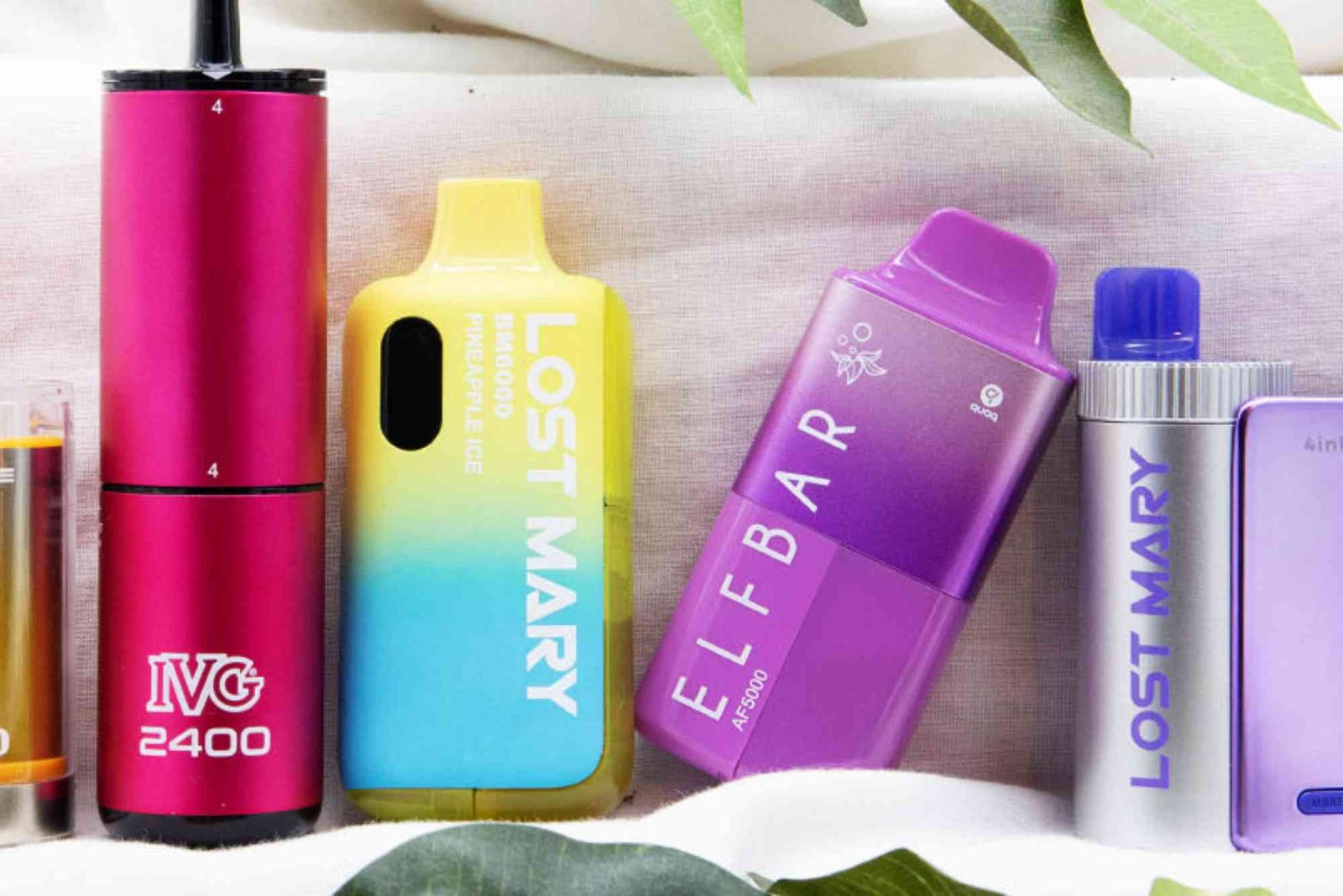
Luxury fashion has traditionally emphasized craftsmanship, distinctive materials, and recognizable details. These qualities now influence expectations across various consumer product categories. Some vape manufacturers apply similar visual principles through minimalist shapes, metallic finishes, and carefully considered packaging.
Nevertheless, a premium appearance does not automatically make a product luxurious. Authentic luxury generally depends on craftsmanship, brand heritage, product quality, and lasting value. A sleek device may complement an outfit, but its appearance alone does not establish its place within the luxury market.

Minimalist Design and Modern Aesthetics
Minimalism remains influential across contemporary fashion and product design. Clean lines, restrained colors, and simple shapes create a refined appearance without excessive decoration.
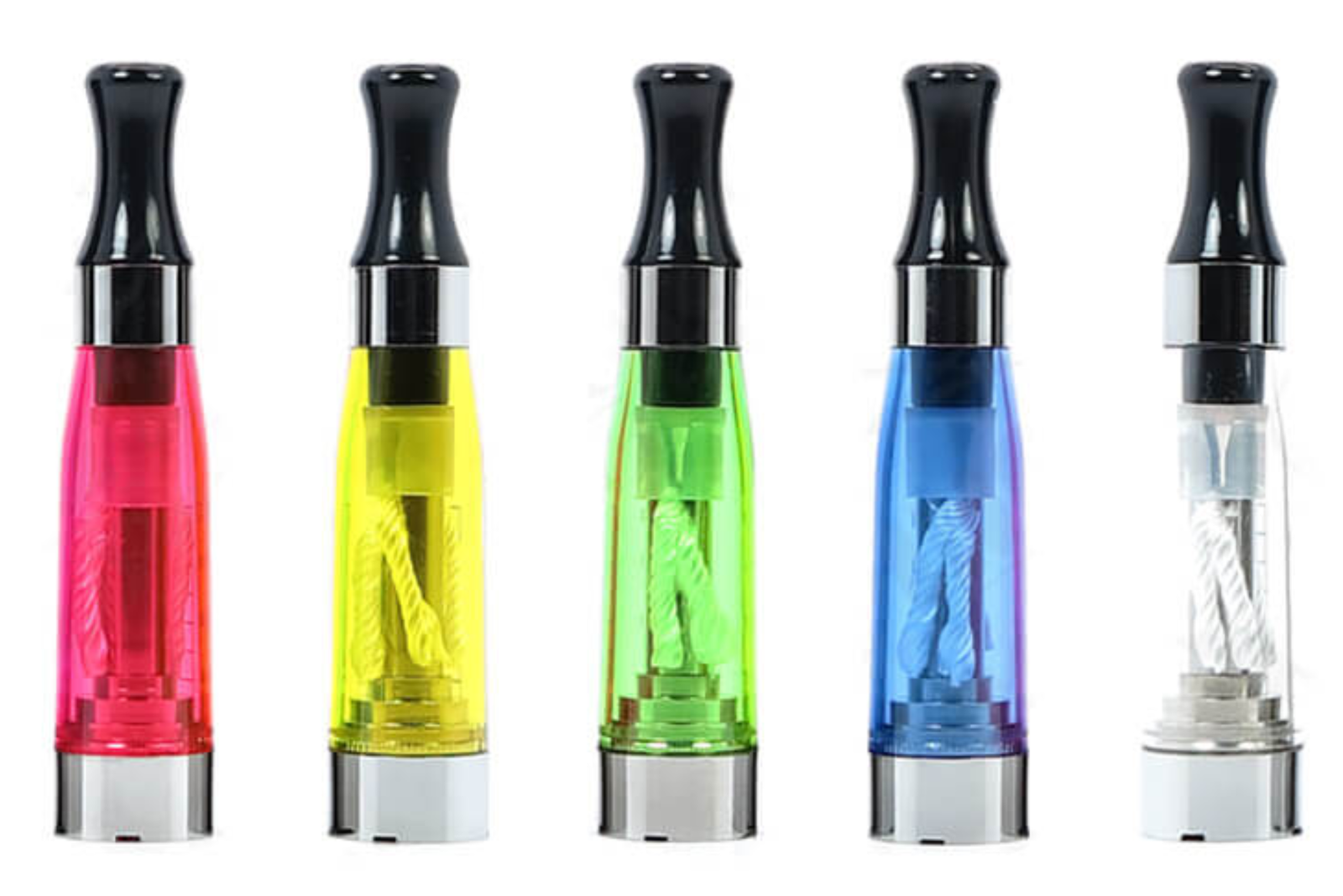
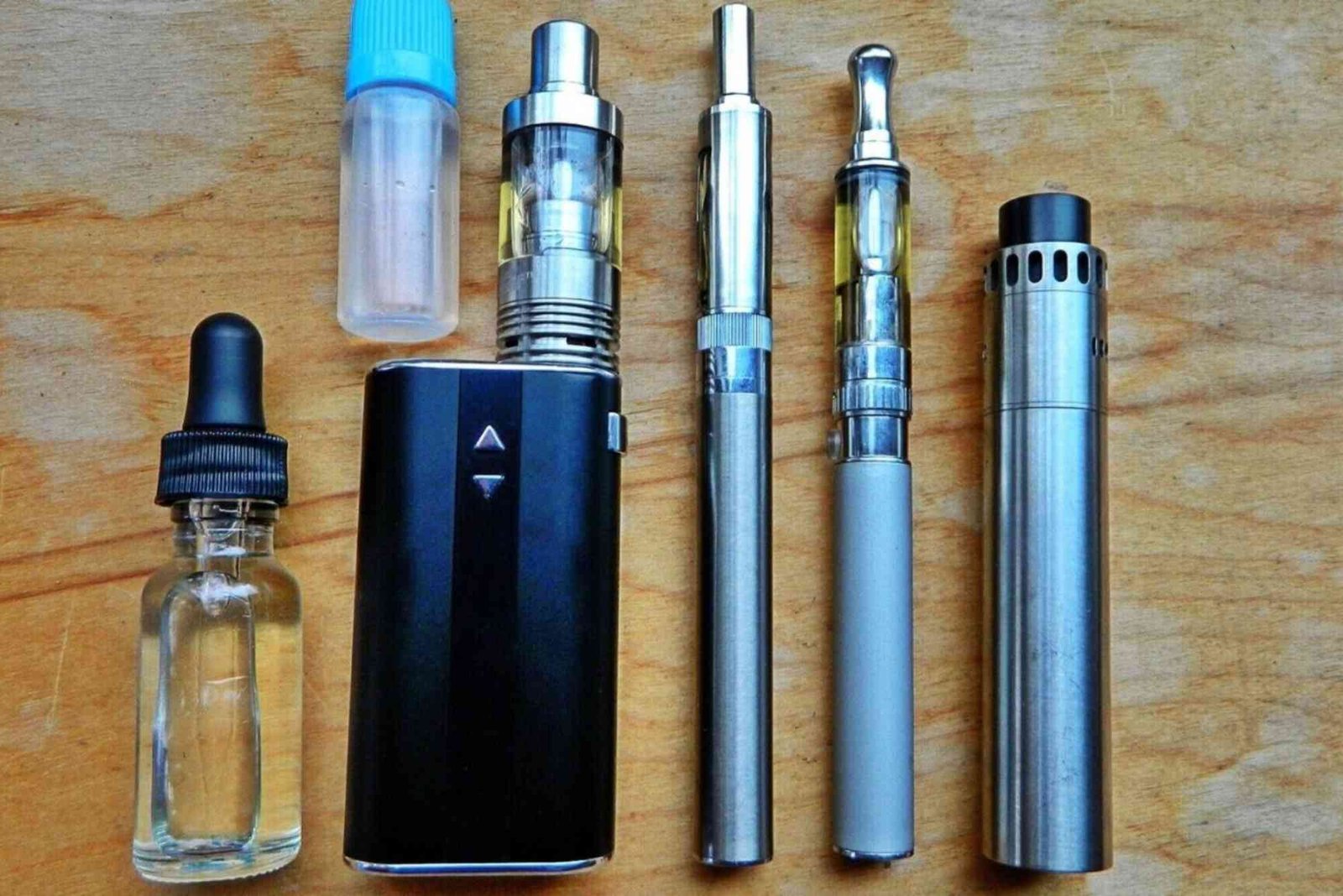
Some vape devices follow this approach through matte black surfaces, metallic accents, and compact forms. These design choices resemble details found in modern watches, pens, and electronic accessories.
Consumers who prefer understated fashion may appreciate coordinated colors and simple silhouettes. However, visual similarity does not necessarily indicate shared quality standards or manufacturing processes.
The Influence of Premium Materials
Materials play an important role in how consumers perceive an accessory. Brushed metal, polished finishes, and textured surfaces can create a sophisticated impression.
These elements also appear in premium consumer electronics and everyday carry products. Designers often use material contrast to improve visual interest while maintaining a consistent aesthetic.
Still, buyers should distinguish between appearance and durability. A product with a metallic finish may not contain solid premium metal. Material descriptions, construction quality, and independent product information offer better evidence of value.
Why Luxury Accessories Appeal to Style-Conscious Consumers
Luxury accessories help people communicate their preferences without changing their entire wardrobe. A watch, handbag, pair of sunglasses, or carefully chosen piece of jewelry can influence an overall look.
This principle also explains the attention given to compact lifestyle devices. Some consumers prefer objects that coordinate with their clothing and other belongings. They may value discreet designs rather than brightly colored products.
However, personal style remains subjective. Some fashion enthusiasts appreciate bold statements, while others prefer timeless simplicity. There is no single aesthetic that defines luxury or sophistication.
Personal Expression Through Everyday Objects
Accessories often communicate personality, interests, and social identity. Consumers select products based on color, shape, brand reputation, and perceived quality.
In this context, vaping and luxury accessories represent a discussion about how everyday objects become part of personal presentation. The same principle applies to headphones, phone cases, wallets, and wearable technology.
Importantly, personal expression does not require vaping. Many alternatives provide similar opportunities to coordinate belongings and develop an individual style.
Functionality Meets Appearance
Modern consumers frequently expect products to balance attractive design with practical functionality. This expectation influences everything from travel bags to wireless headphones.
For vape devices, relevant design considerations may include portability, battery protection, and clear product information. Yet appearance should never outweigh safety, regulatory compliance, or responsible use.
Luxury-inspired styling is most meaningful when it accompanies reliable construction and transparent product information. Decorative finishes alone cannot establish product safety.
Social Media and the Changing Image of Vape Culture
Social media has transformed how fashion trends spread. Instagram, TikTok, and other visual platforms allow brands and creators to present products within carefully styled environments.
Lifestyle photography often emphasizes colors, textures, clothing, and accessories. Consequently, consumer electronics and other small objects may appear alongside designer-inspired outfits.
This visibility can influence perceptions of what looks fashionable. However, online exposure should not be confused with widespread acceptance or actual purchasing behavior.
Influencer Marketing and Lifestyle Branding
Influencers can shape consumer preferences by connecting products with particular lifestyles. Their photography, personal branding, and visual storytelling may make ordinary objects appear more distinctive.
Nevertheless, the relationship between influencers and vaping requires particular care. Nicotine products carry addiction risks, and promotional rules vary by jurisdiction. Marketing must comply with applicable laws and should never target minors.
Responsible fashion coverage can discuss product aesthetics without encouraging nicotine consumption. It can also distinguish editorial commentary from paid promotion and commercial endorsement.
The Difference Between Online Visibility and Luxury Status
A product appearing in fashionable photographs does not automatically become a luxury item. Luxury status usually develops through a combination of reputation, design consistency, craftsmanship, customer experience, and market positioning.
Social media can increase awareness, but it cannot independently establish those qualities. Consumers should evaluate products critically instead of relying entirely on influencer recommendations.
Vaping and Luxury Accessories: A Comparison of Design Trends
The relationship becomes clearer when vape devices are compared with established accessories. Both categories can use similar visual principles, although their purposes and standards differ.
| Design element | Luxury accessories | Vape devices |
|---|---|---|
| Materials | Leather, precious metals, ceramics, and quality textiles | Metal alloys, plastics, glass, and other product-specific materials |
| Appearance | Classic, minimalist, or statement-making | Compact, colorful, minimalist, or technology-focused |
| Primary purpose | Style, utility, craftsmanship, or status | Delivering an aerosol for inhalation |
| Brand identity | Heritage, exclusivity, and design reputation | Technology, convenience, design, and market positioning |
| Value assessment | Materials, craftsmanship, provenance, and durability | Construction, compliance, functionality, and verified product information |
This comparison demonstrates that design principles can overlap without making the products equivalent. Their functions, risks, and standards remain different.
How Fashion Brands Approach Lifestyle Trends
Established fashion houses carefully manage their brand identities. Their products often communicate specific ideas about craftsmanship, exclusivity, heritage, and cultural relevance.
Some brands explore collaborations with technology companies or introduce accessories that reflect changing consumer habits. However, this broader trend should not be interpreted as universal endorsement of vaping.
Brand decisions depend on audience expectations, legal considerations, reputational risks, and commercial objectives. Products associated with nicotine may also conflict with certain brands’ health, sustainability, or public-image commitments.
Brand Image and Consumer Expectations
Consumers increasingly examine what a brand represents. Product design matters, but so do corporate conduct, advertising practices, and transparency.
A fashionable appearance cannot compensate for misleading claims or questionable business practices. Companies seeking long-term trust must consider the complete customer experience.
Sustainability and Product Longevity
Sustainability has become an important consideration in discussions about modern luxury. Durable construction, repairability, responsible sourcing, and thoughtful packaging can influence perceptions of quality.
Disposable vape products raise separate environmental concerns because they can contain batteries, electronic components, and residual materials. Improper disposal may contribute to pollution and waste.
Therefore, discussions about luxury-inspired design should also consider product lifespan and responsible disposal. Attractive styling alone does not make a product environmentally responsible.
Safety, Regulations, and Responsible Fashion Coverage
Although vaping may appear in fashion discussions, its health implications remain important. E-cigarette aerosol is not simply harmless water vapor. It can contain nicotine, fine particles, and other potentially harmful substances.
Nicotine is addictive, and vaping is not risk-free. People who do not smoke should not start vaping. Young people and pregnant individuals should avoid nicotine products.
Regulations also differ across countries. Restrictions may cover advertising, product sales, packaging, public use, and online promotion. Businesses must understand the applicable rules before marketing these products.
Fashion publishers can discuss design and cultural trends without presenting vaping as a symbol of success. Balanced reporting separates visual appeal from health considerations and avoids unsupported claims about benefits.
Frequently Asked Questions
How Is Vaping Influencing Fashion Trends in 2025?
Vaping influences fashion discussions through product aesthetics, lifestyle imagery, and social media visibility. Some devices feature minimalist designs and metallic finishes that resemble other contemporary accessories. However, vaping is not universally accepted within luxury fashion, and appearance does not determine product quality.
Are Vape Devices Considered Luxury Accessories?
Some vape devices use premium-looking finishes and carefully designed packaging. However, most should be evaluated as consumer electronics or nicotine-related products rather than automatically classified as luxury accessories. Brand reputation, materials, craftsmanship, and product quality all influence this distinction.
Why Do Consumers Prefer Minimalist Accessories?
Minimalist accessories offer versatility and coordinate easily with different outfits. Their restrained designs can create a polished appearance without competing with other clothing details. Consumers may also appreciate simplicity, practical functionality, and timeless styling.
Does Social Media Make Vape Products More Fashionable?
Social media can increase the visibility of products through photography, influencer content, and lifestyle branding. Nevertheless, visibility does not prove universal acceptance or establish luxury status. Advertising restrictions and responsible marketing practices remain essential considerations.
What Should Consumers Consider When Choosing Accessories?
Consumers should examine material quality, durability, functionality, price, and brand transparency. They should also consider environmental impacts and relevant safety requirements. For vape products specifically, health risks and local regulations deserve greater attention than appearance alone.
vaporwhirl.com is a platform focused on vaping information, products, trends, and helpful resources. It can help readers explore different vape-related topics, understand product features, and stay informed about developments in the vaping industry. The site aims to provide accessible content for readers seeking practical and relevant information.
Conclusion
Vaping and luxury accessories: how vape culture is changing high-end fashion in 2025 highlights the growing relationship between product design, lifestyle branding, and personal expression. Minimalist aesthetics, premium-looking finishes, and social media visibility have influenced how some consumers perceive everyday technology.
However, visual appeal does not automatically create luxury status. Craftsmanship, durability, brand credibility, and responsible business practices remain important measures of quality.
Fashion enthusiasts can explore contemporary accessory trends while making informed decisions about the products they use. They should also recognize the health risks associated with vaping and avoid confusing stylish presentation with safety.
Ready to explore modern fashion trends? Focus on well-designed, durable accessories that reflect your personal style. Choose quality over hype, research brands carefully, and make responsible decisions that support your long-term well-being.