Beginner’s Guide to Vape Maintenance
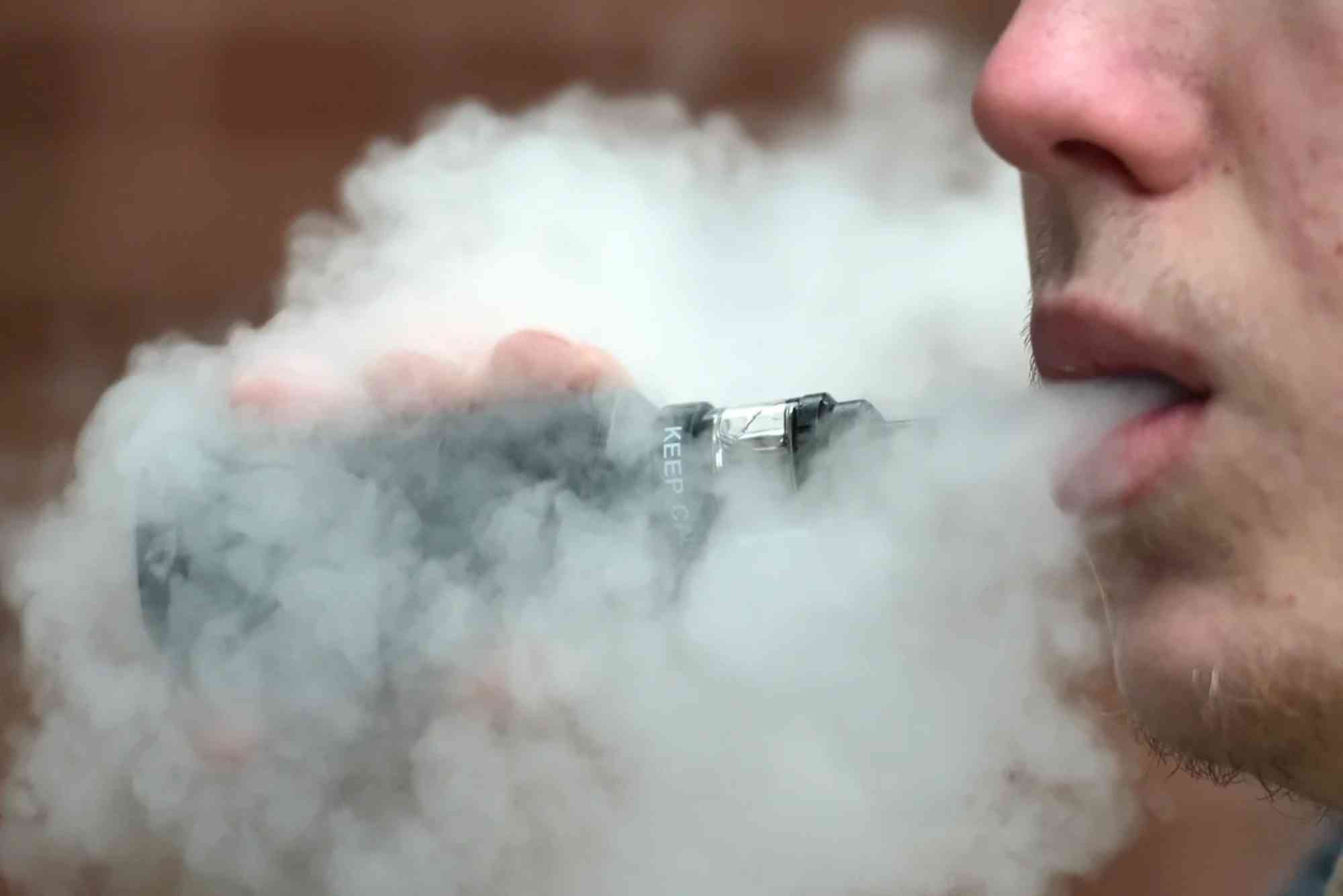
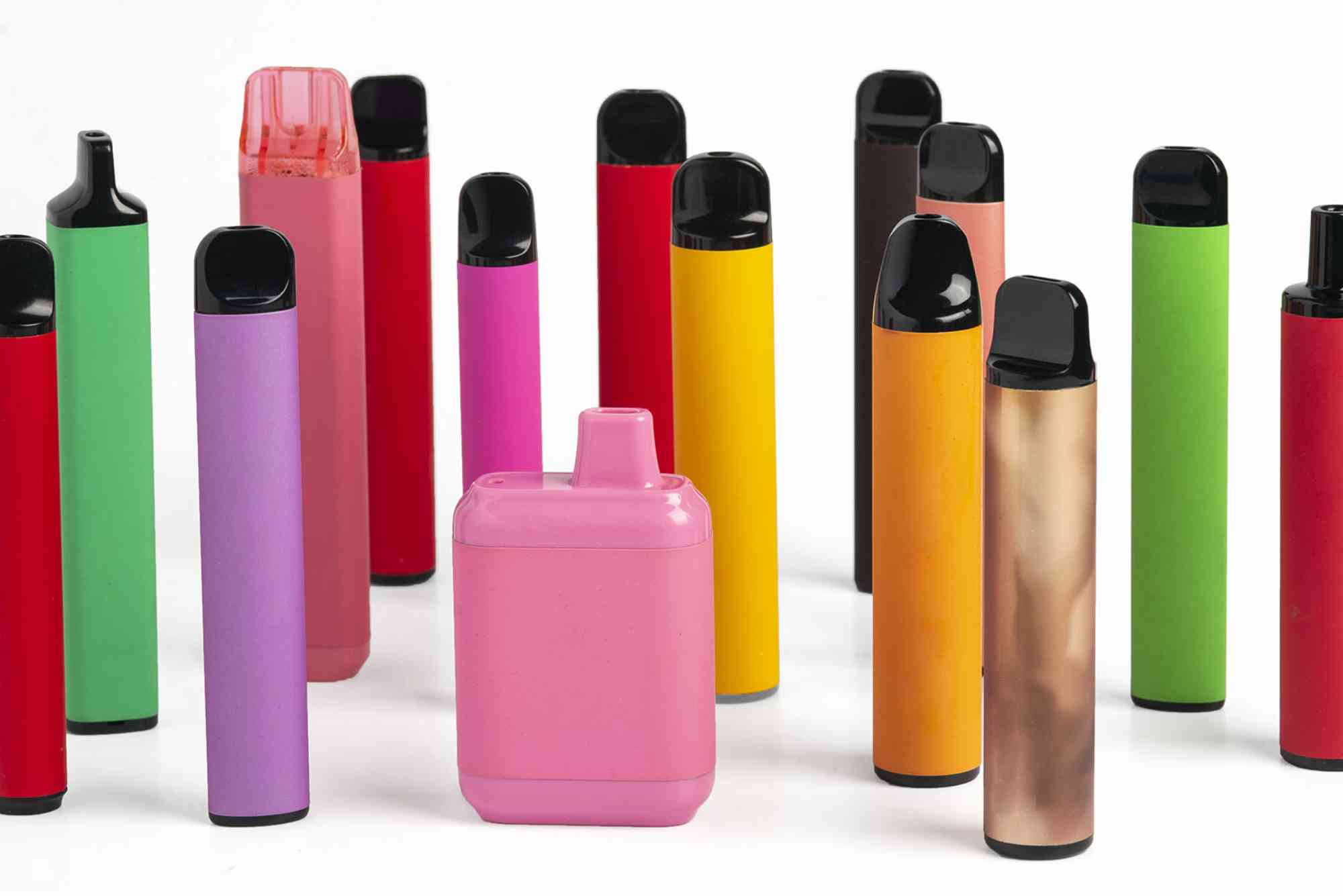
Vaping is more than just pressing a button and inhaling vapor. If you’re a beginner, understanding the basics of vape maintenance is crucial for safety, performance, and longevity. Regular maintenance not only enhances your vaping experience but also prevents malfunctions and unnecessary costs. Whether you’re using a pod system, pen-style vape, or a box mod, this vape maintenance beginner guide will help you get started on the right path.
Why Vape Maintenance Matters for Beginners
Every vape device, regardless of size or cost, has components that require cleaning and upkeep. When you maintain your device correctly, you prevent burnt coils, clogged tanks, leaking, and weak hits. Most importantly, proper care keeps your vape safe to use. For beginners, these habits lay the groundwork for a smoother, more enjoyable vaping journey.
Understanding Your Vape Device
Before diving into maintenance, it’s important to understand the basic parts of your vape. Most beginner-friendly vapes include the following:
- Battery: Powers the device.
- Tank or pod: Holds your vape juice.
- Coil: Heats the e-liquid to produce vapor.
- Mouthpiece: Where you inhale the vapor.
Each part plays a vital role and requires different care techniques. A good grasp of your device helps you spot issues early and resolve them efficiently.
Daily Maintenance Tips for Vape Beginners
When you’re new to vaping, simple daily habits can make a big difference. Always wipe your device clean after use. This helps prevent dust and liquid buildup that can impact performance. Store your vape upright to avoid leaking and ensure airflow remains unobstructed. Keeping your device dry and away from extreme temperatures also helps extend its life.
If your device is rechargeable, never leave it charging overnight. Overcharging may shorten battery life or cause overheating. Get in the habit of checking the battery level before you head out, so you’re never caught without power.
Weekly Cleaning Routine
Cleaning your vape once a week can prevent gunk buildup and flavor mixing. Start by disassembling your device. Remove the tank or pod, empty any remaining e-liquid, and rinse the tank with warm water. Avoid using soap, as it can leave residue that affects taste. Let the tank dry completely before reassembling.
For the mouthpiece, use a cotton swab or alcohol wipe to remove residue. Clean around the connection points gently to maintain solid electrical contact. Never soak the coil in water. Instead, replace it when it becomes dark or burnt-smelling. Clean vape beginners often overlook this, but a burnt coil ruins both flavor and performance.
When and How to Replace the Coil
One of the most frequent maintenance tasks is coil replacement. You’ll know it’s time when the vapor tastes burnt, becomes weak, or if the coil looks black and crusted. Depending on usage and e-liquid type, coils can last anywhere from 3 days to 2 weeks.
To replace the coil, remove the old one carefully. Prime the new coil by adding a few drops of e-liquid directly onto the cotton before installing it. After filling the tank, wait five to ten minutes to let the liquid saturate the coil completely. This prevents dry hits and coil burnout on the first puff.
Battery Safety and Longevity
Battery safety is vital for any vape maintenance beginner. Always use the correct charger for your device. If you’re using external batteries (common in mods), ensure they have no tears in the wrapping. Store batteries in cases—not loose in your pocket—where they can contact metal and cause shorts.
Avoid draining the battery completely before recharging. Lithium-ion batteries last longer if you recharge them at around 20–30%. If your vape isn’t hitting properly, inspect the battery contacts for dust or e-liquid and clean them gently with a dry cloth.
E-Liquid Storage and Handling
The way you store your e-liquid affects your vape’s performance. Always keep bottles in a cool, dark place, away from sunlight and heat. Light and temperature can break down nicotine and flavor compounds, degrading your vape juice quality.
Don’t overfill your tank. It might flood the coil or cause leaks. Follow the fill line, if marked, and wipe off any spills immediately. Avoid switching flavors too often without cleaning your tank, as it can cause a mixed or muted taste. Consistency and cleanliness are key for beginners learning proper vape maintenance.
Troubleshooting Common Issues
If your vape isn’t working correctly, don’t panic. Most issues stem from minor oversights that are easy to fix. If your device isn’t firing, check the battery connection and make sure it’s charged. If there’s no vapor, your coil may be dead or not screwed in properly. Leaking? Check the seals and whether the coil is seated correctly.
Spitback or gurgling usually means too much liquid in the coil or chimney. Try lightly tapping the device mouthpiece down onto a paper towel to clear excess fluid. These troubleshooting steps are part of routine care for every vape maintenance beginner.
Best Practices to Prolong Vape Life
Handle your vape gently. Dropping it can damage internal wiring, especially in devices with touchscreen displays or magnetic parts. Keep firmware updated if you’re using a smart device. Most beginner devices don’t require software updates, but always check the manufacturer’s website.
Use high-quality e-liquids. Cheaper options might contain sweeteners that gunk up your coil faster. Stick with reputable brands to avoid damaging your device. Lastly, take regular breaks between puffs to prevent overheating and stress on the coil.
Cleaning Frequency Based on Vape Type
The kind of device you use impacts how often it needs cleaning. Pod systems are easier to maintain and need less cleaning—usually once a week. Vape pens with refillable tanks require more frequent upkeep. Advanced box mods may need cleaning every few days if used heavily or with thick e-liquids.
Understanding your device helps you set a realistic cleaning schedule, reducing effort while maximizing results. This tailored approach helps every vape maintenance beginner develop confidence and consistency.
Beginner Mistakes to Avoid
Neglecting regular maintenance can result in expensive repairs or replacements. Another common mistake is not priming the coil before use, which leads to dry hits. Overcharging batteries or using damaged ones can be dangerous. Don’t wait until the vape tastes bad—maintain it proactively.
Avoid storing your device in your car or exposing it to extreme temperatures. Heat can expand the liquid, causing leaks, while cold may affect battery performance. Developing good habits early saves you from unnecessary frustrations.
Keep Your Vape Fresh and Reliable
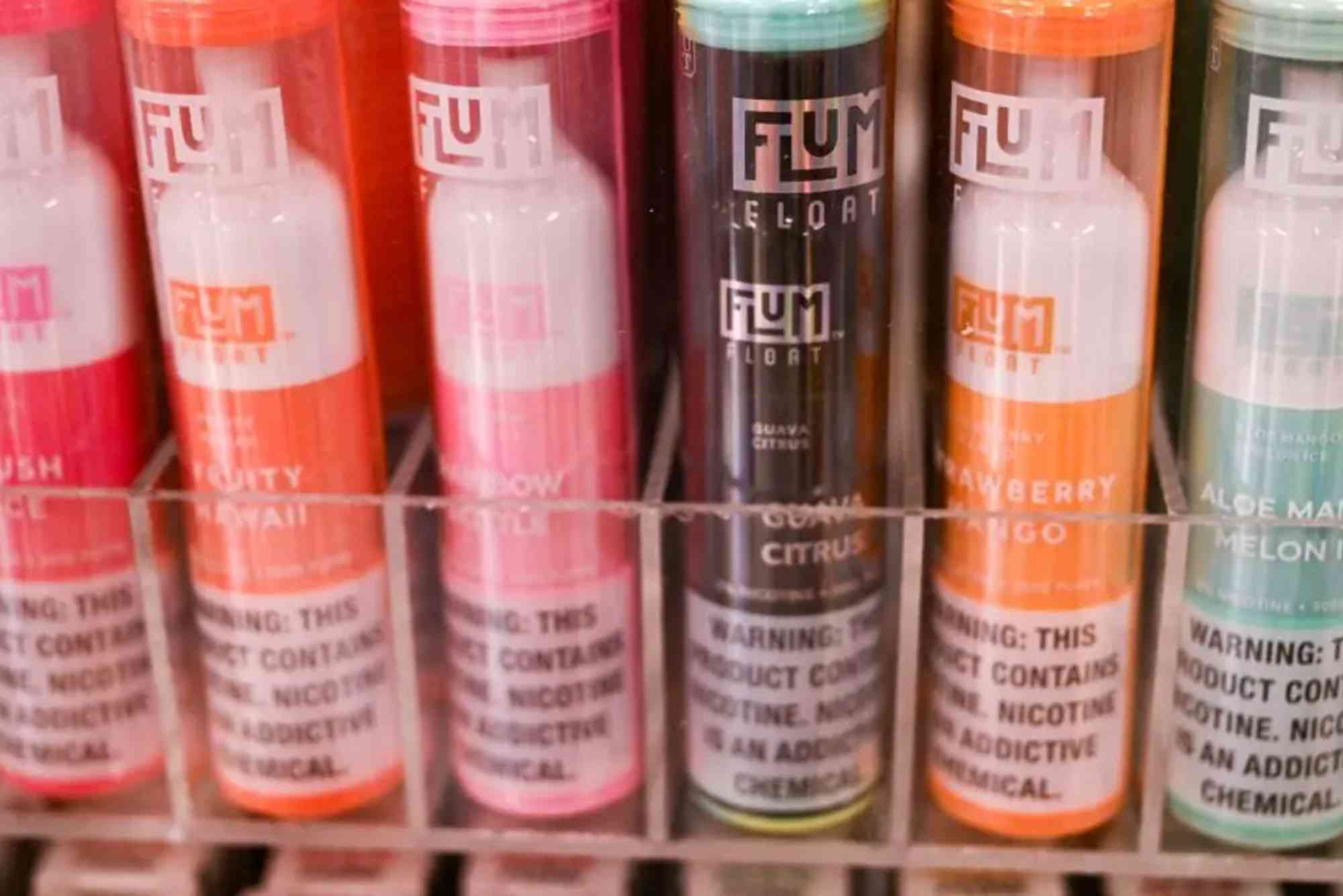
Taking care of your vape doesn’t have to be complicated. With just a few simple habits, you can enjoy consistent flavor, thick vapor, and a long-lasting device. Whether it’s cleaning your tank weekly or replacing coils on time, every bit of effort counts. As a vape maintenance beginner, start small and stay consistent.
FAQs
How do you clean a vape device properly?
Disassemble the device, rinse the tank with warm water, wipe the mouthpiece and battery contacts with a cloth, and let everything dry completely before reassembling.
How often should I clean my vape?
Clean your vape weekly for optimal performance. If you change flavors often, clean it more frequently to prevent taste mixing.
Can I clean my vape coil?
Coils are not designed to be cleaned. While some try rinsing them, it’s best to replace them when they burn out or taste bad.
Why does my vape keep leaking?
Common causes include overfilling the tank, damaged seals, or incorrectly installed coils. Make sure the coil is seated properly and don’t fill past the max line.
How long does a vape coil last for beginners?
Typically, 1 to 2 weeks depending on usage and e-liquid type. Heavy use or sugary liquids may shorten coil life.
What should I do if my vape won’t turn on?
Check if the battery is charged, clean the contact points, and ensure all components are connected securely. If problems persist, consult the user manual or support.