Introduction
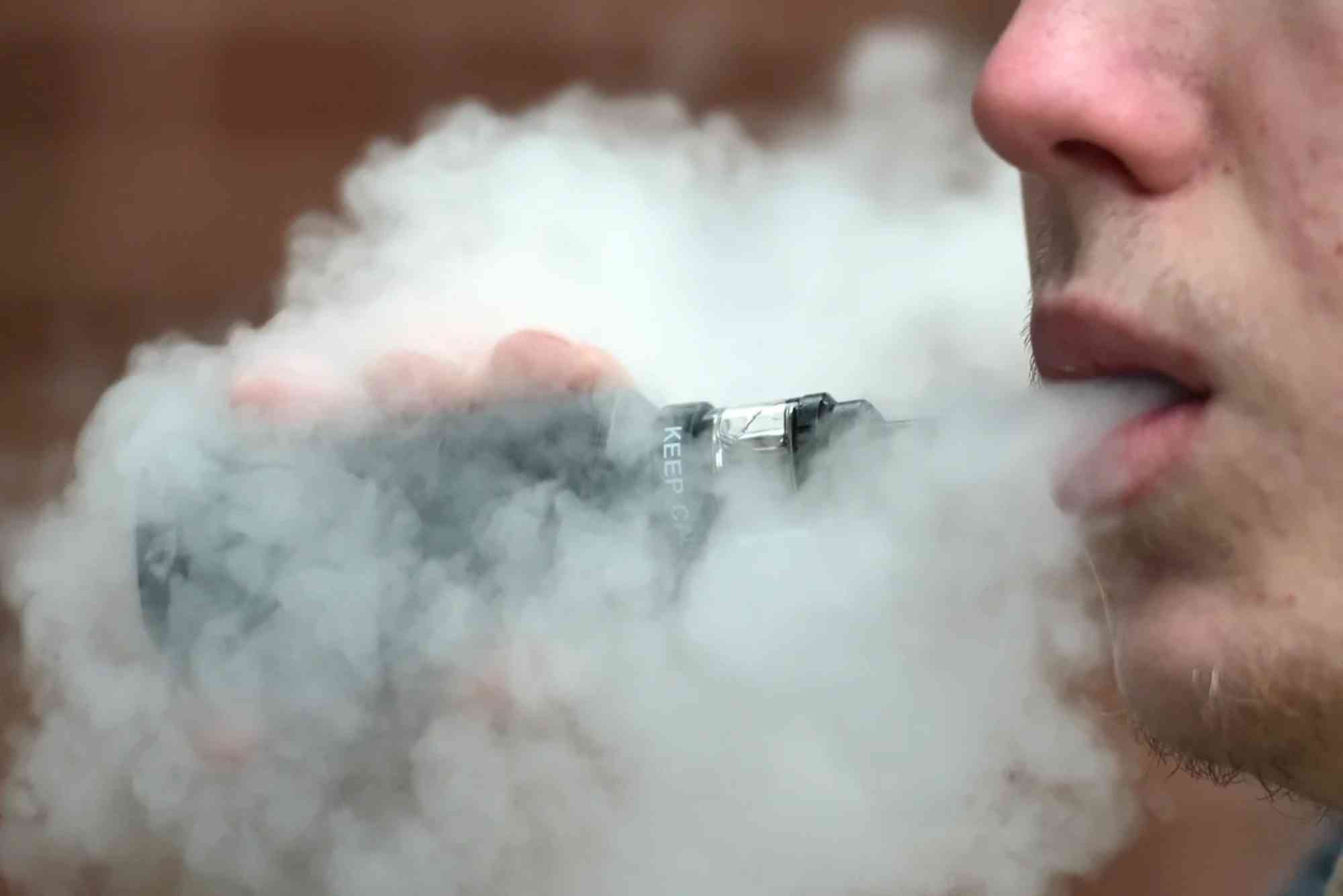
Vaping continues to attract millions of users worldwide, but alongside its rise, governments have tightened rules. Vape laws 2024 have introduced new safety guidelines, restrictions on sales, and public usage limits. Yet, while regulations matter, one area often overlooked is battery safety. Vape devices rely on lithium-ion batteries, and misuse or poor maintenance can turn them from convenient tools into dangerous hazards. This article explores updated vape laws 2024, the hidden risks of vape batteries, and practical safety measures you can follow to protect yourself.
Understanding Vape Laws 2024
Governments worldwide are reevaluating vaping regulations to balance public health with consumer demand. Vape laws 2024 are stricter than before, targeting minors, flavored e-liquids, and import restrictions. Many regions now require stronger labeling on devices and safety warnings regarding nicotine. More importantly, regulations increasingly highlight hardware safety, especially regarding batteries, after numerous reports of overheating and explosions.
In the United States, the FDA continues enforcing manufacturing standards for e-cigarettes. In the UK, the Medicines and Healthcare Products Regulatory Agency (MHRA) enforces maximum tank sizes and nicotine levels. Meanwhile, countries like Australia and Singapore have implemented near-total bans on nicotine vaping without prescriptions. The global theme in 2024 is clear: tighter control and more emphasis on consumer safety.
Why Vape Battery Safety Matters
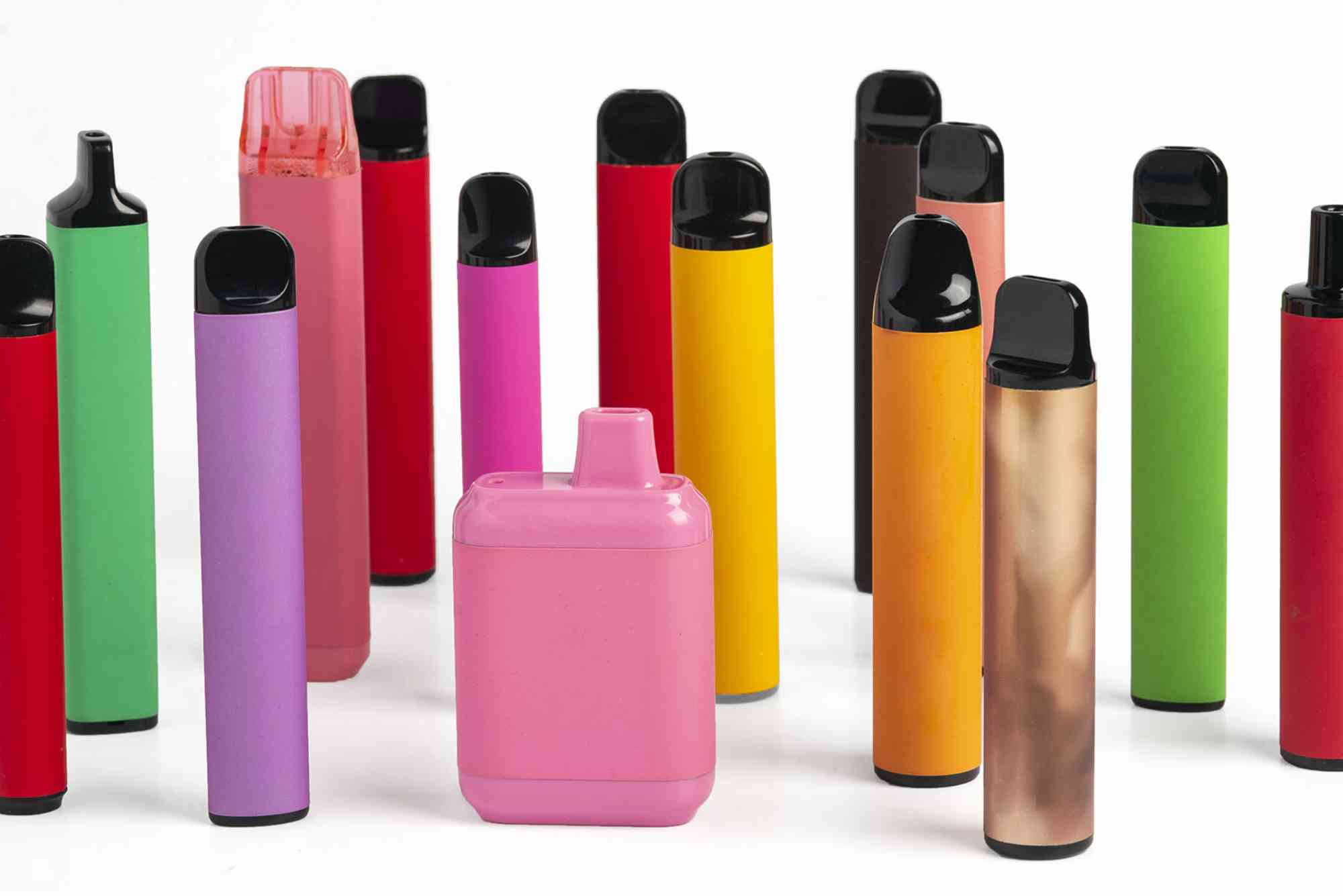
Lithium-ion batteries power most vape devices. These batteries are compact and rechargeable, but when mishandled, they pose serious risks. Overcharging, physical damage, or using the wrong charger can trigger thermal runaway—a reaction that causes the battery to overheat, leak, or even explode. Vape laws 2024 indirectly highlight this issue by urging manufacturers to follow stricter electrical safety standards. Still, the ultimate responsibility lies with vapers to use their devices correctly.
Common Risks of Vape Batteries
Overheating and Explosions
The most reported risk is overheating, often linked to carrying spare batteries loosely in pockets. When metal objects like coins or keys touch the terminals, they can short-circuit and trigger explosions.
Poor Quality or Counterfeit Batteries
Cheap knockoff batteries lack the protective circuits genuine products include. These counterfeits are widely sold online and remain one of the leading causes of vape accidents.
Incorrect Charging Practices
Using fast chargers or non-compatible cables may supply excessive current. Over time, this degrades the battery, increases internal pressure, and raises the risk of fire.
Physical Damage
Dropping or puncturing a vape device can damage the battery casing. Even small dents compromise internal chemistry, creating an invisible danger.
Vape Laws 2024 and Battery Standards
One of the key updates in vape laws 2024 is the push toward safer hardware standards. Manufacturers must now adhere to guidelines ensuring battery stability, thermal protection, and childproof designs. Some regions also require certification marks showing compliance with international safety standards like CE and UL. This shift reflects growing awareness that battery safety is as important as nicotine control.
Best Practices for Vape Battery Safety
Choose Quality Devices
Always buy vapes from reputable brands that comply with vape laws 2024. Look for safety certifications and avoid suspiciously cheap products.
Use the Correct Charger
Only use the charger that comes with your vape device or one recommended by the manufacturer. Avoid phone chargers or fast-charging adapters.
Store Batteries Properly
Keep spare batteries in a protective case. Never carry them loose in pockets or bags where they can contact metal objects.
Monitor Charging Habits
Do not leave your vape charging overnight or unattended. Unplug it once fully charged to prevent overheating.
Replace Damaged Batteries
If a battery shows signs of swelling, leaking, or damage, stop using it immediately. Dispose of it at a certified recycling center.
Vape Laws 2024 and Consumer Awareness
Regulations only work when consumers understand them. Vape laws 2024 are designed not just to restrict usage but to promote informed choices. Manufacturers are now obligated to provide detailed manuals, battery safety instructions, and clearer labeling. For example, warnings about improper charging or counterfeit batteries are mandatory in many markets. Public health campaigns are also educating vapers about safer practices.
Balancing Regulations and User Responsibility
While vape laws 2024 are stronger than ever, they cannot prevent every accident. Ultimately, responsibility rests on the individual. A regulated market reduces counterfeit products, but users must follow charging guidelines, use protective cases, and maintain their devices properly. Just as drivers follow traffic laws and safety rules, vapers must respect battery safety practices to protect themselves and those around them.
The Future of Vaping Technology and Safety
Innovation continues to reshape vaping. Some manufacturers are integrating smart technology into vape devices, such as auto-shutoff features, overheating alerts, and battery monitoring systems. Vape laws 2024 encourage this trend by incentivizing companies that invest in safer designs. In the coming years, expect to see devices that not only deliver better flavors but also actively prevent overheating and short-circuits.
FAQs
What are the new vape laws in 2024?
Vape laws 2024 include stricter restrictions on sales to minors, bans on certain flavored e-liquids, mandatory labeling, and tighter hardware safety standards.
Can vape batteries explode?
Yes, vape batteries can explode if mishandled, overcharged, or exposed to extreme heat. Following safety practices greatly reduces this risk.
Are all vape batteries the same?
No, vape batteries vary in capacity, quality, and safety features. Always purchase from reputable brands that comply with safety regulations.
How do I know if my vape battery is damaged?
Signs of damage include swelling, leaking fluid, or unusual heat during charging. Stop using it immediately and replace it safely.
Do vape laws 2024 ban vaping completely?
No, most countries have not banned vaping entirely. Instead, they regulate nicotine content, advertising, sales, and hardware safety to protect consumers.
What is the safest way to carry spare vape batteries?
Always store them in a protective plastic case to prevent short-circuits. Never carry them loose in pockets or bags.
Vaping remains a popular alternative to smoking, but with its rise comes responsibility. Vape laws 2024 highlight public health concerns while reinforcing the importance of battery safety. While regulations protect consumers from counterfeit products and unsafe hardware, individual choices play a critical role. By choosing quality devices, charging responsibly, and staying informed about battery safety, you can enjoy vaping without unnecessary risks.