Understanding Vape Law Iowa and Its Impact on Vaping Health
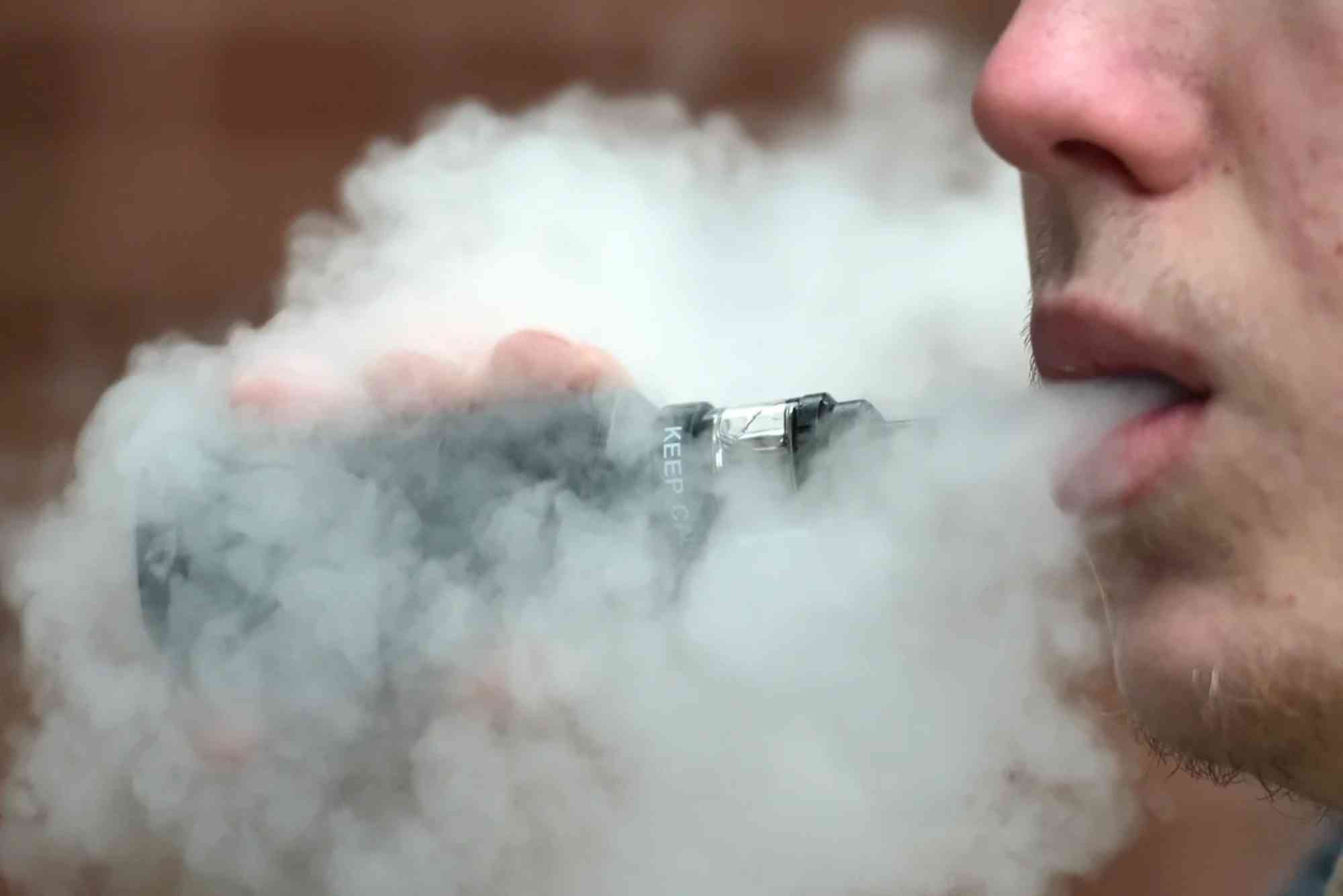
When discussing vape law Iowa, it’s important to understand how state regulations shape vaping access and influence public health. Iowa follows both federal and state rules to regulate who can buy, sell, and use vaping products. While some regulations are aimed at preventing youth access, others address the sale of unauthorized products. This article explains Iowa’s vaping laws, their current legal status, and the potential impact they have on vaping health.
Iowa’s Vape Law: Regulatory Overview
Age Restrictions
Iowa enforces the federal minimum age requirement for purchasing and using vaping products. This means no one under the age of 21 can legally buy, possess, or use e‑cigarettes or related vapor devices. This law covers all nicotine and non‑nicotine vaping products and applies to both in‑store and online sales. Retailers are required to verify age before completing any sale.
Smoke‑Free and Indoor Use Policies
While Iowa does not have a statewide ban on indoor vaping, several cities within the state have chosen to extend their local smoke‑free laws to include e‑cigarettes. These local regulations may ban vaping in restaurants, bars, workplaces, and other public spaces. This approach gives municipalities the flexibility to protect public health based on their own community needs.
PMTA Directory Law (House File 2677)
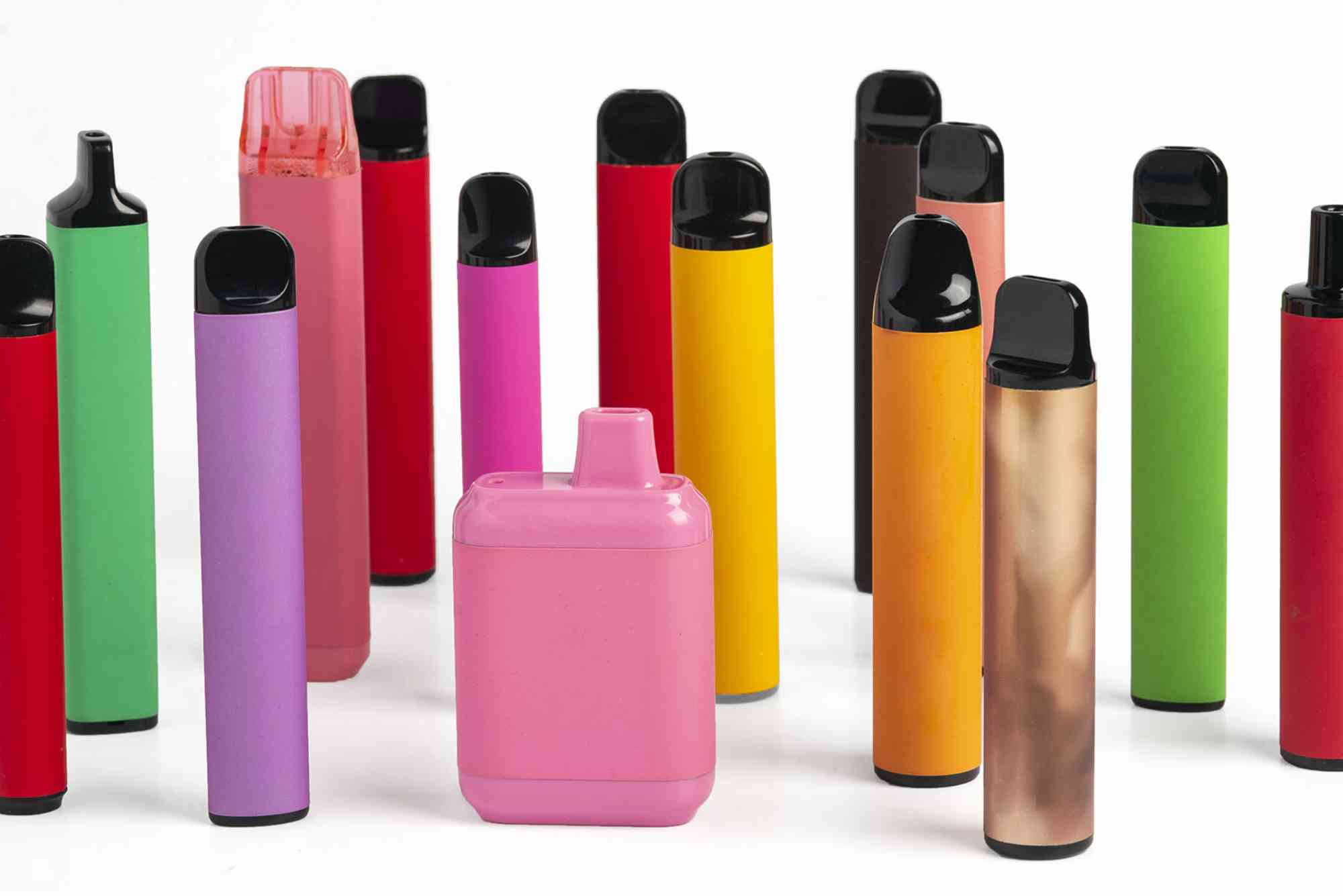
In 2024, Iowa passed a law requiring all vapor products sold in the state to be listed in an official product directory. To be included, products must have either received authorization from the U.S. Food and Drug Administration (FDA) or have a premarket tobacco application (PMTA) under review by specific federal deadlines. This law was intended to prevent the sale of unapproved vaping products and improve product safety.
Legal Challenge and Current Status
Shortly after the PMTA directory law was passed, several vaping companies filed a lawsuit arguing that the law conflicted with federal regulations. In 2025, a federal court blocked the enforcement of the law, stating that product approval is under federal jurisdiction. As of now, Iowa’s age restriction laws remain in place, but the PMTA directory requirement is temporarily halted while legal proceedings continue.
Impact on Vaping Health
Short‑Term Physical Effects
Research shows that vaping can have immediate effects on lung function. Even nicotine‑free e‑cigarettes have been found to temporarily reduce oxygen uptake in the lungs. Users may experience coughing, throat irritation, and changes in breathing patterns after short periods of use. These effects can occur regardless of the nicotine content, indicating that other ingredients in vape aerosols may play a role.
Long‑Term Health Risks
Long‑term vaping has been linked to respiratory issues, cardiovascular strain, and potential lung damage. Many vaping liquids contain chemicals such as formaldehyde, acrolein, and heavy metals, which may contribute to chronic inflammation and oxidative stress. Studies also suggest a possible connection between prolonged vaping and increased risk of lung disease, heart problems, and certain cancers, though research is still ongoing.
Youth Brain and Development Concerns
Nicotine exposure during adolescence and early adulthood can harm brain development. It affects areas of the brain responsible for impulse control, memory, and learning. Teens who vape are also at higher risk of developing nicotine addiction, mood disorders, and attention problems. Because the brain continues to develop until about age 25, public health experts warn that early exposure to nicotine could have lasting consequences.
Population‑Level Impact of Laws
Public health research has shown that strict vaping laws, such as higher age limits, indoor vaping bans, and licensing requirements for retailers, can lead to a significant reduction in e‑cigarette use. In Iowa, local restrictions combined with the federal age law have contributed to lower vaping rates among young people, which in turn helps reduce exposure to harmful substances.
Why Iowa Vape Law Matters
Iowa’s vaping laws are part of a broader effort to protect public health, particularly for youth. By enforcing age restrictions and considering stricter product approval requirements, the state aims to reduce the availability of unsafe or unregulated vaping products. Although the PMTA directory law is currently on hold, it signals Iowa’s intention to align with federal health standards and keep harmful products off the market.
The state’s approach also allows local governments to create additional rules to address their community’s needs. This flexibility helps ensure that public health strategies can adapt to different patterns of vaping use across Iowa.
In short, vape law Iowa consists of a combination of federal and state regulations, with the main focus on preventing youth access and restricting unsafe products. While there is no statewide indoor vaping ban, local governments have taken action to protect residents in public spaces. Health experts warn that vaping carries both short‑term and long‑term risks, making it essential to stay informed about the law and the science behind it.
FAQs
What is Iowa’s minimum legal age to buy vapes?
The legal age to purchase or use vaping products in Iowa is 21. This applies to all nicotine and non‑nicotine e‑cigarettes and vaping devices.
Does Iowa ban vaping indoors statewide?
No. There is no statewide indoor vaping ban in Iowa. However, some cities have passed local ordinances prohibiting vaping in public indoor spaces such as restaurants, bars, and workplaces.
What is the vapor products directory law in Iowa?
The vapor products directory law, also known as House File 2677, requires all vaping products sold in Iowa to be listed in a state directory. Only products authorized by the FDA or under official federal review would be allowed. This law is currently not in effect due to a court ruling.
What health risks are linked to vaping?
Vaping can lead to respiratory irritation, lung function changes, cardiovascular strain, and long‑term health issues. Nicotine exposure also poses risks to brain development, especially in young people.