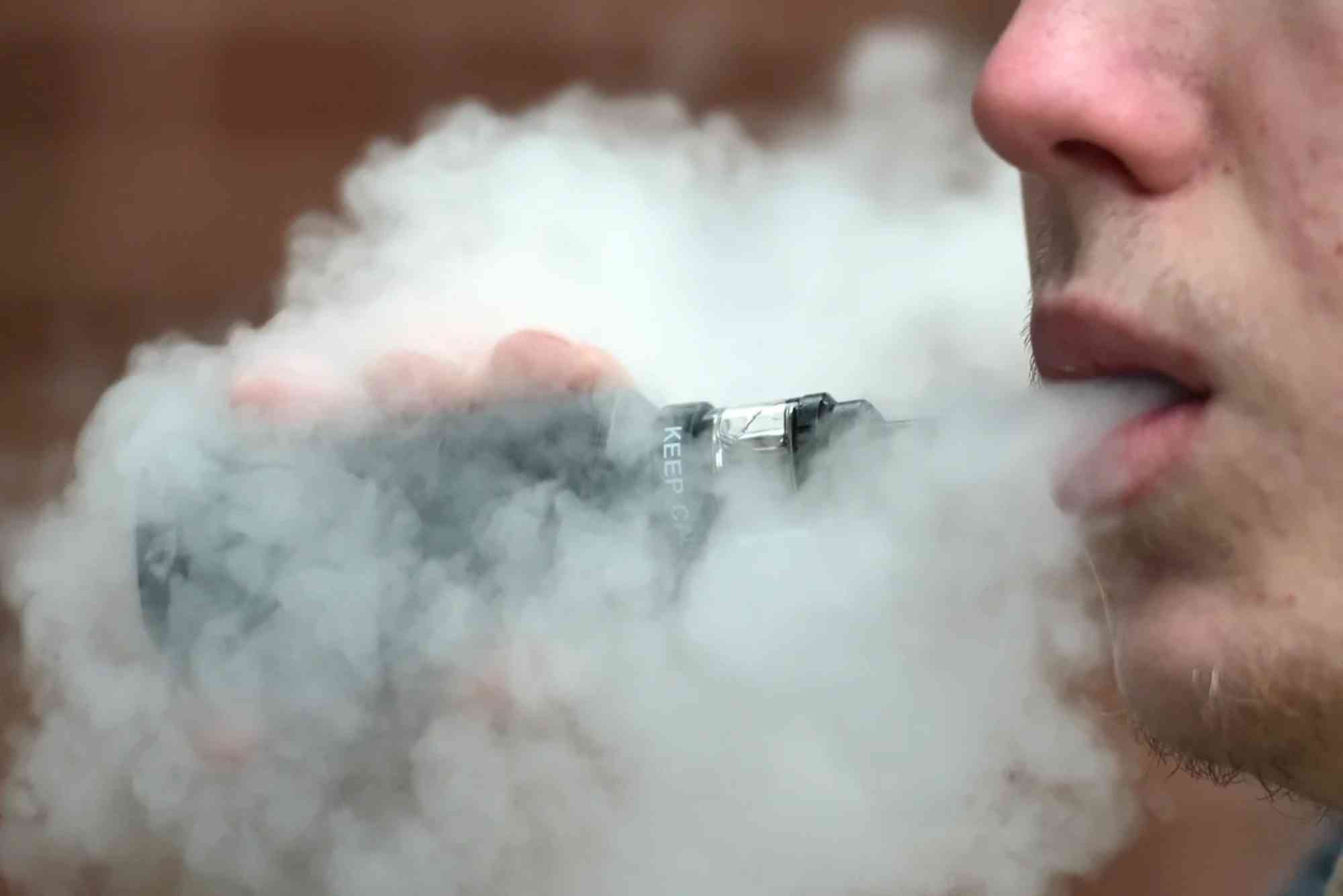
Vape Law India and Its Impact on Vaping Health
The rise of vaping across the world has sparked serious debates around its regulation, safety, and health impact. In India, this debate reached its peak in 2019 when the government took a strong stance against e-cigarettes and introduced a nationwide ban. While some countries regulate vaping by imposing age restrictions or taxation, India went a step further by prohibiting the production, sale, and advertising of e-cigarettes altogether. Understanding vape law India is crucial for anyone who wants to stay compliant with the law, protect their health, or explore the future of alternative nicotine products.
Vape Law India: An Overview
The Government of India officially banned e-cigarettes in September 2019 under “The Prohibition of Electronic Cigarettes Act.” This law prohibits the production, manufacture, import, export, transport, sale, distribution, storage, and advertising of e-cigarettes. The move was justified by public health concerns, with the government citing the addictive nature of nicotine and potential risks to youth as key reasons for the ban.
Unlike some Western nations where e-cigarettes are viewed as harm-reduction tools compared to traditional cigarettes, Indian regulators feared that vaping could lead to widespread nicotine addiction among teenagers and young adults. Vape law India thus stands as one of the strictest regulatory frameworks in the world when it comes to electronic nicotine delivery systems (ENDS).
Why Did India Ban Vaping?
Concerns About Youth Addiction
One of the government’s strongest arguments for the ban was the potential for vaping to become a gateway to smoking among youth. With sleek devices and flavored e-liquids, e-cigarettes were seen as particularly attractive to teenagers.
Lack of Long-Term Research
Health experts in India emphasized that vaping is still relatively new, and long-term studies on its safety are limited. The concern was that promoting vaping as “safer” could downplay risks that are not yet fully understood.
Public Health Strategy
India has one of the largest populations of smokers in the world. Regulators argued that introducing vaping as an alternative could complicate anti-tobacco campaigns, making it harder to achieve tobacco-control goals.
Industry Pushback
While global e-cigarette companies argued that vaping helps smokers quit, Indian authorities remained unconvinced. The vape law India reflects a cautious approach, prioritizing prevention over potential harm reduction.
The Impact of Vape Law India on Public Health
Reduced Access to Vaping Products
The immediate effect of the law was the removal of e-cigarettes from legal markets. Vape shops closed down, and online platforms stopped selling devices and e-liquids. This significantly reduced access for people who might have considered switching from smoking to vaping.
Black Market Growth
Despite the ban, reports suggest that a black market for e-cigarettes has emerged. Unregulated products, often imported illegally, pose greater health risks because their contents are not checked for safety. This undermines the very purpose of vape law India, which aimed to protect public health.
Impact on Smoking Rates
There is ongoing debate about whether banning e-cigarettes has helped reduce smoking rates. Some experts argue that smokers who might have switched to vaping are left with fewer alternatives, while others believe the ban prevents new nicotine users from starting.
Health Risks of Illegal Vapes
With black-market vaping products, users face risks such as contaminated e-liquids, higher nicotine levels, and harmful additives. Since these products are not regulated, they can be more dangerous than the e-cigarettes originally banned.
Comparing Vape Law India with Global Regulations
Globally, vape laws vary widely. Countries like the UK support vaping as a harm-reduction tool, even prescribing e-cigarettes in some cases for smokers trying to quit. The United States regulates vaping through the FDA, focusing on age restrictions, product approvals, and flavor bans. On the other hand, countries like Singapore and Brazil, similar to India, enforce complete bans on e-cigarettes.
This difference highlights how vape law India is shaped by cultural, social, and economic factors unique to the country. With high smoking rates and a strong public health campaign against tobacco, Indian authorities saw prohibition as the safest route.
The Health Debate Around Vaping
Is Vaping Safer Than Smoking?
Many international studies suggest that vaping is less harmful than smoking because it eliminates combustion, which produces most of the toxic chemicals in cigarettes. However, “less harmful” does not mean “safe.” Nicotine remains addictive, and vaping can still affect heart and lung health.
Potential Risks of Vaping
Vaping has been linked to lung injury cases, especially in the United States where illicit THC vapes caused serious health crises. Other risks include throat irritation, increased blood pressure, and unknown long-term effects.
Potential Benefits of Vaping
For adult smokers who struggle to quit, vaping has been presented as a possible harm-reduction tool. Countries like the UK argue that vaping helps reduce smoking-related deaths by offering a less harmful alternative. But in India, this argument has not been widely accepted due to the lack of local research and the fear of youth addiction.
Social and Economic Impact of Vape Law India
The vaping ban has had significant social and economic consequences. Thousands of vape shop owners lost their businesses overnight. Importers and distributors faced losses due to seized products. From a social perspective, communities of vapers who saw vaping as a lifestyle choice had to give up or turn to illegal markets.
Meanwhile, traditional tobacco sales remain strong, raising questions about whether the ban unintentionally favors the cigarette industry. Since India earns substantial revenue from tobacco taxation, critics argue that vape law India may have economic motivations as well.
The Future of Vaping in India
The big question is whether vape law India will remain a permanent ban or evolve into a regulated system. As more global research emerges, there could be pressure to reconsider the law, especially if studies strongly support vaping as a harm-reduction tool. For now, the government’s stance is clear: vaping remains illegal, and enforcement efforts continue. However, public demand, international trends, and health data may influence future policy changes.
Vape law India represents one of the strictest approaches to vaping regulation in the world. By imposing a complete ban, the government aimed to protect public health, particularly young people, from potential nicotine addiction. While the law has succeeded in removing vaping from legal markets, it has also created challenges such as black-market growth and limited harm-reduction options for smokers. The debate on whether vaping should be regulated instead of banned continues, and future research may influence policy changes.
For now, those in India must comply with the current law while staying informed about global health discussions around vaping. If you are a smoker considering quitting, it is better to explore medically approved cessation methods such as nicotine patches, gums, or counseling rather than turning to illegal e-cigarettes. Stay updated on the latest health regulations in India. If you are a smoker seeking to quit, consult a healthcare professional for safe and effective alternatives instead of turning to banned products.
FAQs
Is vaping legal in India?
No, vaping is illegal in India under the 2019 Prohibition of Electronic Cigarettes Act.
Can you bring e-cigarettes into India for personal use?
No, importing e-cigarettes into India is prohibited, even for personal use. Travelers carrying them risk confiscation at airports.
Why did India ban e-cigarettes?
India banned vaping to prevent youth addiction, address health concerns, and avoid undermining tobacco-control efforts.
Are there penalties for using e-cigarettes in India?
Yes, possession, sale, or advertisement of e-cigarettes can result in fines or imprisonment.
Do people still vape in India despite the ban?
Yes, a black market exists, but the products are unregulated and can pose higher health risks.
Is vaping safer than smoking?
Globally, research suggests vaping is less harmful than smoking, but it is not risk-free. India does not officially endorse vaping as harm reduction.