Vaping has grown rapidly as an alternative to smoking, especially among young adults. However, with this growth comes increased scrutiny. Recently, a significant vape law change has been implemented in several regions, altering how consumers access and use vape products. Whether you’re a casual user, a business owner, or someone interested in public health, it’s essential to understand what these legal updates mean for vaping habits and health outcomes.
In this article, we break down the latest vape law changes, why they matter, and how they affect your health, purchasing options, and lifestyle.
What Is the Recent Vape Law Change?
Governments worldwide have been tightening regulations on vaping. These changes aim to control underage access, improve product safety, and mitigate public health risks.
Harsher Restrictions on Sales
One of the most common legal updates is restricting vape sales to licensed retailers. Some regions have banned online sales altogether or added strict age verification rules.
Flavour Bans and Nicotine Limits
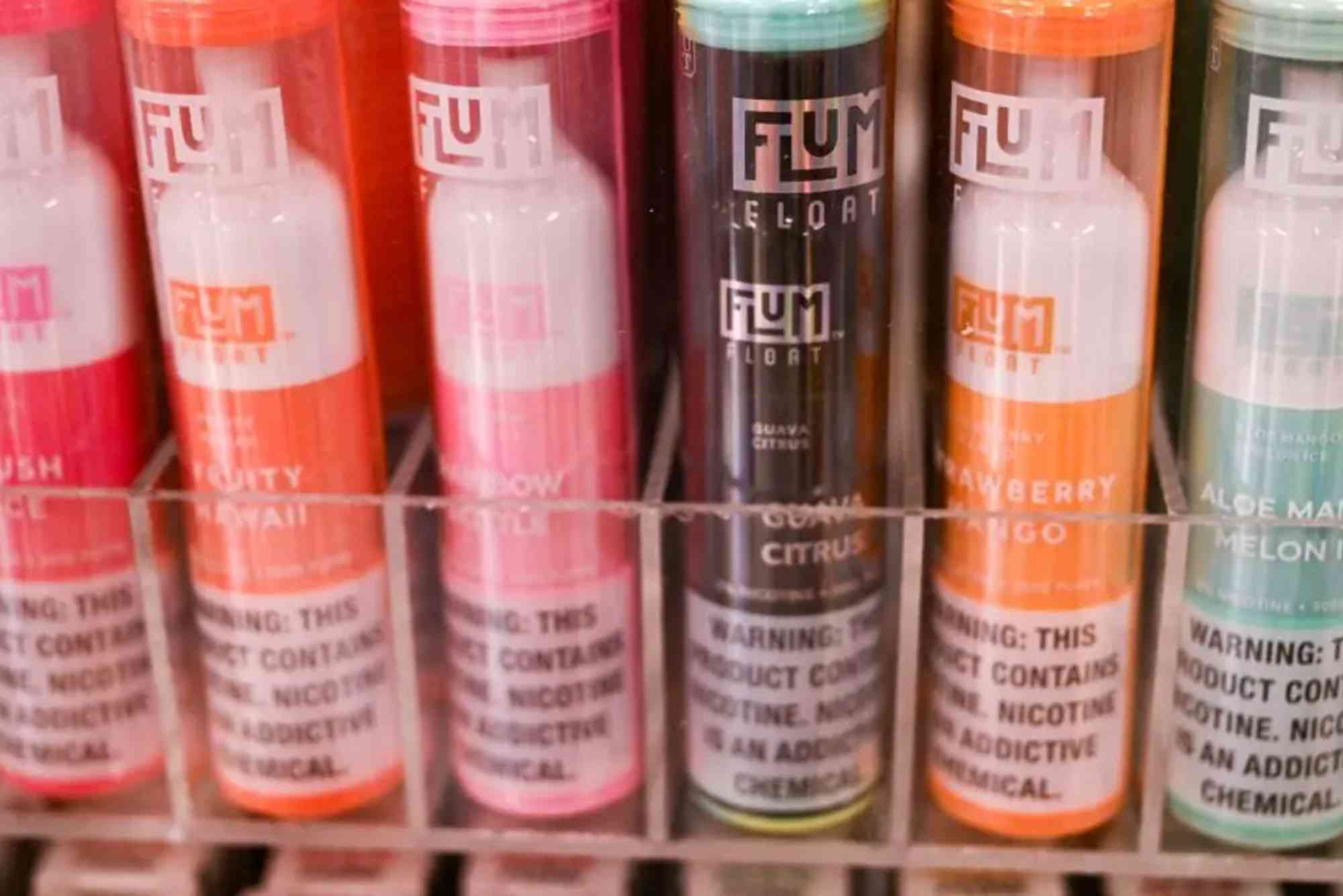
Many new laws are targeting flavored vape products. These flavors—popular among teens—are being removed from the market. Additionally, some countries are lowering the legal nicotine concentration in vape juice.
Packaging and Warning Labels
Another significant update is the requirement for clearer, larger health warnings on vape packaging. Like cigarette boxes, these warnings are designed to inform users of potential health risks.
Why Governments Are Pushing Vape Law Changes
Rising Youth Vaping Rates
One of the driving forces behind the vape law change is the alarming increase in teen vaping. Governments are reacting to data showing that flavored vapes, in particular, have attracted a younger audience.
Unregulated Markets
Before these changes, many vape products entered markets with minimal oversight. This lack of regulation raised serious concerns about harmful chemicals and counterfeit products.
Long-Term Health Concerns
Although vaping is often marketed as safer than smoking, long-term studies are still inconclusive. Lawmakers are erring on the side of caution, prioritizing public health through stricter laws.
How Vape Law Changes Affect Consumers
These new laws affect how, where, and what you can vape. Understanding these changes will help you stay compliant while making informed choices about your health.
Limited Product Availability
With flavor bans and sales restrictions, your favorite products might be harder to find. This shift could push users to quit altogether or turn to black market options—a risky move with unknown ingredients.
Higher Costs
Licensing, regulation, and compliance increase operational costs for retailers. As a result, prices may rise for consumers. Expect to pay more for legal, compliant vape products.
Transition to Alternatives
Some vapers may move to nicotine patches, gum, or prescription-based cessation aids if their go-to vape is banned or restricted.
The Link Between Vape Law Change and Vaping Health
The central question remains: Do these laws actually make vaping healthier? The answer is nuanced.
Reduced Exposure to Dangerous Additives
By removing unregulated and flavored products from the market, users are less likely to inhale harmful additives like vitamin E acetate or synthetic cooling agents.
Encouragement to Quit
Limited access and increased prices may nudge casual users toward quitting. For heavy users, laws may encourage a shift toward medically supervised nicotine replacement therapy.
Awareness Through Labels
Warning labels now emphasize the health risks more clearly. Increased awareness helps consumers make informed decisions instead of assuming vaping is risk-free.
Impact on Vaping Businesses and the Economy
Retailers, manufacturers, and importers are feeling the ripple effects of the vape law change.
Business Closures and Job Losses
Smaller businesses may not survive the cost of compliance, leading to closures and layoffs in the vape industry.
Growth of the Black Market
Ironically, strict laws could unintentionally fuel the black market, where products are unregulated and potentially more dangerous.
Rise of Pharmaceutical Alternatives
As vape products are restricted, pharmaceutical companies may see increased demand for nicotine replacement therapies.
Are Vape Law Changes Effective?
Early Evidence Shows Promise
Preliminary data suggests that flavor bans and nicotine caps reduce teen vaping rates. However, enforcement is key. Without proper oversight, consumers can easily find loopholes.
Adult Smokers Need Alternatives
The challenge lies in balancing youth protection with support for adults using vaping as a quit-smoking aid. Some experts worry these changes may discourage harm reduction.
Navigating the Vape Law Change: Tips for Vapers
- Stay Informed – Laws vary by country and region. Always check local regulations before purchasing.
- Buy from Trusted Retailers – Avoid unlicensed sources, especially online platforms with poor credibility.
- Consider Healthier Alternatives – If your preferred product is banned, explore other cessation tools.
- Consult Healthcare Providers – For those using vapes to quit smoking, a doctor can guide you to safer options.
The Bigger Picture: Vape Laws and Public Health
A Global Trend
From the UK to the UAE, governments are taking vaping more seriously. The vape law change isn’t a one-time event but a growing international movement aimed at regulating modern nicotine delivery systems.
Balancing Regulation and Harm Reduction
Public health experts support tighter rules but emphasize the importance of maintaining access for adults trying to quit smoking. Regulations should not become a barrier to harm reduction.
Frequently Asked Questions (FAQs)
What are the new vaping laws?
New vape laws vary, but most include sales restrictions, flavor bans, nicotine limits, and packaging regulations to reduce health risks.
Is vaping now illegal?
No, vaping isn’t illegal in most places. However, certain products or sales methods (like online sales or flavored vapes) may be restricted.
How do vape laws affect health?
By removing unregulated products and encouraging informed choices, the laws aim to make vaping less harmful, especially for younger users.
Can I still buy flavored vapes?
In many regions, flavored vapes are banned or limited to adult-only specialty shops. Check your local laws before buying.
Do vape laws apply to nicotine-free vapes?
Yes, some laws also regulate nicotine-free products, particularly if they’re marketed with flavors or appeal to minors.
What the Vape Law Change Means for You
The recent vape law change represents a significant shift in how governments address public health and nicotine use. While it may pose challenges for users and businesses, the goal is clear: to create safer, more regulated environments for those who choose to vape.
Whether you’re a seasoned vaper or just starting out, it’s vital to adapt to these changes wisely. Prioritize your health, stay informed, and make responsible choices.
Ready to adapt to the new vape laws?
Subscribe to our newsletter for updates, product reviews, and legal guides tailored to help you navigate the changing vape landscape safely.