Introduction
If you’ve ever handled e-liquid and wondered, “Is vape juice on skin fine?”, you’re not alone. This concern pops up frequently among new and experienced vapers alike. While e-liquids are safe to inhale in vapor form, accidental skin contact may raise health questions.
In this article, we’ll explore what vape juice is made of, how it interacts with the skin, and whether it’s truly harmful. You’ll gain clarity on the real risks (if any), how to handle spills, and how to vape responsibly. By the end, you’ll be confident about your safety and the role skin exposure plays in vaping health.
What Is Vape Juice Made Of?
The Core Ingredients of E-Liquid
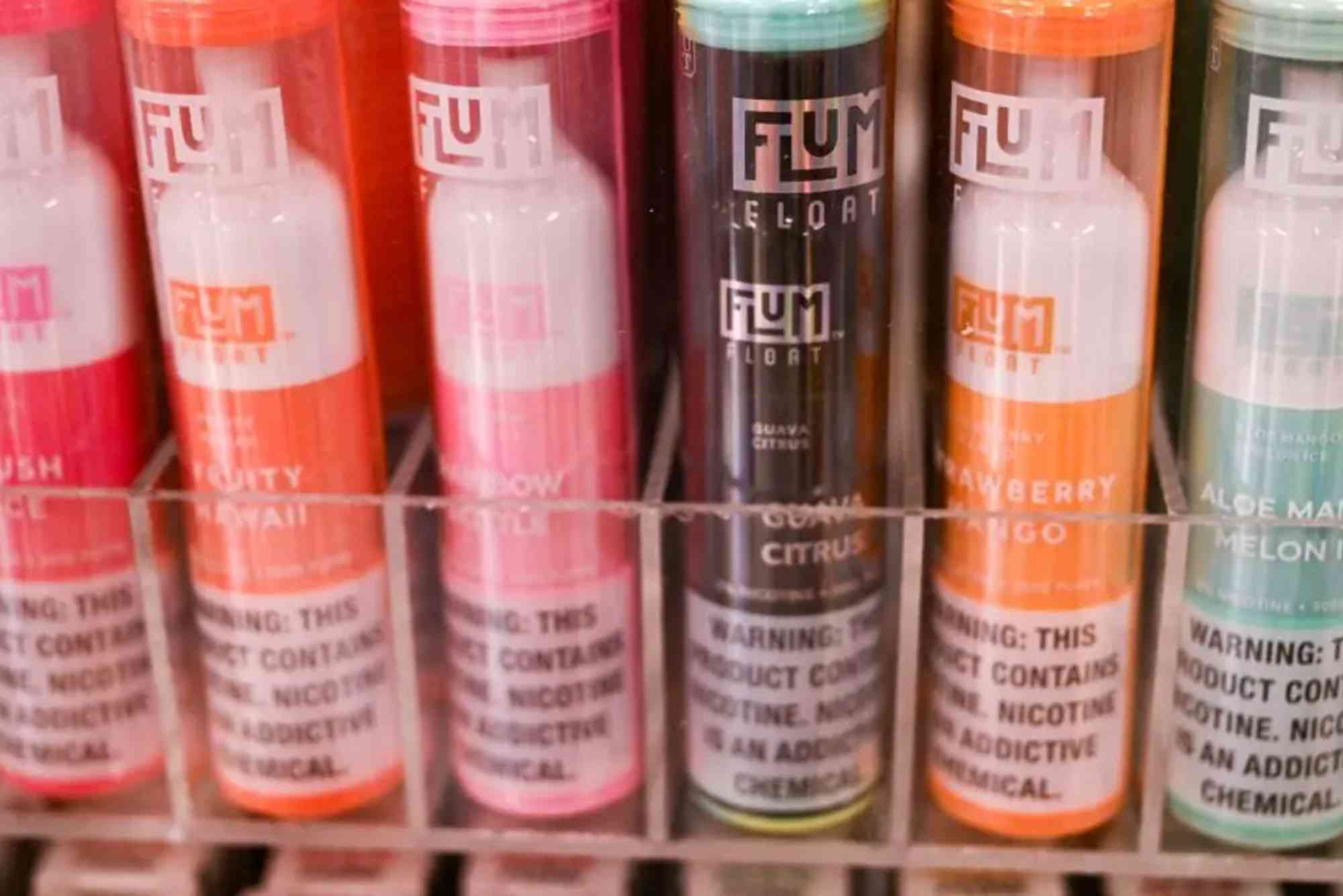
Vape juice, also called e-liquid or vape liquid, usually contains four primary ingredients:
- Propylene Glycol (PG)
- Vegetable Glycerin (VG)
- Nicotine (optional)
- Flavorings
PG and VG serve as the base, responsible for vapor production and throat hit. Nicotine is often included in varying concentrations, and flavorings add the desired taste.
Is Vape Juice on Skin Fine?
Immediate Reaction to Skin Contact
When vape juice touches the skin, most people won’t experience serious side effects. However, reactions depend on three main factors: skin sensitivity, nicotine content, and exposure duration.
Mild exposure may feel slightly oily or sticky. Rinsing the area with water usually resolves it. But if the e-liquid contains high nicotine levels, it could cause irritation, tingling, or a mild burning sensation.
That said, a few drops of vape juice on skin is generally fine, as long as you act quickly.
What Happens If You Don’t Wash It Off?
Prolonged exposure to nicotine-containing e-liquid might lead to:
- Redness or mild irritation
- A tingling sensation
- Rarely, mild nausea if nicotine absorbs through the skin
Although the skin absorbs nicotine less efficiently than the lungs, it can still enter your bloodstream if left unwashed, especially in large quantities.
Health Risks of Vape Juice on Skin
Is Nicotine Absorption a Concern?
Nicotine can be absorbed through the skin, but the amount matters. For example, touching a high-concentration nicotine base (used in DIY e-liquids) can pose a risk. However, commercial vape juices have much lower concentrations.
Still, it’s best to avoid any unnecessary skin contact, especially if you vape regularly. Cumulative minor exposures could add up over time.
Long-Term Effects: What Science Says
There’s limited research on long-term dermal exposure to vape juice. Most studies focus on inhalation. However, nicotine absorption through the skin is well-documented in occupational safety, particularly among tobacco workers.
While casual contact with small amounts is unlikely to harm you, frequent exposure without protection may irritate your skin or cause discomfort over time.
Best Practices for Safe Vaping
What To Do If You Spill Vape Juice on Your Skin
- Wash it off immediately with soap and water
- Avoid touching your face or eyes afterward
- Remove contaminated clothing to prevent further contact
- Monitor the area for irritation or rash
Safe Handling Tips
- Always fill your vape device on a flat surface
- Wear gloves if using high-nicotine liquids
- Store bottles tightly closed and out of children’s reach
- Clean spills with paper towels and dispose of them safely
Protective Gear for DIY Mixers
If you mix your own e-liquids, use gloves and safety goggles. Nicotine base in DIY mixing can exceed 100mg/ml—dangerous to touch directly.
Common Myths About Vape Juice and Skin Contact
“A Few Drops Can Poison You”
Unlikely. Lethal doses through skin require high concentrations and extended exposure. Commercial vape juice doesn’t contain enough nicotine for that.
“Vape Juice Burns Skin”
Not true in most cases. While concentrated nicotine can irritate, standard e-liquid rarely causes burns unless you have an allergic reaction.
“Vape Juice Absorbs Instantly”
Nicotine is absorbed slowly through intact Vape Juice On Skin Fine. Quick rinsing reduces any meaningful absorption.
Regulatory Perspective and Safety Standards
What Authorities Say
Agencies like the FDA and European TPD require child-proof caps and accurate nicotine labeling. These rules reduce risks from accidental exposure.
While vape juice isn’t classified as a skin irritant, regulators emphasize caution and safe handling, especially around children and pets.
How to Choose Safer Vape Products
Look for Reputable Brands
Buy from licensed retailers or certified brands. Counterfeit or poor-quality vape juice may contain unknown substances, which can increase skin and health risks.
Understand Nicotine Strengths
If you prefer high-nicotine options (like salts), be more cautious. A spill from a 50mg nicotine salt bottle isn’t the same as from a 3mg standard juice.
Is Vape Juice on Skin Fine?
In most cases, yes—vape juice on skin is fine if it’s a small amount and washed off promptly. The real risk lies in repeated exposure or high concentrations. Treat it like any household chemical: with care, not fear.
Whether you’re a casual user or a DIY enthusiast, knowing how to handle vape juice safely helps protect your health in the long run.
Curious about vape safety and product guides? Subscribe to our blog for expert vaping insights and practical tips delivered weekly.
FAQ: People Also Ask
Can vape juice absorb through the skin?
Yes, nicotine in vape juice can be absorbed through the skin, but it’s usually slow and minimal in small amounts. Washing it off right away prevents issues.
What happens if I spill vape juice on my hands?
If it’s a small amount, wash your hands with soap and water. Avoid touching your eyes or mouth until your hands are clean.
Is it safe to touch vape juice?
Touching vape juice occasionally is not harmful if you rinse it off quickly. Avoid frequent or prolonged contact, especially with high-nicotine juices.
Can vape juice cause skin burns?
Standard vape juice rarely causes burns. However, high-strength nicotine concentrates can irritate or burn the skin with extended contact.
Should I wear gloves when refilling my vape?
It’s not necessary for regular use, but gloves are recommended when handling large quantities or mixing DIY e-liquids with strong nicotine levels.