Understanding Vape Juice Ingredients: Vape Juice Basics for Beginners
Vaping has grown beyond a trend—it’s now a lifestyle for millions. But whether you’re new to vaping or curious about what’s inside your e-liquid, understanding vape juice basics is essential. The ingredients in vape juice play a critical role in flavor, throat hit, vapor production, and safety.
In this guide, we’ll break down each component of vape juice so you can vape with confidence. Whether you’re shopping for the first time or looking to fine-tune your setup, grasping the basics can elevate your experience.
What Is Vape Juice?
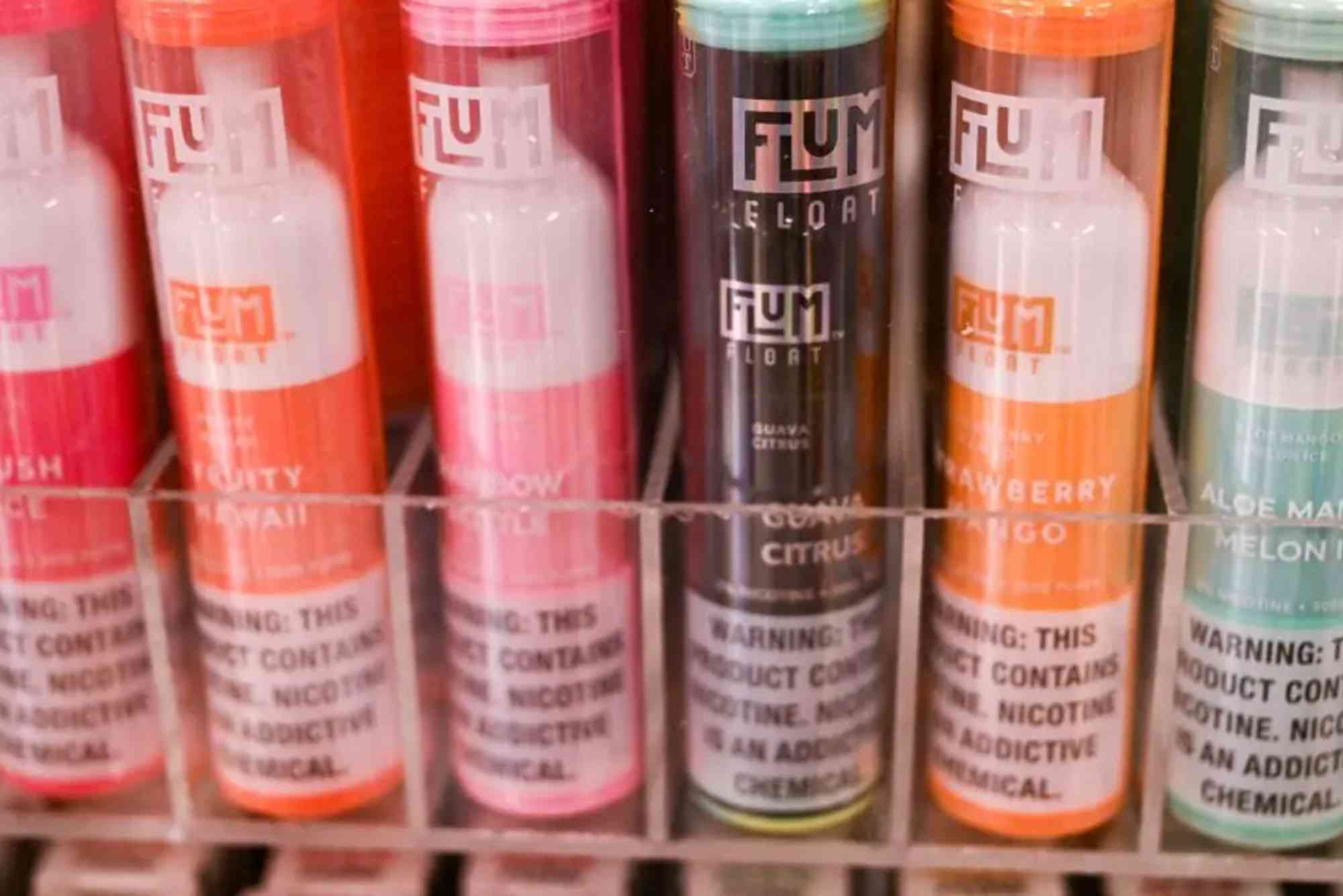
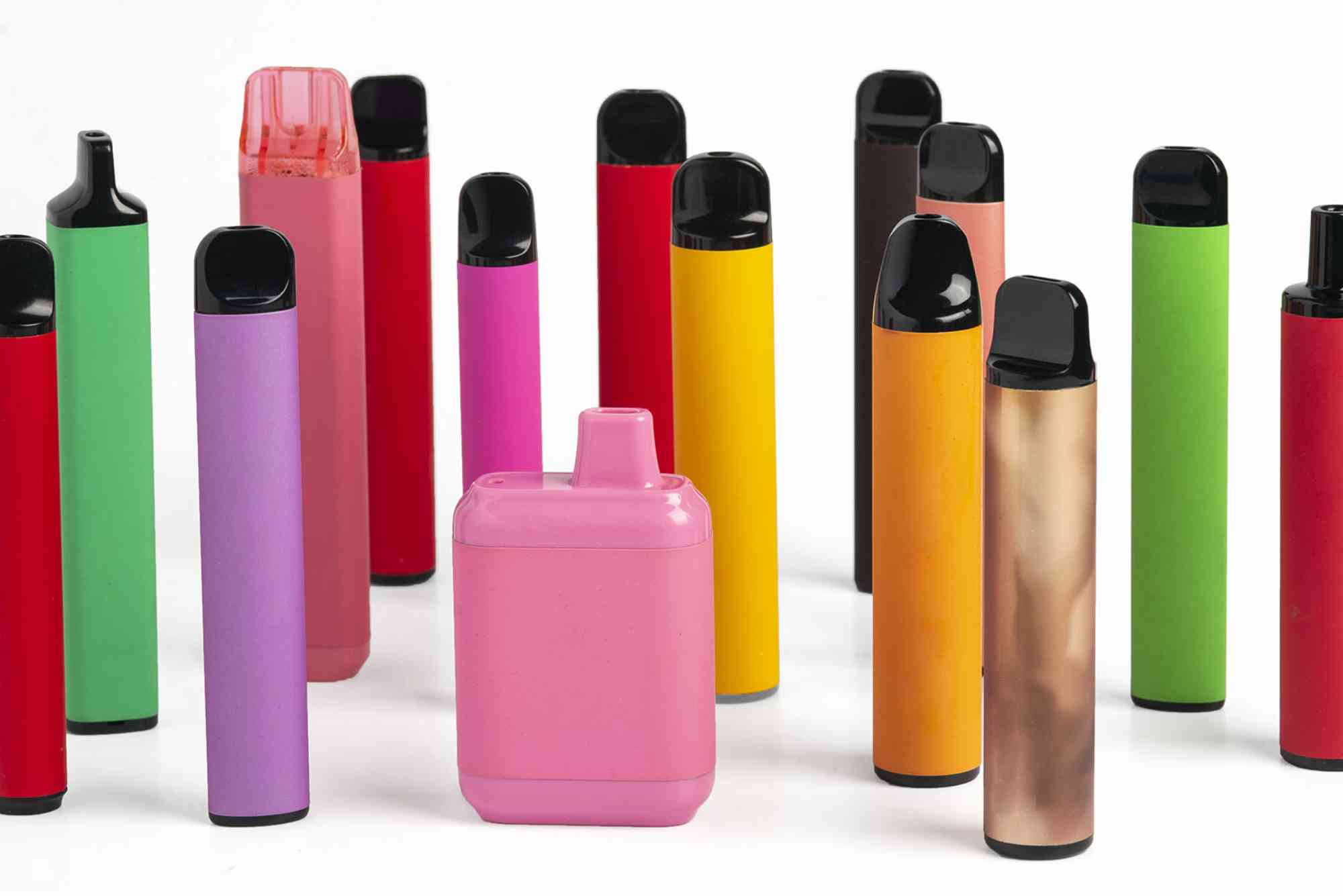
Also known as e-liquid or e-juice, vape juice is the fluid used in electronic cigarettes and vape devices. It’s heated by a coil to produce vapor, delivering flavor and nicotine without combustion.
But not all vape juice is the same. Its formulation depends on several base ingredients that influence how it feels, tastes, and performs.
The Core Ingredients of Vape Juice
At its heart, vape juice contains four key ingredients:
Propylene Glycol (PG)
Propylene glycol is a thin, colorless, odorless liquid. It’s used to carry flavors and deliver a stronger throat hit—similar to the sensation of traditional smoking. PG is commonly found in food, medicine, and cosmetics.
Vape juices with high PG content are ideal for mouth-to-lung (MTL) vaping. They’re also perfect for beginners looking for a sharper hit and intense flavor.
Vegetable Glycerin (VG)
Vegetable glycerin is thicker and produces more vapor. It offers a smoother inhale, making it excellent for cloud-chasers and direct-to-lung (DTL) vapers. VG is derived from plant oils and is also used in skincare and food products.
High VG vape juices are gentler on the throat and create denser, fluffier clouds—great for those prioritizing vapor production over throat sensation.
Nicotine
Nicotine is an optional ingredient. Vape juice comes in various nicotine strengths, from 0 mg (nicotine-free) to 50 mg (in nicotine salts).
There are two main types:
- Freebase nicotine: Stronger throat hit, slower absorption.
- Nicotine salts: Smoother throat hit, faster absorption, better for higher strengths.
Choosing the right type and strength is crucial for satisfaction and harm reduction, especially if you’re transitioning from smoking.
Flavorings
These are food-grade concentrates that give vape juice its taste—from fruits and desserts to menthol and tobacco blends. A single flavor might be made from a combination of 5–15 different flavoring compounds.
Reputable brands only use flavors safe for inhalation and avoid harmful additives like diacetyl, which has been linked to lung issues.
How the PG/VG Ratio Affects Your Vape
One of the most important vape juice basics is understanding the PG/VG ratio. It’s often labeled as 50/50, 70/30, or max VG.
- 50/50: Balanced vapor and flavor; good for beginners and MTL devices.
- 70/30 VG/PG: More vapor, smoother hits; better for sub-ohm tanks and DTL vapes.
- Max VG: Almost pure VG; ideal for cloud competitions and advanced setups.
Your device type and personal preferences will guide you toward the right blend.
Why Quality Matters in Vape Juice
Not all e-liquids are created equal. Cheap or unregulated products may contain harmful contaminants or imbalanced ingredients. When choosing a vape juice:
- Look for lab-tested options.
- Check for transparency about ingredients.
- Avoid homemade or unlabeled bottles.
Using high-quality juice ensures a cleaner vape, better taste, and reduced health risks.
Can Vape Juice Go Bad?
Yes, vape juice has a shelf life—typically 1 to 2 years. Ingredients can degrade over time, affecting taste, nicotine strength, and vapor quality.
Signs your e-liquid may have expired include:
- Color darkening significantly
- Harsh or bitter taste
- Separation of ingredients despite shaking
Store your juice in a cool, dark place and keep bottles tightly sealed to extend longevity.
Choosing the Right Vape Juice for You
Selecting a vape juice goes beyond flavor. Consider:
- Device compatibility: MTL pods work better with higher PG or nic salts. Sub-ohm mods favor high VG.
- Nicotine strength: Start higher if you’re quitting smoking; taper down as needed.
- Flavor profile: Try a few options—your taste preferences may surprise you.
Most brands offer small trial sizes or sampler packs, making it easier to find your favorite.
Is Vape Juice Safe?
When made correctly and used responsibly, vape juice is considered a safer alternative to smoking. However, it’s not risk-free. Inhalation of any substance besides clean air carries potential harm.
Stick with reputable brands and avoid DIY mixes unless you understand the chemistry behind it. Never use non-vape ingredients like essential oils or THC oils in regular e-liquid tanks—they’re not safe for inhalation and may cause serious health issues.
What’s Not in Vape Juice (And Shouldn’t Be)
Knowing what to avoid is just as vital when learning vape juice basics. Safe vape juice should not contain:
- Diacetyl (linked to popcorn lung)
- Acetoin or Acetyl Propionyl
- Oil-based substances
- Unknown additives
Reputable manufacturers test for these substances and disclose ingredients transparently.
How to Read Vape Juice Labels
Understanding labels can help you make better decisions. Here’s what to look for:
- PG/VG ratio
- Nicotine strength (mg/mL or %)
- Expiration date
- Batch number or lab test availability
- Manufacturer information
These details give insight into quality control and transparency, which matter when you’re inhaling a product daily.
FAQs
What are the main ingredients in vape juice?
The four main ingredients are propylene glycol (PG), vegetable glycerin (VG), nicotine (optional), and food-grade flavorings.
Is vape juice with nicotine more harmful?
Nicotine itself is addictive but not the primary cause of smoking-related illnesses. Vape juice eliminates combustion, reducing many risks, but it’s not harmless.
Can I mix different vape juices together?
Yes, but only if they are similar in composition (PG/VG ratio and nicotine type). Always test in small amounts first to avoid unpleasant combinations.
How long does a bottle of vape juice last?
It depends on how often you vape and the size of your device. A 30ml bottle can last a week for light users or just a few days for heavy vapers.
What happens if you vape expired juice?
Expired juice might taste bad, lose nicotine potency, or contain degraded ingredients, but it’s unlikely to cause serious harm unless contaminated.