Vape Terminology 101: Glossary for Beginners
Getting into vaping can feel like learning a new language. From coils and e-liquid to sub-ohm and MTL, the vocabulary is vast and often confusing. If you’re just starting out and you’ve found yourself lost in a cloud of unfamiliar terms, don’t worry — you’re not alone. This vape glossary is designed specifically for beginners who want to understand what all the vaping jargon means and make more informed choices. Whether you’re reading product descriptions, watching reviews, or speaking to fellow vapers, knowing the right terminology can help you avoid costly mistakes and improve your overall vaping experience.
Understanding vape terminology is not just about sounding knowledgeable — it’s essential for safety, satisfaction, and finding the best gear for your needs. In this article, we break down the most commonly used vaping terms, concepts, and abbreviations so you can vape with confidence. Keep this vape glossary bookmarked for future reference, and let’s begin.
Basic Components of a Vape Device
Every vape device has several essential parts, and knowing what each does is critical for maintenance and usage. Here’s what you need to know about the core components.
Atomizer
This is the part of your vape that heats the e-liquid and turns it into vapor. Atomizers contain coils and wicks and are sometimes referred to interchangeably with the term “coil.” There are different types of atomizers such as rebuildable atomizers (RBA), rebuildable dripping atomizers (RDA), and sub-ohm tanks.
Coil
A coil is a wire or mesh wound in a spiral shape that heats up when electricity passes through it. It’s responsible for vaporizing the e-liquid absorbed by the wick. Coils have a lifespan and need to be replaced every few days to weeks depending on usage.
Mod
The mod is the main body of a vape device that houses the battery. It can be either regulated (with safety features and wattage control) or unregulated (mechanical mods). Mods often determine how customizable your vape experience is.
Tank
A tank holds your e-liquid and includes the coil and chimney. Most modern tanks are transparent and allow users to see how much e-liquid is left. Tanks vary in size, airflow control, and coil compatibility.
Pod
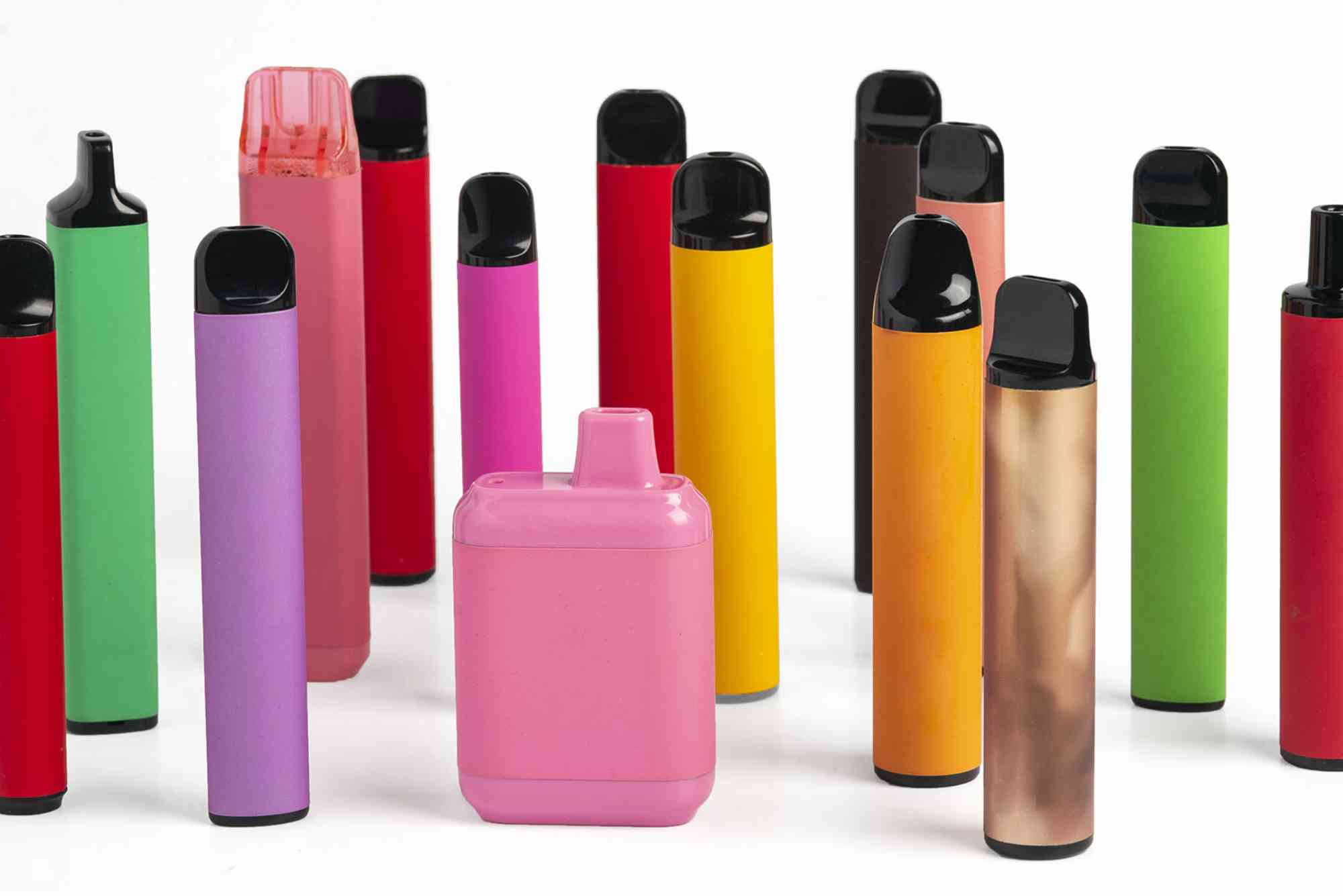
Pods are used in pod systems and are usually simpler than tanks. Some pods are refillable, while others are pre-filled and disposable. Pod systems are excellent for beginners due to their ease of use and portability.
Vaping Styles Explained
The way you inhale from your vape device significantly impacts your experience. These terms describe different inhalation methods and are often used to guide device and e-liquid selection.
MTL (Mouth-To-Lung)
This is a vaping style where you draw vapor into your mouth first, then inhale it into your lungs. It mimics the draw of a traditional cigarette and is preferred by ex-smokers. MTL devices usually use higher-resistance coils and higher nicotine levels.
DTL (Direct-To-Lung)
In DTL vaping, the vapor is inhaled directly into the lungs without pausing in the mouth. It produces larger clouds and is common among experienced vapers. DTL requires sub-ohm coils and lower nicotine concentrations.
RDL (Restricted Direct Lung)
This is a hybrid of MTL and DTL. It allows for more vapor than MTL but with a tighter draw than full DTL. Many modern pod devices are designed to offer RDL compatibility.
Key Vape Glossary Terms You Should Know
These vaping terms pop up frequently in product descriptions, tutorials, and vape discussions. Understanding them helps you make better decisions as a beginner.
E-Liquid
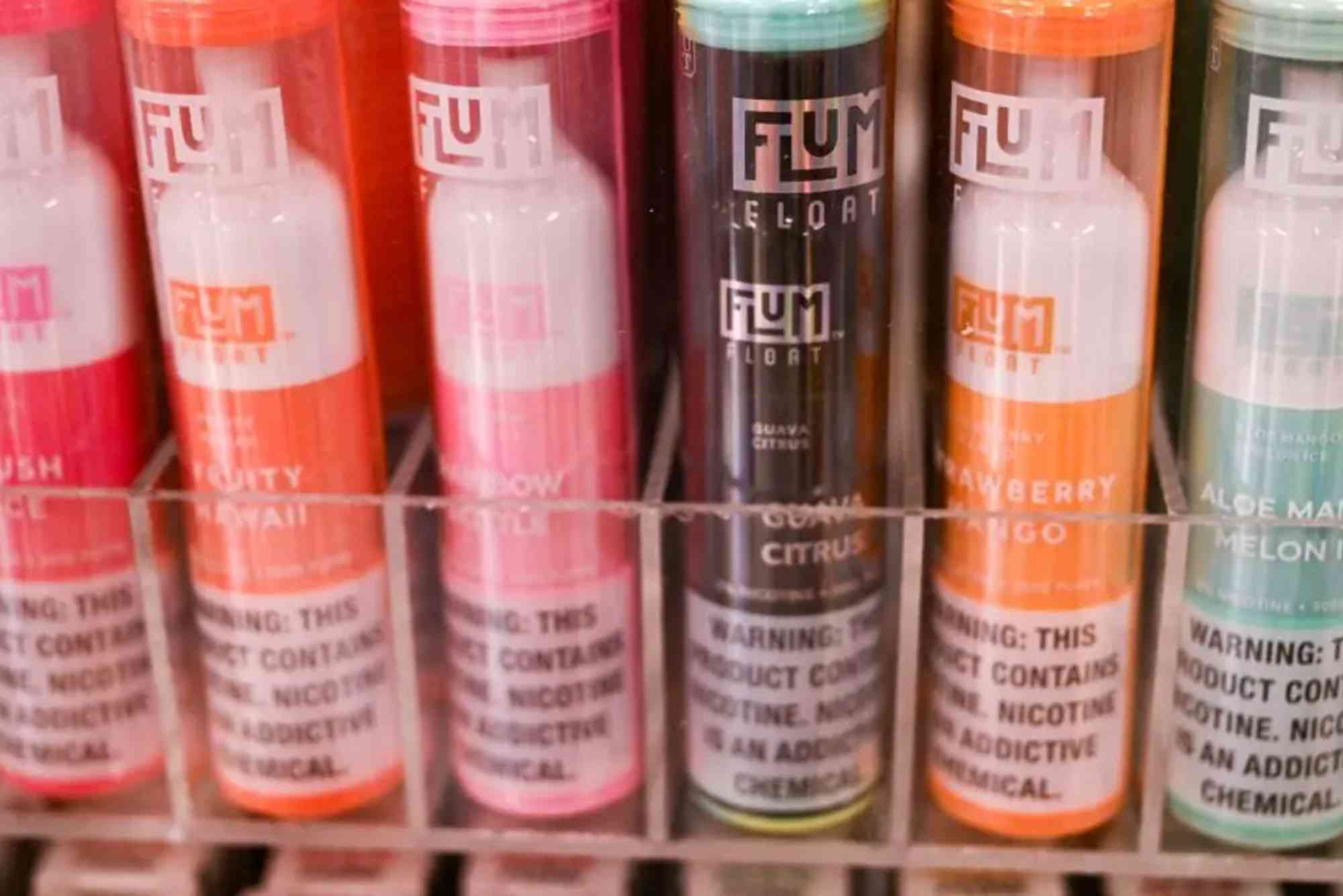
Also called vape juice, e-liquid is the fluid vaporized by the device. It usually contains a mixture of PG (propylene glycol), VG (vegetable glycerin), nicotine (optional), and flavoring. E-liquids come in different strengths and compositions.
PG/VG Ratio
This refers to the proportion of propylene glycol to vegetable glycerin in e-liquid. PG provides a stronger throat hit and better flavor, while VG is thicker and creates more vapor. A 50/50 blend is balanced, while 70/30 VG/PG is better for cloud chasing.
Ohm
An ohm (Ω) is the unit of electrical resistance. In vaping, it measures the resistance of the coil. Lower ohms (below 1.0Ω) produce more vapor and are known as sub-ohm vaping. Higher ohms are used in MTL devices for stronger throat hits and less vapor.
Sub-Ohm
Sub-ohm vaping refers to using a coil with a resistance below 1.0 ohm. These setups are used for DTL vaping and create dense vapor clouds. They also require more power and consume more e-liquid.
Wattage
Wattage refers to the amount of power sent to the coil. Adjusting wattage allows you to control vapor production and flavor intensity. Most regulated mods let you choose your wattage manually.
Throat Hit
This is the sensation you feel in your throat when inhaling vapor. Higher nicotine levels and PG-rich e-liquids increase the throat hit. Many users who are quitting smoking look for a satisfying throat hit to replicate the feel of cigarettes.
Nicotine Salts
Nicotine salts (nic salts) are a form of nicotine used in many pod systems. They deliver a smoother throat hit and faster absorption than freebase nicotine, making them ideal for higher-strength nicotine delivery without harshness.
Dry Hit
A dry hit happens when there’s no e-liquid left in the coil, causing the cotton to burn. It produces an unpleasant taste and can damage your coil. Always ensure your coil is saturated before vaping.
Steeping
Steeping is the process of aging e-liquid to enhance its flavor. Some vapers let new e-liquids sit in a cool, dark place for a few days or weeks before use to improve taste.
Airflow Control
Many tanks and pods allow you to adjust the airflow to customize your vape draw. More airflow creates cooler, airier clouds; less airflow creates warmer, denser vapor.
Battery Safety
In regulated mods, built-in protections help avoid overheating or short circuits. For mechanical mods or external batteries, always understand Ohm’s Law and never carry batteries loose in your pocket.
Vape Juice Flooding
This occurs when too much e-liquid saturates the coil and causes gurgling or leaking. It can be prevented by proper coil priming and not overfilling your tank.
Priming the Coil
Priming a coil means adding a few drops of e-liquid to the exposed cotton before installation. This prevents dry hits and extends coil life by ensuring the wick is fully saturated before first use.
Chain Vaping
Chain vaping means taking multiple puffs without enough time between hits. This can overheat the coil and cause burnt hits. Let your device rest between drags to cool down and wick properly.
Mod Wattage Limits
Each coil is rated for a specific wattage range. Exceeding that limit can burn the coil and produce harmful chemicals. Always follow the manufacturer’s recommended settings.
Vaping Acronyms That Confuse Beginners
Vaping is filled with acronyms. Understanding them makes reading product guides and online forums much easier.
- RDA: Rebuildable Dripping Atomizer
- RTA: Rebuildable Tank Atomizer
- RBA: Rebuildable Atomizer (general term)
- AIO: All-In-One (devices that combine mod and tank/pod)
- TPD: Tobacco Products Directive (European regulations on vape products)
- LED: Light-Emitting Diode (used in indicators on vape devices)
- BVC: Bottom Vertical Coil
- DIY: Do It Yourself (for building coils or mixing e-liquids)
Common Vaping Mistakes Related to Terminology
A lack of understanding of vape terms often leads to beginner mistakes. For example, buying a sub-ohm coil for an MTL device, or filling a tank with high-strength nicotine salts meant for low-wattage pods. Knowing the right term helps match your device, e-liquid, and style for a smoother experience. Misunderstanding the PG/VG ratio can also affect satisfaction—high VG might clog an MTL coil, and high PG might feel too harsh in a sub-ohm setup.
Understanding vape terminology is essential for every beginner who wants to enjoy a safe, satisfying, and tailored vaping experience. This vape glossary has covered the most important terms you’re likely to encounter, giving you the confidence to navigate vape shops, online stores, and communities with ease. From knowing your coil types to understanding PG/VG ratios and recognizing vaping styles, you’re now better equipped to make informed choices that suit your needs and preferences.
Ready to take the next step in your vaping journey? Browse our beginner-friendly guides or shop our curated list of starter kits designed with simplicity and performance in mind. If you’re still unsure, don’t hesitate to ask — every expert vaper was once a beginner too.
FAQs
What is the best PG/VG ratio for beginners?
A 50/50 PG/VG ratio is ideal for most beginners. It balances flavor, vapor, and throat hit without being too harsh or too airy.
Is MTL or DTL better for new vapers?
MTL is generally better for beginners, especially those switching from smoking. It mimics the cigarette experience and uses less e-liquid.
Can I use nicotine salts in a sub-ohm device?
No. Nicotine salts are designed for low-wattage pod systems. Using them in sub-ohm devices can result in nicotine overdose and harsh hits.
How long do vape coils last?
Coils usually last 1–2 weeks, depending on usage and the type of e-liquid. Burnt taste or reduced vapor are signs it’s time to change.
What does ‘steeping e-liquid’ mean?
Steeping means letting e-liquid sit to improve its flavor. It’s optional but can enhance the taste of complex blends.
What is a dry hit and how do I avoid it?
A dry hit occurs when the coil burns without enough e-liquid. Avoid it by priming coils and refilling your tank before it runs dry.