Introduction
The vape ban Philippines law has sparked widespread debate since its implementation. This legislation restricts the sale, use, and distribution of vaping products in the country. It aims to protect public health, especially among young people, by controlling the rapidly growing vape market. However, many vapers and advocates argue about the law’s effectiveness and its impact on vaping health. In this article, we will explore the vape ban Philippines law, its background, its implications for public health, and what it means for both vapers and non-vapers alike.
What Is the Vape Ban Philippines Law?
Overview of the Law
The vape ban Philippines law prohibits the manufacturing, importation, sale, and distribution of electronic nicotine delivery systems (ENDS), including e-cigarettes and vape products. It also restricts the use of these products in public places, similar to traditional tobacco regulations. This law is part of the government’s larger effort to curb nicotine addiction and prevent youth from starting to vape.
Why Was the Vape Ban Implemented?
The government introduced the vape ban Philippines law due to concerns about the health risks associated with vaping, especially among teenagers. Studies showed an increase in vaping-related illnesses globally, and the Philippines wanted to act proactively to protect its citizens. Additionally, the law addresses the lack of regulation and standardization in the vape industry, which has allowed unsafe products to flood the market.
Impact of the Vape Ban Philippines Law on Vaping Health
Positive Health Outcomes Expected
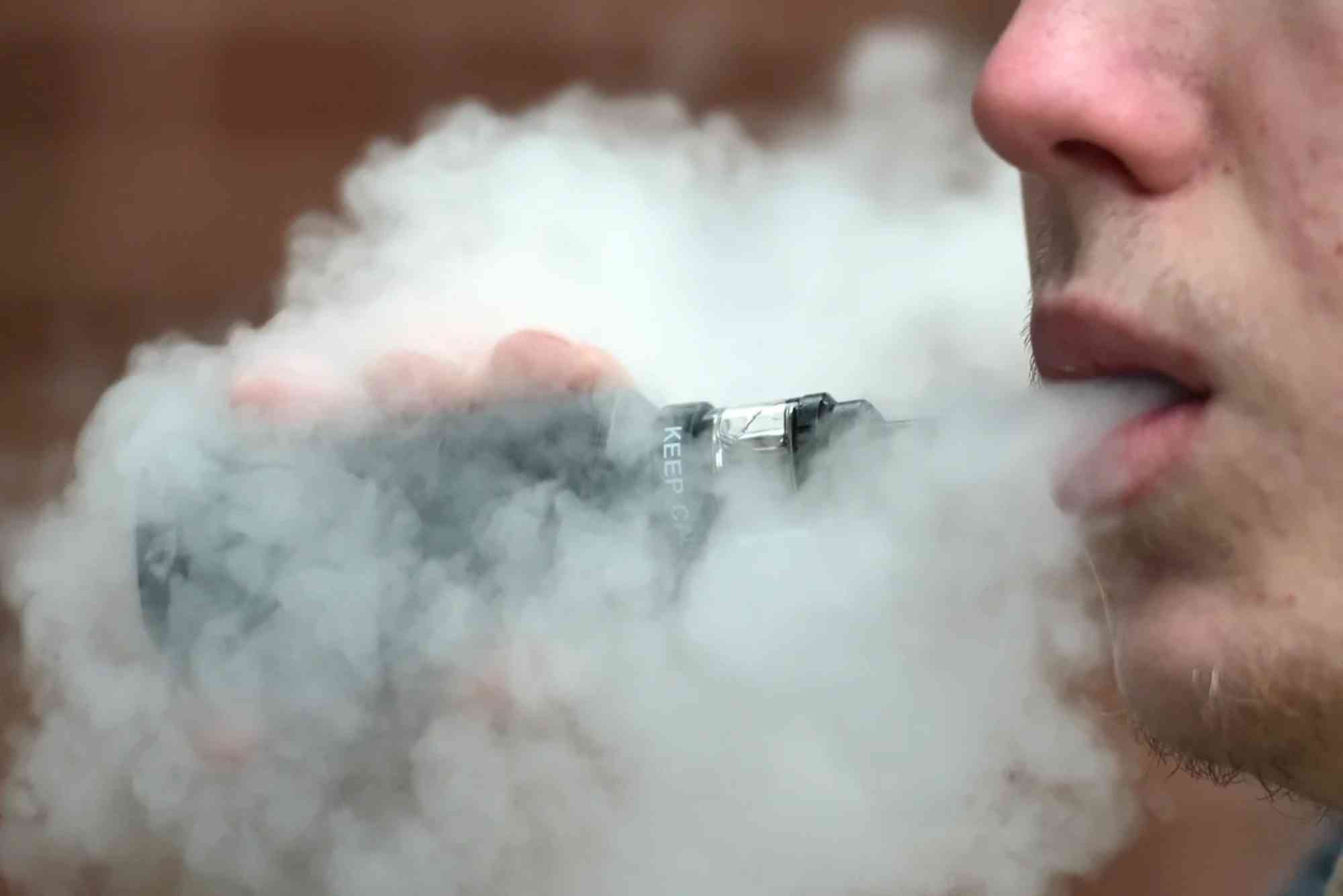
One of the primary goals of the vape ban Philippines law is to reduce exposure to harmful chemicals found in vape liquids. Although vaping is often promoted as a safer alternative to smoking, it is not risk-free. Nicotine and other chemicals can have adverse effects, particularly on young people’s developing brains and lungs. By banning vape products, the law aims to lower the incidence of respiratory illnesses and nicotine addiction.
Concerns About Smoking Relapse and Black Market
However, critics argue that the vape ban might lead some smokers to relapse or continue smoking traditional cigarettes, which are proven to be more harmful. Without access to vaping as a smoking cessation tool, some users may return to combustible tobacco. Moreover, the ban could unintentionally fuel an unregulated black market for vape products, increasing the risk of unsafe, counterfeit items.
Impact on Youth Vaping Trends
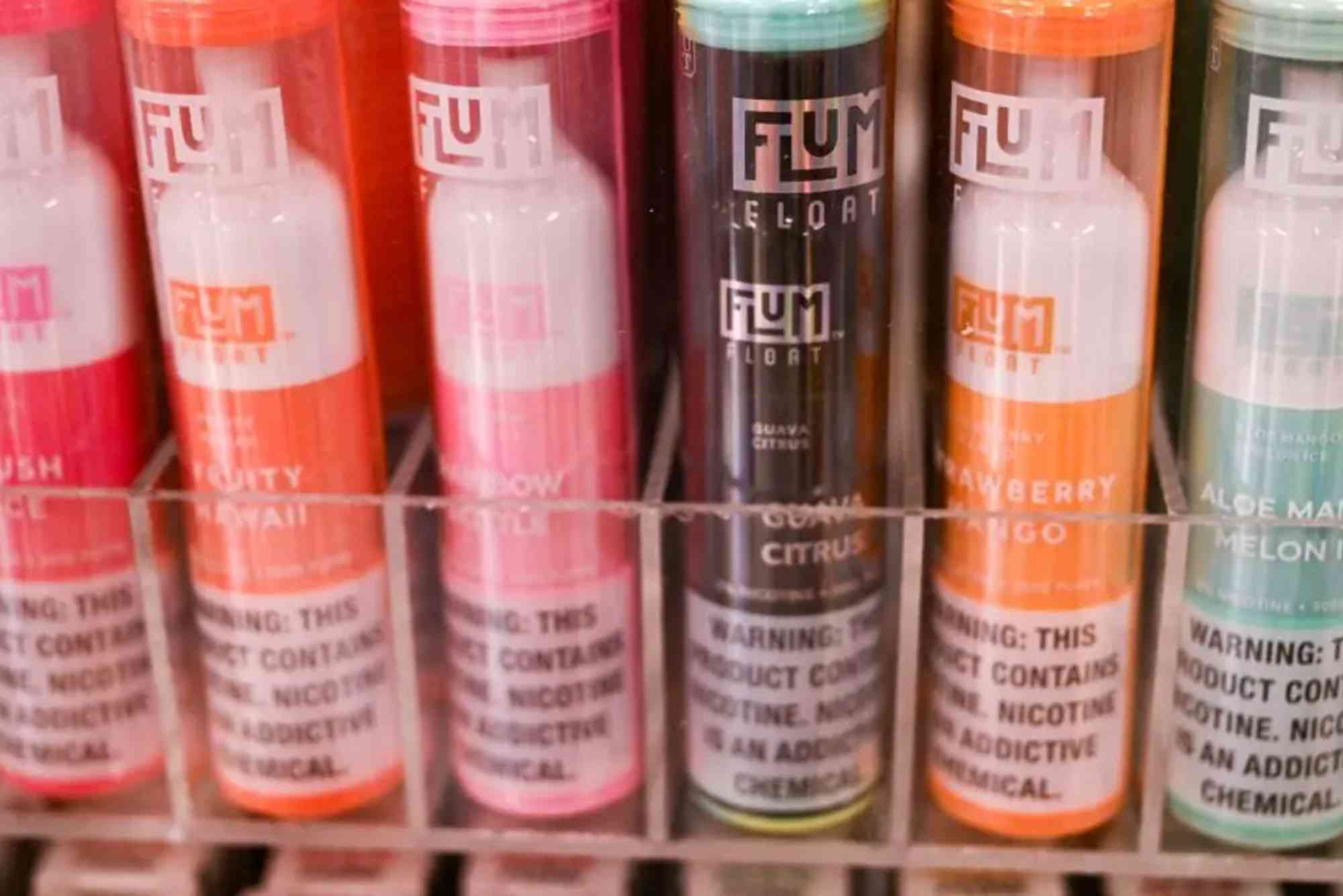
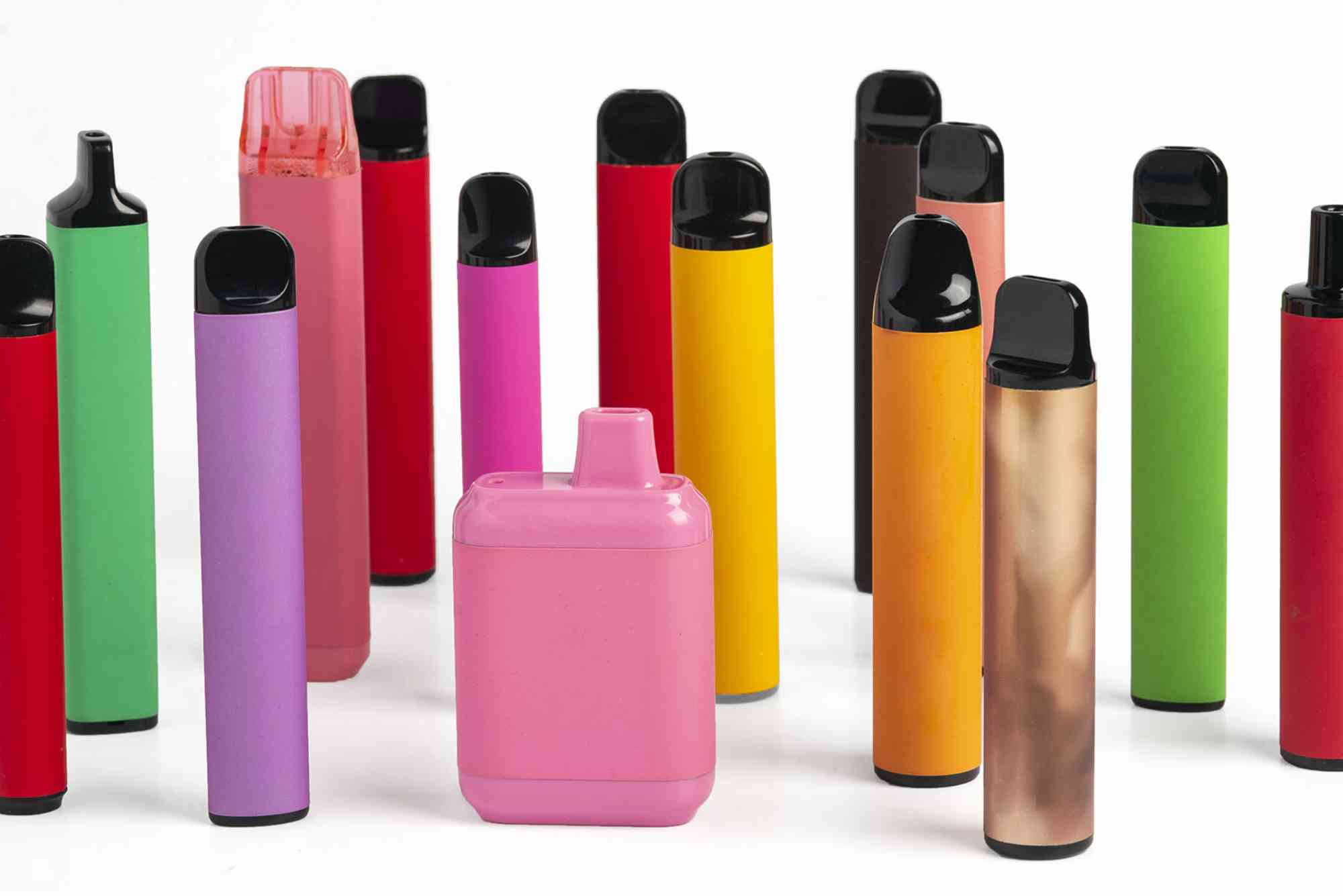
The vape ban Philippines law also aims to prevent youth from initiating vaping. Since e-cigarettes come in appealing flavors and sleek designs, many young people find them attractive. By restricting availability and advertising, the government hopes to decrease vaping initiation rates among teenagers, leading to long-term public health benefits.
Legal Framework and Enforcement
Regulatory Agencies Involved
The enforcement of the vape ban Philippines law is managed by several agencies, including the Department of Health (DOH), the Food and Drug Administration (FDA), and local government units. These bodies conduct inspections, confiscate illegal vape products, and impose penalties on violators.
Penalties for Non-Compliance
Violators of the vape ban Philippines law face fines, suspension of business permits, and even imprisonment in severe cases. This strict enforcement underscores the government’s commitment to curbing vaping and protecting public health.
How the Vape Ban Philippines Law Affects Consumers and Businesses
Impact on Vape Consumers
For vape users, this law means limited access to vape products. Many have to either quit vaping, switch back to smoking, or seek products through illegal channels. This situation creates uncertainty and frustration among vapers who used vaping as a tool to reduce or quit smoking.
Effect on Vape Shops and the Economy
The law has caused significant disruptions for vape retailers and manufacturers. Many small businesses have been forced to close, resulting in job losses and economic consequences. The government, however, prioritizes health concerns over these economic impacts.
The Global Context of Vape Regulations
Comparison with Other Countries
Several countries have implemented varying levels of restrictions on vaping. Some nations, like the United States and the United Kingdom, regulate vape products to ensure safety and quality but allow controlled sales. Others, like India and Thailand, have imposed outright bans similar to the Philippines. These differences highlight the ongoing global debate on balancing public health and personal freedom.
Lessons Learned from International Experience
Countries with regulated vaping markets have seen mixed results. While vaping has helped some smokers quit, it has also introduced health challenges and increased youth use. The Philippines can learn from these cases to refine its policies in the future.
Frequently Asked Questions About Vape Ban Philippines Law
What exactly does the vape ban Philippines law prohibit?
The law prohibits the manufacture, importation, sale, and distribution of all vaping products, including e-cigarettes and vape liquids. It also bans vaping in public places.
Can existing vapers continue using their devices?
Currently, the law restricts sales and distribution but personal use regulations may vary. However, the availability of vape products is limited, making continued use difficult.
Why did the government decide to impose a vape ban instead of regulating the industry?
The government cited concerns over health risks and youth vaping rates. They believed a ban was the most effective way to address these problems rapidly.
What are the health risks associated with vaping?
Vaping exposes users to nicotine and other harmful chemicals, which can affect lung health and cause addiction, particularly harmful to young people.
Is vaping safer than smoking traditional cigarettes?
While vaping is generally considered less harmful than smoking, it is not without risks. The long-term effects of vaping are still under study.
How is the vape ban Philippines law enforced?
Regulatory agencies conduct inspections, seize illegal products, and impose fines or penalties on violators.
The vape ban Philippines law represents a decisive step by the government to protect public health amid rising concerns about vaping. While it aims to reduce nicotine addiction and protect youth, the law also poses challenges for current vapers and the industry. Balancing health priorities with personal freedoms remains complex. Understanding this law’s implications helps citizens navigate the evolving landscape of vaping regulations.