Introduction
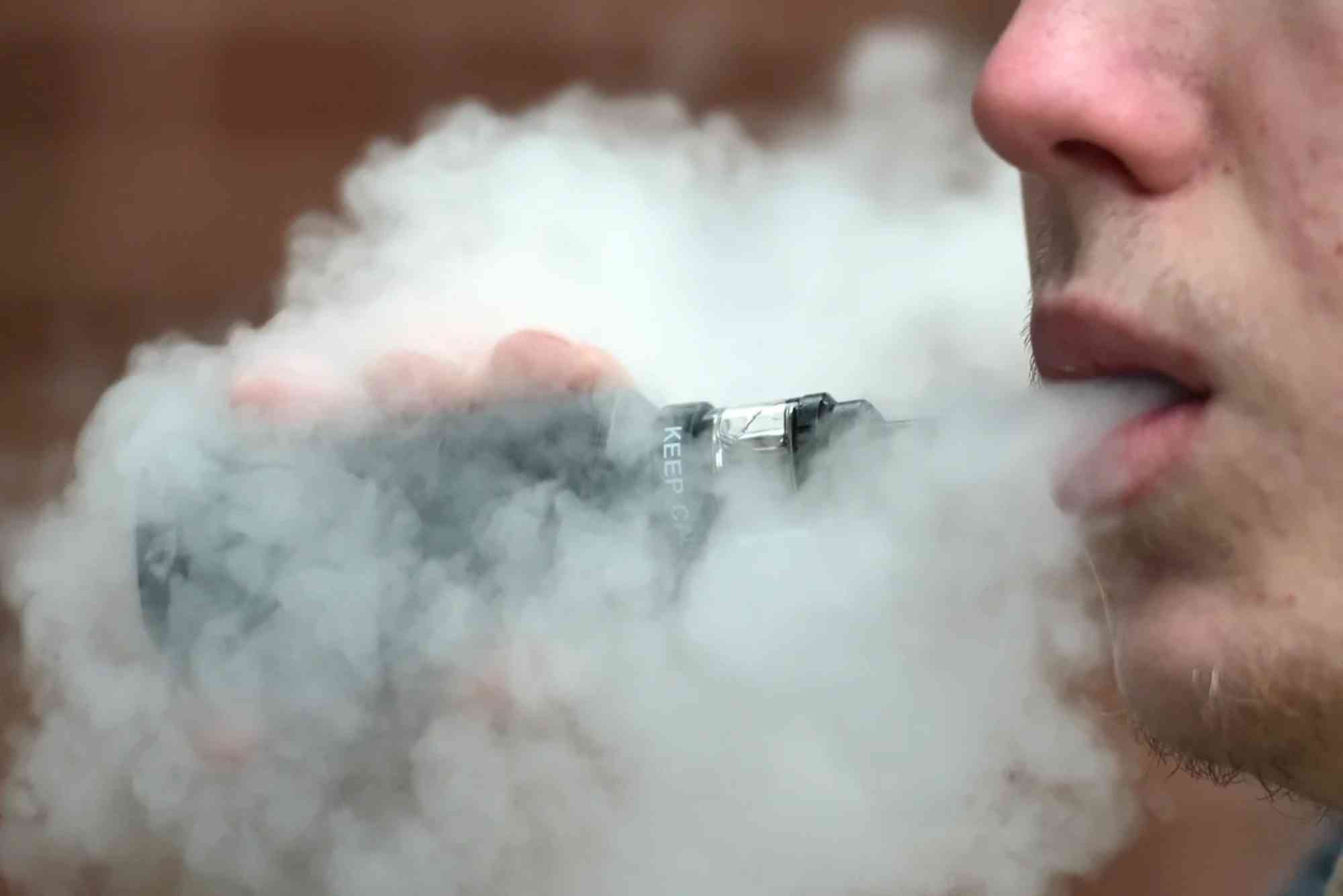
Vaping in Australia has become a highly debated subject, not only because of its health implications but also due to the strict regulations surrounding it. Anyone considering vaping should first understand vape Australia laws as well as the risks associated with vape batteries. Without this knowledge, users could face legal consequences, health hazards, or even safety risks from battery misuse. This article explores the legal framework, highlights the importance of battery safety, and shares practical tips to stay safe while vaping.
Understanding Vape Australia Laws
Australia enforces some of the strictest vaping laws in the world. Unlike in other countries, access to nicotine-containing e-liquids is heavily regulated. As of October 2021, a prescription from a licensed doctor is required to legally purchase or import nicotine vapes. This measure was introduced to reduce youth vaping and limit potential health risks.
Each state and territory has additional rules regarding where vapes can be sold, advertised, and used in public spaces. For instance, in New South Wales, vaping is banned in smoke-free areas such as restaurants, public transport, and workplaces. Queensland and Victoria have similar restrictions, treating e-cigarettes much like traditional tobacco products. Failure to comply can result in fines or confiscation.
For travelers, vape Australia laws are equally important. Bringing nicotine vapes into the country without a prescription can lead to seizure of products by customs. The importation scheme is closely monitored, and penalties can apply for breaches. Understanding these laws ensures compliance and prevents unnecessary legal trouble.
Why Vape Batteries Matter
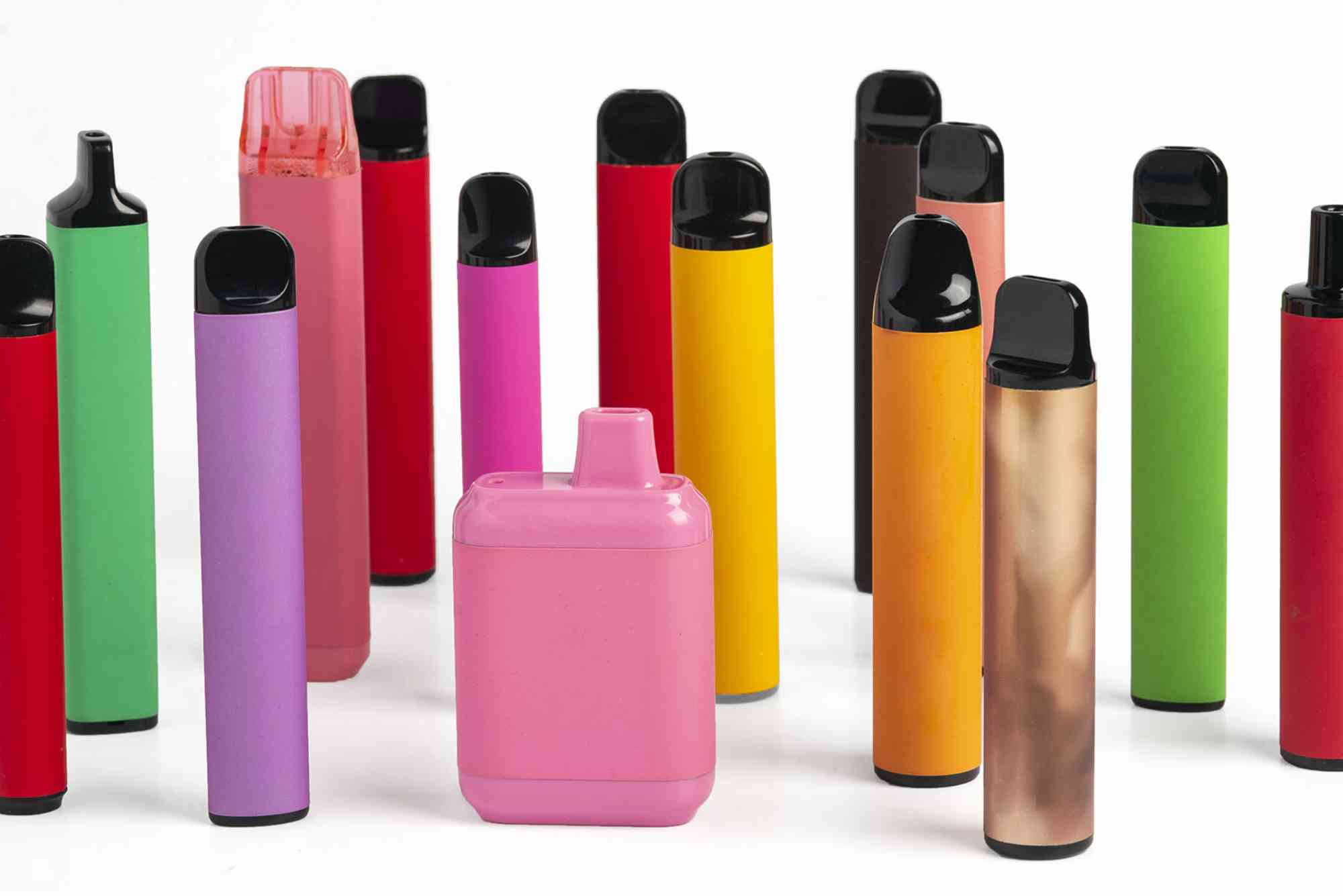
While regulations focus mainly on nicotine, another crucial aspect of vaping safety lies in batteries. Vape devices rely on lithium-ion batteries, which are powerful but potentially dangerous if misused. Reports of battery explosions, fires, or overheating often make headlines, causing concern among users. In most cases, these incidents result from improper handling, poor-quality batteries, or lack of awareness.
A vape battery functions as the core energy source. Unlike regular household batteries, they store significant power in a compact size. This makes them more prone to risks such as thermal runaway, short circuits, or damage if dropped. Therefore, understanding safe battery practices is just as important as following vape Australia laws.
Common Risks in Vape Batteries
One of the most significant risks is overheating. Lithium-ion batteries can generate excessive heat if overcharged, exposed to sunlight, or stored improperly. Overheating can damage the device or cause burns. Another risk is using the wrong charger. Many vapers underestimate how dangerous it can be to charge with a non-compatible cable or adapter. A mismatch in voltage or current may trigger short circuits.
Carrying spare batteries in a pocket alongside coins or keys is another common mistake. Metal objects can create a direct connection between terminals, leading to sparks, fire, or even explosions. Physical damage also poses risks. Dropping a battery or exposing it to water can weaken its internal structure, increasing the chance of malfunction.
Safe Practices for Vape Battery Use
To minimize risks, vapers should always use high-quality batteries from reputable brands. Generic or counterfeit products often lack safety features and may not meet standards. Proper charging habits are also crucial. Always use the charger provided by the manufacturer and avoid leaving devices unattended while charging. It is best to charge on a flat, non-flammable surface and unplug once fully charged.
Storage plays an equally important role. Batteries should be kept in protective cases when carried outside. Never store them loosely in pockets or bags. Temperature control matters as well. Keep batteries away from direct sunlight, heaters, or freezing conditions. Extreme temperatures can reduce lifespan or trigger hazards.
Another essential tip is battery inspection. Regularly check for dents, leaks, or discoloration. If any signs of damage appear, discontinue use immediately. Dispose of damaged batteries at approved recycling centers rather than throwing them in household waste.
How Vape Australia Laws Protect Users
While many see the strict regulations as restrictive, vape Australia laws are designed to minimize risks. By requiring prescriptions for nicotine products, authorities aim to prevent youth access and ensure medical oversight. Doctors can provide guidance on dosage, risks, and alternatives, making vaping a supervised process rather than an uncontrolled habit.
Advertising restrictions also play a role. Companies cannot glamorize vaping or mislead consumers about safety. This prevents aggressive marketing strategies that could otherwise increase youth appeal. By treating vaping similarly to smoking, public health officials aim to discourage recreational use while still allowing access for smokers seeking harm reduction.
Battery safety indirectly benefits from these laws too. By limiting access to approved products, Australia reduces the circulation of unsafe, unregulated devices. Consumers are encouraged to purchase from legitimate sources rather than unreliable online vendors. Although some argue that restrictions push users toward black-market products, the laws prioritize health and safety.
Health Considerations Alongside Legal Risks
Apart from legal compliance and battery safety, health concerns remain a key factor. While vaping may be less harmful than traditional smoking, it still carries risks, particularly with nicotine dependence. Misuse or long-term exposure may impact lung health, cardiovascular function, or cognitive development in adolescents.
Some vapers turn to nicotine-free liquids, believing them to be entirely safe. However, even non-nicotine e-liquids may contain harmful chemicals if sourced from unreliable manufacturers. This is why vape Australia laws emphasize prescription use and regulation, ensuring products meet standards for safety.
FAQs
Is vaping legal in Australia without nicotine?
Yes, nicotine-free vapes are legal to buy and use without a prescription. However, rules about where you can vape still apply.
Can I import nicotine vape juice into Australia?
Yes, but only with a valid doctor’s prescription. Without one, customs may seize your shipment.
Are vape batteries dangerous?
Not if used correctly. Most incidents occur due to misuse, poor-quality products, or failure to follow safety guidelines.
What happens if I vape in a banned area?
You may face fines, similar to smoking violations. States and territories enforce these laws strictly.
How should I carry spare vape batteries safely?
Always use a protective battery case. Never carry loose batteries in your pocket or bag with metal objects.
Vaping in Australia requires more responsibility than in many other countries. Vape Australia laws ensure that nicotine use remains controlled, while battery safety is a matter of personal awareness. To stay safe, vapers must not only follow regulations but also respect the power of lithium-ion batteries. Responsible use includes purchasing from trusted sources, using the correct chargers, storing batteries properly, and staying mindful of health impacts.