Introduction
Vaping has become a hot topic in recent years, with debates surrounding health, legality, and regulation. Utah is one of the states making headlines with its vapor ban, causing confusion among residents and vape users. This article explores the facts behind Utah’s vapor restrictions, separating myths from reality and providing guidance for those navigating this complex landscape.
Understanding the Utah Vapor Ban
Utah’s approach to vaping is primarily designed to protect public health, especially among youth. The state has implemented strict regulations on e-cigarettes and flavored vape products, aligning with a nationwide concern over vaping’s appeal to teenagers.
What the Ban Covers
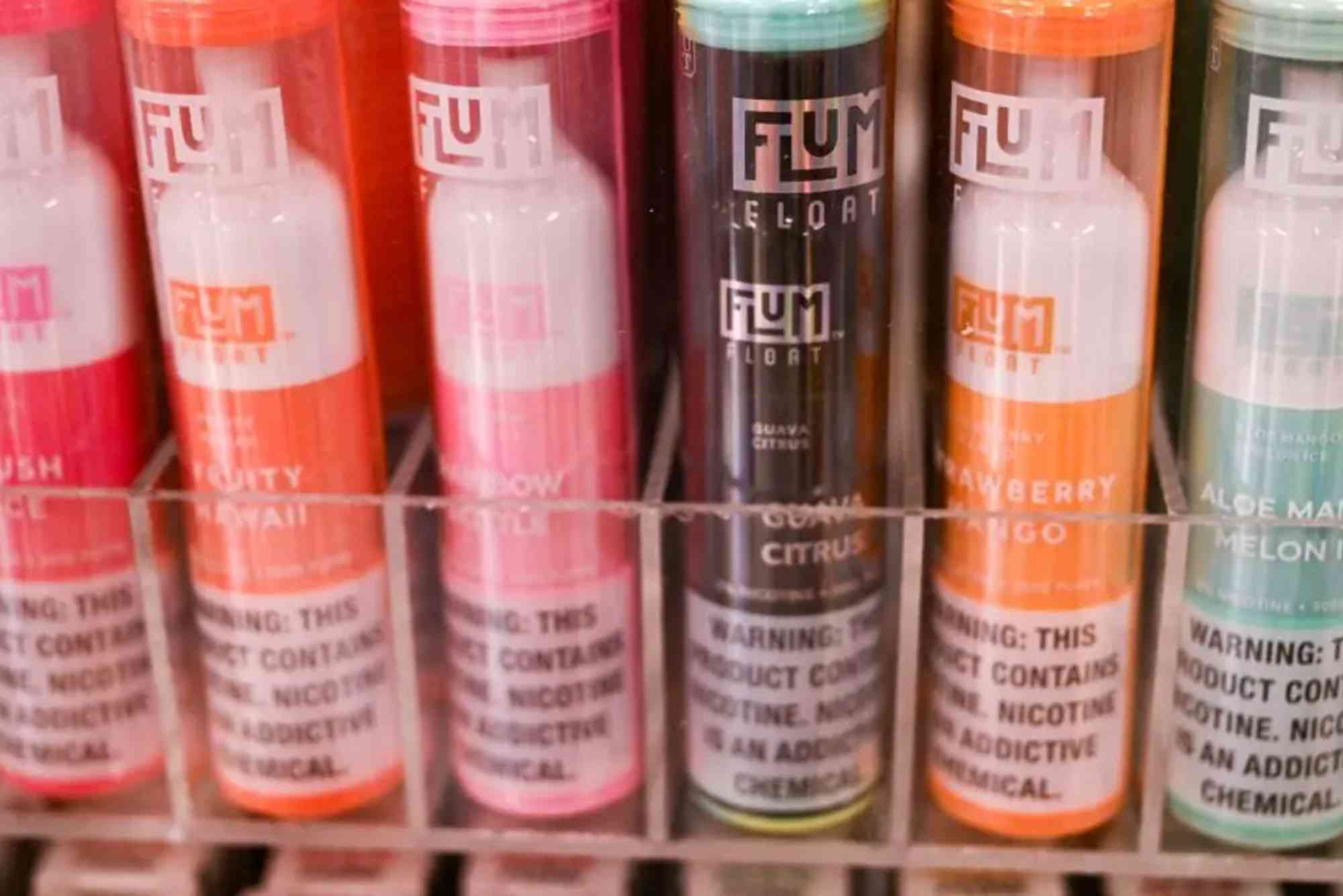
The Utah vapor ban focuses mainly on flavored vape products. This includes:
- Fruit, candy, and dessert flavors
- Certain menthol and mint varieties
- Some nicotine-containing e-liquids
It’s important to note that the ban does not target all vaping devices or nicotine products. Tobacco-flavored and unflavored vape products often remain available under strict regulations.
Purpose Behind the Ban
The Utah Department of Health — vape product and flavor policy highlights the main reasons for these restrictions:
- Reducing youth access to flavored e-cigarettes
- Preventing nicotine addiction in minors
- Minimizing potential health risks associated with vaping
The department emphasizes that these policies are not intended to punish adult vapers but to curb a growing public health concern.
Common Misconceptions About the Utah Vapor Ban
Many myths circulate about the Utah vapor ban. Addressing them clearly can help residents understand the law better.
All Vaping Is Illegal
Contrary to popular belief, vaping itself is not illegal in Utah. Adults over the age of 21 can legally purchase certain e-cigarette products. The ban specifically targets flavored products that are more appealing to youth.
Existing Vape Devices Must Be Destroyed
The ban does not require adults to dispose of their personal vaping devices. Individuals can continue using legally purchased products, provided they comply with flavor restrictions. Retailers, however, are restricted from selling banned flavors.
The Ban Applies to All Nicotine Levels
The law targets certain flavored products regardless of nicotine content. Both high and low nicotine e-liquids in banned flavors are included. Non-flavored or tobacco-flavored products often remain available.
Health Implications of Vaping
Understanding the health risks associated with vaping helps explain Utah’s regulatory stance.
Youth Vulnerability
Teenagers are particularly vulnerable to nicotine addiction, which can affect brain development. Flavored e-cigarettes have been shown to attract younger users, making flavor bans an effective preventive measure.
Adult Risks
While vaping is generally considered less harmful than smoking traditional cigarettes, it is not risk-free. Long-term studies are ongoing, but evidence suggests potential respiratory and cardiovascular effects. Utah’s policies aim to strike a balance between adult freedom and youth protection.
Harm Reduction Perspective
For adult smokers looking to quit, vaping can be a tool for harm reduction. Public health officials in Utah acknowledge this, which is why non-flavored and tobacco-flavored products remain accessible.
Enforcement and Compliance
Enforcing the Utah vapor ban involves both retailers and law enforcement agencies. Retailers face fines and potential license suspension for selling banned products. Consumers must be aware of restrictions to avoid legal trouble.
Retailer Responsibilities
Retailers must comply with the Utah Department of Health — vape product and flavor policy. This includes:
- Proper labeling and packaging of permitted products
- Age verification for all sales
- Removal of banned flavors from shelves
Consumer Awareness
Consumers should stay informed about which products are restricted and where legal exceptions exist. Understanding these rules can prevent accidental violations.
The Future of Vaping Regulations in Utah
Vaping regulations are likely to evolve as more research emerges. Utah may expand restrictions, introduce new labeling requirements, or adjust age limits. Keeping track of official updates ensures compliance and protects public health.
Potential Policy Changes
Possible changes include:
- Broader flavor bans beyond current categories
- Stricter age verification for online and in-store sales
- Additional public awareness campaigns
Staying Informed
The Utah Department of Health website is the best resource for current regulations and updates.
Utah’s vapor ban is a targeted effort to reduce youth vaping while allowing adult users to continue legally vaping certain products. Understanding what is banned, why it is regulated, and the health risks involved helps separate fact from fiction.
If you are a vape user in Utah, stay informed about legal restrictions, check the Utah Department of Health for updates, and make responsible choices. Protecting youth and understanding regulations ensures a safe vaping environment for all.
FAQs
Is vaping illegal in Utah?
No. Vaping itself is legal for adults over 21, but certain flavored products are banned.
What flavors are banned in Utah?
Flavored e-liquids such as fruit, candy, dessert, and some menthol or mint flavors are prohibited.
Can I use my current vape device?
Yes. Personal devices can be used legally if the e-liquid complies with the flavor restrictions.
Where can I find official information on Utah vaping laws?
Visit the Utah Department of Health — vape product and flavor policy for up-to-date guidelines.
Does the ban affect nicotine levels?
Yes. The ban targets certain flavors regardless of nicotine concentration.
Are there penalties for violating the ban?
Retailers can face fines or license suspension. Consumers should comply to avoid legal issues.
Understanding Utah’s vapor ban helps residents make informed decisions while promoting public health. Stay informed and stay compliant to navigate vaping regulations safely.