Introduction
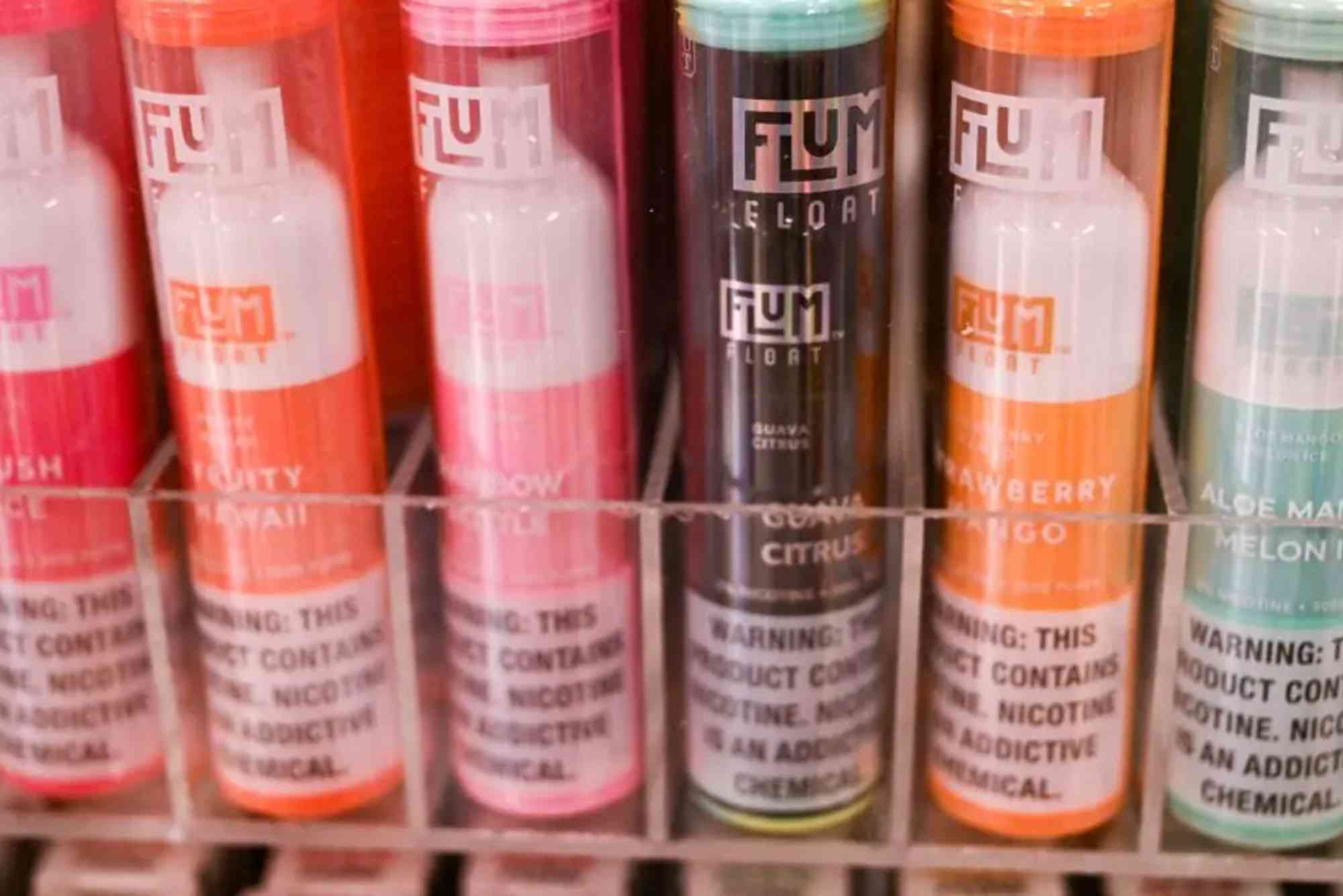
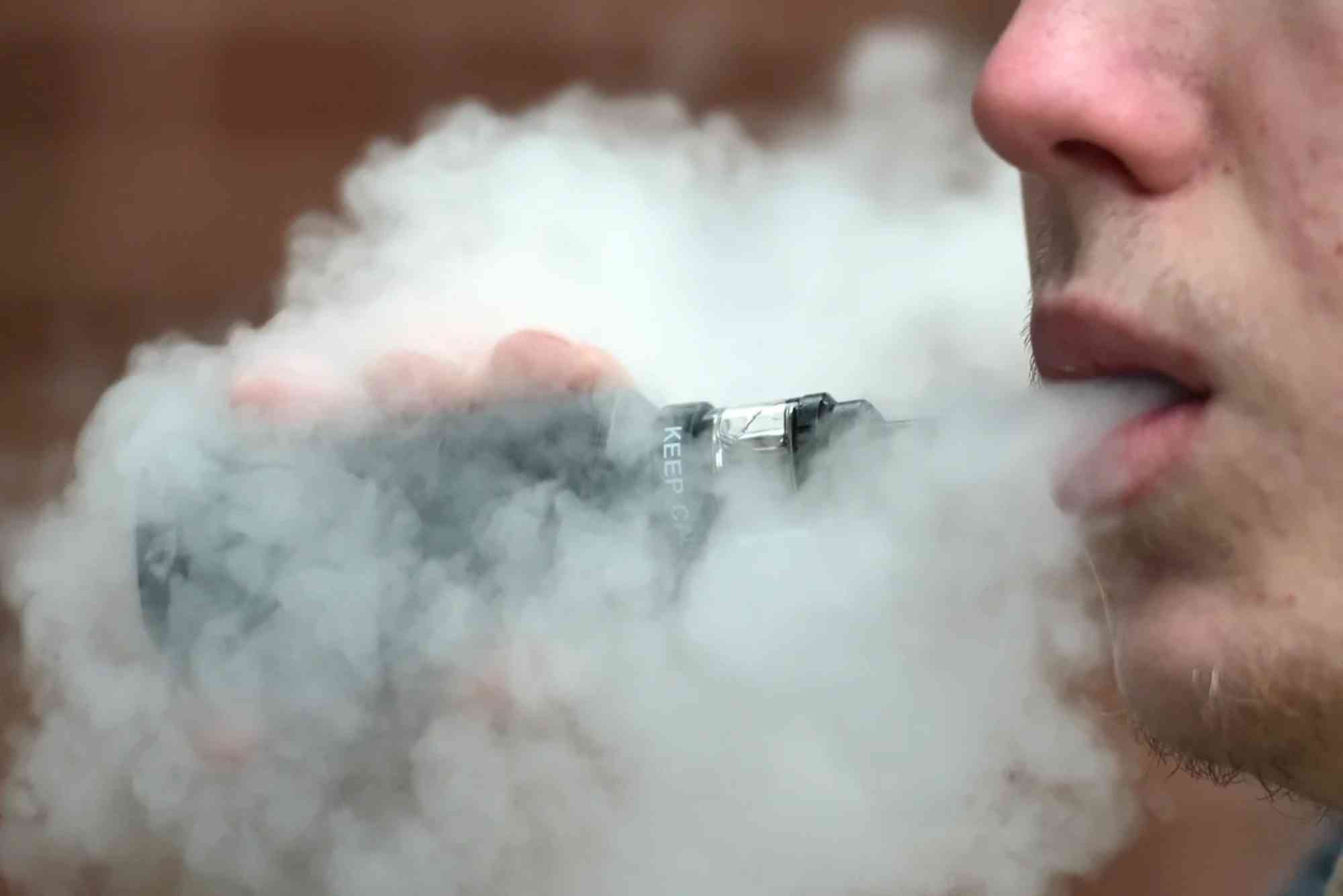
The Utah flavored vape ban has stirred conversations among vapers, public health advocates, and policymakers. In recent years, flavored vaping products have been under intense scrutiny across the United States, with Utah joining the growing list of states that have implemented restrictions. The primary aim is to reduce youth access to enticing vape flavors like fruit, candy, and dessert, which are believed to attract underage users. While the intention is to protect public health, especially for younger populations, the ban also brings economic, behavioral, and health-related consequences for adult users who rely on vaping as an alternative to smoking.
Why Utah Enforced a Flavored Vape Ban
Utah’s decision to ban flavored vaping products stems from growing concerns about youth vaping rates and nicotine addiction. Public health officials observed a sharp increase in e-cigarette use among teenagers, and surveys revealed that flavors were a major driver for initiation. By restricting flavored options, policymakers hope to curb this trend and prevent lifelong nicotine dependence. The move also aligns with broader national public health objectives that aim to regulate products perceived as appealing to minors.
Youth Vaping Statistics in Utah
According to state health department data, the percentage of high school students reporting e-cigarette use rose significantly over the last decade. Flavors such as mango, cotton candy, and mint were found to be more appealing to teens than traditional tobacco flavors. This direct link between flavor availability and youth vaping played a central role in legislative decisions.
Public Health Concerns Driving the Ban
Beyond addiction, there are concerns about lung injuries and the long-term effects of inhaling vaporized chemicals. Although vaping is generally considered less harmful than smoking combustible cigarettes, health experts emphasize that it is not risk-free. By limiting flavor options, Utah aims to make vaping less attractive to new, younger users while encouraging existing users to quit or switch to regulated, safer alternatives.
Impact of the Utah Flavored Vape Ban on Adult Vapers
While the primary target of the Utah flavored vape ban is underage users, adult vapers are significantly affected as well. Many adults use flavored vaping products as a way to quit or reduce smoking traditional cigarettes. For them, flavors play an important role in making the switch sustainable and enjoyable.
Effect on Smoking Cessation Efforts
Research suggests that non-tobacco flavors can increase the likelihood of smokers successfully transitioning away from combustible cigarettes. By removing these options, the ban may inadvertently push some former smokers back to cigarettes, which are far more harmful. This concern has been voiced by vaping advocacy groups, who argue that adult harm reduction should be prioritized alongside youth prevention.
Economic Consequences for Vape Shops
Local vape retailers are also feeling the impact. Many shops relied heavily on flavored e-liquids for their sales. With these products banned, businesses face declining revenues, job losses, and even closures. Some store owners have attempted to adapt by selling unflavored or tobacco-flavored options, but these products typically appeal to a smaller customer base.
Health Implications of the Ban
The Utah flavored vape ban influences health outcomes in both direct and indirect ways.
Reduction in Youth Nicotine Addiction
The most immediate expected benefit is a decline in youth vaping rates, which should lead to fewer young people becoming addicted to nicotine. Early evidence from other states with similar bans suggests that restricting flavors can reduce experimentation and regular use among teens.
Potential Increase in Cigarette Smoking Among Adults
On the other hand, adult smokers who relied on flavors to quit may struggle without them. This could result in some individuals returning to smoking traditional cigarettes, which carry higher health risks including lung cancer, heart disease, and respiratory illness.
Black Market Risks
Another health-related concern is the rise of an unregulated black market. When legal avenues for flavored vaping products are cut off, some consumers turn to illicit sources. These unregulated products can pose serious health risks, as seen in past outbreaks of lung injuries linked to contaminated vape cartridges.
Legal and Regulatory Landscape in Utah
The Utah flavored vape ban is part of a broader framework of tobacco and nicotine regulation in the state. Utah already has strict age-verification requirements, retail licensing rules, and penalties for selling to minors. The flavor ban strengthens these measures by limiting the types of products legally available for sale.
Federal Influence on Utah’s Ban
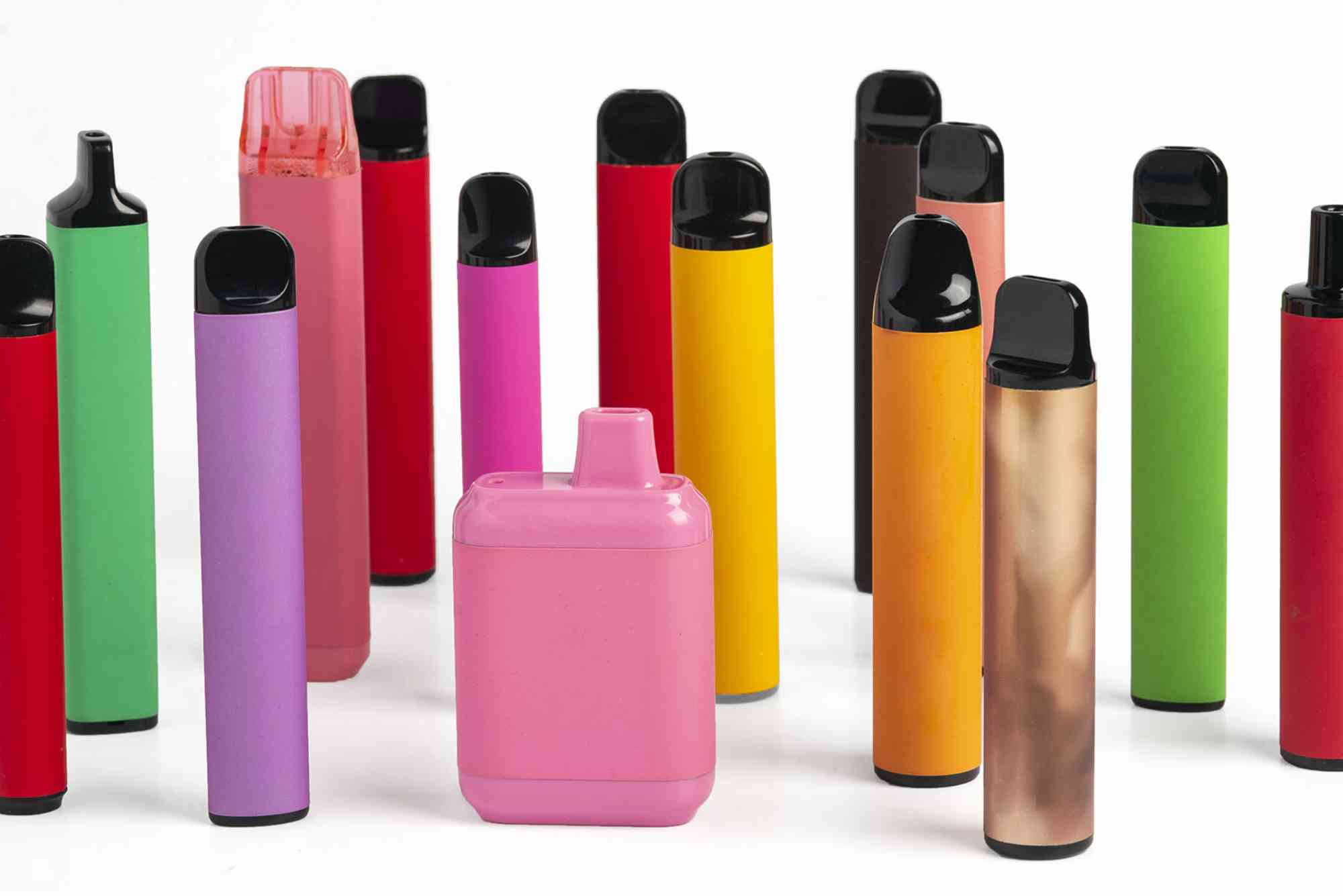
Utah’s policy is also influenced by federal regulations from the U.S. Food and Drug Administration (FDA). The FDA has moved to restrict flavored cartridge-based e-cigarettes nationwide, focusing on flavors that appeal to youth. Utah’s ban goes further by targeting all flavored vaping products, including those sold in disposable form or bottled as e-liquids.
Public Reaction to the Ban
Opinions on the Utah flavored vape ban are divided. Public health advocates largely support the move, citing the need to protect youth and prevent a new generation from becoming addicted to nicotine. Many parents and educators have also voiced approval, noting the challenges they face in keeping vaping devices out of schools.
On the other side, adult vapers, harm reduction advocates, and small business owners express frustration. They argue that the ban punishes responsible adults and jeopardizes the success of vaping as a safer alternative to smoking.
Alternatives for Vapers in Utah
For adult vapers in Utah seeking alternatives after the flavored vape ban, several options exist.
Tobacco-Flavored Vapes
While less appealing to some, tobacco-flavored e-liquids remain legal and can still provide a harm-reduction option compared to cigarettes.
Nicotine Replacement Therapies (NRT)
Products like nicotine gum, lozenges, and patches are widely available and can help manage cravings without inhaling vapor or smoke.
Smoking Cessation Programs
Utah offers state-funded quitline services and support programs to help individuals quit nicotine entirely. These services provide counseling, resources, and in some cases, free cessation products.
The Future of Vaping Regulation in Utah
It’s likely that vaping laws in Utah will continue to evolve. Lawmakers may revisit the ban to assess its effectiveness, potentially adjusting the rules based on public health data. Future discussions could also consider exemptions for certain products or stricter penalties for illegal sales to minors.
Advocacy groups on both sides will keep pushing their agendas, and the outcome will depend on ongoing research, public opinion, and political priorities.
FAQs
Is the Utah flavored vape ban permanent?
Currently, the ban is indefinite, but lawmakers could revisit the policy depending on its effectiveness and public feedback.
Can I still buy menthol-flavored vapes in Utah?
Menthol is considered a flavor under most definitions and is generally restricted alongside other flavored products.
Are there penalties for possessing flavored vapes in Utah?
The ban targets sales, not personal possession. However, selling or distributing banned products can lead to fines and penalties.
Why are flavors considered more dangerous than tobacco flavors?
They are not inherently more dangerous chemically, but they are more appealing to youth, leading to higher rates of initiation.
Will the ban reduce vaping-related illnesses?
It may reduce youth addiction rates, but its effect on overall vaping-related illnesses will depend on changes in usage patterns.
The Utah flavored vape ban is a decisive move aimed at protecting young people from nicotine addiction, but it comes with significant trade-offs for adult vapers and small businesses. While it may help reduce youth vaping rates, the ban risks driving some adults back to smoking or into black market purchases. As the state continues to monitor the outcomes, both public health officials and the vaping community will play key roles in shaping future policy. For anyone impacted, exploring cessation resources, legal alternatives, and staying informed about changes in the law is essential.