Introduction
Fashion trends constantly change as technology, lifestyle choices, and popular culture evolve. Between 2020 and 2025, vaping-related aesthetics became more visible in certain fashion conversations. This period reflected changing attitudes toward personal accessories, streetwear, digital culture, and modern design. The evolution of vaping fashion offers an interesting perspective on how everyday products can influence visual identity and consumer trends.
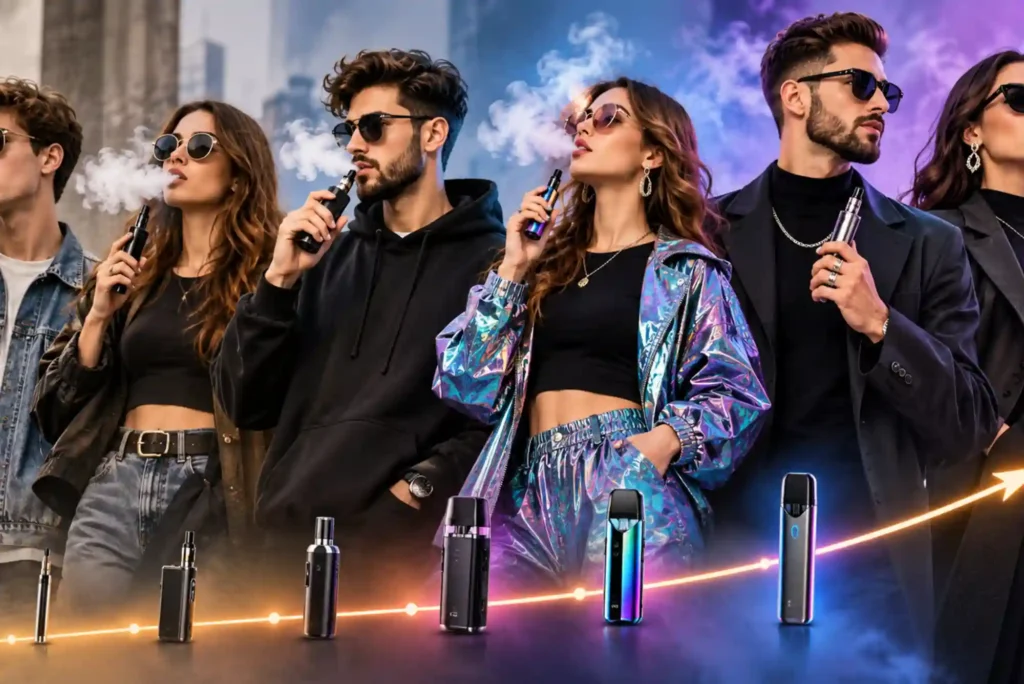
The evolution of vaping fashion was not simply about devices becoming more attractive. It also reflected broader changes in street style, online communities, and accessory design. From minimalist devices in 2020 to more sophisticated designs in 2025, visual preferences continued to develop. However, these trends existed alongside growing discussions about health risks, regulations, and responsible marketing, particularly concerning younger audiences.
Understanding the Evolution of Vaping Fashion
The evolution of vaping fashion connects product design with wider lifestyle aesthetics. Initially, vaping devices were primarily designed around functionality. Manufacturers focused on battery performance, portability, and ease of use. Over time, however, appearance became another important part of product development.
Designers experimented with different shapes, finishes, colours, and materials. These changes reflected broader consumer preferences for products that matched personal style. Similar developments could be seen in smartphones, headphones, watches, and other everyday technology.
Fashion conversations also began exploring how vaping-related accessories appeared within streetwear photography, social media content, and lifestyle publications. This did not mean vaping became universally accepted as a fashion statement. Instead, it demonstrated how consumer products can become part of wider visual trends.
2020: Minimalism and Practical Design
The year 2020 represented an important period for minimalist product aesthetics. Across fashion and technology, consumers increasingly appreciated simple designs and practical accessories. Vaping devices followed similar visual preferences.
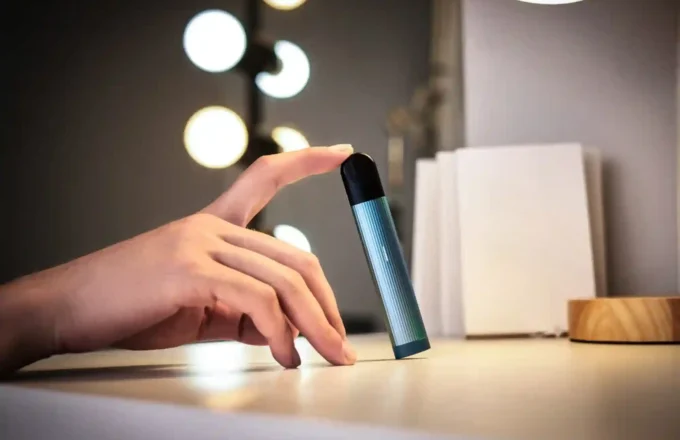
Compact shapes, neutral colours, and uncomplicated finishes became common design directions. Black, silver, white, and metallic shades appealed to consumers who preferred understated products. Rather than choosing accessories with excessive decoration, many brands focused on clean appearances.
The wider fashion industry also experienced significant changes during this period. Remote working, changing routines, and reduced social activities influenced everyday clothing preferences. Comfortable outfits and functional accessories received greater attention.
Consequently, minimalist design became an important reference point in discussions about vaping fashion. Devices were increasingly presented as compact consumer technology rather than purely mechanical equipment.
2021: Personalisation and Colourful Accessories
By 2021, personalisation had become an important theme across consumer technology and fashion. People increasingly wanted everyday products to reflect individual preferences.
This development influenced the visual presentation of vaping accessories. More colourful finishes, decorative cases, and distinctive designs appeared across different product categories. Some manufacturers explored brighter colours, while others continued developing premium-looking metallic finishes.
Social media also played an important role in shaping these preferences. Instagram, TikTok, and online lifestyle communities helped distribute product photography and design inspiration.
However, the relationship between vaping and fashion remained complicated. Attractive product presentation could make nicotine products appear more appealing, especially to younger audiences. Responsible marketing therefore became an increasingly important consideration.
2022: Streetwear Culture and Everyday Accessories
Streetwear continued influencing mainstream fashion in 2022. Oversized clothing, graphic designs, sneakers, layered outfits, and practical accessories remained prominent features of contemporary style.
The evolution of vaping fashion became connected to these broader conversations about accessories and personal presentation. Some lifestyle photography incorporated vaping devices into urban-inspired visual settings.
Nevertheless, the relationship should be understood as a cultural observation rather than evidence that vaping became a defining streetwear accessory. Streetwear developed through music, skateboarding, sports, independent designers, and youth communities. Vaping represented only one element appearing in some contemporary lifestyle imagery.
For readers interested in how streetwear matured beyond its earlier associations, exploring the evolution of street style and youth culture provides useful context. It highlights how streetwear increasingly incorporated sophisticated silhouettes, premium materials, and more versatile styling.
This broader fashion development helps explain why everyday technology and accessories became part of lifestyle photography. Personal style increasingly involved combining practical products with carefully selected clothing and accessories.
2023: Premium Finishes and Modern Product Aesthetics
In 2023, premium aesthetics became increasingly visible across consumer technology. People showed continued interest in products featuring refined materials, sophisticated finishes, and distinctive visual details.
The evolution of vaping fashion reflected similar design conversations. Some devices featured polished metallic surfaces, transparent components, and contemporary colour combinations. Others adopted understated designs inspired by minimalist electronics.
Material presentation also became important. Matte finishes, smooth edges, and compact proportions helped products appear more refined. These design choices reflected wider preferences for modern accessories that combined appearance with practical construction.
At the same time, fashion brands continued experimenting with sustainability. Reusable materials, durable construction, and responsible production received greater attention across the wider accessories industry.
Disposable vaping products raised separate environmental concerns because electronic waste, batteries, and plastic components require appropriate disposal. Therefore, discussions about fashionable product design increasingly needed to consider environmental responsibility.
2024: Digital Influence and Fashion Conversations
By 2024, digital platforms had become central to discovering and discussing fashion trends. Short videos, influencer content, online communities, and digital publications influenced how people encountered new styles.
The evolution of vaping fashion also appeared within these wider digital conversations. Product photography increasingly emphasised colour coordination, clean backgrounds, and lifestyle presentation.
However, digital visibility did not necessarily indicate widespread adoption or social acceptance. Algorithms can amplify particular images without accurately representing broader consumer behaviour.
Fashion discussions also became more attentive to authenticity. Audiences increasingly questioned promotional content, influencer partnerships, and the difference between genuine design commentary and advertising.
This distinction matters particularly for nicotine-related products. Marketing regulations differ between countries, and promotional content must comply with applicable advertising and age restrictions.
2025: Mature Aesthetics and Responsible Fashion Discussions
By 2025, fashion conversations increasingly reflected maturity, individuality, and versatility. Contemporary style placed considerable emphasis on combining personal expression with practical clothing choices.
The evolution of vaping fashion reached another stage within this broader discussion. Product aesthetics continued reflecting trends found across modern consumer technology. Minimalist shapes, understated finishes, and compact designs remained familiar visual references.
Meanwhile, fashion publications increasingly explored how accessories influence personal identity. Technology, jewellery, bags, watches, and other everyday objects became part of conversations about modern styling.
However, fashionable presentation should not be confused with product safety. Nicotine is addictive, and vaping is not risk-free. Attractive designs do not change these facts.
Responsible fashion coverage should therefore distinguish between analysing product aesthetics and promoting nicotine consumption. This approach allows writers to discuss cultural developments without presenting vaping as a necessary part of modern identity.
How Social Media Influenced Vaping Fashion Between 2020 and 2025
Social media played a significant role in shaping contemporary visual culture. Platforms allowed designers, photographers, publishers, and consumers to share product imagery instantly.
During this period, Instagram remained important for polished fashion photography. TikTok encouraged short-form visual trends, while Pinterest helped users discover colour palettes and styling inspiration.
These platforms influenced how vaping-related products appeared in lifestyle discussions. Carefully composed photographs, matching accessories, and coordinated outfits contributed to particular visual identities.
Nevertheless, online popularity should not be confused with real-world demand. Sponsored posts, algorithmic recommendations, and selective photography can create misleading impressions about consumer preferences.
For this reason, understanding the evolution of vaping fashion requires looking beyond viral content. Broader fashion movements, product design developments, and regulatory changes provide a more balanced historical perspective.
The Relationship Between Vaping Accessories and Modern Street Style
Modern street style frequently combines practical accessories with distinctive clothing. Smartphones, headphones, watches, bags, and sneakers all contribute to personal presentation.
Vaping-related accessories occasionally appeared within similar lifestyle imagery. Cases, storage products, and device finishes became part of conversations about industrial design and personal accessories.
However, vaping does not define streetwear. The movement has much deeper connections with music, skateboarding, sports, independent fashion labels, and creative communities.
Understanding this distinction provides a more accurate picture of contemporary fashion. It also prevents lifestyle reporting from exaggerating the cultural importance of a particular consumer product.
Sustainability and the Future of Vaping Fashion
Sustainability became an increasingly important fashion consideration between 2020 and 2025. Consumers and designers paid greater attention to manufacturing materials, product longevity, packaging, and waste management.
This conversation created challenges for vaping-related products. Electronic devices contain batteries and components that require appropriate disposal. Disposable products can also contribute to unnecessary waste when handled improperly.
Future design discussions should therefore consider environmental impact alongside appearance and functionality. Durable construction, responsible manufacturing, and suitable recycling systems deserve greater attention.
More broadly, fashion innovation should not depend on encouraging unnecessary consumption. Thoughtful design can create visual appeal while considering environmental and social responsibilities.
What the Evolution of Vaping Fashion Tells Us
The evolution of vaping fashion between 2020 and 2025 reflects wider changes in consumer technology, streetwear, digital culture, and personal accessories. Minimalist designs, colourful finishes, premium aesthetics, and social media presentation all contributed to the visual conversation.
However, vaping remained a controversial subject because of nicotine addiction, health concerns, environmental issues, and advertising restrictions. Its appearance in fashion discussions should not be mistaken for a health recommendation or universal cultural movement.
Understanding these developments offers a useful perspective on how modern fashion interacts with technology and consumer products. Explore more fashion and lifestyle discussions to discover how street style, accessories, and contemporary design continue changing.
Retro fashion is making a comeback in 2025, blending vintage-inspired clothing with modern streetwear influences. From nostalgic graphics to bold accessories, vape-inspired vintage apparel reflects a growing intersection of lifestyle aesthetics and fashion culture. Explore how retro designs, classic silhouettes, and contemporary influences are shaping this distinctive fashion trend.
Frequently Asked Questions
How has fashion changed between 2020 and 2025?
Fashion increasingly embraced comfortable clothing, versatile streetwear, minimalist accessories, and individual expression. Digital platforms also accelerated the discovery and sharing of emerging trends.
What role did social media play in changing fashion trends?
Social media helped distribute fashion photography, styling inspiration, and product design ideas. Instagram, TikTok, and Pinterest influenced how audiences discovered contemporary aesthetics.
Why did minimalist designs become popular?
Minimalist designs offered clean appearances, practical proportions, and versatility. These qualities matched wider preferences across fashion and consumer technology.
Is streetwear still popular in 2025?
Yes. Streetwear remained an influential part of contemporary fashion. Its development increasingly included premium materials, sophisticated silhouettes, and versatile everyday clothing.
How did technology influence fashion between 2020 and 2025?
Technology influenced fashion through wearable devices, digital shopping, online communities, and innovative product materials. Consumer electronics also became increasingly connected with personal style.
Explore the evolving world of vaping with VaporWhirl, a platform dedicated to vape technology, product insights, industry trends, and vaping culture. Whether you’re interested in discovering the latest innovations, learning about device features, or keeping up with industry developments, VaporWhirl offers informative content to help readers stay updated and make more informed decisions.