Understanding Thailand Vape Law and Its Impact on Vaping Health
Thailand has strict rules regarding vaping that every traveler and resident should understand. The Thailand vape law prohibits the import, sale, and possession of e-cigarettes, including vape devices and e-liquids. This law surprises many visitors because vaping is legal in some countries but strictly banned here. The rules are enforced with significant penalties, including fines and possible jail time. While some people think it is only a minor restriction, the consequences of ignoring it can be serious. Beyond the legal risks, there is also a growing discussion about the health effects of vaping and why Thailand continues to enforce this ban.
Overview of the Thailand Vape Law
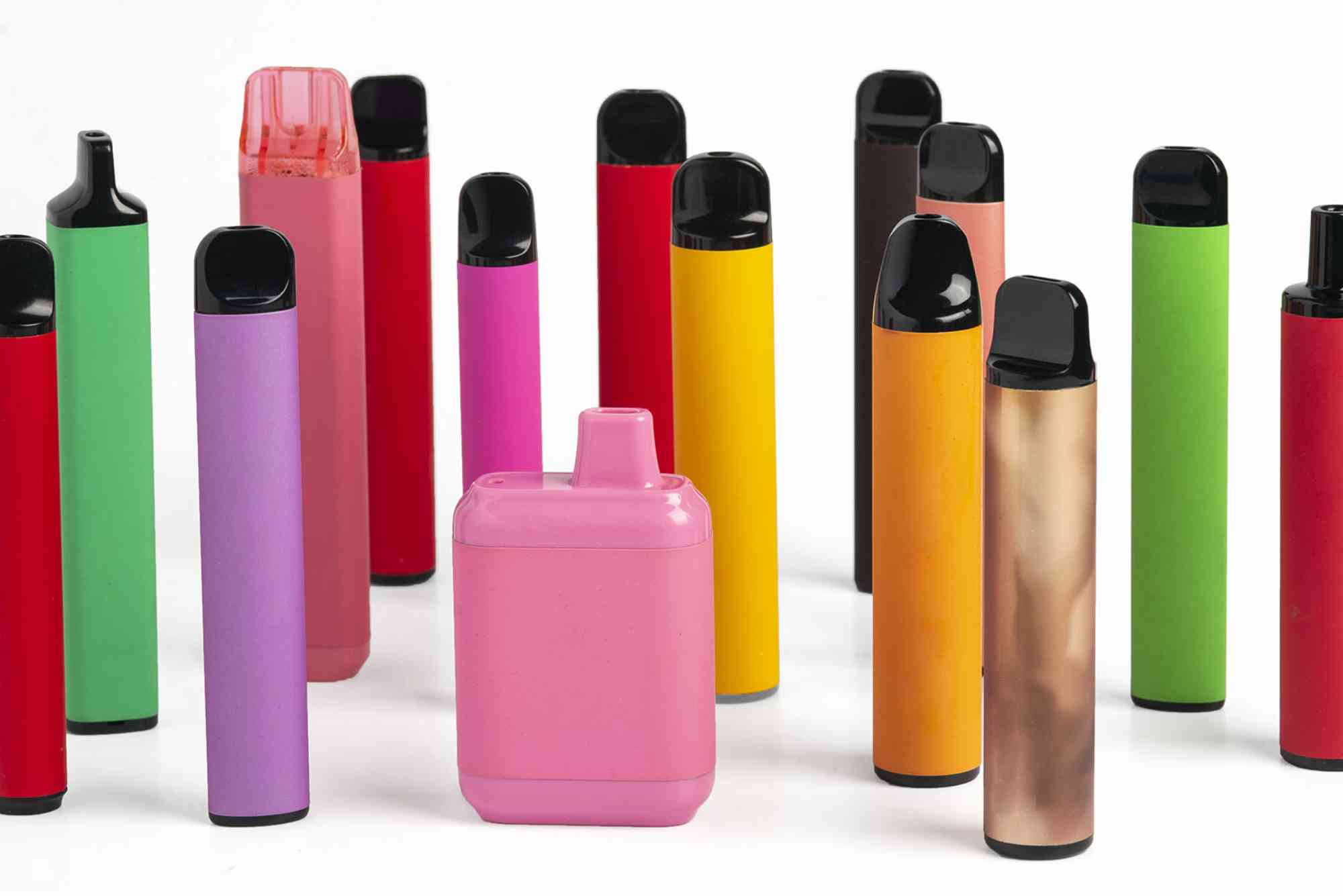
Thailand officially banned the importation and sale of e-cigarettes in 2014. The Ministry of Commerce classified them as prohibited goods under the Customs Act. This means you cannot bring them into the country, buy them locally, or even possess them. The ban covers all vaping products, including refill pods, e-liquids with nicotine, and non-nicotine vaping devices.
Penalties for Violating the Vape Ban
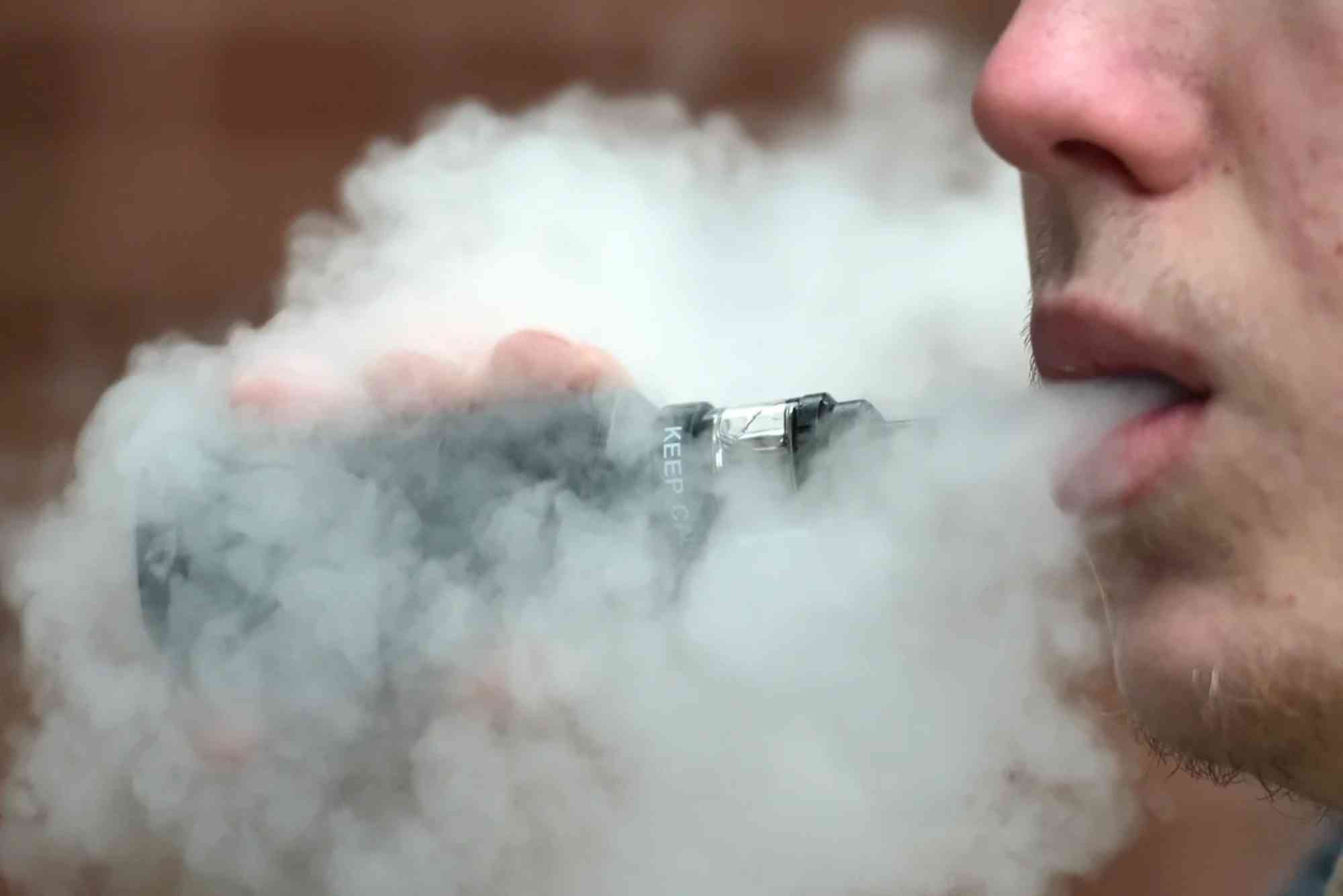
Violating the Thailand vape law can lead to severe punishment. Those caught with vaping devices can face fines up to 30,000 THB (around USD 900) or up to 10 years in prison, depending on the circumstances. Even tourists who bring personal vaping devices risk confiscation and legal trouble. Authorities have been known to stop people in public places if they suspect vaping activity.
Reasons Behind the Ban
Thailand cites both health and youth protection concerns as reasons for maintaining the vape ban. The government believes vaping could encourage young people to start nicotine use. Officials also highlight ongoing research suggesting potential health risks. The law also helps avoid a rapid increase in vaping-related health issues, which some countries have already reported.
The Impact of Thailand Vape Law on Travelers
For tourists, the law can be confusing, especially when they come from countries where vaping is common and accepted. Some travelers assume that using a vape discreetly will go unnoticed, but Thai law enforcement takes the ban seriously. Even if you are a visitor, you are not exempt from these rules. Bringing a vape into Thailand is risky and could turn a vacation into a legal problem.
Advice for Tourists and Expats
If you are traveling to Thailand, it is best to leave your vaping devices at home. Expats should also avoid ordering vaping products online, as customs checks packages thoroughly. Using alternatives such as nicotine patches or gum can help avoid legal risks while managing nicotine cravings.
Vaping and Health: Why Thailand Is Concerned
The debate over vaping’s health impact continues globally. While some studies suggest vaping is less harmful than traditional cigarettes, other research shows potential risks. Thailand has chosen to take a cautious approach by banning vaping altogether.
Potential Health Risks of Vaping
Some of the reported health risks of vaping include lung irritation, inflammation, and exposure to harmful chemicals. E-liquids may contain substances that are toxic when inhaled, even if they are labeled as nicotine-free. There have also been reports in other countries of vaping-related lung injuries, which have strengthened Thailand’s resolve to keep the ban in place.
Vaping and Youth Addiction
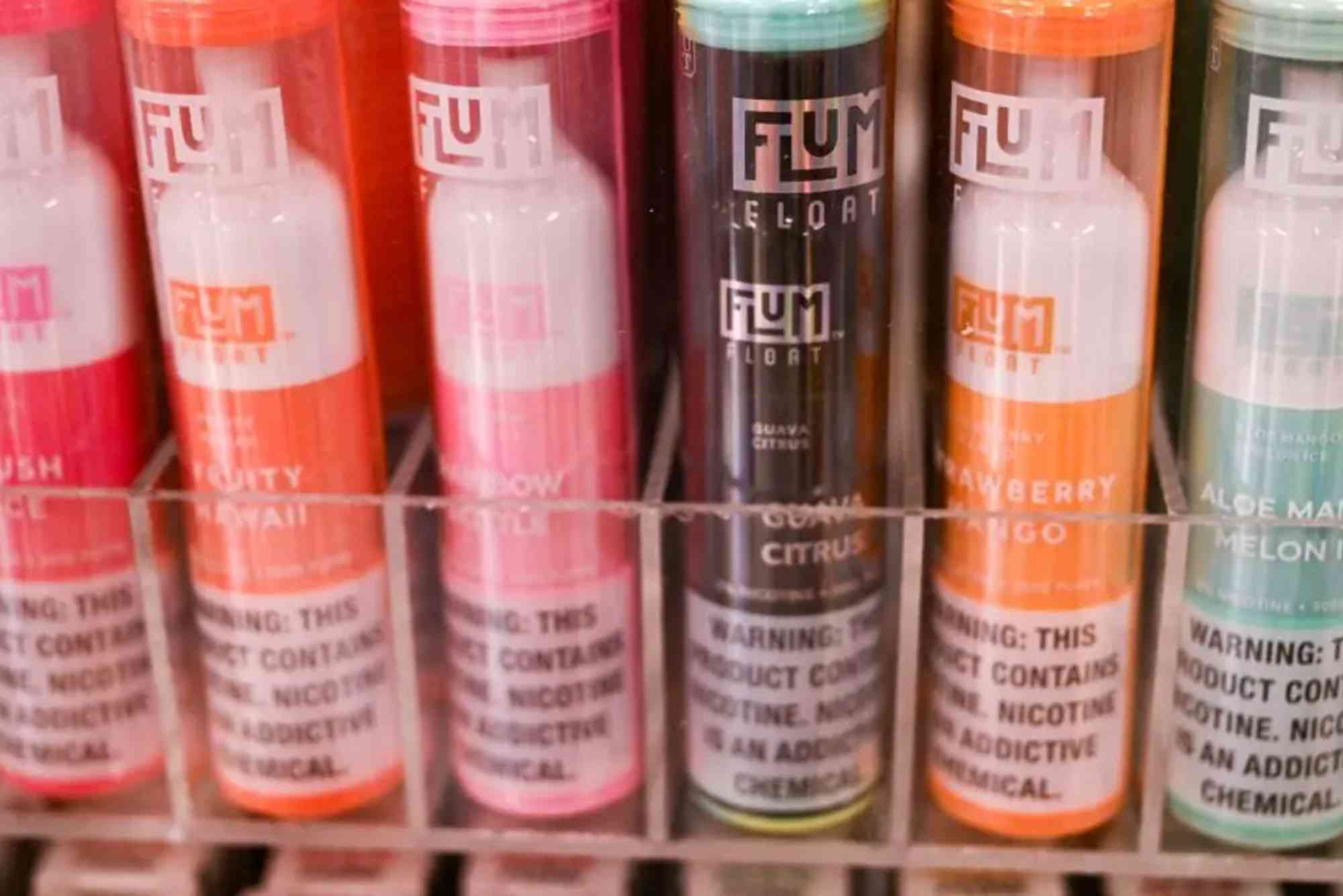
Nicotine addiction is another reason behind Thailand’s strict policy. Flavored e-liquids and stylish vape devices can appeal to younger people. By removing legal access to vaping, Thailand hopes to prevent an increase in youth nicotine dependence.
How Thailand Enforces the Vape Ban
Thailand’s enforcement of the vape law is active and visible. Police officers have the authority to confiscate vaping devices on the spot. Customs officers inspect luggage at airports and seaports to prevent illegal imports. Street-level enforcement is also common, especially in tourist-heavy areas.
Real Cases and Incidents
There have been reported cases of tourists being fined for possessing vapes in public. In some situations, tourists have been detained until they paid the required fines. These real-life examples show that Thailand’s vape ban is not just a symbolic law—it is enforced consistently.
Future of Vaping Laws in Thailand
Some advocacy groups have called for Thailand to reconsider its ban and regulate vaping instead. They argue that vaping could help smokers quit and that regulation would be better than prohibition. However, the government has so far maintained its position, emphasizing health protection. Until the law changes, vaping in Thailand remains illegal.
Possibility of Legalization
While there have been public discussions about possible regulation in the future, no official changes have been announced. Travelers and residents should expect the current law to remain in effect for the foreseeable future.
FAQs
Can I bring my vape to Thailand for personal use?
No. Bringing a vape into Thailand is illegal, even for personal use. It can be confiscated, and you may face fines or other penalties.
Is vaping in private allowed in Thailand?
No. Possession itself is illegal, so even using it in private can lead to legal trouble if discovered.
What happens if I am caught vaping in Thailand?
You may face fines, confiscation of the device, and in some cases, imprisonment. Enforcement is strict, especially in public areas.
Why did Thailand ban vaping?
Thailand banned vaping due to health concerns, potential youth addiction, and to avoid the spread of unregulated nicotine products.
Are nicotine-free vapes legal in Thailand?
No. The ban applies to all types of vapes, regardless of nicotine content.
The Thailand vape law is clear: vaping is banned, and violations carry serious consequences. Whether you agree with the policy or not, respecting it is essential for avoiding legal trouble during your stay. Beyond the legal risks, understanding the health implications of vaping can help you make better choices for your well-being. If you are planning a trip to Thailand or living there, consider healthier, legal alternatives to satisfy your nicotine needs.