Introduction
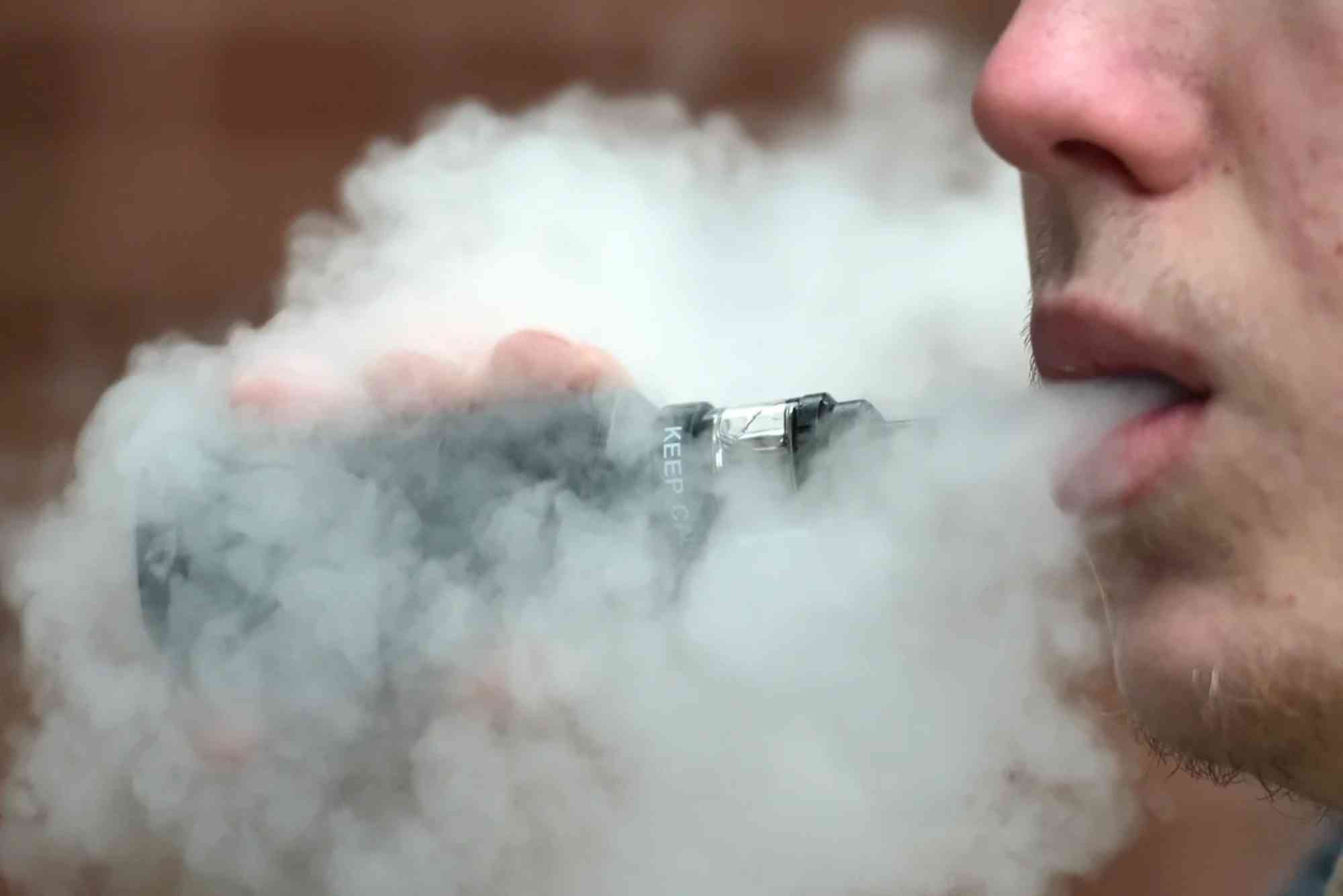
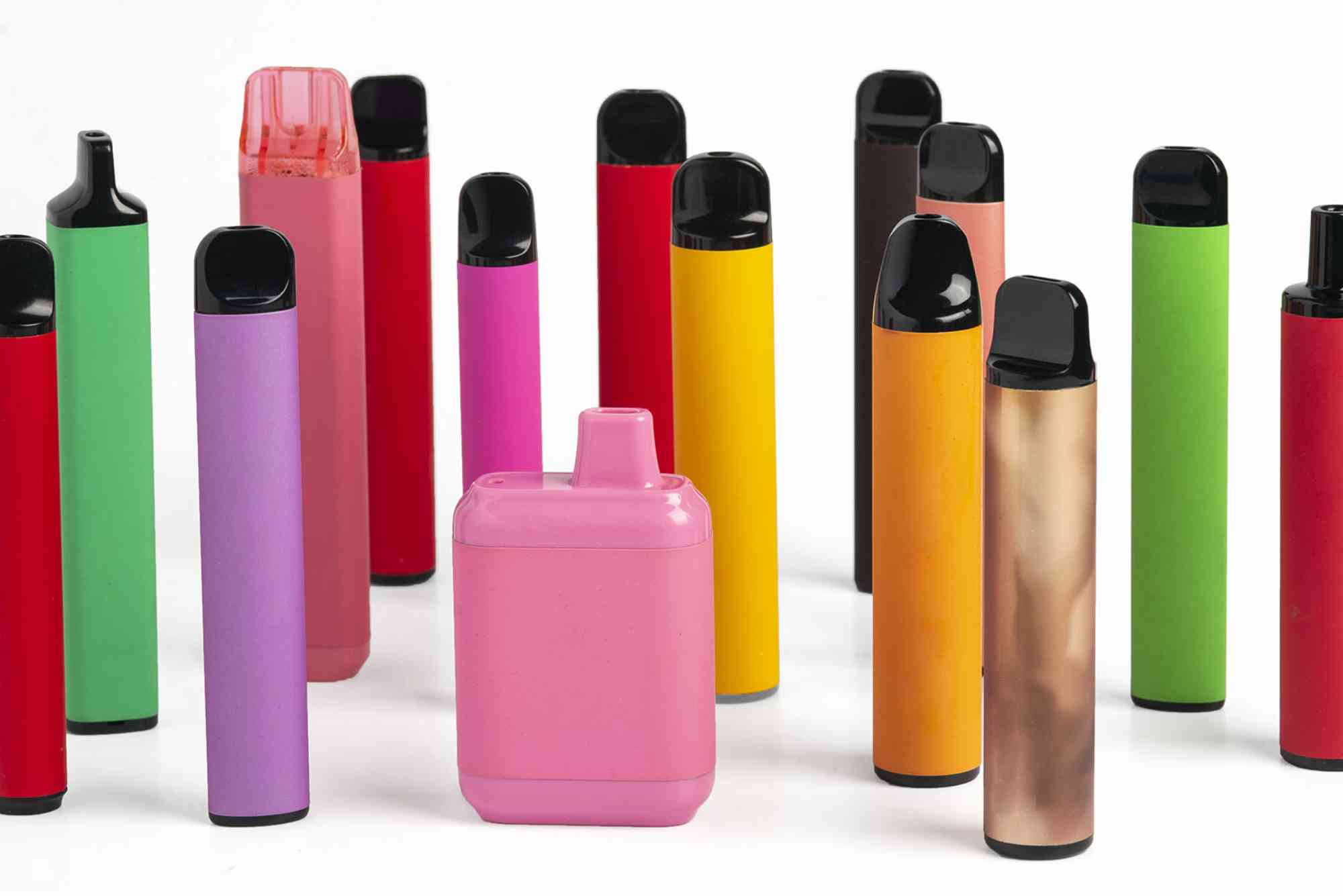
Vaping has become a popular alternative to smoking, but it is not without rules and risks. If you live in or around Roseville, it’s important to understand the specific regulations that apply to vaping. Equally vital is knowing how to manage the potential dangers of vape batteries, which are often overlooked. This guide explains Roseville vape laws in detail, explores the risks associated with vape batteries, and offers practical advice to ensure you stay safe while vaping.
Understanding Roseville Vape Laws
Roseville vape laws are designed to protect public health, especially among minors, while allowing adults to make their own choices. In recent years, vaping regulations in California have evolved to reflect growing concerns about youth vaping and health risks. Roseville follows state rules but also has local ordinances to address community concerns.
Vape products in Roseville are treated similarly to traditional tobacco products. This means that purchasing, using, or selling them comes with restrictions. Retailers are strictly monitored, and public usage is limited. These measures are intended to reduce secondhand aerosol exposure and discourage underage vaping.
The legal age to purchase vape products in Roseville is 21, in line with California state law. This restriction covers e-cigarettes, disposable vapes, e-liquids, and vape pens. Retailers must check identification to ensure compliance. Penalties for selling to minors are significant, including heavy fines and potential loss of licenses.
Another important aspect of Roseville vape laws relates to where you can vape. Many public spaces, including parks, schools, government buildings, and some businesses, prohibit vaping. These restrictions mirror smoking bans and are enforced to protect non-smokers from secondhand vapor. Breaking these rules can result in citations or fines.
Roseville also enforces packaging and labeling laws. Vape products must include health warnings, nicotine content details, and child-resistant packaging. This ensures that consumers are fully aware of the risks before use.
Understanding these laws helps vapers avoid legal trouble while protecting their health and the well-being of those around them. But beyond legality, there’s another critical issue that every vaper must consider—battery safety.
Risks in Vape Batteries
Many people focus on the flavors, nicotine levels, and styles of vaping devices but forget that batteries power every vape. The risks in vape batteries are real, and poor handling can lead to serious accidents. Stories of batteries exploding in pockets or devices catching fire often appear in the news. Most of these incidents are preventable with proper knowledge and safety practices.
Why Vape Batteries Can Be Dangerous
Vape devices typically use lithium-ion batteries. These are powerful, lightweight, and rechargeable, making them ideal for portable electronics. However, lithium-ion technology has one downside: it is sensitive to overheating, overcharging, and physical damage. If not properly managed, these batteries can short-circuit, vent, or even explode.
Improper charging is one of the leading causes of vape battery failures. Using a charger not designed for your device can push too much current into the battery, causing it to overheat. Similarly, leaving a battery plugged in overnight or unattended raises the risk of thermal runaway—a dangerous situation where the battery uncontrollably heats up.
Physical damage is another risk. Carrying spare batteries loosely in a pocket or bag can cause them to come into contact with coins or keys. This can short-circuit the battery, generating extreme heat and potentially igniting flammable materials.
Counterfeit or low-quality batteries also present dangers. Some inexpensive or unregulated brands cut corners on safety, using poor materials and inadequate insulation. Always buying batteries from reputable sources is a key safety step.
Common Signs of Battery Issues
Recognizing early warning signs can prevent dangerous accidents. If your vape battery feels excessively hot, swells, leaks, or produces a strange smell, stop using it immediately. These are signals of internal damage or failure. Continuing to use a compromised battery puts you at serious risk.
Staying Safe While Vaping
Battery risks should not discourage you from vaping entirely, but they should encourage responsible habits. Practicing safety ensures that your experience remains enjoyable without unnecessary hazards.
Charging Safety Tips
Always use the charger designed for your device. If you lose it, replace it with one recommended by the manufacturer. Avoid using phone chargers or generic USB adapters, as they may not regulate power correctly. Never leave your vape charging overnight or unattended. Once fully charged, disconnect the battery to prevent overcharging.
Storing Vape Batteries Safely
If you carry spare batteries, use protective cases. These inexpensive plastic or silicone cases prevent contact with metal objects that could cause a short circuit. Never store batteries in extreme temperatures, whether it’s leaving them in a hot car or exposing them to freezing conditions.
Choosing the Right Batteries
Stick to reputable brands and retailers. Look for certifications and customer reviews before purchasing. If a deal seems too good to be true, it probably is. Investing in quality batteries reduces the risk of accidents and extends the lifespan of your device.
General Vaping Safety Practices
Apart from battery safety, follow basic precautions. Keep your vape device clean by regularly wiping connections and ensuring no e-liquid leaks onto the battery. Understand your device’s wattage and resistance settings—pushing batteries beyond their limits increases stress and danger. If you are new to vaping, start with a regulated device that has built-in safety features such as short-circuit protection and automatic shutoff.
The Connection Between Roseville Vape Laws and Battery Safety
At first glance, Roseville vape laws and battery safety may seem unrelated, but they complement each other. While the laws protect the public from secondhand vapor and prevent youth access, battery safety protects the individual user. Together, they form a complete framework for safe and responsible vaping.
For example, Roseville’s restrictions on sales ensure that only responsible retailers distribute vape products. This reduces the likelihood of unsafe, counterfeit batteries entering the market. Packaging laws that require warnings also remind users to consider the risks associated with both nicotine and the device’s power source.
By following Roseville vape laws and practicing battery safety, vapers can enjoy their devices without risking their health or safety.
Frequently Asked Questions
Can you vape in public places in Roseville?
No, vaping is prohibited in most public spaces, including parks, schools, and government buildings. Always check posted signs before vaping.
What is the legal age to buy vapes in Roseville?
The minimum legal age is 21, consistent with California state law. Retailers must verify identification before selling.
Are vape batteries really dangerous?
Yes, if misused. However, with proper care—using the right charger, safe storage, and quality products—the risks are greatly reduced.
Can I carry spare vape batteries in my pocket?
No, it’s unsafe. Always store spare batteries in protective cases to prevent short-circuiting.
Do Roseville vape laws affect online purchases?
Yes, online purchases must also comply with California law. Retailers are required to verify age and follow packaging requirements.
Vaping in Roseville comes with responsibilities. Understanding Roseville vape laws ensures that you avoid legal trouble and respect community health standards. At the same time, taking vape battery risks seriously protects you from preventable accidents. By combining legal awareness with safe vaping practices, you can enjoy a smoother, safer experience.