Understanding Oregon Laws on Vape Pens and Its Impact on Vaping Health
Vaping has become a common alternative to traditional smoking, especially among adults seeking fewer health risks. However, in Oregon, using or purchasing vape pens comes with strict regulations. These laws aim to protect public health while regulating the sale and use of vaping products. Understanding Oregon laws on vape pens is essential for residents, visitors, and businesses to avoid legal trouble and make informed health decisions.
Overview of Oregon Laws on Vape Pens
Oregon has specific rules governing the sale, possession, and use of vape pens. These regulations cover everything from age restrictions to product packaging. They are part of the state’s broader effort to control tobacco and nicotine use while addressing concerns about youth vaping.
Age Restrictions
The legal age to purchase vape pens or any vaping products in Oregon is 21. This includes e-cigarettes, nicotine cartridges, and THC vape devices. The age limit applies regardless of whether the products contain nicotine, THC, or are marketed as nicotine-free. Retailers must verify identification before completing a sale.
Where Vaping is Prohibited
Vaping in Oregon is banned in the same places where smoking is prohibited. This includes workplaces, restaurants, bars, public transportation, and within 10 feet of building entrances. Local cities and counties may impose stricter rules, so always check for regional ordinances before vaping in public spaces.
Licensing and Retail Regulations
Businesses selling vape pens in Oregon must obtain a tobacco retail license. This license ensures that retailers follow state guidelines on age verification, packaging, and advertising. Selling vaping products without a license can lead to heavy fines and legal penalties.
THC Vaping Laws
THC vape pens fall under Oregon’s cannabis regulations. Recreational cannabis is legal for adults 21 and older, but products must be purchased from licensed dispensaries. THC vape cartridges are regulated for potency, labeling, and testing to ensure consumer safety. Possessing untested or black-market vape cartridges is illegal and can be dangerous due to potential contamination.
Packaging and Marketing Restrictions
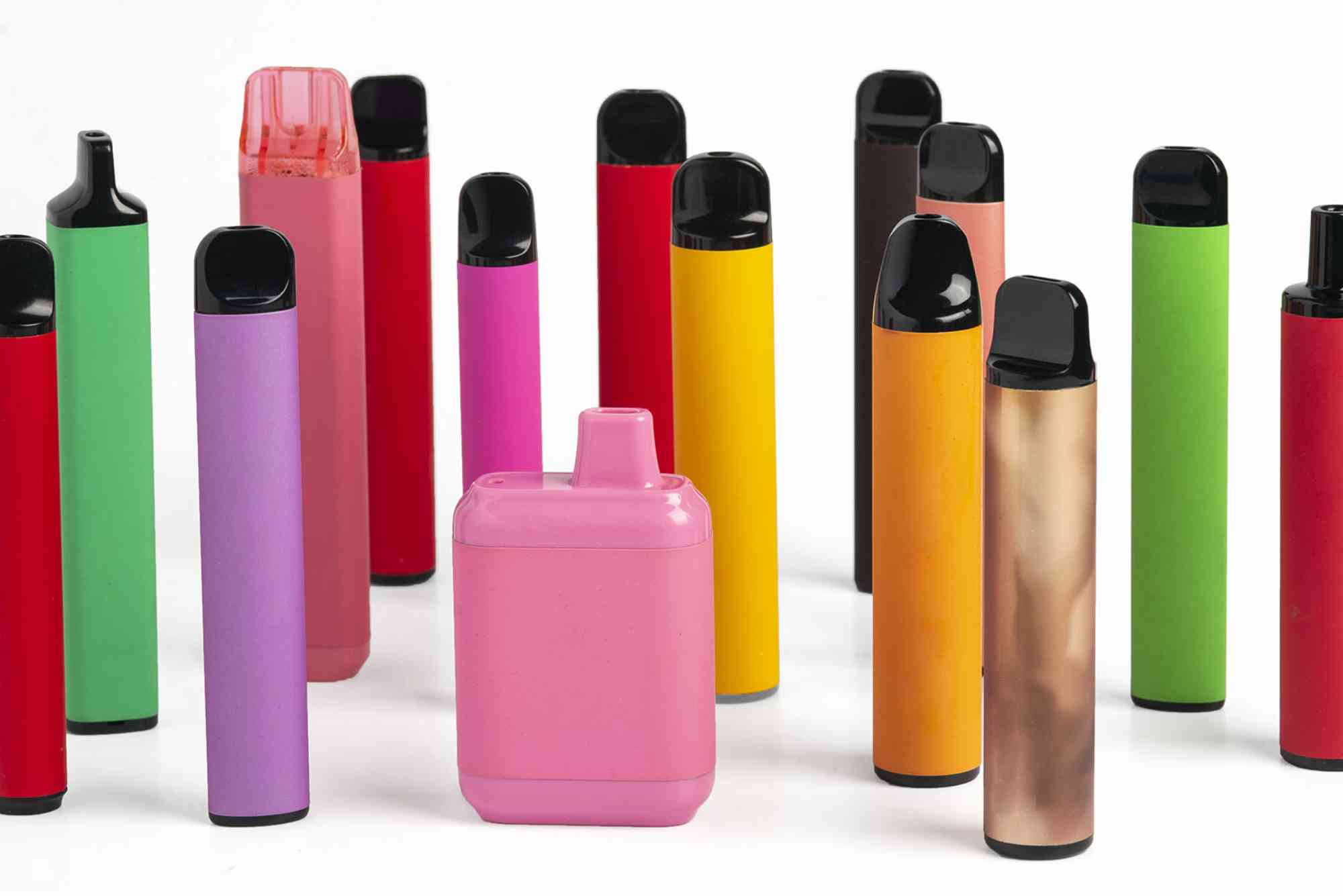
To reduce youth appeal, Oregon enforces strict packaging rules for vape pens and e-liquids. Products cannot use cartoon characters, candy-like designs, or bright, flashy colors that attract minors. Labels must clearly state nicotine content, include health warnings, and avoid misleading claims like “safe” or “risk-free.”
Advertising is also limited. Vape companies in Oregon cannot advertise in media or locations that primarily target minors. This includes restrictions on social media campaigns and sponsorship of youth-oriented events.
Health Implications of Vaping in Oregon
While vape pens may expose users to fewer harmful chemicals than cigarettes, they are not risk-free. Oregon’s health authorities closely monitor vaping trends due to concerns about lung health, nicotine addiction, and the use of unregulated products.
Nicotine Addiction
Nicotine in vape pens can be just as addictive as nicotine in cigarettes. Prolonged use can lead to dependency, making it hard to quit. This is a primary reason why Oregon has strict age limits and marketing restrictions.
Respiratory Risks
Vaping can irritate the lungs, causing coughing, wheezing, or shortness of breath. Some users have experienced serious lung injuries linked to vitamin E acetate found in certain illicit THC cartridges. Oregon’s laws aim to prevent such health risks by enforcing product testing and banning harmful additives.
Long-Term Health Uncertainty
Vaping is relatively new compared to traditional smoking, so its long-term effects are still being studied. Oregon public health experts caution against assuming that vaping is harmless, especially for young adults and people with preexisting respiratory conditions.
Why Oregon Enforces Strict Vape Laws
The state’s vaping laws are shaped by a mix of public health concerns and consumer safety priorities. Oregon wants to reduce youth vaping rates, protect non-smokers from secondhand vapor, and ensure that products meet safety standards.
Preventing Youth Access
The rising popularity of flavored vape products among teens has alarmed health officials. Flavors like mango, mint, and cotton candy can make vaping seem harmless to young people. Oregon restricts flavored nicotine sales in some areas to address this issue.
Regulating THC Products
Cannabis legalization brought a new challenge: ensuring THC vape cartridges are safe and free from harmful chemicals. Oregon’s cannabis testing regulations protect consumers from products that could cause severe lung damage.
Aligning with Federal Standards
Oregon’s vaping laws often align with federal regulations from the FDA and CDC. This ensures consistent safety measures, especially regarding nicotine content, labeling, and banned substances in e-liquids.
Impact on Vaping Health in Oregon
Oregon’s laws on vape pens influence public health in several ways. They help limit underage access, reduce exposure to harmful chemicals, and promote informed consumer choices.
Reduced Youth Vaping Rates
By restricting marketing and flavors, Oregon aims to reduce the number of young people experimenting with vape pens. Early data suggests these measures are helping slow the growth of youth vaping compared to other states without such restrictions.
Safer Product Standards
Mandatory testing for THC vape cartridges and nicotine e-liquids ensures consumers buy products that meet quality standards. This lowers the risk of exposure to harmful additives like vitamin E acetate.
Public Awareness
Oregon invests in public health campaigns that educate residents about vaping risks. These campaigns highlight the addictive nature of nicotine and warn against using unregulated products.
What Vapers Should Know Before Using Vape Pens in Oregon
Anyone using vape pens in Oregon should be aware of both the legal and health considerations. Ignorance of the law does not excuse violations, and using unsafe products can have serious consequences.
Always Buy from Licensed Retailers
Licensed shops follow state regulations for product safety, labeling, and potency. Avoid buying vape pens from unverified online sources or street vendors.
Check Local Laws
Some Oregon cities may have additional restrictions beyond state laws. For example, certain areas may ban flavored nicotine sales entirely.
Respect Public Vaping Rules
Just because cannabis is legal doesn’t mean you can vape anywhere. Always follow designated smoking and vaping area guidelines to avoid fines.
Understanding Oregon laws on vape pens is essential for anyone living in or visiting the state. These laws protect public health, reduce youth vaping, and ensure safer products for consumers. By following state regulations, purchasing only from licensed retailers, and staying informed about vaping’s health risks, individuals can make safer choices. Whether you vape nicotine or THC products, responsible use is key to staying within the law and protecting your health.
Frequently Asked Questions
Can you vape in public in Oregon?
You can only vape in designated areas. Vaping is banned in workplaces, restaurants, bars, public transportation, and within 10 feet of entrances.
Is it legal to buy flavored vape pens in Oregon?
Some flavors are restricted to prevent youth vaping. Check local regulations before purchasing flavored nicotine products.
Do you need a license to sell vape pens in Oregon?
Yes. Retailers must have a valid tobacco retail license to sell nicotine or THC vape pens.
Are THC vape pens legal in Oregon?
Yes, for adults 21 and older, but they must be purchased from licensed cannabis dispensaries.
What is the penalty for selling vape pens to minors in Oregon?
Penalties include fines, license suspension, and possible criminal charges for repeat offenses.