Oklahoma Laws Regarding Vape Products: Risks in Vape Batteries and How to Stay Safe While Vaping
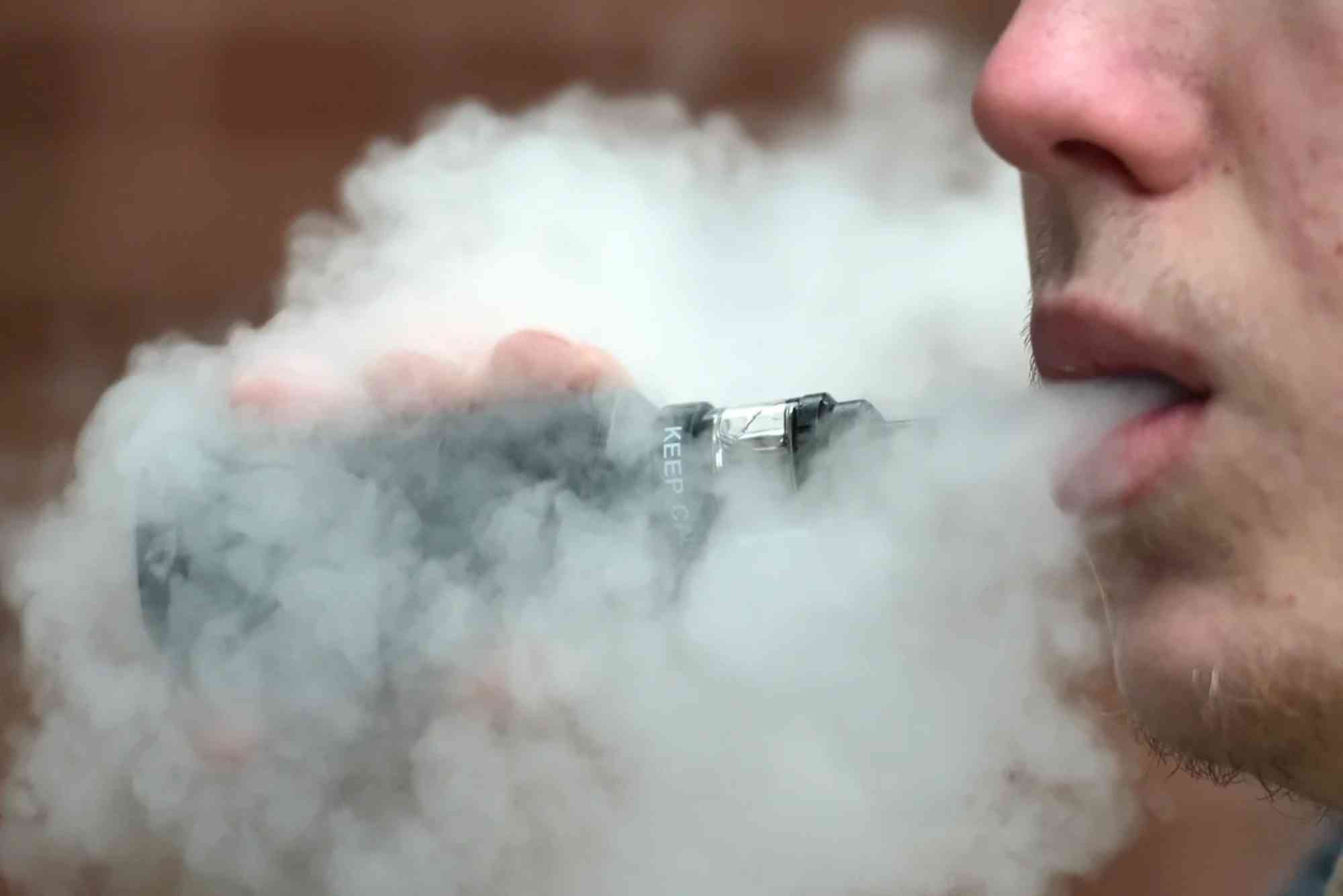
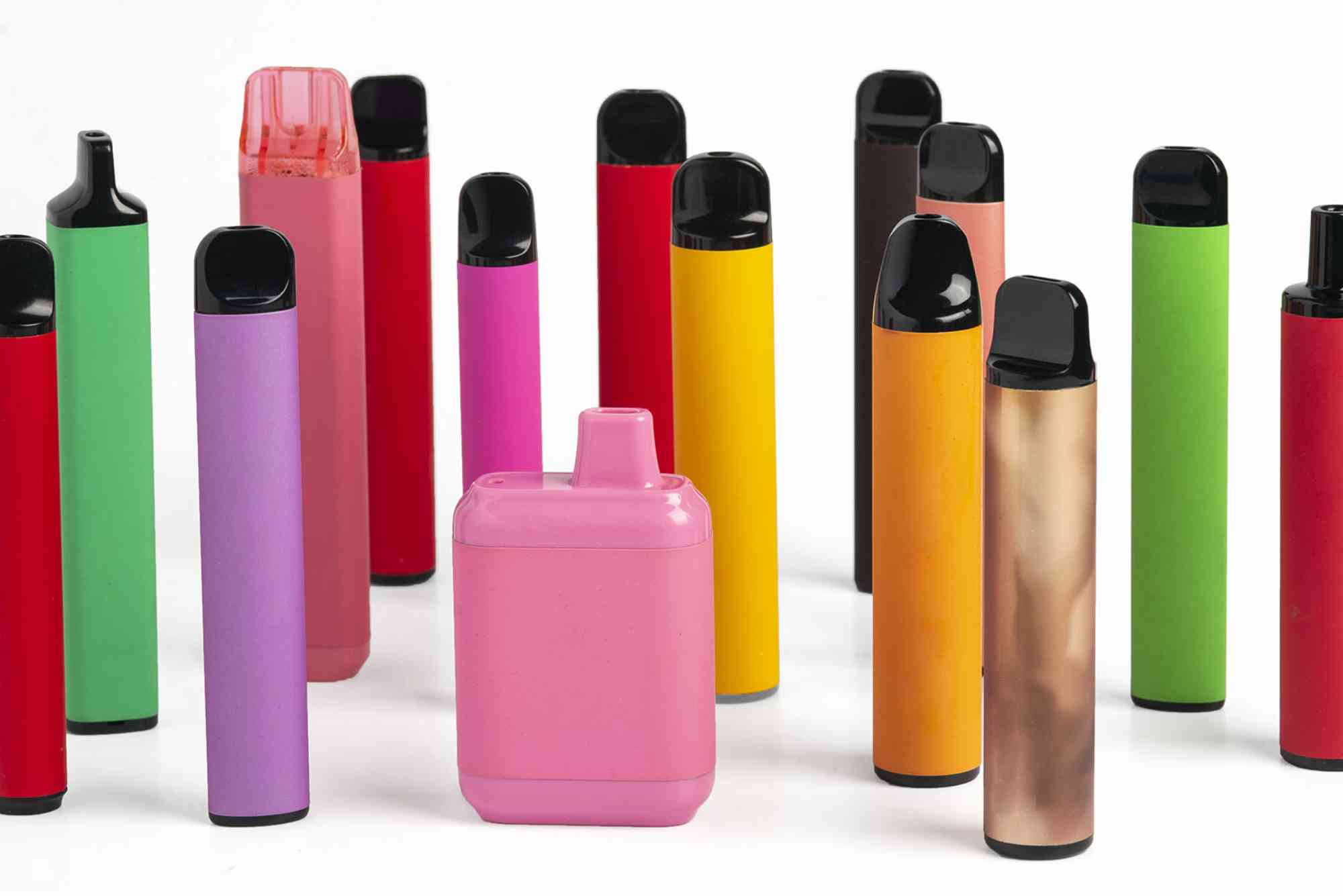
Vaping has gained popularity across the United States, including Oklahoma, as an alternative to traditional smoking. However, with this rise comes a growing need to understand the legal framework surrounding vape products and the safety risks involved—especially those linked to vape batteries. This article explores Oklahoma laws regarding vape products and highlights essential precautions vapers should take to stay safe.
Understanding Oklahoma Laws Regarding Vape Products
Oklahoma has taken concrete steps to regulate vape products to protect public health, especially among youth. Knowing these laws helps vapers avoid legal trouble and encourages responsible use.
Age Restrictions and Sales Regulations
In Oklahoma, the minimum age to purchase vape products is 21, aligning with the federal Tobacco 21 law. Retailers must verify age before selling any vaping devices, e-liquids, or related products. Selling to minors is strictly prohibited and can result in hefty fines and license revocations.
Restrictions on Flavored Vape Products
Oklahoma has been considering regulations on flavored vape products due to concerns about youth appeal. Some local municipalities have implemented bans or restrictions on flavored e-liquids, but state-wide laws are still evolving. It’s important to stay updated on any local ordinances that might affect vaping choices.
Public Vaping and Smoke-Free Policies
Similar to cigarette smoking, vaping is restricted in many indoor public places and workplaces across Oklahoma. These rules aim to reduce secondhand aerosol exposure. Many restaurants, bars, and government buildings prohibit vaping indoors. Awareness of these laws ensures compliance and respectful vaping behavior.
Licensing Requirements for Vape Retailers
Vape shops in Oklahoma must obtain proper business licenses and adhere to state regulations regarding product sales and advertising. These regulations aim to keep the industry transparent and protect consumers.
Risks in Vape Batteries: What Oklahoma Vapers Need to Know
While vaping may be perceived as a safer alternative to smoking, it carries its own set of risks, particularly with vape batteries. Understanding these dangers can prevent accidents and health hazards.
What Are Vape Batteries?
Most vape devices use lithium-ion batteries because they are lightweight and have high energy density. However, these batteries require careful handling to prevent failures such as overheating, leaking, or explosions.
Common Battery Risks in Vaping
Battery malfunctions can lead to fires or explosions, causing serious injuries. These issues often arise from using the wrong charger, physical damage to the battery, or improper storage.
Overcharging and Using Incorrect Chargers
Charging a vape battery with non-compatible chargers can cause overheating. Overcharging also shortens battery life and increases risk of failure. Always use chargers recommended by the device manufacturer.
Physical Damage to Batteries
Dropping or puncturing a battery compromises its safety. Damaged batteries can short circuit internally, leading to fires or explosions. Handling batteries gently and inspecting them regularly is crucial.
Exposure to Extreme Temperatures
Leaving batteries in hot cars or freezing environments affects their chemical stability. Heat increases pressure inside the battery, while cold can cause condensation and corrosion.
How to Stay Safe While Using Vape Batteries
Safety starts with proper battery care and usage. Follow these practical tips to minimize risks:
- Always use batteries recommended for your device.
- Charge batteries with the correct charger and never leave them unattended.
- Store batteries in a cool, dry place away from metal objects.
- Inspect batteries for damage or swelling and replace if necessary.
- Avoid modifying or tampering with batteries.
Oklahoma Laws Regarding Vape Products and Battery Safety: Why They Matter Together
Understanding the legal landscape and battery risks go hand-in-hand for a safe vaping experience. Oklahoma’s laws not only regulate who can buy vape products but also indirectly promote safety by enforcing retailer compliance with quality standards.
Vape product regulations help limit access to unsafe or counterfeit devices that could have faulty batteries. Legal restrictions on sales and advertising also reduce the chances of inexperienced users acquiring dangerous products.
What to Do If You Experience Battery Issues
If your vape battery starts to feel hot, leaks fluid, or looks swollen, stop using it immediately. Dispose of it properly at an authorized recycling center. Avoid throwing batteries in the trash as they pose environmental and fire hazards.
If a battery malfunctions or causes an injury, seek medical help and report the incident to the retailer and relevant Oklahoma regulatory bodies. Prompt reporting helps track unsafe products and protect others.
Vape Responsibly in Oklahoma
Being informed about Oklahoma laws regarding vape products and the inherent risks in vape batteries is vital for every vaper. These laws are designed to protect public health and ensure vaping is done safely and legally. Alongside following legal guidelines, practicing good battery safety habits reduces the chances of accidents and helps you enjoy vaping responsibly.
FAQs
Q1: What is the legal age to buy vape products in Oklahoma?
The legal age is 21 years old, following the federal Tobacco 21 law.
Q2: Are flavored vape products banned in Oklahoma?
There is no statewide ban yet, but some local areas have restrictions. Check your local ordinances for specific rules.
Q3: Can I vape indoors in public places in Oklahoma?
Vaping is prohibited in many indoor public spaces, similar to cigarette smoking, including restaurants and government buildings.
Q4: How can I safely charge my vape battery?
Always use the charger that comes with your device or one recommended by the manufacturer. Do not overcharge and never leave charging batteries unattended.
Q5: What should I do if my vape battery overheats or looks damaged?
Stop using it immediately and dispose of it at a proper battery recycling facility. Do not throw damaged batteries in the trash.