Introduction
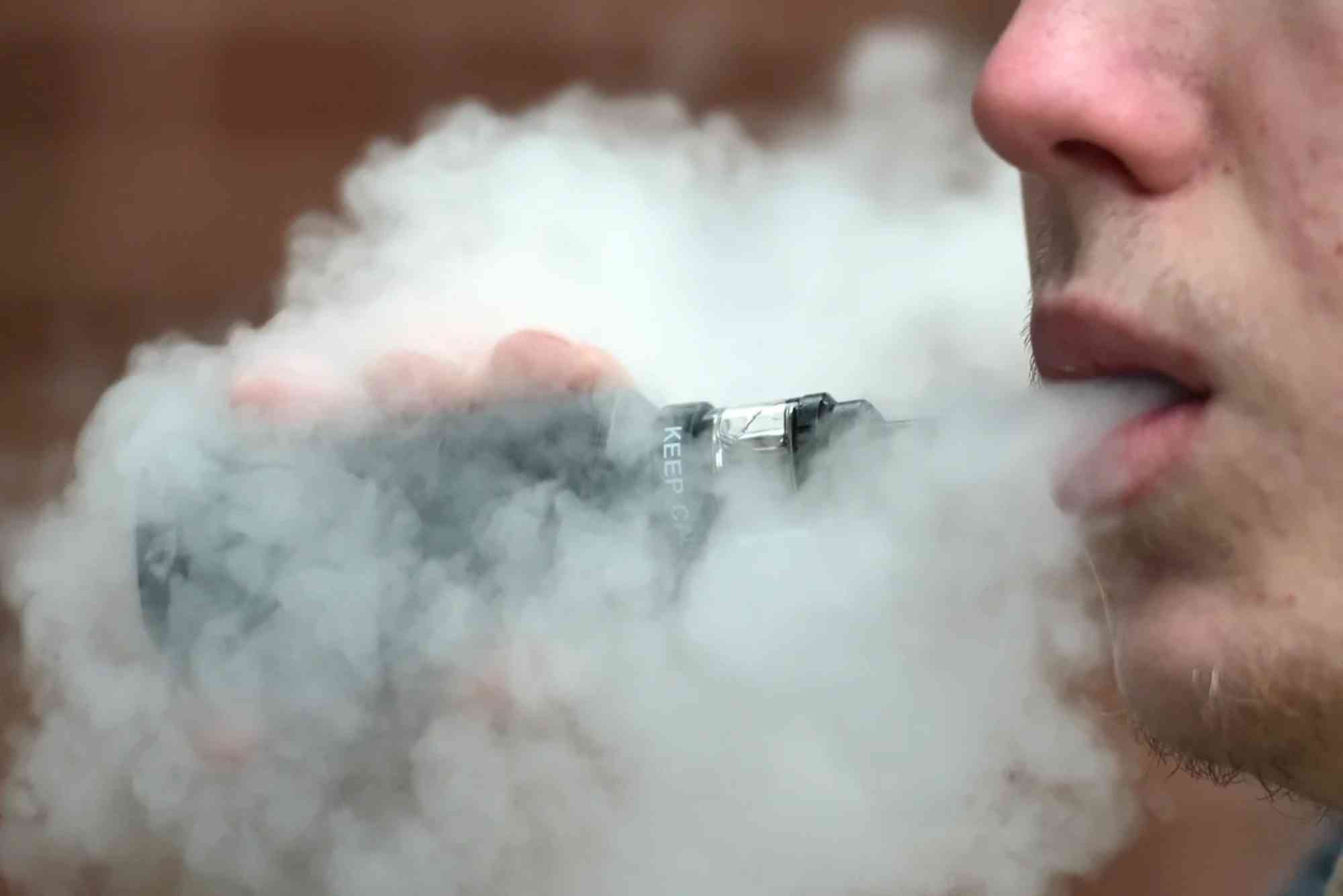
Vaping has become a popular alternative to smoking, but many vapers overlook one of the most crucial safety principles: Ohm’s law. When it comes to vape batteries, ohm’s law vape safety is not just a technical detail—it can mean the difference between an enjoyable experience and a dangerous accident. Understanding how voltage, resistance, and current interact is essential for anyone using advanced vaping devices, particularly mechanical mods. By learning the risks and applying proper safety measures, you can protect yourself and enjoy vaping with confidence.
Why Ohm’s Law Matters in Vaping
Ohm’s law, a fundamental rule in electricity, explains how voltage, current, and resistance relate to each other. In vaping, these factors directly affect the coil temperature, vapor production, and battery performance. When you press the fire button, the battery delivers voltage to the coil. If resistance is too low or the current draw exceeds the battery’s safe limit, the device can overheat or even explode.
In simple terms, ohm’s law vape knowledge helps vapers choose the right coils and batteries. Without it, you risk pushing your device beyond safe limits. For regulated mods, built-in safety chips reduce the risks, but mechanical mods leave all responsibility in the user’s hands.
Understanding the Basics of Ohm’s Law
Ohm’s law can be expressed as V = I × R, where V is voltage, I is current, and R is resistance. For vapers, this formula is more than theory—it’s a practical safety tool.
Voltage and Batteries in Vaping
Most vape batteries deliver 3.7 to 4.2 volts when fully charged. If you use a coil with low resistance, the battery must supply more current to produce the desired vapor.
Resistance and Coil Safety
The coil’s resistance, measured in ohms, determines how much current flows. Sub-ohm coils (below 1.0 ohm) are popular because they create bigger clouds, but they demand higher current.
Current and Battery Limits
Every battery has a maximum safe current discharge rate, measured in amps. If your setup exceeds this limit, the battery can fail, leading to venting, fire, or explosion.
Common Ohm’s Law Vape Risks
Ignoring ohm’s law exposes vapers to serious risks. Even experienced users can run into problems if they forget the basics or chase extreme performance.
Overdrawing Current from Batteries
One of the most common dangers is exceeding the continuous discharge rating of a battery. For example, if a coil resistance is too low, the current demand may surpass what the battery can handle.
Thermal Runaway
When a battery overheats due to excess current, it can enter thermal runaway. This chain reaction causes the battery to release gas, heat, and flames.
Short Circuits
Improper builds or damaged insulators can create shorts. In such cases, resistance drops dangerously close to zero, and the battery dumps all its power instantly.
Misusing Sub-Ohm Builds
Sub-ohm vaping can be safe with the right knowledge and hardware. But without calculating current draw using Ohm’s law, users risk overloading their batteries.
How to Stay Safe While Vaping with Ohm’s Law
The good news is that these risks are avoidable. By applying ohm’s law vape calculations, choosing the right batteries, and following safe practices, you can reduce dangers significantly.
Choose the Right Batteries
Not all 18650 or 21700 batteries are the same. Always buy authentic high-drain batteries from trusted brands like Sony, Samsung, or Molicel. Check their continuous discharge rating (CDR) and make sure your build does not exceed it.
Calculate Before You Vape
Use the formula I = V ÷ R to determine how much current your build will draw. For example, with a 4.2-volt battery and a 0.2-ohm coil, the current demand is 21 amps. If your battery’s CDR is only 20 amps, this setup is unsafe.
Avoid Chasing Extremes
Cloud-chasing with ultra-low resistance coils may look impressive, but it comes at a cost. Staying within safe resistance ranges ensures both safety and longevity of your device.
Inspect Your Gear Regularly
Check your coils, wraps, and insulators. A small tear in battery wrapping can cause a short if the metal touches your mod. Rewrap damaged batteries immediately.
Use Regulated Mods if Unsure
If math and safety checks feel overwhelming, stick to regulated mods. They feature safety protections such as overcurrent limits, short-circuit protection, and thermal cutoffs.
Real-World Examples of Vape Battery Failures
News stories occasionally report vape battery explosions. While they may seem rare, most incidents happen because the user ignored basic safety or mishandled batteries. Carrying loose batteries in pockets with keys or coins can cause a short. Using counterfeit or low-quality batteries increases risks. Building coils without applying ohm’s law vape rules is another frequent cause. These cases serve as reminders that knowledge and precaution are vital.
FAQs
What does Ohm’s law mean in vaping?
It’s the principle that relates voltage, current, and resistance. In vaping, it helps calculate safe coil builds and battery loads.
Can I vape safely without knowing Ohm’s law?
If you use regulated mods with factory coils, yes. But if you build coils or use mechanical mods, understanding Ohm’s law is essential.
What is the safest coil resistance for beginners?
Staying above 0.5 ohms is generally safer for new users, as it reduces current demand and stress on batteries.
Can vape batteries really explode?
Yes, though it’s rare. Most explosions happen when users exceed battery limits, mishandle batteries, or create unsafe coil builds.
How do I know if my build is safe?
Use an Ohm’s law calculator or vaping app. Input your coil resistance and battery voltage to confirm current draw stays within safe limits.
Knowledge Is the Key to Safety
Vaping can be an enjoyable and safer alternative to smoking, but it’s not without risks. Understanding ohm’s law vape safety is the foundation for using advanced devices responsibly. From battery selection to coil building, every step should be guided by safety calculations. By respecting the limits of your gear, you prevent accidents and extend the life of your equipment.
If you are new, start with regulated mods and premade coils until you feel confident. For advanced users, never skip Ohm’s law checks. Remember, safe vaping is smart vaping. Protect yourself, respect the science, and enjoy vaping the way it was meant to be.