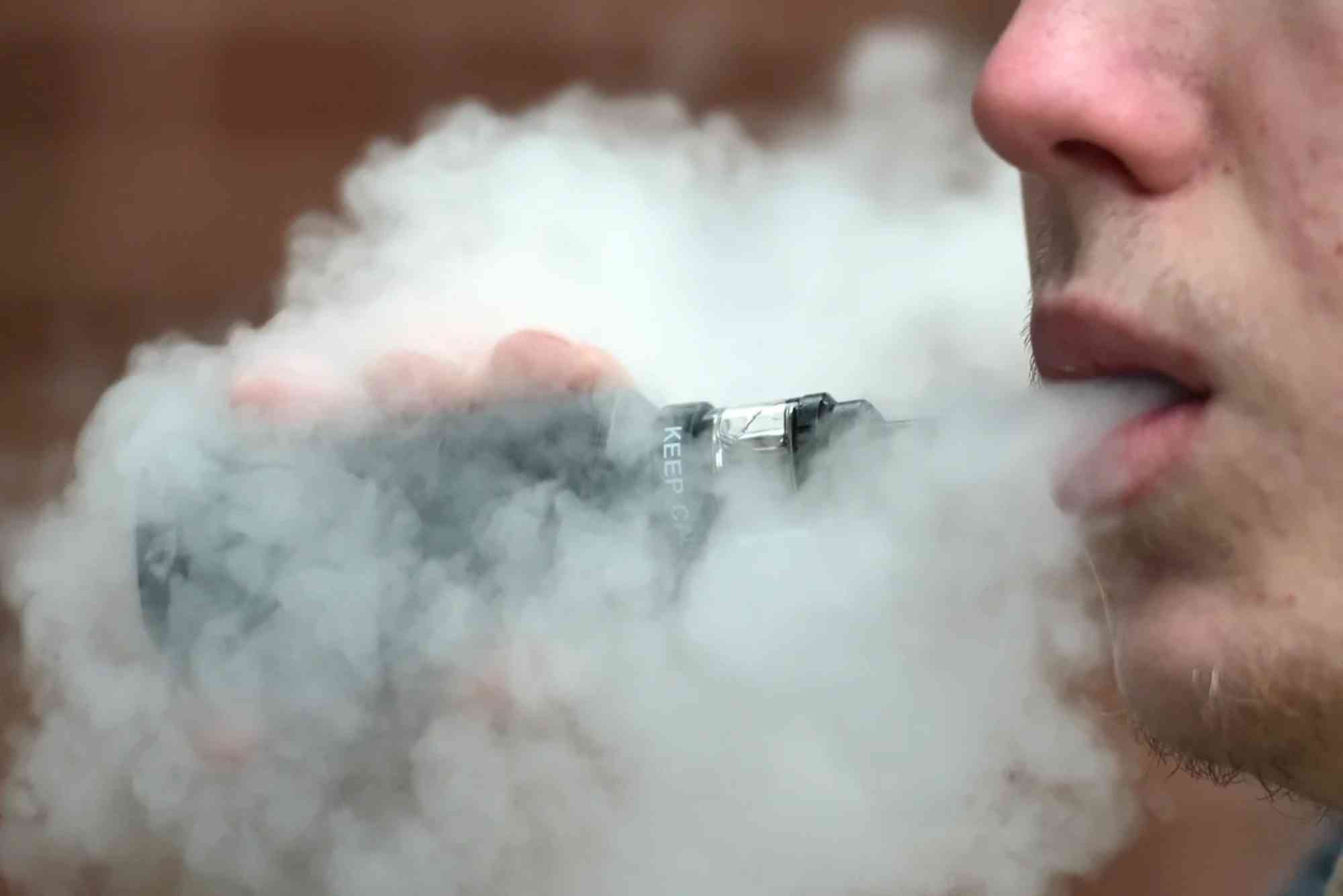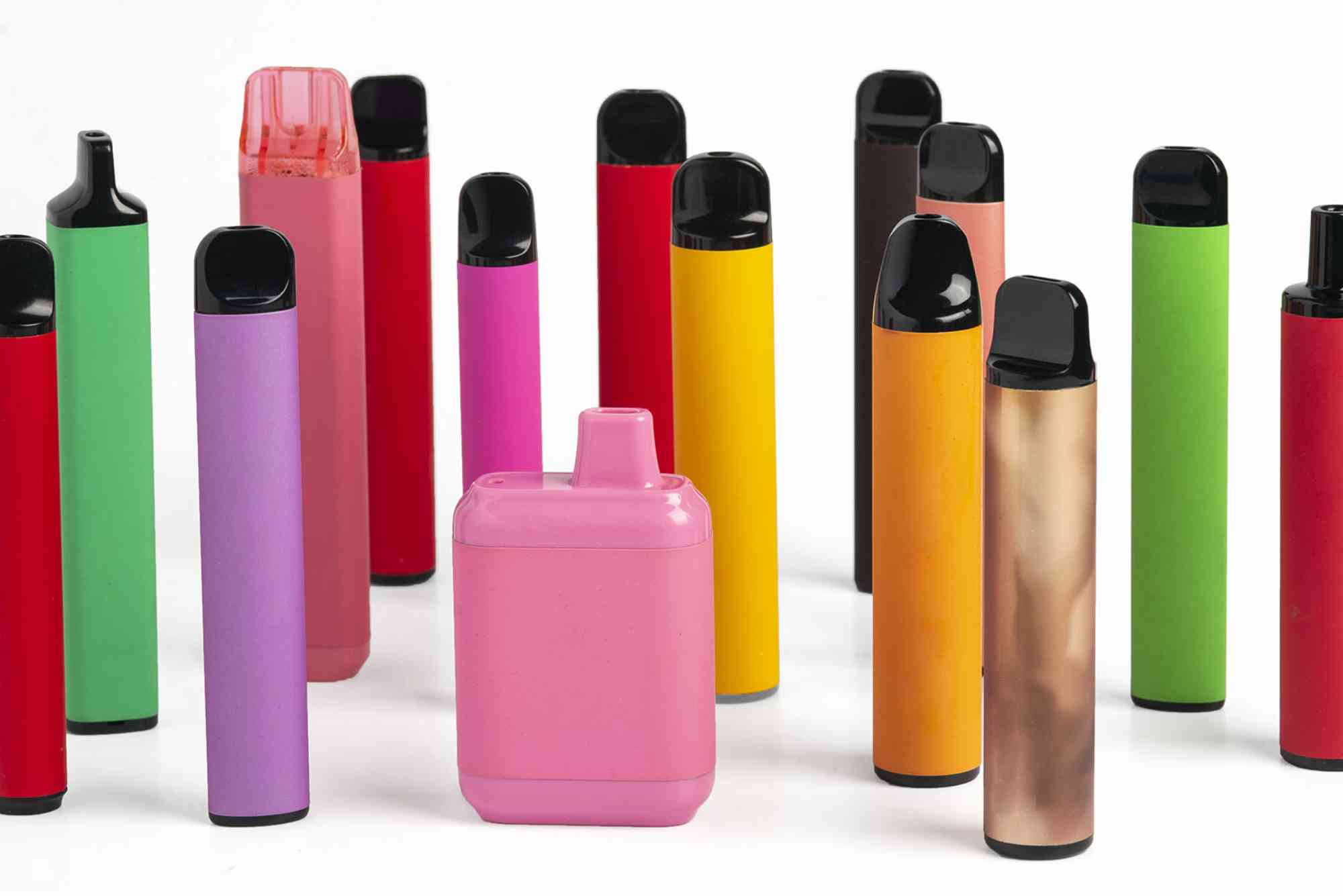
Vaping in New York schools is no longer just a bad habit — it’s a costly mistake. NYS fines for vaping in public school can add up quickly, impacting students, parents, and even future opportunities. But while the legal consequences are serious, there’s another often-overlooked risk: vape battery safety.
This guide breaks down the fines and penalties for vaping in schools, explains the dangers of vape batteries, and offers practical tips to stay safe if you choose to vape.
Understanding NYS Fines for Vaping in Public School
New York State treats vaping in public schools as a violation of both state law and school policy. While penalties vary by district, the law is clear: e-cigarettes and vape devices are prohibited on all school property.
Legal Framework
The New York State Clean Indoor Air Act and the Tobacco 21 law make it illegal for anyone under 21 to possess or use vaping products. Using them on school grounds can trigger legal fines and school disciplinary action.
Typical Fine Amounts
For first-time offenders, NYS fines for vaping in public school can start at $50 to $200. Repeat violations may result in fines of $500 or more. Schools can also require students to attend tobacco education programs, which may carry additional costs.
School Disciplinary Actions
Aside from state fines, students may face:
- Detention or suspension
- Confiscation of vape devices
- Mandatory counseling sessions
- Loss of extracurricular privileges
Why Vape Battery Safety Matters
While most focus on the legal consequences, vape battery safety is equally important. Many vape-related injuries happen not because of the liquid, but because of battery malfunctions.
Common Battery Risks
Lithium-ion batteries, commonly used in vape devices, can overheat or explode if damaged or improperly handled. Causes include:
- Overcharging
- Using the wrong charger
- Storing batteries in pockets with coins or keys
- Physical damage to the battery casing
Real-Life Incidents
Reports from the U.S. Fire Administration highlight cases where vape batteries ignited in backpacks or even during use, leading to burns and property damage.
How to Stay Safe While Vaping
If you’re of legal age and choose to vape, safety should be your top priority.
Use Quality Devices
Purchase devices from reputable brands. Counterfeit or cheap models often cut corners on battery safety.
Charge Responsibly
Always use the manufacturer’s charger and avoid charging overnight. Overcharging increases the risk of overheating.
Store Batteries Properly
Keep spare batteries in protective cases. Never carry loose batteries in pockets or bags with metal objects.
Regularly Inspect Devices
Check for signs of battery swelling, damage, or leakage. Replace any damaged components immediately.
Balancing Legal Awareness and Personal Safety
Understanding NYS fines for vaping in public school helps you avoid costly mistakes. But equally, knowing how to handle vape batteries can prevent injuries. For students, the best choice is avoiding vaping altogether — it’s illegal on school property and risky to your health and safety.
For adults, responsible vaping means respecting public laws and taking battery safety seriously.
Frequently Asked Questions (FAQs)
What happens if I vape in a NY public school?
You could face state fines starting at $50 and school penalties like suspension or device confiscation.
Can police charge me for vaping in school?
Yes. If you’re under 21, possession or use of vape products is illegal and can lead to citations and fines.
Are vape batteries really dangerous?
Yes. Faulty or mishandled batteries can overheat, explode, or catch fire.
How can I tell if my vape battery is unsafe?
Look for swelling, leakage, or unusual heat. Stop using the device if you notice these signs.
Make Smart Choices
In New York, the cost of vaping in public schools isn’t just measured in NYS fines. It can affect your education, your safety, and your future. Add to that the real risks of vape battery mishandling, and the smart choice is clear — avoid vaping in prohibited areas and handle devices with care.