Introduction
Navigating the world of electronic cigarettes can feel overwhelming, especially with constant changes in public perception and local legislation. When discussing modern tobacco and nicotine trends, the phrase Ny vape: Separating Vape Facts from Fiction frequently emerges as users, parents, and regulators seek clarity. Misinformation spreads rapidly across social media, leaving many confused about what is actually true regarding health impacts, chemical contents, and local restrictions. Understanding the reality behind these products requires looking past marketing claims and examining empirical evidence. Furthermore, state and municipal laws governing these products change frequently, making education essential for compliance and personal wellness. By looking closely at common myths and pairing them with verified data, a clearer picture begins to emerge about how these devices affect individuals and communities.
Understanding the Core Reality of Modern E-Cigarettes
Many consumers assume that electronic devices are completely harmless water vapor alternatives to traditional smoking. However, public health organizations emphasize that aerosol produced by these systems is not harmless water vapor. It typically contains nicotine, ultrafine particles, and various chemical flavorings that are heated to high temperatures. Nicotine itself is a highly addictive substance that alters neurological pathways, particularly in developing brains. People often underestimate how quickly dependence can develop, especially with high-strength pod systems and disposable units. Recognizing these fundamental properties helps dismantle the illusion that using these devices carries zero risk. Education campaigns focus heavily on ensuring consumers understand that inhaling foreign aerosols into sensitive lung tissue always triggers biological responses.
Legal Landscape and Regulatory Frameworks in New York
The regulatory environment surrounding electronic alternatives has tightened dramatically over recent years to curb underage use and protect public health. In New York, state laws and local ordinances impose strict limitations on how these products are sold, marketed, and distributed. Retailers must navigate complex licensing requirements, and compliance checks are frequent to prevent illegal sales. Local stakeholders frequently consult municipal health documentation and official city portals to stay updated on city vaping regulations and retailer rules. Additionally, state-level flavor bans prohibit the sale of most flavored e-liquids outside of tobacco or unflavored options to reduce youth appeal. Direct-to-consumer online shipping and mail delivery of these products are also heavily restricted or outright banned to close loopholes that bypass face-to-face age verification.
Debunking Common Myths Versus Proven Facts
Separating myth from reality requires addressing widespread misconceptions head-on with scientific data. One common fiction is that electronic options contain only harmless flavoring extracts and vegetable glycerin. In reality, testing frequently reveals heavy metals, volatile organic compounds, and chemical byproducts created during the heating process. Another frequent misconception is that these devices serve as an approved smoking cessation tool for everyone. While some adult smokers use them to transition away from combustible cigarettes, many others end up using both products concurrently, known as dual use, which sustains their health risks.
Indiana vape law: Separating Vape Facts from Fiction is an important topic for anyone who wants accurate information about vaping regulations. Many myths create confusion about what is legal, who can purchase vape products, and where they can be used. Understanding the facts helps consumers and retailers stay compliant while making informed decisions based on current laws rather than misinformation.
Health Implications and Youth Impact Concerns
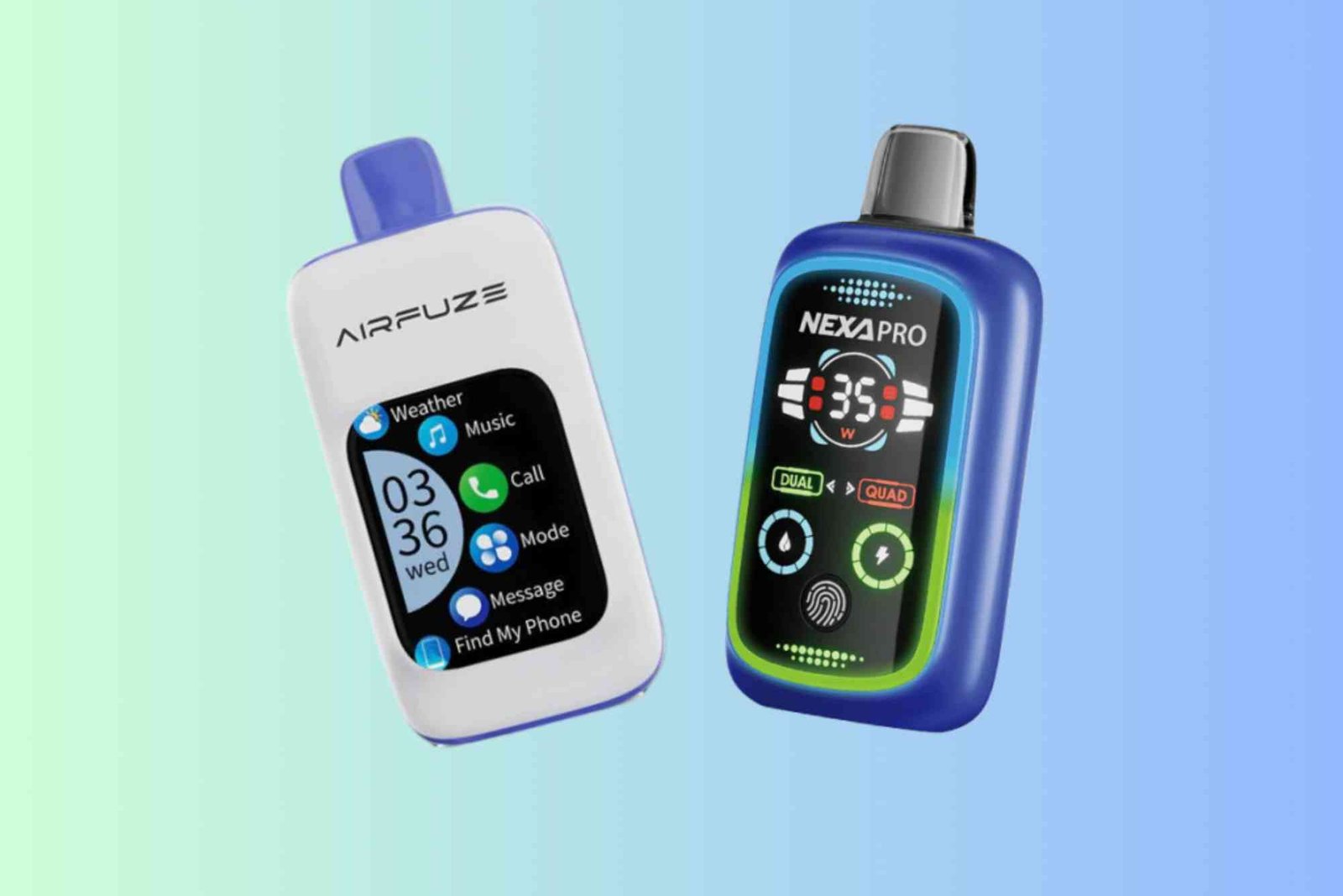
Public health agencies view youth uptake as a critical crisis, driven largely by sleek device designs and appealing marketing tactics. Nicotine exposure during adolescence can permanently alter brain chemistry, affecting learning, memory, and impulse control. Beyond addiction, physical symptoms reported by frequent users include chronic coughing, shortness of breath, and irritation of the respiratory tract. Environmental concerns also arise when disposable units are discarded improperly, as leftover battery NYC Health — city vaping regulations & retailer rules components and liquid residue pose ecological hazards. Addressing these multi-faceted challenges requires continuous dialogue between educators, healthcare providers, and lawmakers to safeguard community wellbeing.

Frequently Asked Questions
Are flavored e-cigarettes legal to buy everywhere?
No, many jurisdictions, including New York, have enacted strict bans on the sale of flavored electronic nicotine delivery systems to prevent youth adoption. Retailers are generally restricted to selling only tobacco-flavored or unflavored products.
What is the legal age to purchase tobacco and vape products?
Federal and state laws mandate that consumers must be at least 21 years old to purchase any tobacco or electronic cigarette products. Retailers are required to check valid photo identification for anyone appearing under the age of 25.
Is secondhand vape aerosol dangerous to bystanders?
Aerosol exhaled from these devices is not merely water vapor; it can contain nicotine, ultrafine particles, and toxic chemicals that negatively impact indoor air quality and pose risks to bystanders.
Can electronic cigarettes help adult smokers quit completely?
While some adult smokers utilize them under medical guidance to transition away from traditional cigarettes, they are not officially approved FDA cessation devices, and dual use remains common.
Where can I report illegal vape sales or underage marketing?
Local health departments and municipal agencies handle compliance complaints regarding illegal flavor sales or unlicensed vendors, often through local citizen helpline systems like 311.
Conclusion
Navigating the complexities of electronic nicotine products demands a commitment to factual accuracy and strict adherence to local laws. As regulations continue to evolve, staying informed protects both personal health and community standards. Whether you are an educator, a parent, or an adult consumer, understanding the boundary between marketing fiction and scientific reality is essential. Whether you’re new to vaping or looking to upgrade your experience, choosing trusted information and quality products makes all the difference. Explore the latest vape devices, premium e-liquids, expert buying guides, and practical tips to help you make informed decisions. Visit VaporWhirl to stay updated with reliable vaping insights and trends.