Introduction
The phrase “news about the Supreme Court” often makes headlines for its influence on the law, public policy, and everyday life. While most people connect the Supreme Court with landmark rulings on civil rights, healthcare, or election laws, its influence can also extend into public health matters, including vaping. In recent years, the vaping industry has faced increasing legal scrutiny, and Supreme Court decisions have the potential to shape the future of regulations, industry standards, and public health outcomes. This article explores how the latest developments in Supreme Court news can impact vaping health, why these rulings matter to consumers and businesses, and what we can expect going forward.
The Supreme Court’s Role in Public Health Regulation
The Supreme Court is the highest legal authority in the United States. Its role is to interpret the Constitution, settle legal disputes, and determine the legality of laws and policies. In the realm of public health, the Court can either uphold or strike down regulations proposed by federal agencies such as the Food and Drug Administration (FDA). This means any legal challenge related to vaping regulations could eventually reach the Supreme Court if lower courts issue conflicting rulings. For example, the FDA’s authority to regulate e-cigarettes and flavored vape products could be contested, and the final decision would set a nationwide precedent.
How Cases Reach the Supreme Court
Not every case related to vaping will go directly to the Supreme Court. Typically, cases begin in lower federal courts. If the losing side appeals, the case can move through the appellate system before the Supreme Court decides whether to hear it. The Court receives thousands of petitions each year but only hears a select number of cases—usually those involving significant constitutional questions or major national implications.
Why Vaping Regulations Could End Up in Court
Vaping regulations often involve questions about public health, free speech, and commerce. For example, restrictions on advertising e-cigarettes could spark debates about the First Amendment. Bans on certain flavors might lead to claims about government overreach or harm to small businesses. If lower courts disagree on the legality of these regulations, the Supreme Court may step in to settle the matter once and for all.
Recent News about the Supreme Court and Vaping-Related Rulings
While the Supreme Court has not issued a landmark vaping-specific ruling yet, recent developments in administrative law and public health policy could have indirect effects. For instance, decisions that limit the authority of federal agencies to issue sweeping regulations could also restrict how the FDA enforces vaping rules. One example is when the Court ruled in other industries that agencies cannot act beyond their clear congressional mandate. If such reasoning is applied to vaping, the FDA may need more explicit approval from Congress before enforcing strict measures.
Another relevant legal development involves product liability cases. If a vaping company is sued for health-related damages and the case involves federal regulation interpretation, it could eventually be escalated to the Supreme Court. In such cases, the Court’s interpretation could either protect consumers through stricter accountability or protect companies from excessive litigation if regulations are deemed sufficient.
The Connection Between Supreme Court Rulings and Vaping Health
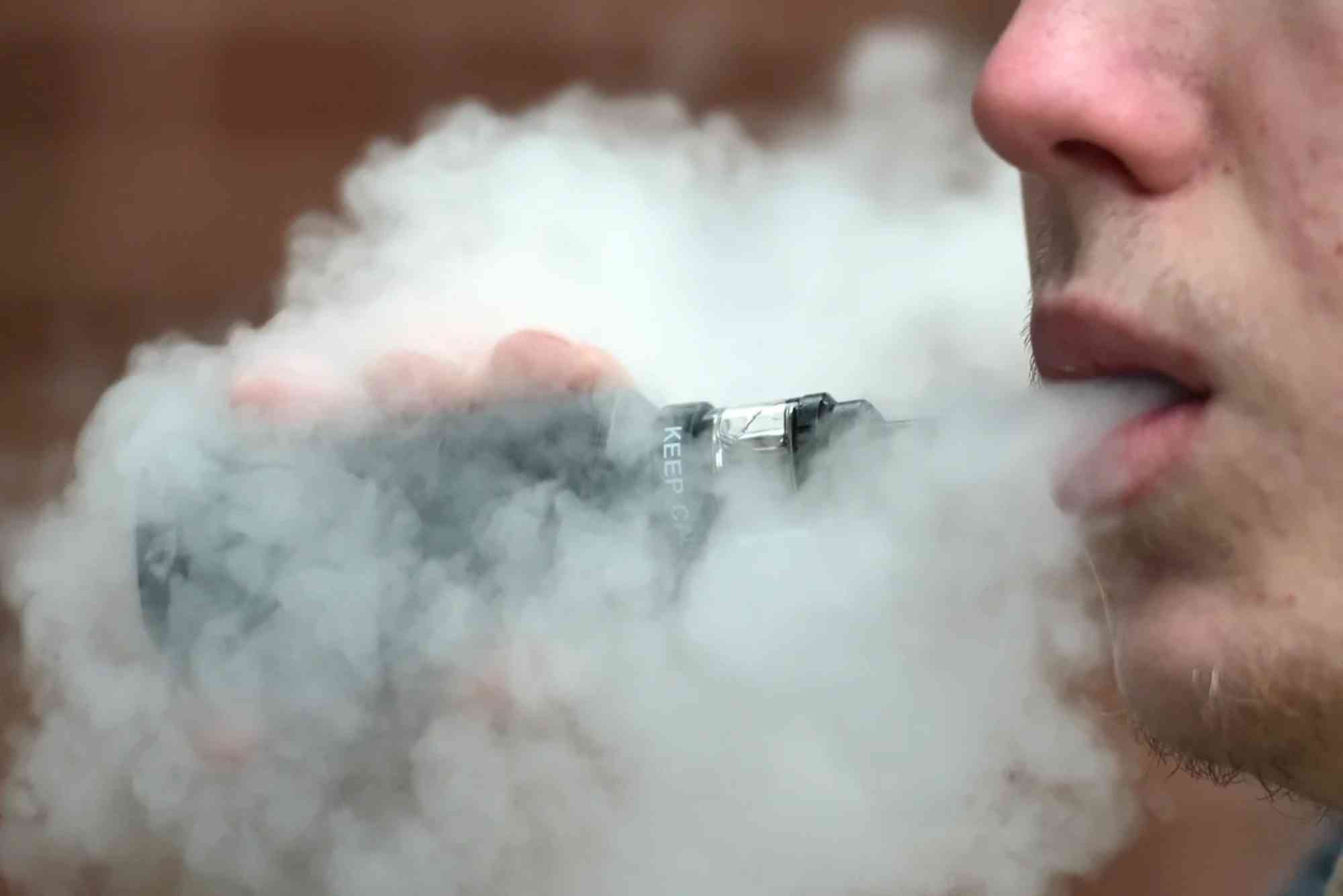
When we talk about vaping health, we consider factors like nicotine addiction, chemical exposure, and the potential for vaping to serve as a smoking cessation tool. The legal framework surrounding vaping directly influences how these health issues are addressed.
Public Health Protection
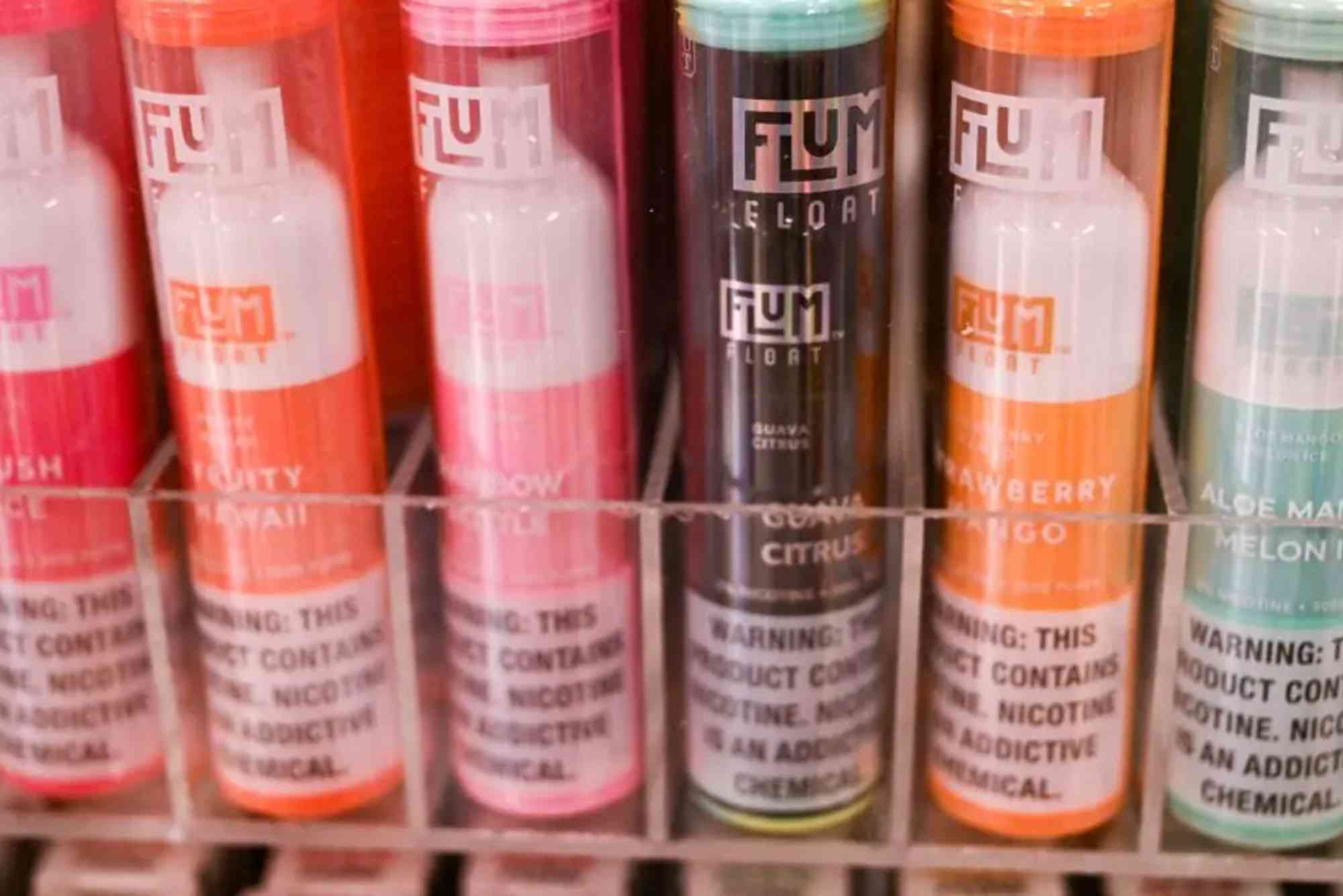
If the Supreme Court upholds strong FDA regulations, it could result in stricter safety standards for e-liquids, labeling, and product testing. This could help prevent unsafe products from reaching the market and reduce health risks for consumers.
Access and Consumer Choice
On the other hand, if the Court limits federal regulatory power, states might have more freedom to set their own rules. This could create a patchwork of laws where some states allow flavored vapes while others ban them entirely. Such differences could affect how accessible vaping products are, which in turn influences public health outcomes.
Long-Term Health Research
Supreme Court rulings can also affect funding and requirements for scientific research into vaping health effects. If regulations mandate more studies before products can be sold, the result could be a stronger evidence base for both potential benefits and harms.
Industry Reactions to Supreme Court News
The vaping industry closely monitors Supreme Court news because it can signal major changes ahead. Large manufacturers may adjust their product lines, marketing strategies, or compliance processes in anticipation of new legal standards. Small businesses and vape shops often fear that stricter rules could increase costs or limit available products. Consumer advocacy groups, meanwhile, may push for either stronger protections or fewer restrictions, depending on their stance on vaping’s role in harm reduction.
How Consumers Can Stay Informed
For individuals who vape or are considering it, staying informed about Supreme Court news is essential. Legal changes can affect product availability, pricing, and safety standards. Trusted sources include reputable news outlets, official court announcements, and public health organizations. Avoid relying solely on social media for updates, as misinformation can spread quickly in online communities.
The Future Outlook: Potential Supreme Court Cases on Vaping
Given the increasing debate over nicotine regulation, advertising restrictions, and youth vaping, it is likely that more vaping-related cases will move through the legal system. Issues such as flavored vape bans, online sales restrictions, and age verification requirements could all become subjects of legal battles. If the Supreme Court decides to hear such cases, the rulings could create uniform national standards or, conversely, give states more autonomy.
(FAQ)
What kind of vaping cases could reach the Supreme Court?
Cases involving constitutional rights, such as free speech in advertising, or disputes over federal regulatory authority could potentially reach the Supreme Court.
Can the Supreme Court ban vaping nationwide?
No. The Supreme Court cannot directly create a nationwide ban. However, it can uphold or strike down federal or state laws that effectively restrict vaping.
Has the Supreme Court ruled on vaping before?
Not directly. While there have been no landmark vaping-specific cases, the Court has made rulings in related areas of public health and regulatory authority that could influence vaping policy.
How could Supreme Court decisions affect vaping health?
Decisions could strengthen safety regulations, influence product availability, or impact how research on vaping’s health effects is conducted and funded.
Where can I find trustworthy updates about Supreme Court rulings?
The Supreme Court’s official website, major reputable news outlets, and public health agencies are reliable sources for accurate updates.
The latest news about the Supreme Court matters far beyond legal professionals and politicians—it can shape the vaping industry and impact public health outcomes. Supreme Court rulings have the potential to redefine how vaping products are regulated, how companies operate, and how consumers access these products. Whether you are a vaper, a business owner, or simply a concerned citizen, keeping up with Supreme Court developments can help you understand the future landscape of vaping health. As legal challenges continue, the balance between public health protection, individual choice, and industry innovation will remain at the center of the conversation. Stay informed, engage with credible sources, and make decisions that prioritize your health and well-being.