Understanding New Zealand Vape Laws and Its Impact on Vaping Health
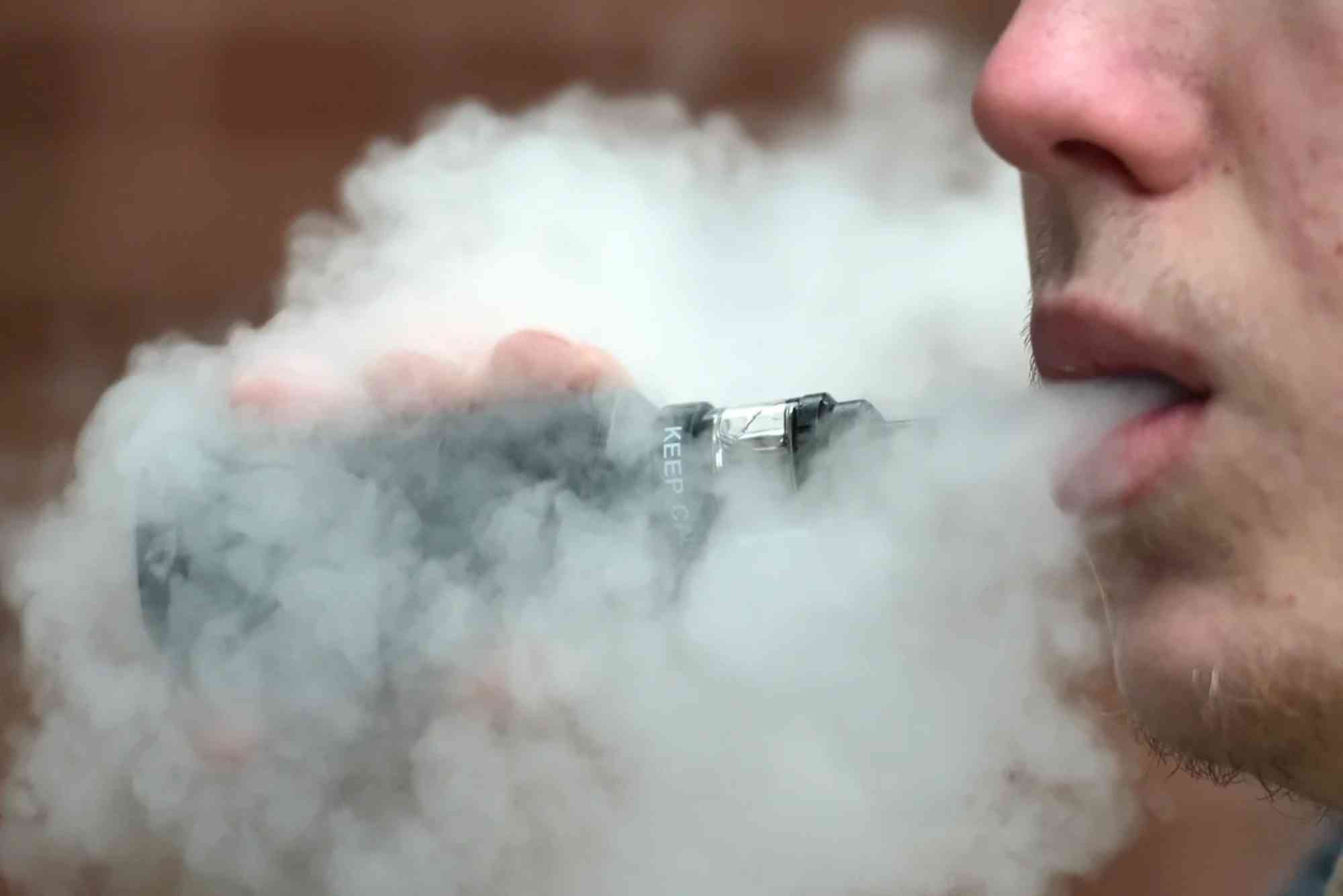
Vaping has become a popular alternative to smoking in recent years. Many see it as a less harmful option compared to traditional tobacco products. However, like most countries, New Zealand has implemented strict regulations to control the vaping industry. These New Zealand vape laws are designed to protect public health, especially among young people, while allowing adult smokers access to safer alternatives. Understanding these laws and their health implications can help you make informed choices as a consumer.
The Evolution of New Zealand Vape Laws
New Zealand’s approach to vaping has changed significantly over the past decade. Initially, vaping products were largely unregulated, making it easy for anyone to buy them. However, growing concerns about youth vaping and unverified product safety led to legislative changes.
In 2020, the Smokefree Environments and Regulated Products (Vaping) Amendment Act came into effect. This law introduced specific rules for the sale, advertising, and use of vaping products. The goal was to balance harm reduction for adult smokers with preventing underage vaping. Since then, further adjustments have been made to tighten restrictions and ensure consumer safety.
Key Provisions of New Zealand Vape Laws
New Zealand vape laws set clear rules for both sellers and consumers. You must be at least 18 years old to purchase vaping products. Retailers must verify age before selling any vape device or e-liquid.
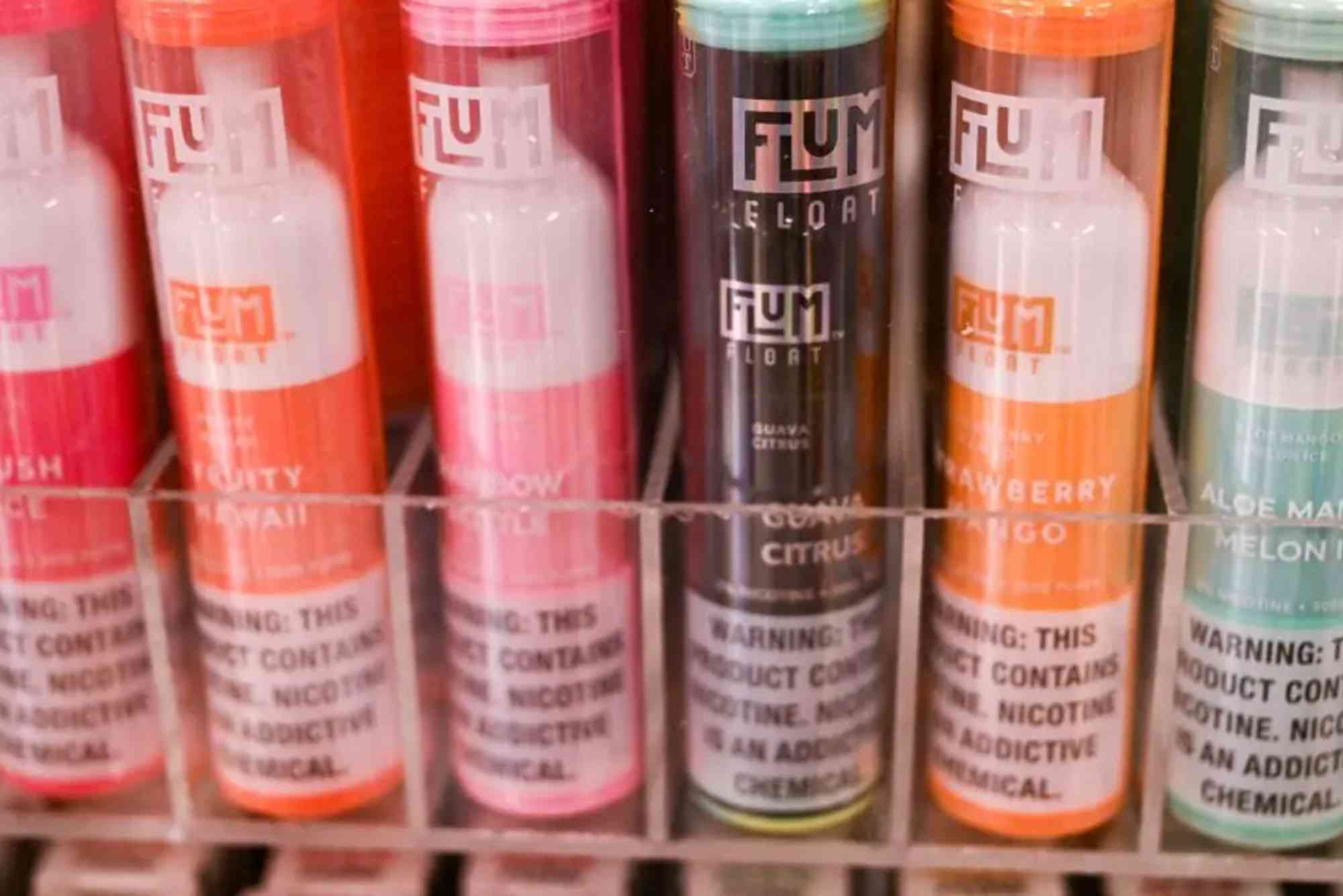
Flavored e-liquids are restricted in general retail stores, with only tobacco, mint, and menthol flavors allowed. Specialty vape shops can sell a wider range of flavors, but they must follow strict licensing and advertising rules. Packaging and labeling requirements ensure that nicotine strength, ingredients, and health warnings are clearly displayed.
Advertising is also heavily restricted. Vape products cannot be marketed in a way that appeals to young people, and promotional giveaways are banned. These measures aim to reduce the chances of non-smokers, especially teenagers, taking up vaping.
How the Laws Affect Vaping Availability
For consumers, these laws have changed how and where vaping products can be purchased. Supermarkets, dairies, and petrol stations offer a limited selection, mainly in basic flavors. Those seeking more variety must visit licensed specialty vape retailers.
Online sales are permitted but must follow age verification protocols. This ensures that underage buyers cannot easily access vaping products through the internet. These controls make vaping products less accessible to young people while still available for adult smokers trying to quit tobacco.
Health Implications of New Zealand Vape Laws
By controlling access and regulating product safety, the New Zealand vape laws indirectly impact public health. Supporters believe these rules reduce the risk of addiction among youth and protect consumers from unsafe, untested products.
Potential Health Benefits
For adult smokers, vaping offers a harm reduction pathway. Research shows that vaping exposes users to fewer toxic chemicals compared to cigarette smoking. By encouraging smokers to switch, the laws may help reduce smoking-related illnesses over time.
Potential Health Concerns
Despite being safer than smoking, vaping is not risk-free. Nicotine is addictive and can affect brain development in adolescents. Some studies suggest that long-term vaping could still harm lung health. By restricting flavors and limiting youth access, the laws aim to minimize these risks.
The Impact on Youth Vaping Trends
Youth vaping has been a significant concern in New Zealand. Before regulations, fruity and sweet-flavored e-liquids attracted many young users. Since the law limited flavors in general retail stores, some reports suggest a slowdown in youth uptake.
However, enforcement remains essential. Authorities continue to monitor illegal sales and online imports that bypass regulations. Public education campaigns also play a role in informing young people about the risks of vaping.
Balancing Harm Reduction and Prevention
One of the main challenges for lawmakers is striking a balance. On one hand, vaping can help smokers quit, supporting New Zealand’s Smokefree 2025 goal. On the other, easy access and appealing flavors can lead non-smokers, especially youth, into nicotine addiction.
By restricting marketing, controlling flavors, and requiring clear labeling, the New Zealand vape laws attempt to achieve this balance. This approach is often seen as a model for other countries struggling with similar public health concerns.
Looking Ahead: Possible Future Changes
As vaping technology evolves, regulations may need further updates. There is ongoing debate about reducing nicotine limits, banning disposable vapes, or introducing plain packaging similar to tobacco products. Future changes will likely depend on new research findings and youth vaping trends.
Expert Insights on Vaping and Health
Health experts generally agree that vaping is less harmful than smoking but not entirely safe. They recommend vaping only as a smoking cessation tool rather than a recreational habit. Medical professionals also warn that people who have never smoked should avoid vaping altogether.
For smokers, switching to regulated vaping products can significantly reduce exposure to harmful toxins. However, quitting both smoking and vaping remains the healthiest choice in the long run.
FAQs
Is vaping legal in New Zealand?
Yes, vaping is legal in New Zealand for those aged 18 and over, but it is subject to strict regulations.
What flavors are allowed in New Zealand vape laws?
General retailers can only sell tobacco, mint, and menthol flavors. Specialty vape stores can offer more flavors.
Can you vape in public places in New Zealand?
Vaping is banned in many indoor public places, workplaces, and certain outdoor areas, similar to smoking restrictions.
Are disposable vapes legal in New Zealand?
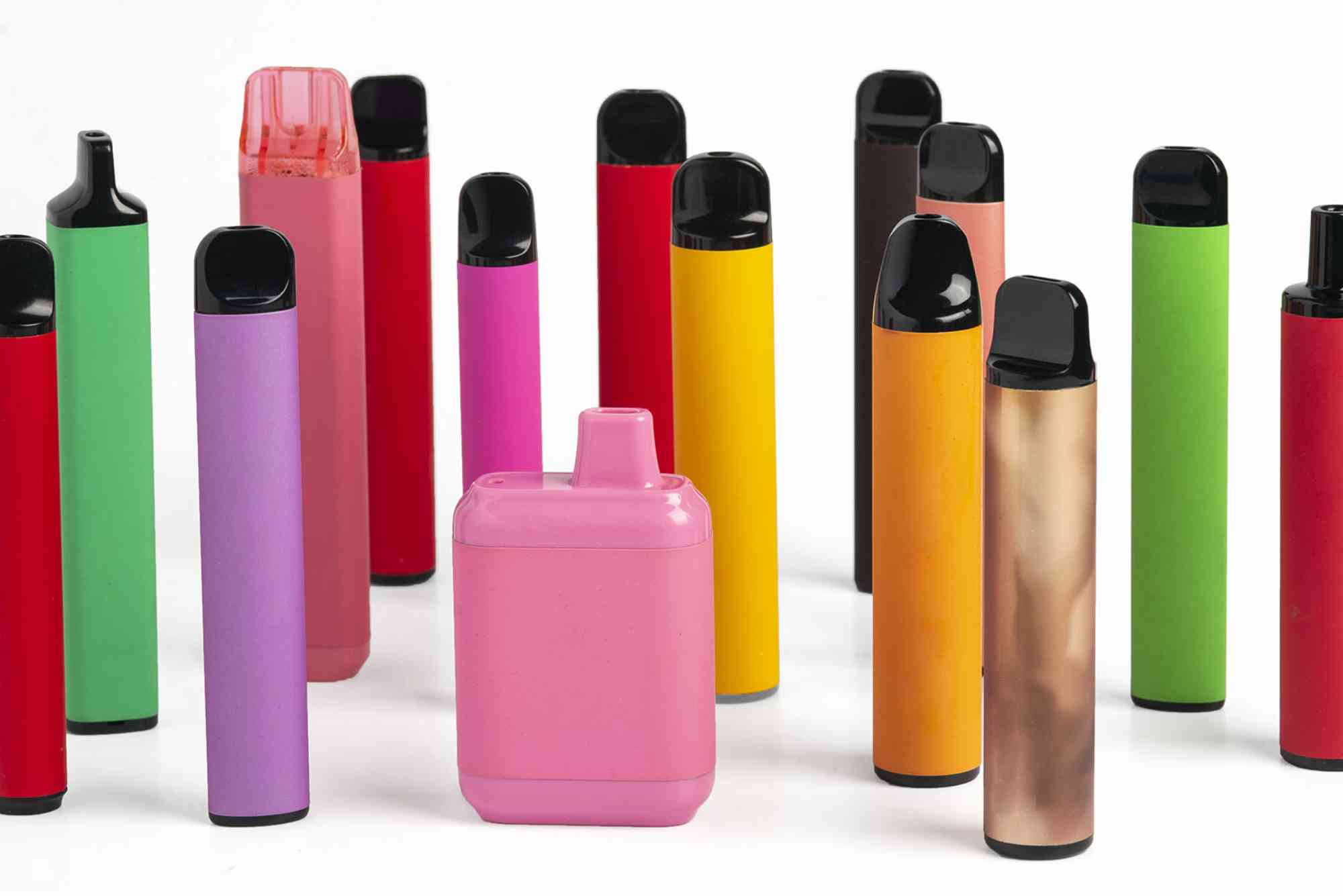
Currently, disposable vapes are allowed, but future restrictions are under discussion.
Does vaping help you quit smoking?
For many smokers, vaping has been an effective quitting aid, but it should be used under proper guidance and not as a long-term habit.
Understanding New Zealand vape laws is crucial for anyone using or considering vaping. These regulations are designed to protect public health while supporting smokers who want to quit. They limit youth access, ensure product safety, and promote responsible use.