Introduction
Vaping has grown into a multi-billion-dollar industry in the United States, but it remains under strict scrutiny in many states, especially New York. The New York vape ban has become one of the most talked-about regulations in recent years, largely because it directly affects both retailers and consumers. While the ban primarily focuses on flavored e-liquids, it has sparked a broader conversation about safety, health risks, and the role of government in regulating vaping products. Alongside the legal debate, one of the most overlooked concerns is the safety of vape batteries themselves. Many vapers pay close attention to flavors, nicotine levels, and devices, but forget that lithium-ion batteries powering these devices can pose real hazards when mishandled.
This article breaks down the New York vape ban, explores the hidden risks of vape batteries, and provides practical safety tips so that you can make informed choices while staying compliant with the law.
Understanding the New York Vape Ban
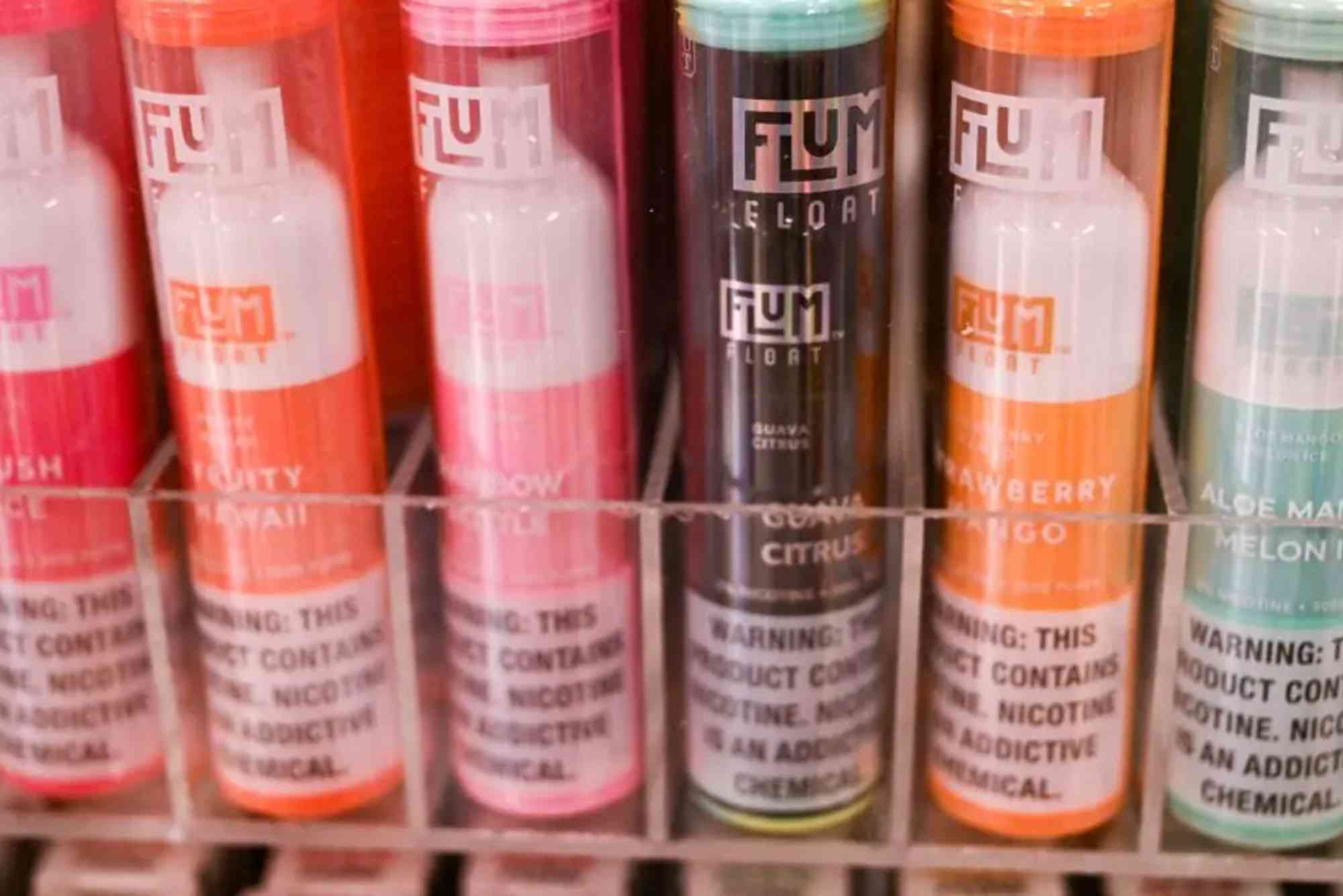
The New York vape ban was introduced in 2020, largely to address the rise of teen vaping. Lawmakers believed flavored e-liquids were attracting young users, which led to nicotine addiction and potential long-term health effects. As a result, all flavored e-cigarette products, except tobacco and menthol, were banned from sale across the state. This meant that products once available in vape shops, convenience stores, and online platforms suddenly disappeared.
For adult vapers who relied on flavors to switch from traditional cigarettes, this ban became controversial. Some argued that it limited harm-reduction options for smokers trying to quit, while others supported the regulation, seeing it as a necessary step to curb youth vaping.
Regardless of the stance, one fact remains clear: the New York vape ban significantly reshaped the vaping landscape. Many consumers turned to unregulated markets or DIY options, which not only raises legal concerns but also introduces serious safety issues. When vapers look beyond official channels to obtain products, the risks extend beyond e-liquid ingredients to the very batteries inside vape devices.
Why Battery Safety Matters in Vaping
Every vaping device, from simple vape pens to advanced mods, relies on lithium-ion batteries. These batteries are small but powerful, storing enough energy to heat coils instantly. However, if misused, damaged, or poorly manufactured, they can overheat, catch fire, or even explode.
The connection between the New York vape ban and battery risks might not be immediately obvious, but when legal products are restricted, many users resort to unfamiliar devices or third-party sellers. These alternatives may use cheap, unsafe batteries that fail safety standards. Understanding battery safety is therefore crucial for anyone navigating the post-ban environment.
Common Causes of Vape Battery Risks
One of the biggest dangers in vaping comes from improper battery handling. Using batteries not designed for high-drain devices, storing them incorrectly, or using damaged wraps can all result in accidents. Another common issue is pairing the wrong charger with the device, leading to overcharging and thermal runaway. Many vape explosions reported in the news stemmed from basic mistakes, such as carrying loose batteries in pockets alongside keys or coins.
The Link Between the New York Vape Ban and Unregulated Devices
When New York banned flavored products, it created an underground demand. Instead of purchasing devices and liquids from reputable brands, some users turned to unverified sellers. These sellers often import cheap devices with substandard batteries. While these products might look similar to branded ones, they lack the quality control needed to keep users safe.
In fact, research has shown that counterfeit or black-market vaping devices are far more likely to include low-grade lithium-ion batteries. These are batteries that haven’t passed rigorous safety testing. This is one of the hidden dangers of the New York vape ban—pushing consumers into less secure markets where safety standards are ignored.
Staying Safe While Vaping After the Ban
For New Yorkers who still vape, the key is balancing compliance with safety. Even if flavored liquids are restricted, battery safety remains fully within your control.
Best Practices for Vape Battery Safety
Always use batteries from trusted brands such as Sony, Samsung, or LG. Never mix old and new batteries, and always replace damaged or torn wraps immediately. When charging, stick to the charger recommended by the manufacturer and avoid leaving batteries unattended overnight. Store spare batteries in protective cases rather than loose in pockets or bags. Finally, keep devices away from extreme heat or moisture.
By practicing these safety habits, you can significantly reduce the risks associated with vaping devices, even in a regulatory climate shaped by the New York vape ban.
The Health Debate Around the New York Vape Ban
Supporters of the ban argue that flavored vaping was hooking a new generation on nicotine. Opponents counter that the ban removes effective smoking cessation tools. The truth may lie somewhere in between. Public health experts often agree that while vaping is not risk-free, it is generally safer than smoking traditional cigarettes. However, safety is only guaranteed when products are regulated, batteries are reliable, and devices meet safety standards.
With the ban in place, the danger is that adult smokers who might have switched to vaping will either return to cigarettes or resort to unsafe products. Both scenarios have negative health implications. This highlights the importance of not just regulation but also education—teaching users about risks and safe practices.
What Vapers in New York Should Do
If you are a New Yorker navigating the vape ban, your first priority should be compliance with the law. That means avoiding banned flavored products. However, within legal vaping, you can still protect yourself by focusing on product quality and battery safety. Only purchase devices from licensed retailers, and never be tempted by cheap knock-offs promising the flavors you miss.
Investing in high-quality batteries, cases, and chargers might cost more upfront but will save you from potential accidents. Education is key—staying informed about the risks and being proactive in safe practices ensures a safer vaping experience.
FAQs
Is vaping completely banned in New York?
No, vaping is not completely banned. The law specifically targets flavored e-cigarettes, with the exception of tobacco and menthol flavors.
Why was the New York vape ban introduced?
The ban was introduced to reduce youth vaping rates, as flavored products were believed to attract teenagers and young adults.
Are there risks in buying vapes after the ban?
Yes, especially if purchased from unregulated sellers. These devices may use unsafe batteries and untested e-liquids.
Can vape batteries really explode?
Yes, though rare, vape batteries can explode if misused, overcharged, or damaged. Following proper safety guidelines minimizes the risk.
How can I stay safe while vaping in New York?
Buy only from licensed vendors, use trusted batteries, and practice proper charging and storage habits. Avoid black-market products.
The New York vape ban reshaped the vaping landscape, forcing many users to reconsider their choices. While the regulation aimed to protect youth, it also introduced challenges for adult vapers who rely on flavored products. Beyond legality, the most pressing issue lies in battery safety. Poor-quality devices and careless handling can turn vaping from a harm-reduction tool into a real hazard.