Understanding New Vape Laws RI and Its Impact on Vaping Health
Vaping regulations are rapidly evolving across the United States, and Rhode Island (RI) is no exception. The new vape laws RI have sparked debate among health officials, policymakers, and vaping enthusiasts. While the laws aim to protect public health, they also affect local businesses and the vaping community. Understanding these changes is crucial for consumers and retailers navigating the state’s new regulatory landscape.
Why New Vape Laws RI Matter
Rhode Island’s new vaping legislation focuses on reducing youth access to e-cigarettes, limiting flavored vape products, and ensuring product safety. Policymakers emphasize that vaping, though often marketed as a safer alternative to smoking, carries health risks. For many residents, the laws raise important questions about personal freedom, public health, and business impacts.
Key Highlights of the New Vape Laws RI
Flavor Ban Enforcement
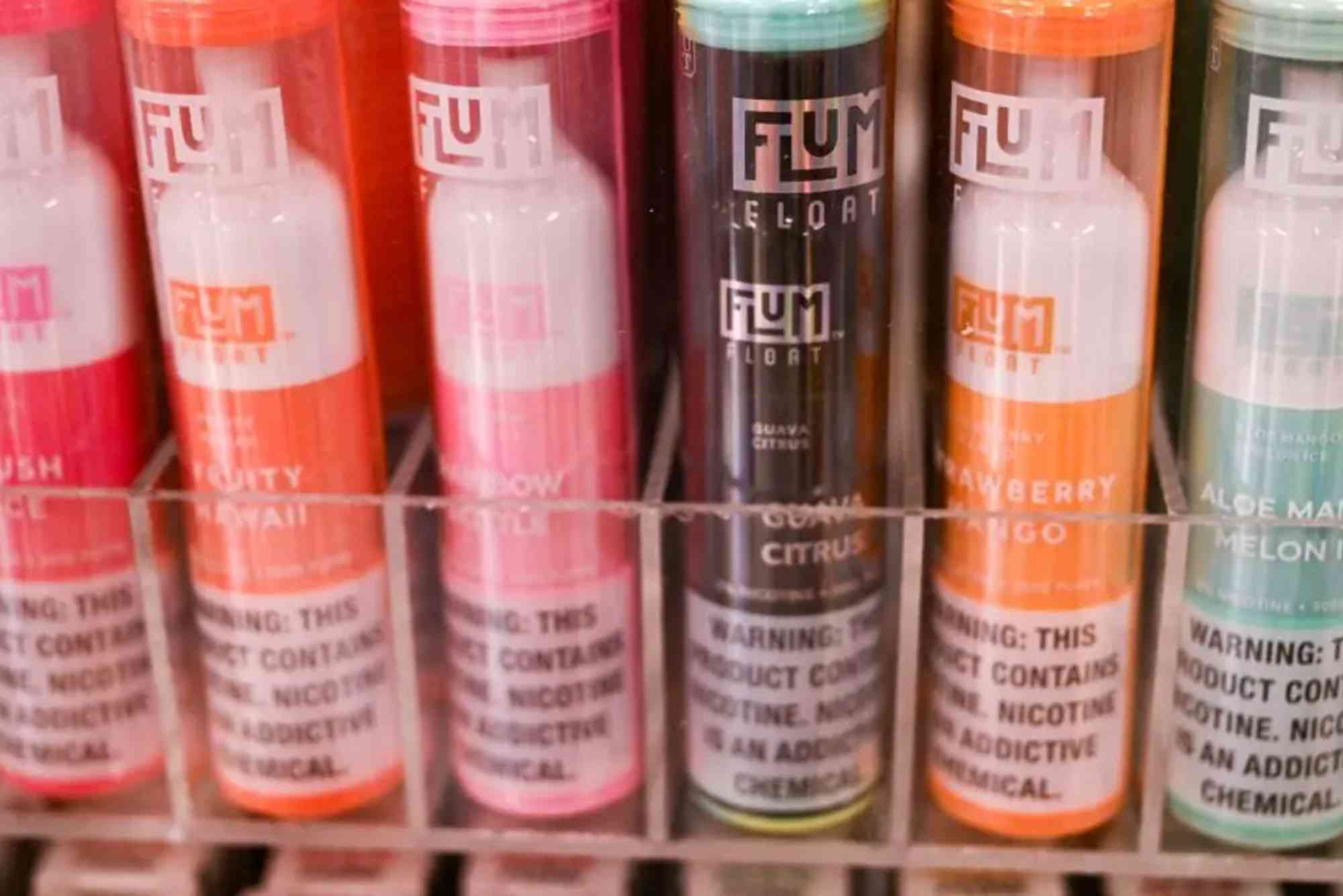
The most significant change is the continued ban on flavored e-cigarettes. This includes fruity, candy, and menthol flavors. Officials argue that flavored vapes appeal disproportionately to minors, leading to increased nicotine addiction.
Age and Purchase Restrictions
The minimum age to purchase vaping products remains set at 21. Retailers are required to implement strict ID checks, with heavy fines for violations. This aligns Rhode Island with federal Tobacco 21 laws.
Retailer Licensing and Compliance
Shops selling vape products must maintain state licenses. The laws introduce tighter compliance checks, ensuring retailers meet health and safety standards. Non-compliance can result in license suspension or permanent bans.
Marketing and Packaging Rules
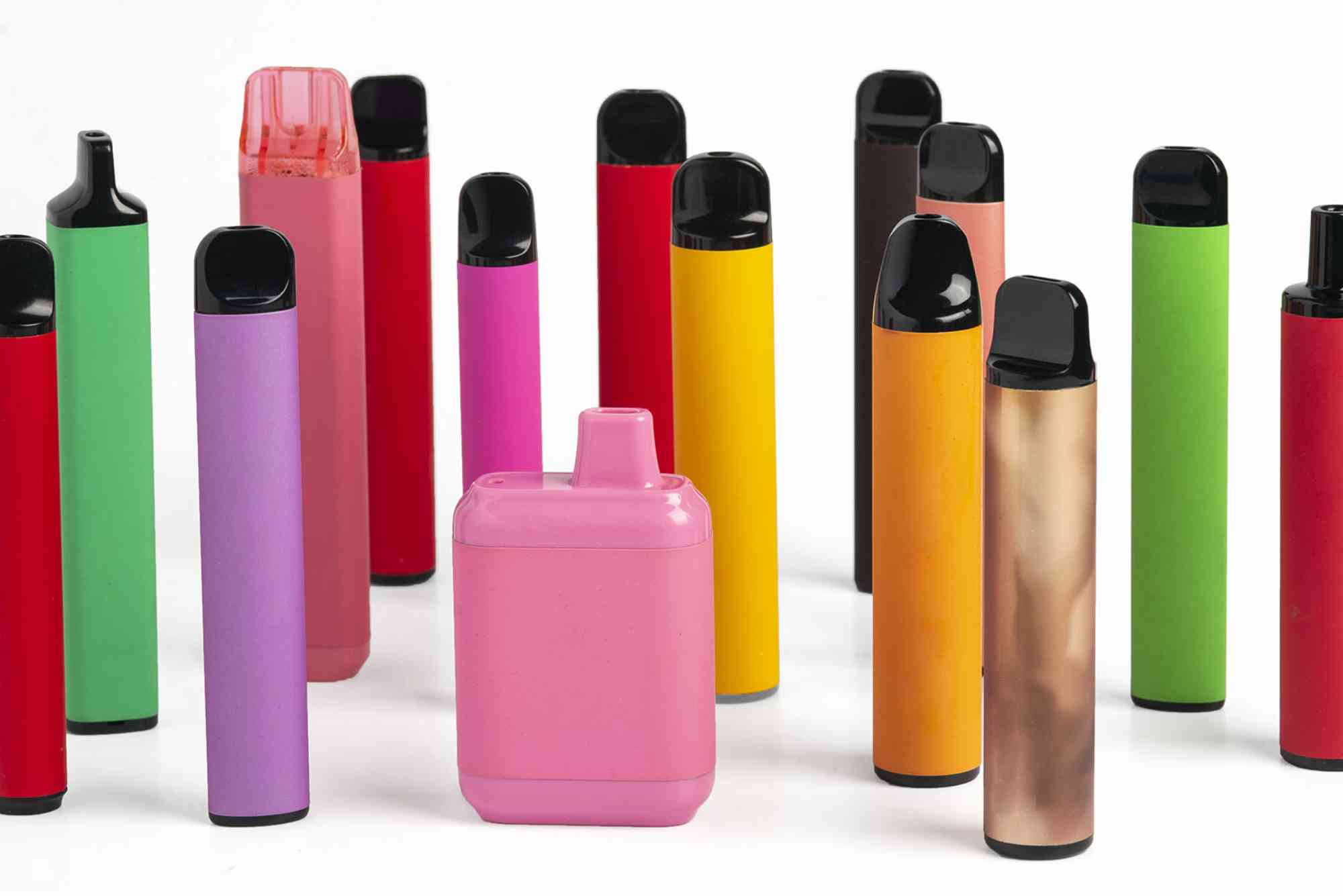
Vaping product packaging can no longer feature cartoon characters or designs that may appeal to children. Labels must display clear nicotine warnings, mirroring tobacco labeling regulations.
Health Impact of New Vape Laws RI
Protecting Youth from Nicotine Addiction
Research shows flavored vapes are a major driver of teenage nicotine use. By restricting flavors, Rhode Island aims to reduce vaping initiation among young people. This helps prevent long-term addiction and potential progression to smoking.
Addressing Public Health Concerns
Although some argue vaping is less harmful than smoking, the health effects of long-term use remain under study. The laws align with precautionary public health measures, focusing on reducing risks where evidence is still developing.
Supporting Smoking Cessation Efforts
For adult smokers using e-cigarettes as a cessation tool, the laws may complicate access to preferred flavors. However, advocates argue that protecting youth outweighs these drawbacks. Smokers are encouraged to explore FDA-approved cessation aids instead.
Impact on Local Businesses
Vape Shops and Retailers
Rhode Island vape shop owners face reduced sales due to flavor restrictions. Many report that customers now travel across state lines for products not available locally. This challenges small businesses struggling to compete with online sellers.
Adaptation Through Compliance
Retailers can adapt by focusing on legal product categories, offering wellness products, and enhancing customer education. Packaging regulations also present opportunities for creative branding through trusted suppliers such as Buddy Packaging Location.
Online Sales and Enforcement
The laws restrict online sales of flavored e-cigarettes shipped into Rhode Island. This move targets loopholes that previously allowed underage consumers to bypass age restrictions.
Consumer Reactions to New Vape Laws RI
Frustration Over Flavor Limits
Many adult vapers feel unfairly targeted by the flavor ban, arguing that flavors help them quit smoking. Online forums reflect concerns about reduced product choice and increased costs.
Support for Health Protection
On the other hand, parents and health groups strongly support the measures. They see the regulations as necessary to protect younger generations from nicotine addiction.
Comparing Rhode Island to Other States
Rhode Island is among the states leading strict vaping regulations, alongside Massachusetts and New York. By comparison, some states maintain looser restrictions, while federal agencies continue to monitor vaping’s health effects nationwide. This patchwork of regulations creates challenges for multi-state retailers.
Expert Opinions on Vaping and Health
Public health experts caution that while vaping may expose users to fewer toxins than smoking, it is not risk-free. Nicotine affects brain development in young people and may contribute to cardiovascular and lung issues. The Centers for Disease Control and Prevention (CDC) continues to investigate long-term health outcomes. External resources, like the CDC’s vaping health page, provide further insights for concerned residents.
FAQs About New Vape Laws RI
What are the new vape laws in Rhode Island?
The laws ban flavored e-cigarettes, enforce Tobacco 21, require retailer licenses, and regulate packaging and marketing.
Can I still buy menthol vape in Rhode Island?
No, menthol is included in the flavor ban, alongside candy and fruit flavors. Only tobacco-flavored products remain legal.
Why did Rhode Island ban flavored vapes?
The state banned flavored vapes to reduce youth vaping rates, which have risen sharply in recent years.
Are vape shops in Rhode Island closing?
Some shops have closed due to reduced sales, but others remain open by adapting to new legal requirements.
How do these laws affect adults who use vaping to quit smoking?
Adults may face reduced flavor options, but FDA-approved nicotine replacement therapies remain available.
What the New Vape Laws RI Mean for the Future
The new vape laws RI highlight a growing national trend toward stricter vaping regulation. While the laws aim to protect young people and improve public health, they also affect adults and local businesses. For consumers, staying informed ensures compliance and healthier choices. For retailers, adapting through compliance and innovative packaging solutions can soften the business impact.
As Rhode Island continues to refine its approach, the debate over vaping’s role in harm reduction versus public health risk will remain central. If you’re a business or consumer navigating these changes, now is the time to stay updated and make informed decisions.
Stay informed about Rhode Island’s vaping regulations, explore healthier alternatives, and support businesses adapting responsibly to the new laws.