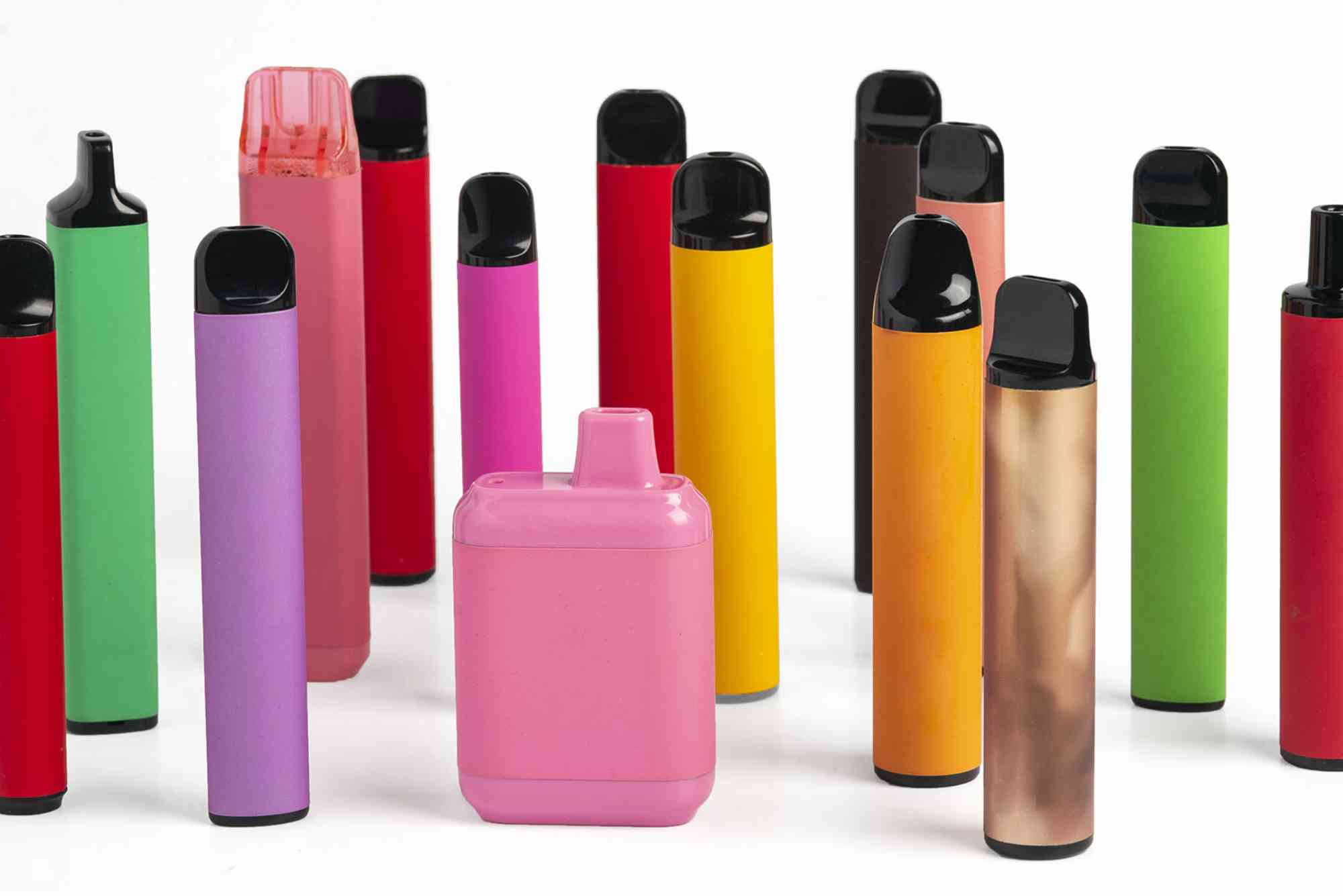
New Vape Laws Canada Risks in Vape Batteries: Stay Safe While Vaping
Vaping has quickly become a popular alternative to smoking in Canada. With more people choosing e-cigarettes, the government has introduced new vape laws in Canada to regulate sales, advertising, and product safety. While these laws aim to protect consumers, another critical issue often overlooked is battery safety. Vape batteries power every device, and improper use or handling can lead to serious risks such as overheating, explosions, and fires.
Understanding how the new vape laws in Canada work, while also learning safe battery practices, can help vapers enjoy their devices responsibly. This guide will walk you through everything you need to know about vaping regulations, common battery hazards, and essential tips to stay safe while vaping.
Understanding the New Vape Laws in Canada
Canada’s federal and provincial governments have developed comprehensive laws to regulate vaping. These laws aim to balance harm reduction with consumer protection, particularly for young people.
Federal Framework
At the national level, the Tobacco and Vaping Products Act (TVPA) regulates manufacturing, sales, labeling, and promotion of vaping products. The new vape laws in Canada make it clear that nicotine levels, packaging, and marketing cannot target minors. Strict penalties apply for non-compliance.
Provincial Regulations
Each province enforces its own set of rules. For example, Ontario bans vape product displays in convenience stores, while British Columbia restricts flavors and taxes nicotine liquids. In Quebec, online sales face tighter restrictions. These provincial differences mean that understanding local rules is essential.
Key Restrictions in 2024
Recent changes include stricter limits on nicotine concentration, new labeling requirements, and expanded flavor bans in some provinces. The intention is to reduce youth vaping while ensuring adult smokers have access to regulated alternatives. Anyone using vape devices in Canada must stay updated, as non-compliance can lead to heavy fines.
Why Vape Battery Safety Matters
While legal frameworks govern product use, safety risks often start with the hardware itself. Vape batteries, usually lithium-ion, are powerful but sensitive. If misused, they can cause dangerous accidents. Reports of batteries overheating or even exploding have made headlines worldwide.
Common Causes of Battery Risks
The most common causes of vape battery problems include using the wrong charger, carrying loose batteries in pockets, and overcharging devices. Many incidents also occur when users buy cheap, unregulated batteries or modify devices without proper knowledge.
The Link Between Laws and Safety
Interestingly, the new vape laws in Canada indirectly improve battery safety by requiring manufacturers to meet safety standards and include proper labeling. However, laws alone cannot prevent accidents. Users must take responsibility by learning how to handle their devices correctly.
How to Handle Vape Batteries Safely
Knowing the risks is one thing, but putting safety measures into practice is another. Every vaper should follow basic guidelines to avoid accidents.
Use the Right Charger
Always use the charger provided by the manufacturer. Third-party chargers may not regulate power properly, leading to overheating or short circuits.
Avoid Overcharging
Leaving your vape device plugged in overnight may seem harmless, but it puts strain on the battery. Overcharging reduces battery lifespan and increases the risk of failure.
Store Batteries Properly
Never keep spare batteries loose in your pocket or bag, especially near keys or coins. Use a protective battery case to avoid accidental contact that can cause short circuits.
Replace Damaged Batteries
If you notice dents, tears, or leaks in your vape battery, stop using it immediately. Continuing to use a damaged battery is one of the leading causes of accidents.
The Impact of New Vape Laws Canada on Consumers
The new vape laws in Canada do more than just regulate nicotine levels and flavors. They also influence how safe products reach the market.
Improved Product Standards
Manufacturers must now comply with stricter testing and labeling requirements. This ensures that consumers know the exact nicotine strength and battery specifications of their devices. Transparency helps reduce misuse and misinformation.
Reduced Youth Access
With tougher restrictions on advertising and flavored products, young people face fewer temptations to start vaping. Since many accidents involve inexperienced users mishandling devices, this indirectly lowers battery-related risks.
Responsibility for Retailers
Retailers are obligated to verify age, provide proper product information, and avoid misleading promotions. This makes it harder for unsafe or counterfeit batteries to enter the Canadian market.
Risks Beyond Battery Explosions
When discussing battery safety, many people imagine explosions. While rare, other risks are more common and equally important to address.
Overheating
A device that feels unusually hot signals a potential issue. Overheating may damage internal components and increase fire hazards.
Short Circuits
Improper connections or loose batteries can trigger short circuits. This not only damages the battery but may also render the device unsafe.
Reduced Battery Lifespan
Even if accidents don’t occur, poor charging habits reduce overall performance. A weak battery may produce inconsistent vapor or shut down unexpectedly.
How to Stay Safe Under the New Vape Laws Canada
With both legal and technical issues at play, Canadian vapers must balance compliance with safety.
Stay Informed
Laws change frequently. Checking government websites or local health authority updates ensures you remain compliant. Retailers also provide guidance on which products meet the new regulations.
Buy From Reputable Sources
Avoid cheap, unregulated batteries or e-liquids sold online. Authorized retailers follow Canadian laws, reducing the risk of counterfeit products that may compromise safety.
Follow Manufacturer Guidelines
Every vape device comes with specific instructions. Reading the manual may feel unnecessary, but it often includes crucial safety tips for battery care.
Prioritize Quality Over Price
While cheaper devices may be tempting, investing in high-quality products ensures better safety standards and longer lifespan.
Stay Safe, Stay Informed
The New Vape Laws Canada highlight the government’s efforts to regulate the vaping industry, protect youth, and improve product safety. However, legal frameworks alone cannot prevent accidents. As a consumer, your role is equally important. By practicing safe battery habits—such as using the right charger, avoiding overcharging, and replacing damaged batteries—you protect both yourself and those around you.
Staying informed about evolving laws while following best safety practices ensures a safer vaping experience. If you are a vaper in Canada, take time today to review your device, check your batteries, and confirm you’re using products that comply with the law. Whether you’re new to vaping or a long-time user, commit to safer practices today. Stay informed on new vape laws in Canada, buy only from trusted retailers, and handle your vape batteries responsibly to enjoy a secure and enjoyable vaping experience.
Frequently Asked Questions
Are vapes still legal in Canada?
Yes, vaping is legal for adults. However, the new vape laws in Canada impose strict rules on sales, advertising, and nicotine content.
Can I buy flavored vapes in Canada?
It depends on your province. Some provinces restrict flavors to tobacco, mint, or menthol, while others allow a wider variety.
What are the penalties for breaking vape laws in Canada?
Penalties vary by province and can include fines or confiscation of products. Retailers face stricter enforcement compared to individual users.
Can vape batteries really explode?
Yes, though it’s rare. Explosions usually happen due to misuse, damaged batteries, or low-quality products. Proper handling prevents most accidents.
How do I know if my vape battery is safe?
Check for manufacturer labeling, avoid visible damage, and always charge with the recommended device. If unsure, replace the battery.