Vaping has become a global phenomenon, but local laws vary significantly. If you’re planning to vape in Mexico, it’s crucial to understand the Mexico laws on vaping. Whether you’re a resident or a tourist, this guide explains the legal landscape, enforcement trends, and how these laws impact your health and safety.
What Are Mexico’s Current Laws on Vaping?
Mexico has taken a strict stance on vaping in recent years. These regulations aim to protect public health, particularly among youth. Understanding these laws can help you stay compliant and avoid serious penalties.
Federal Ban on Vape Imports and Sales
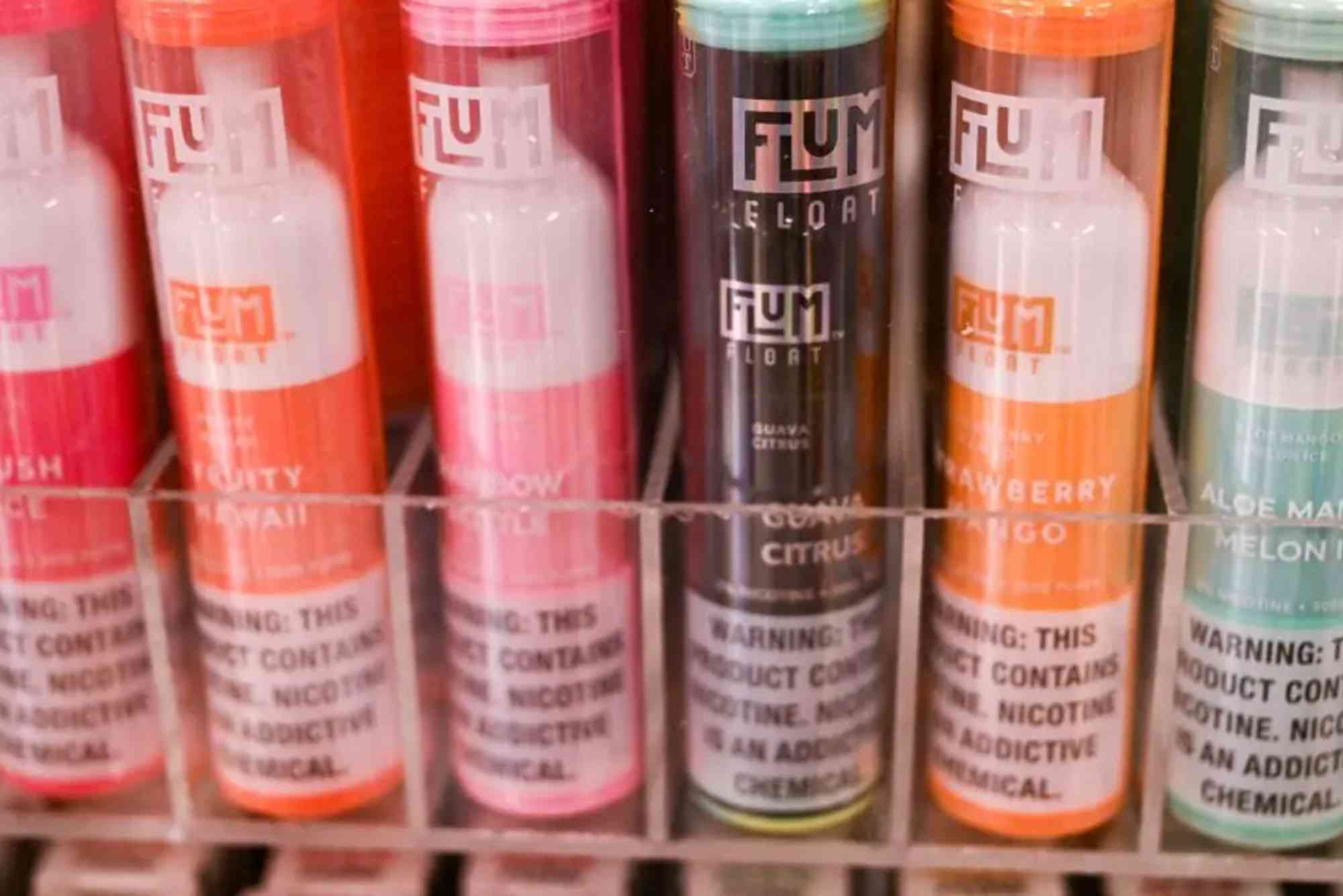
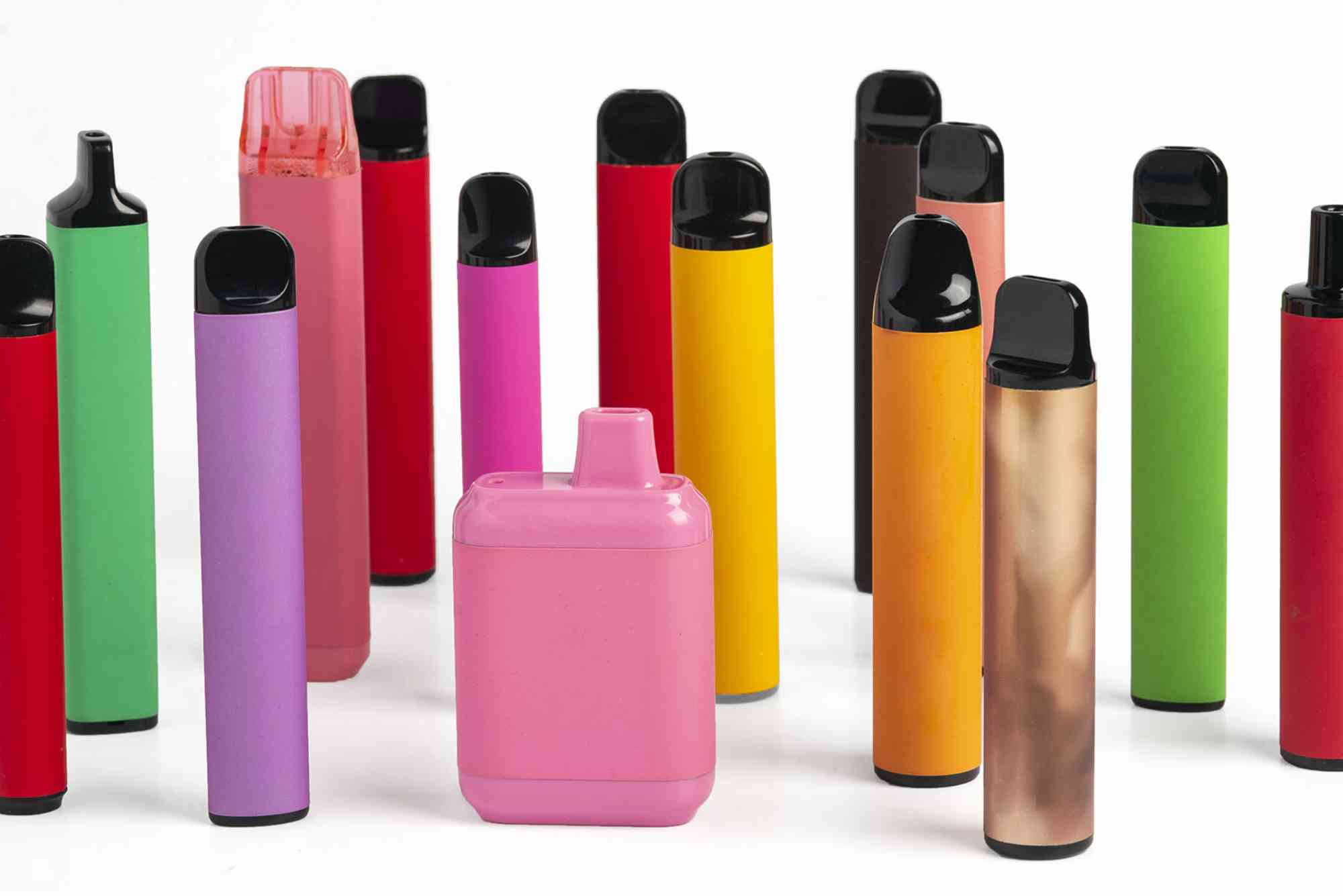
Since 2020, the Mexican government has issued several executive decrees restricting vape-related products. In particular, a 2022 presidential decree banned the importation and sale of e-cigarettes and vaping devices nationwide. This includes nicotine and non-nicotine devices alike.
Even products that do not contain tobacco fall under this ban, including e-liquids and cartridges.
Legal Loopholes and Gray Areas
Despite the federal ban, some vape shops continue to operate in tourist-heavy areas like Cancun and Mexico City. However, purchasing from these stores remains legally risky. Authorities may seize products or fine business owners and consumers.
Enforcement Trends
Law enforcement tends to focus on retailers and smugglers rather than individual users. However, possession of vaping products can still lead to confiscation or fines, especially in airports or at customs checkpoints.
Why Did Mexico Ban Vaping Products?
The vaping ban in Mexico is largely driven by public health concerns. Government officials argue that vaping poses unknown long-term risks and can serve as a gateway to tobacco use.
Youth Usage and Public Health Campaigns
The Mexican government has focused heavily on preventing youth addiction. Officials cite a rise in underage vaping as a key reason for the crackdown. Anti-vaping campaigns have highlighted potential health risks and nicotine dependence.
World Health Organization (WHO) Alignment
Mexico’s policies align closely with WHO guidelines, which urge countries to regulate or ban vaping devices due to emerging health data and unknown long-term effects.
How Mexico Laws on Vaping Affect Your Health
Lack of Regulation Can Lead to Unsafe Products
One side effect of the ban is that vaping has moved underground. Without proper regulation, users often rely on unregulated or counterfeit products, which can be dangerous.
These products may contain:
- Contaminated or untested e-liquids
- Unknown chemical additives
- Poor-quality hardware that may malfunction
No Access to Harm Reduction Tools
Vaping is often used as a harm reduction tool by smokers trying to quit. Mexico’s strict laws eliminate this alternative, potentially pushing users back to traditional tobacco.
Public Vaping Restrictions and Social Stigma
Even if you manage to bring a vape into Mexico, using it in public could draw unwanted attention. Social attitudes toward vaping have shifted due to aggressive health campaigns, increasing the stigma around vaping.
Traveling to Mexico with a Vape: What You Should Know
If you’re a tourist, understanding Mexico laws on vaping is essential before packing your vape. Here’s what travelers need to consider:
Airport Security and Customs
Mexican customs strictly enforce the vape ban. Devices, pods, and even vape chargers can be confiscated upon entry. If you’re caught trying to import these items, penalties may include:
- Fines
- Product seizure
- Delays in customs processing
Vaping in Hotels and Public Spaces
Even if you already have a vape, using it in public is not recommended. Some hotels may permit vaping indoors, but most follow non-smoking policies that extend to e-cigarettes.
Always check with your hotel before vaping indoors and avoid public areas like beaches, parks, and restaurants.
How Are Consumers Responding to the Ban?
The vape community in Mexico has responded in several ways. Some users have turned to DIY e-liquid mixing, while others rely on informal markets or cross-border shopping.
Legal Challenges and Advocacy
Consumer groups and pro-vaping organizations have challenged the ban in court. Some argue that the regulations infringe on personal freedoms and ignore the benefits of vaping for smoking cessation.
So far, the government remains firm, and most legal appeals have been unsuccessful.
Alternatives to Vaping in Mexico
For those trying to quit smoking or manage nicotine dependence, alternatives include:
- Nicotine patches or gum (available in pharmacies)
- Prescription cessation medications
- Behavioral therapy or counseling
These options are legal and accessible and may offer a safer route for managing cravings.
Health Implications of Vaping vs. Smoking
One major concern among critics of the ban is that it may drive people back to smoking. Research shows that:
- Vaping is generally less harmful than smoking, though not risk-free
- Long-term health impacts of vaping remain unclear
- Smoking-related illnesses like cancer and COPD are well-documented and deadly
By restricting access to vaping, Mexico may unintentionally encourage tobacco use, especially among adults looking to quit.
FAQ: People Also Ask About Mexico Laws on Vaping
Can I bring a vape to Mexico?
No, Mexican law prohibits the importation of vaping devices and products, even for personal use. Customs may confiscate your vape at the border.
Is vaping legal in Cancun or tourist areas?
While some shops in Cancun still sell vape products, they operate in a legal gray area. Buying or using these products can still lead to fines or confiscation.
What happens if I’m caught with a vape in Mexico?
Penalties vary. In most cases, your device will be confiscated, and you may receive a fine. Repeat offenses or large quantities could lead to legal action.
Are nicotine patches legal in Mexico?
Yes, nicotine replacement therapies like patches and gum are legal and sold in many pharmacies across the country.
Why did Mexico ban vaping?
Mexico banned vaping due to health concerns, especially rising youth usage and lack of long-term safety data. The move aligns with WHO recommendations.
What the Future Holds for Vaping in Mexico
The Mexico laws on vaping are among the strictest in the Americas. While they aim to protect public health, these regulations have unintended consequences. Users face risks from unregulated products, while those seeking alternatives to smoking are left with few options.